Stafford’s The Weathervane in Charlevoix, Michigan

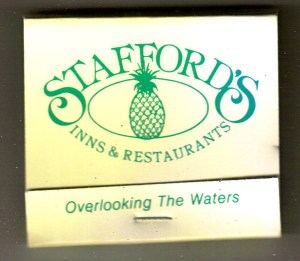
As I momentarily sift through my collections of memorabilia of wines and restaurants I picked up the matchbook from Stafford’s in Charlevoix.  We have been to the hotel as well as the restaurant several times for get-away trips, and sometimes when my Bride has business functions.   It is a beautiful part of the state and Charlevoix is a fun place to wander around, there are shops, pubs, restaurants, boats and water to look at and enjoy, not to mention the “people watching.”
MI Stafford's MB

Stafford’s Weathervane is an historic inn and restaurant for Charlevoix.  It was originally a gristmill that was converted over to the present venue.  The restaurant that is there has been doing a great business long before I was aware of it, and I do hope they continue for years to come.  They have excellent steaks and are know for the fish.  My Bride is always looking forward to the Whitefish dinner on a plank, which she has been ordering for years.

Saintsbury Chardonnay Carneros 1999

One trip I actually broke down and tried the Whitefish, as it is not my favorite fish as I find that it is too mild for my tastes.  After having an appetizer of seafood, then a house salad for my Bride and some soup for me, we were both going to enjoy the Whitefish.  I have to admit that the dish was far superior to the Whitefish I have had elsewhere.  Perhaps it was the ambience, the company or the preparation (I believe a combination of the three) that made this dish so enjoyable.   We also enjoyed a bottle of Saintsbury Chardonnay 1999 that evening that paired very well with the entire evening’s selections.  This wine is from the Carneros region, and it is just a great wine, and on an early summer evening overlooking the water what can be better?

MI Weathervane Inn MB

Posted in Dining, Wine | Tagged , , , | Leave a comment

Pine Ridge Resort

Years ago, a friend of mine told me of this hidden get-away for couples.   He told me that it was just what was needed to relax and have a good time.  We checked it out and were told that we would get some complimentary food and wine with our check in.  We were young and carefree, so off we went.

MI Pine Ridge MB


Pine Ridge was north of the Ann Arbor corridor and at the time we were there it was still pretty rural, I have no idea what the area is like now, but I would venture that it is still pastoral.   The resort advertised that it was a year round escape lodge, catering to the nature hikes and snow mobile trails in the winter.


I have to admit that we had never been to a venue like this and it was unique in our experiences.  There was a large hot tub in the room overlooking the woods outside, not far from a gas fireplace.  There was also a large waterbed that had a mirrored ceiling above.  Well they advertised that they were for couples and the activities were left to the couples.


The food and wine were another story, when we were booking they asked about our preference for wine; red, white or rose.  We asked for white wine during the process.   While we were discovering the features of the room we found that there was a carafe of chilled white wine and a small platter of cubed cheese, crackers and a type of hunter’s sausage, and a small assortment of fruit.  I am glad that we were not going to be reliant on the largesse of the resort.

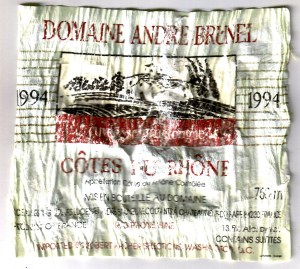
Domaine Andre Brunel CdR 1994


We had packed a basket for the trip with all sorts of gourmet munchies that one doesn’t normally buy except for occasions.  So we had an assortment of pate spreads, artisan cheeses, charcuteries, smoked seafood and other finger foods of this nature.  We were going to relax and enjoy our company.  We had also packed a bottle of a Cote du Rhone wine to pair with our munchies.  There is always another bottle of a Cote du Rhone wine to try and it always works well with any type of dinner as far as we are concerned.  We were enjoying a bottle of Domaine Andre Brunel 1994 and it was a fine choice for this evening.

Posted in Wine | Tagged , , | Leave a comment

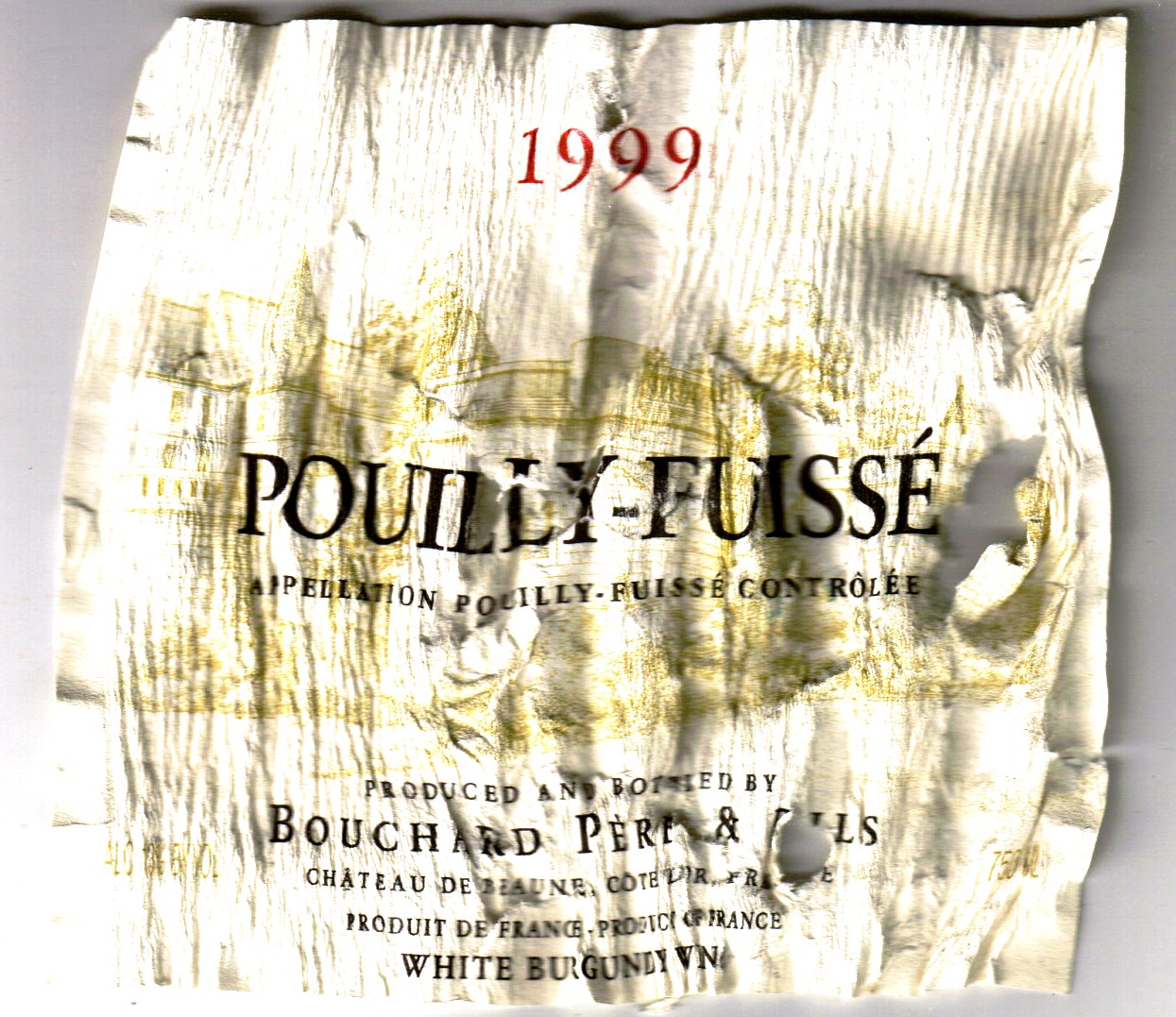
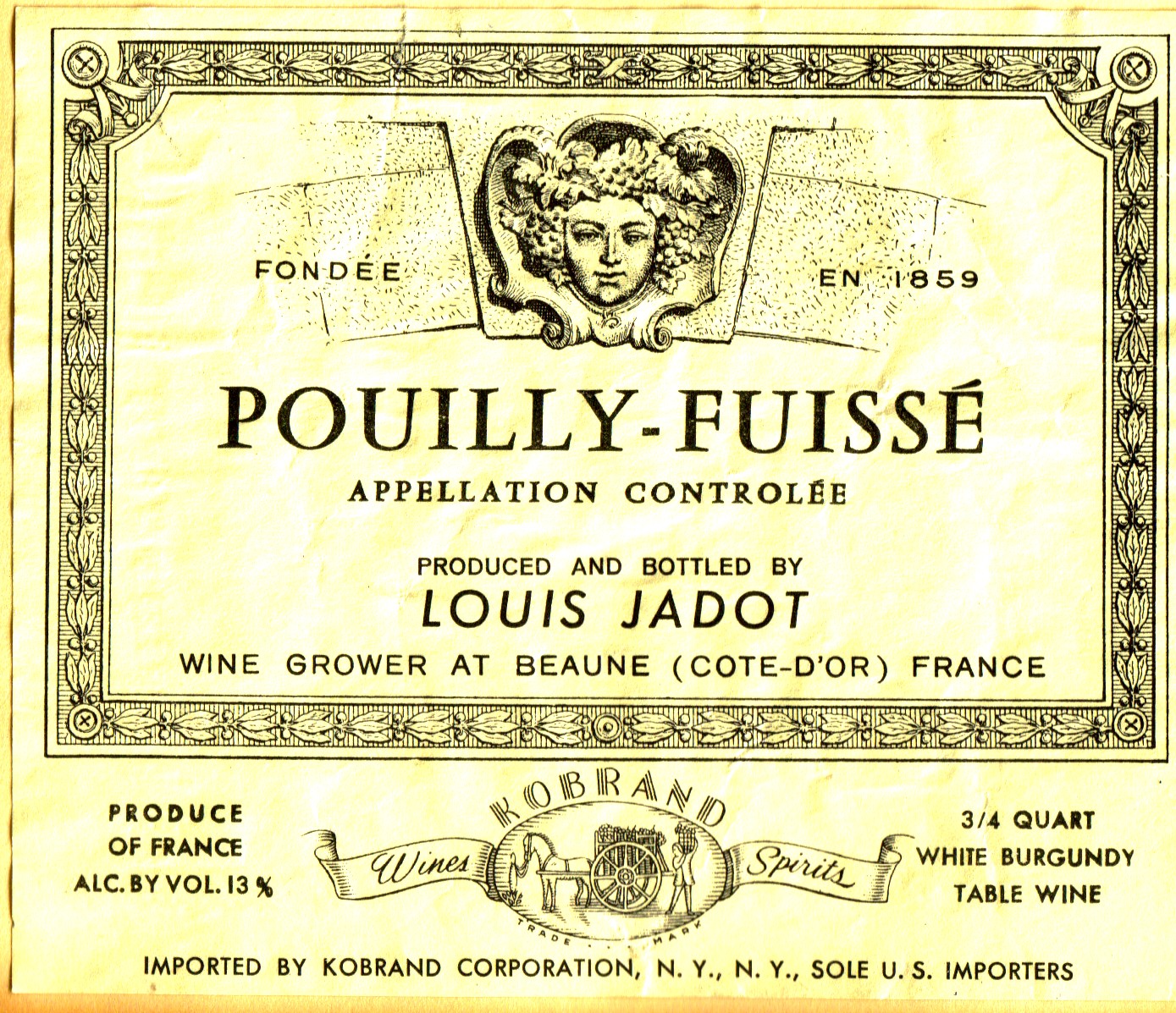
Maconnaise and Pouilly-Fuisse

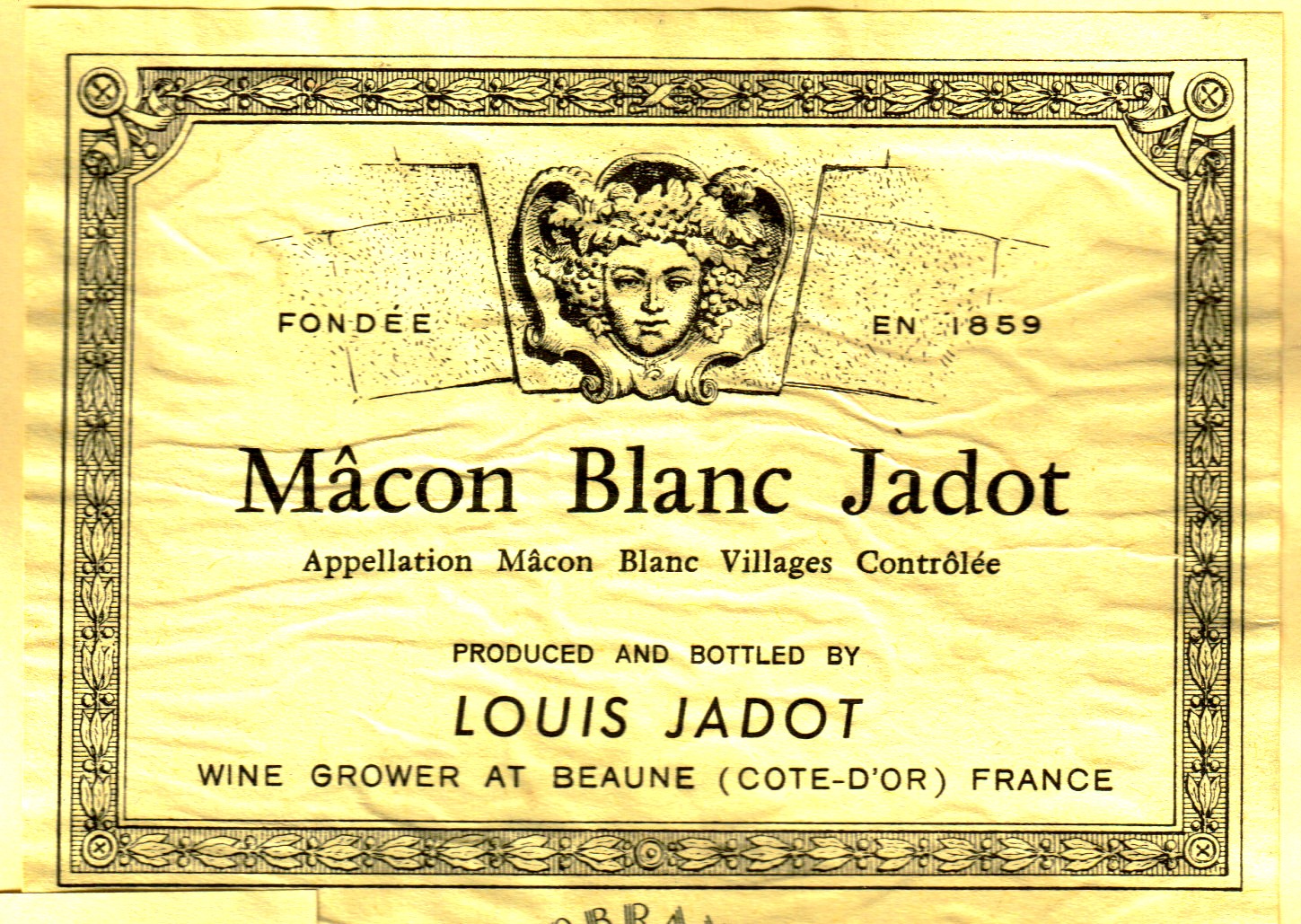
Now a final overview of the last area of Southern Burgundy, the Maconnais, which centers around the village of Macon.   This area produces red, white and rose wines that are not remarkable, but not of poor quality either.  They are good work-man like wines that deliver value for your dollar.


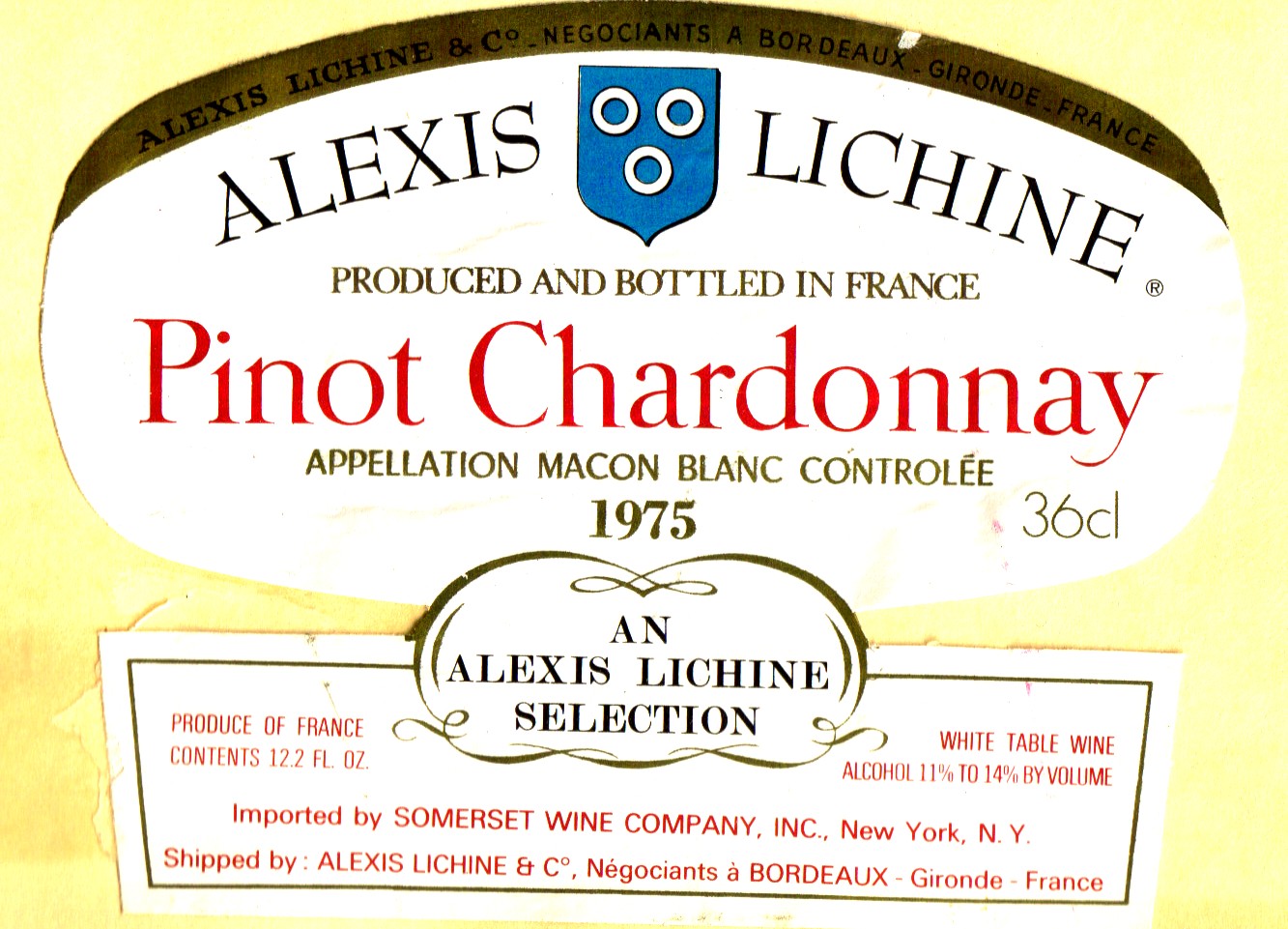
The wines are available here in the States with out too much difficulty.  Some are found listed as Macon-Villages and some are listed by the varietal grape name.  This may have started as a way to make inroads in to the American buying public.  You may buy wines from this area as a Gamay or as a Pinot Chardonnay wine.


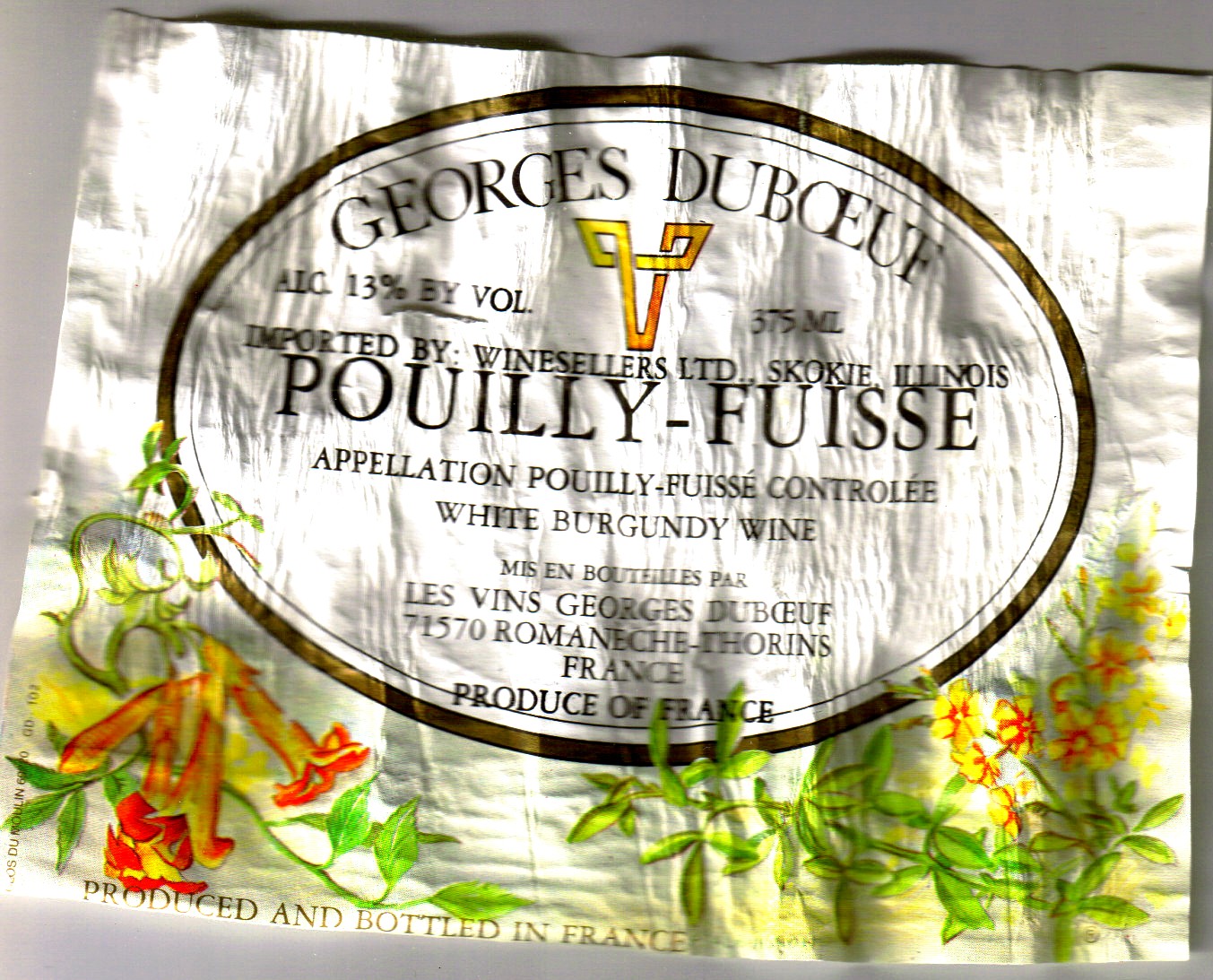
The most famous wine from the Maconnais is by far the Pouilly-Fuisse.  The Appellation Controlee laws limit the production of Pouilly-Fuisse to four hamlets, which are Solutre-Pouilly, Fuisse, Chaintre and Vergisson.   This wine has become so popular that it is approaching some white Burgundy pricing.  There are also two villages near the four communes that also produce wines; Loche and Vinzelles and they are marketed as Pouilly-Loche ad Pouilly-Vinzelles.


Posted in Wine | Tagged , , , , | Leave a comment

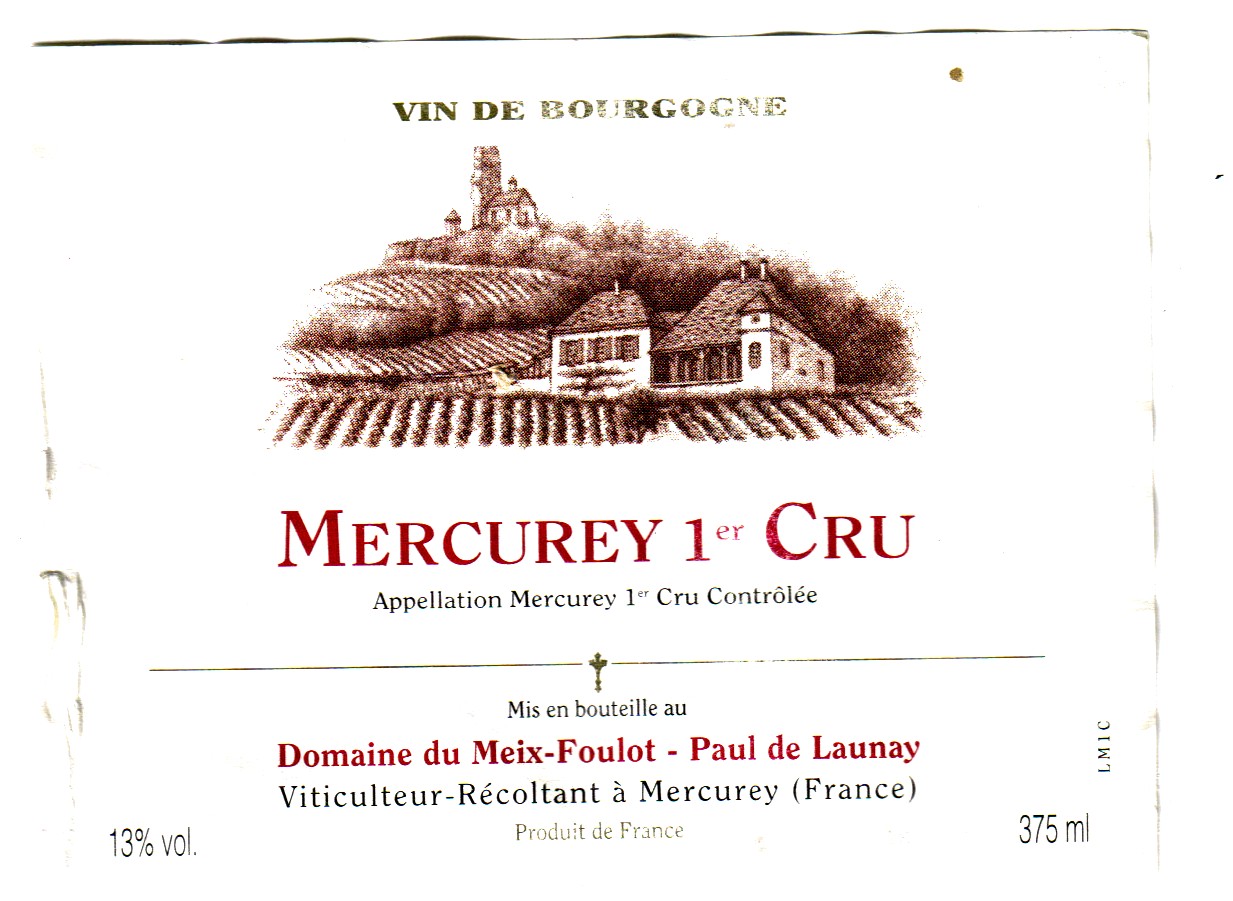
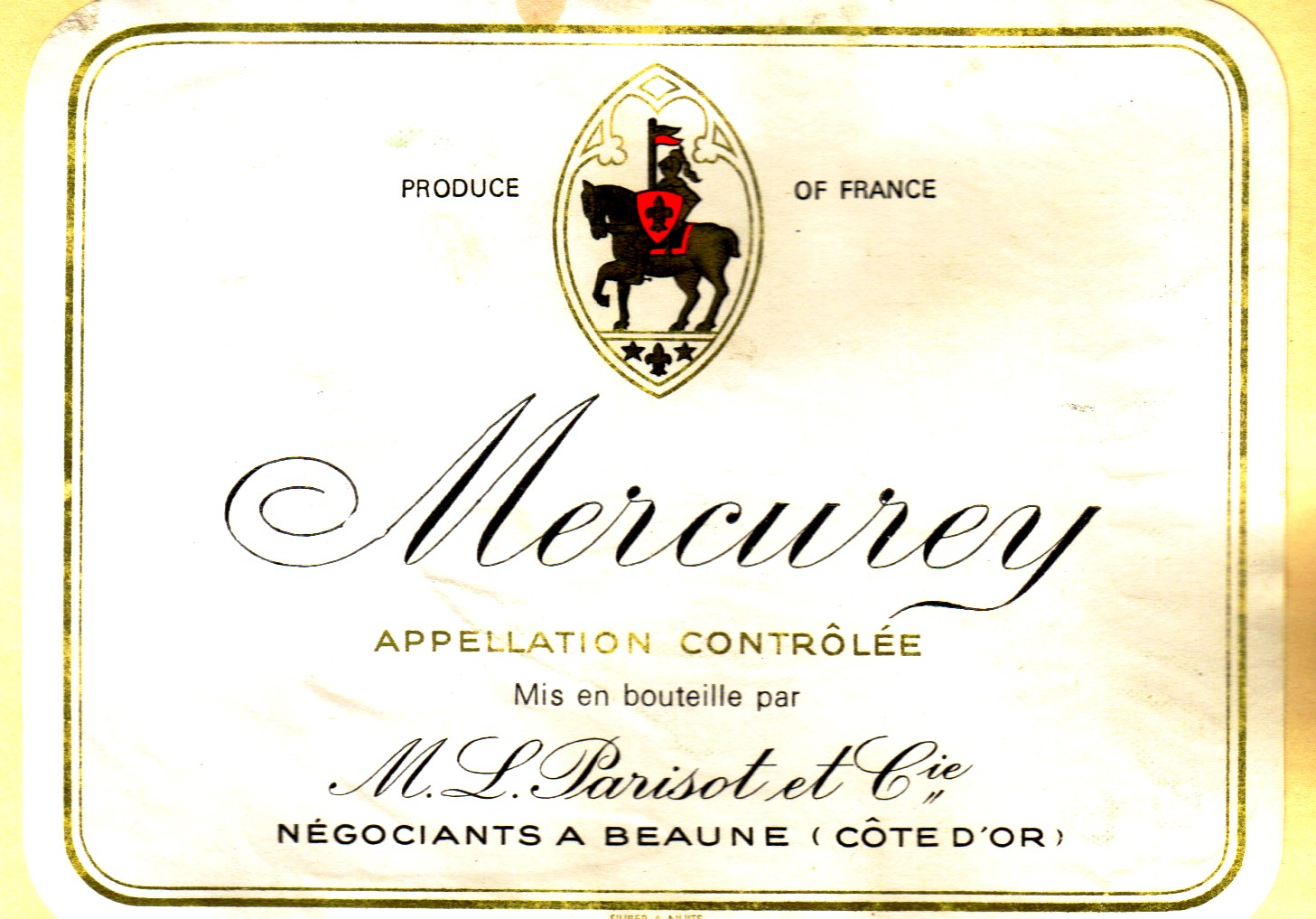
Chalonnais and Mercurey

The Southern Burgundy region of France is basically three districts; Beaujolais, Maconnais and Chalonnais.  I just discussed Beaujolais, and now I will give a brief chat about the Chalonnais.  This is probably the least known area of the whole Burgundy area, as it dwarfed by its neighbors to the north, and the ones in the south.  The area is referred to as the Chalonnais because of the city Chalon-sur-Saone.


The area is known for its red wines, using the Pinot Noir grape.  While making a very fine wine, the wine is lighter than the Burgundy wine districts, so they are in the shadow of their near relations.  The wines though are very attractive and not as dear as a Burgundy appellation, which makes them more affordable.


The two main villages of this area are Givry and Mercurey.  They are both under similar Appellation Controlee laws as the Burgundy region.  Givry produces small quantities of wine and is seldom seen here.  Whereas Mercurey produces almost as much wine as Gevrey-Chambertin or Pommard, so the wine is found sometimes on wine lists and better wine shops.  If you can find it, you will enjoy a most pleasant bottle of wine and your wallet will thank you.

Posted in Wine | Tagged , , | 2 Comments

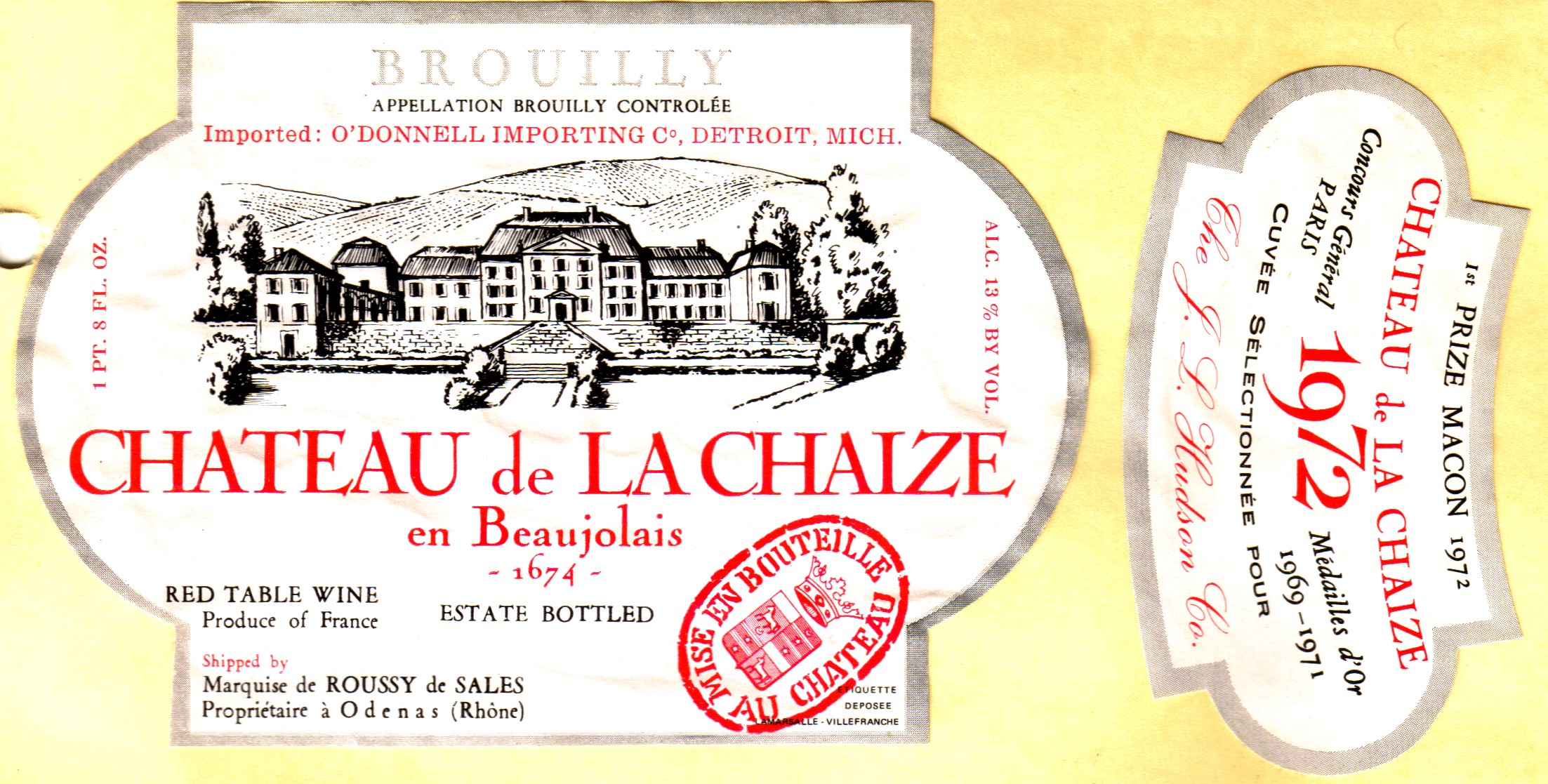
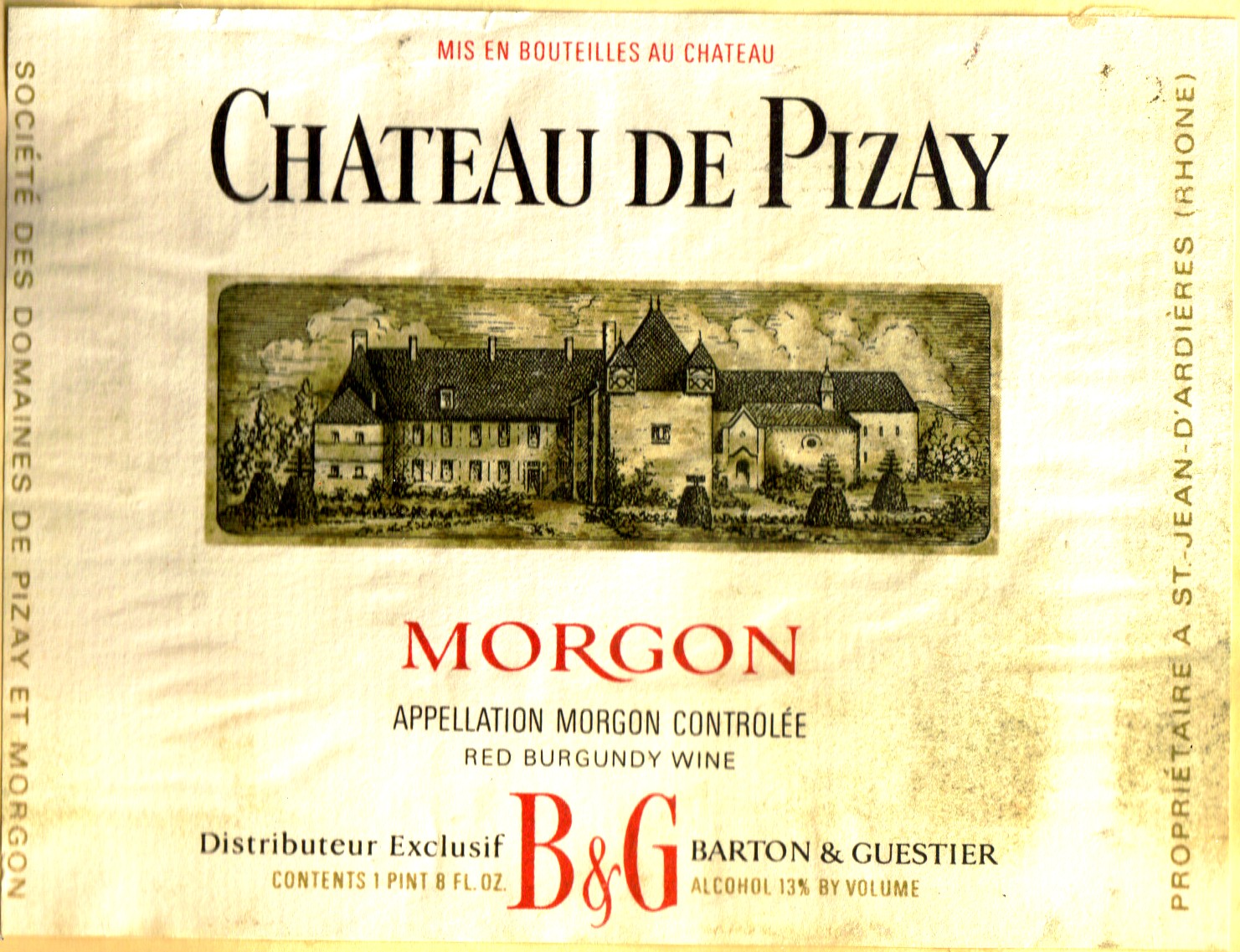
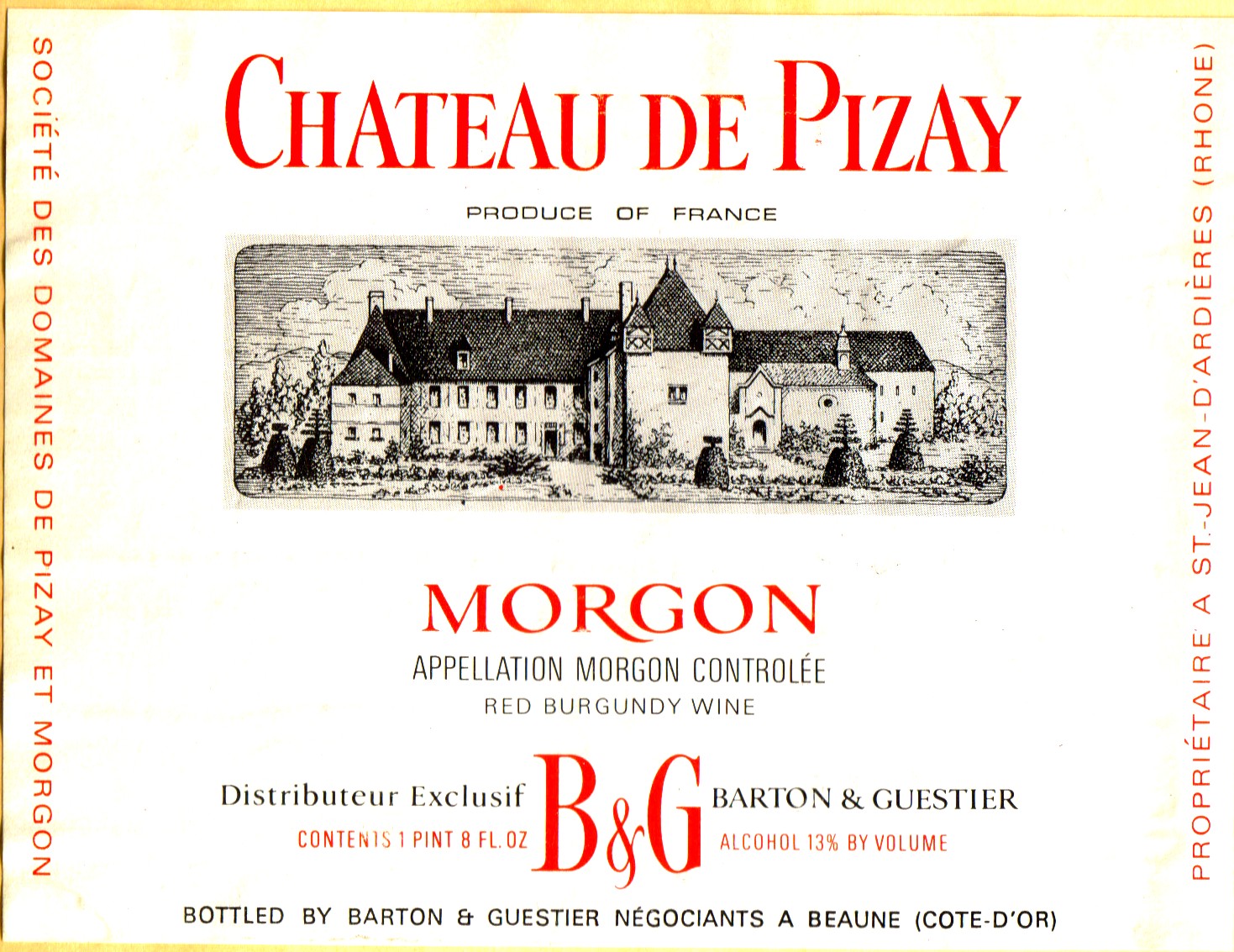
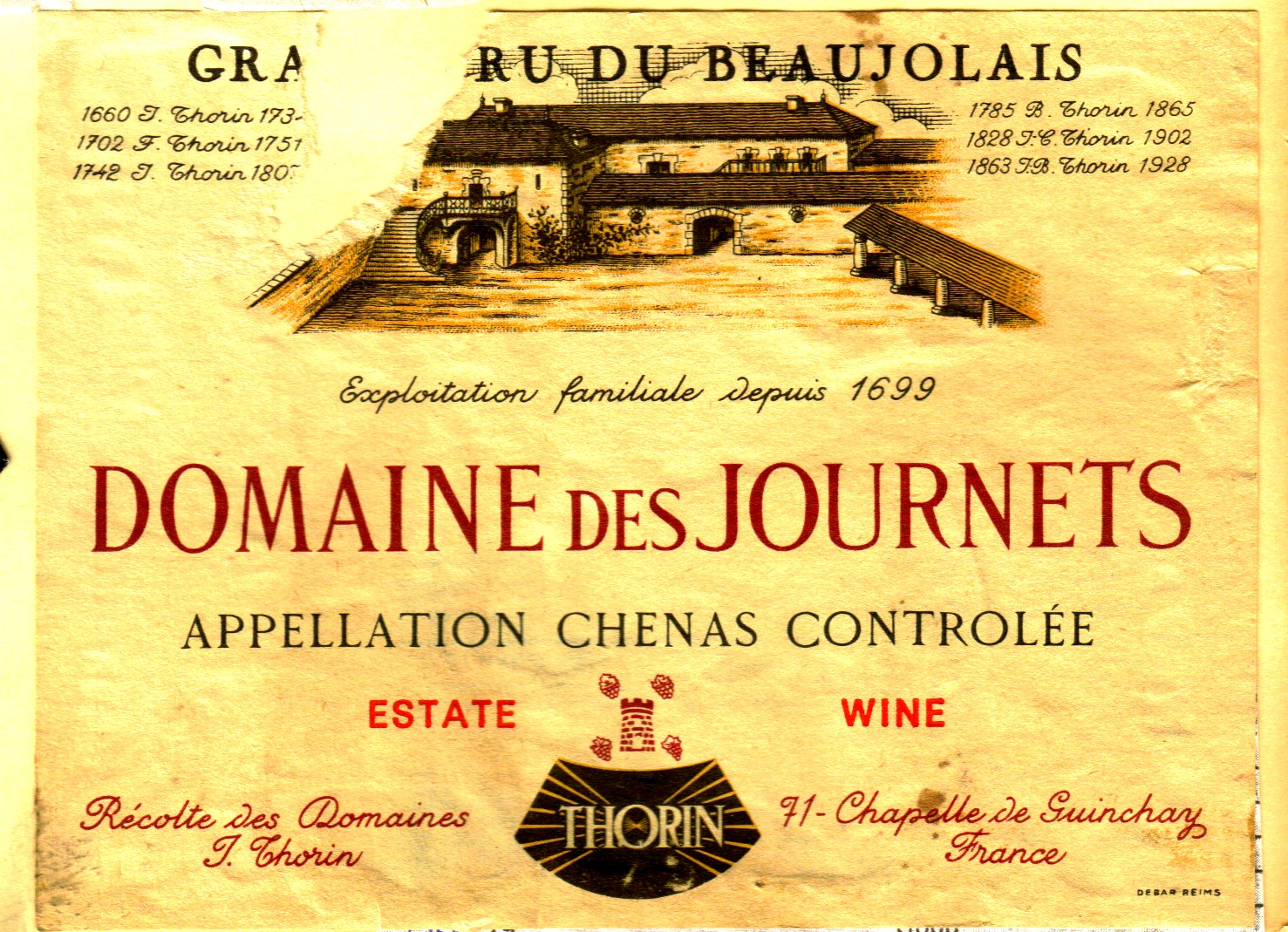
The Grand Crus of Beaujolais

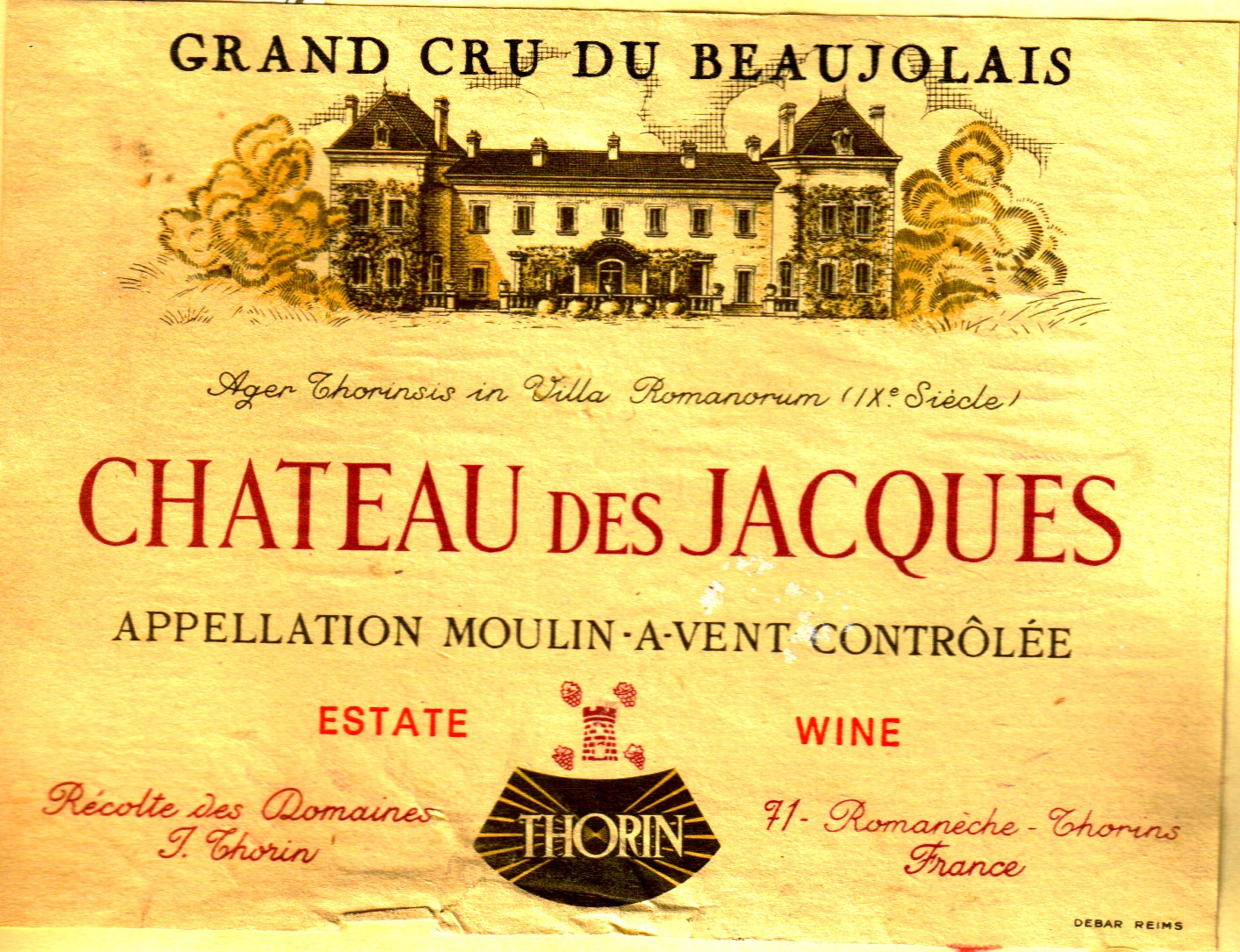
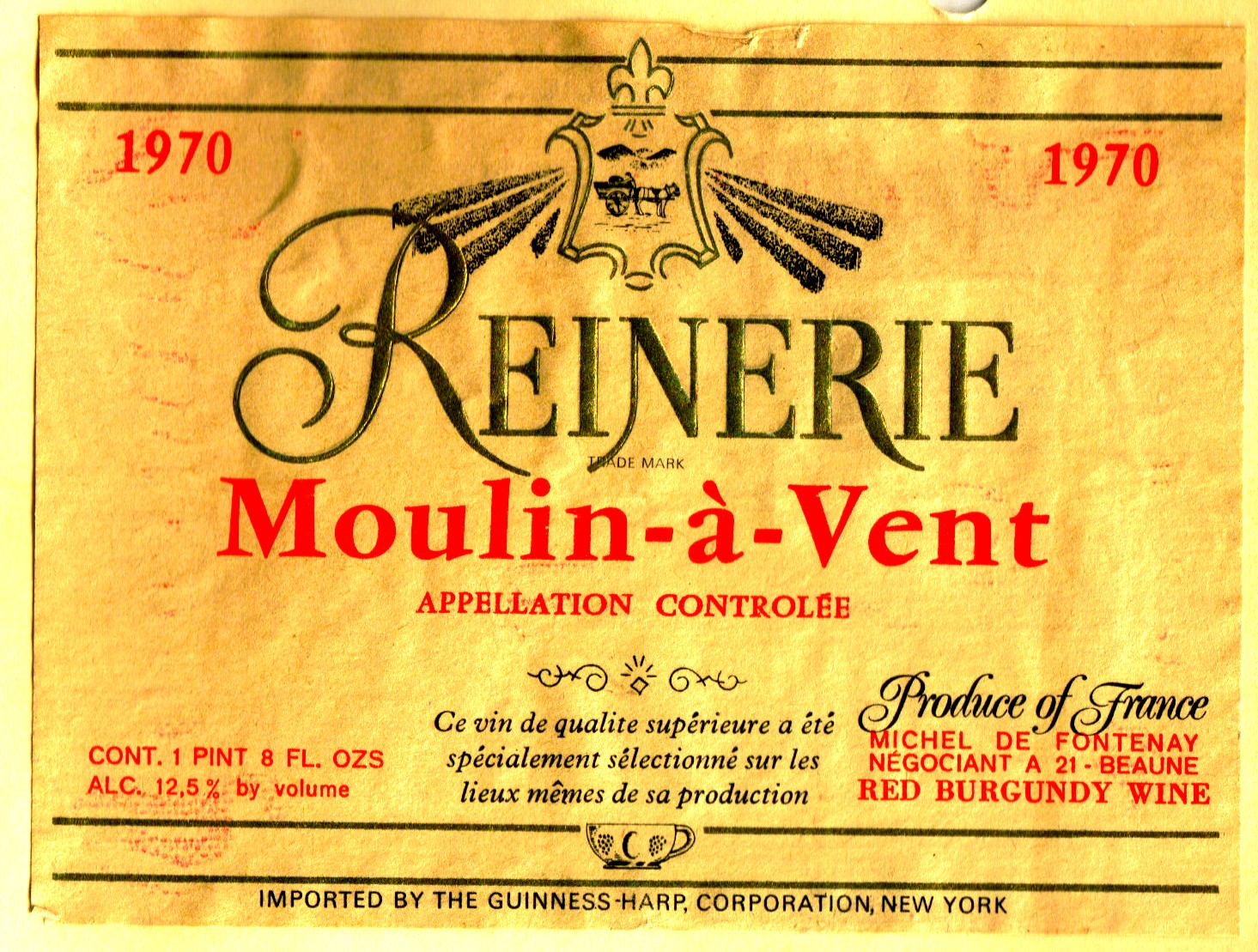
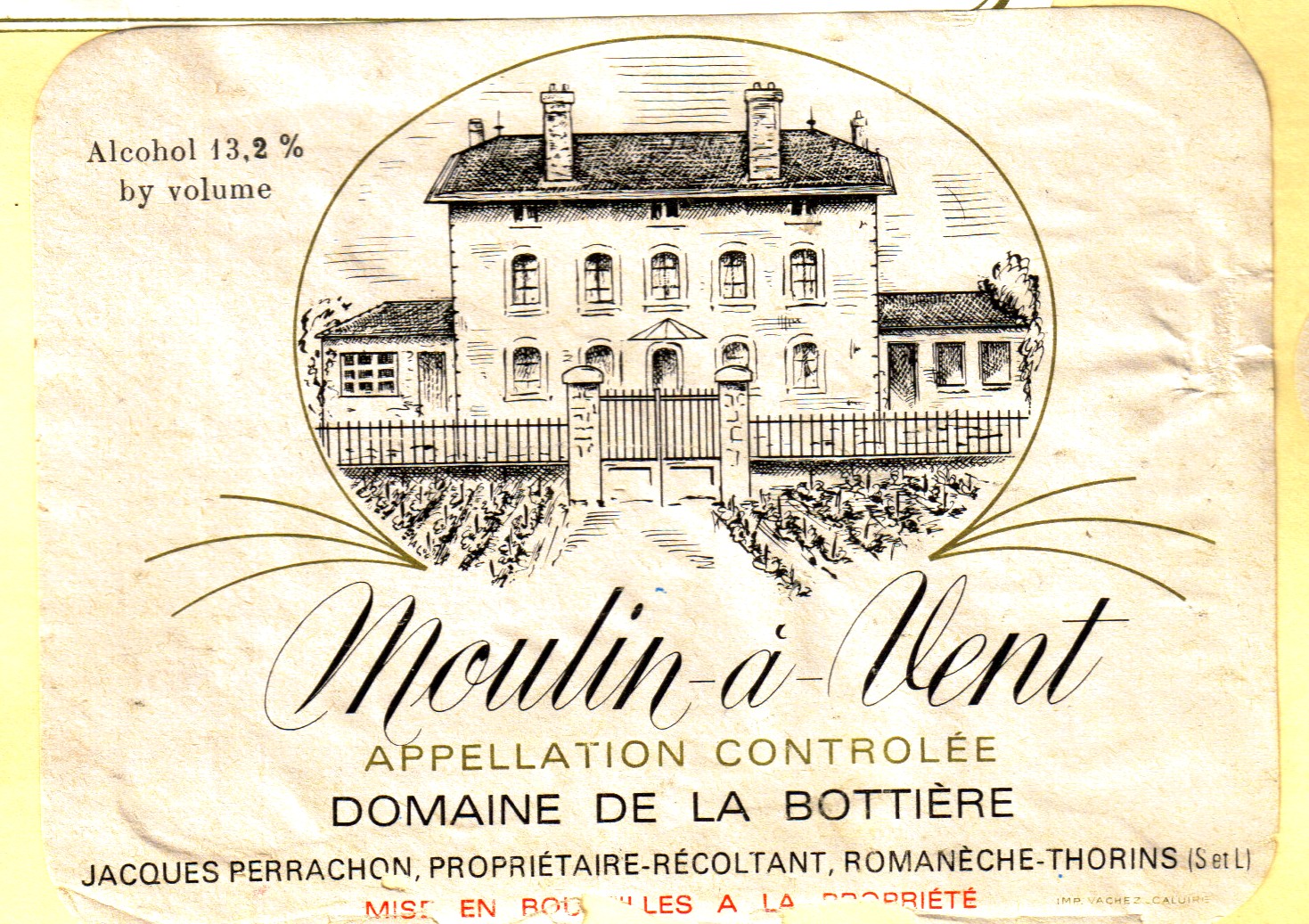
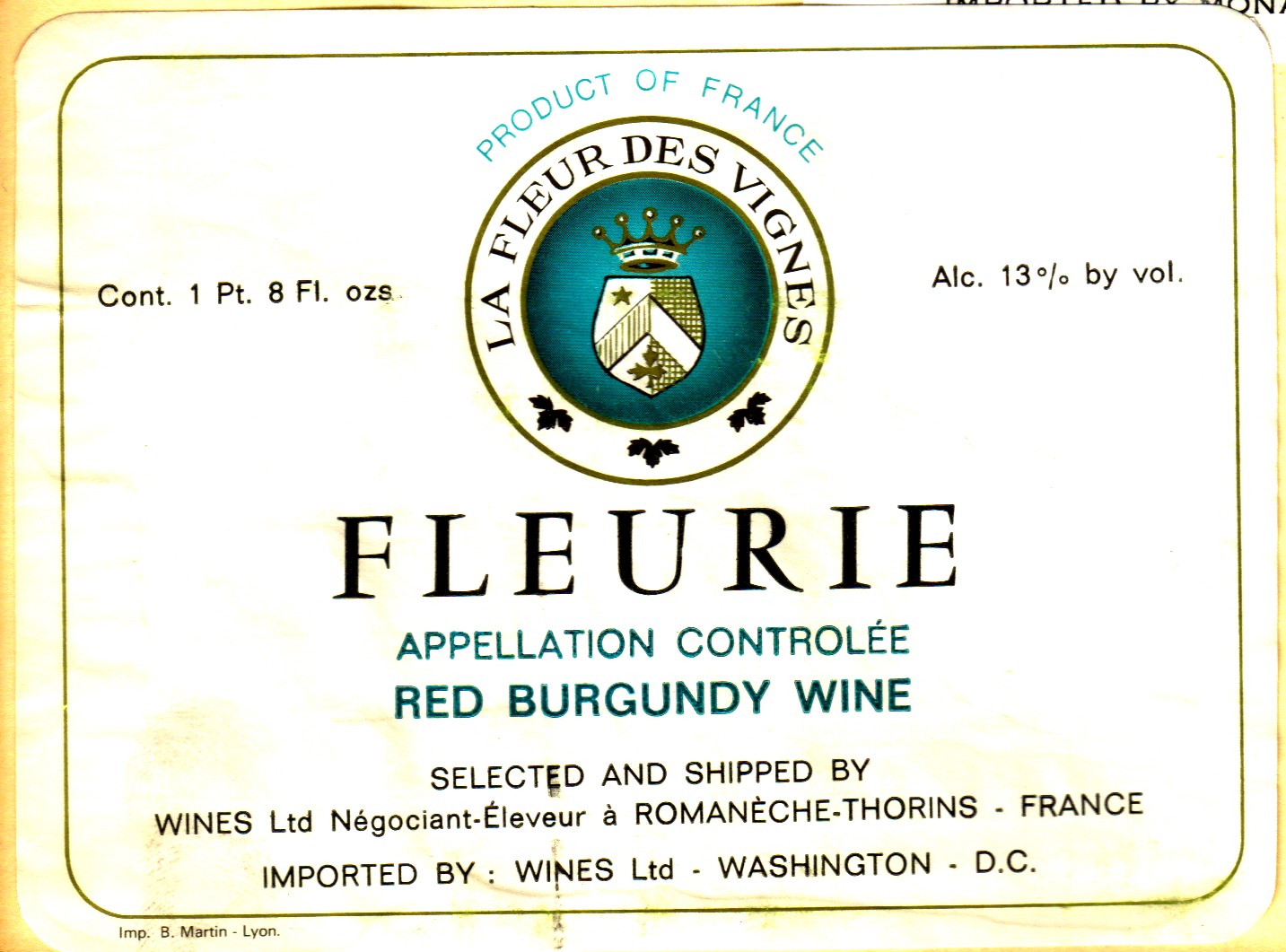
There are nine villages in the northern part of Beaujolais that have the Grand Cru designation and they are worth remembering, as they normally do not list Beaujolais on the label.  These nine villages account for about a third of the production of the area and usually are made with more finesse and may be cellared for a period of time; consequently they are usually more expensive than the bulk of Beaujolais wines.  The nine Grand Cru villages are Moulin-a-Vent, Fleurie, Brouilly, Cote de Brouilly, Morgon, Saint-Amour, Chenas, Julienas and Chiroubles.


Moulin-a-Vent is considered the sturdiest and longest-lived of the wines.  It can be paired with more complex dishes because of this reputation.  It is also has the largest production as the villages of Chenas and Romaneche-Thorins are entitled to this appellation as well.


Fleurie and Brouilly are known for lighter and more delicate elegant wines.  The Cote de Brouilly is an inner appellation for the slopes in Brouilly.


Morgon normally has a large production crop, but is seldom seen here and usually requires some aging time before it is ready to drink.


Julienas and Chenas are both known for displaying terroir and this gives them a difference among the Grand Crus.  Julienas wines can be found here, whereas a lot of the Chenas wines go under the Moulin-a-Vent designation.


Saint-Amour in spite of its romantic sounding name and Chiroubles are both wines that are not usually found exported here.

Posted in Wine | Tagged , , , , , , , , , | 2 Comments

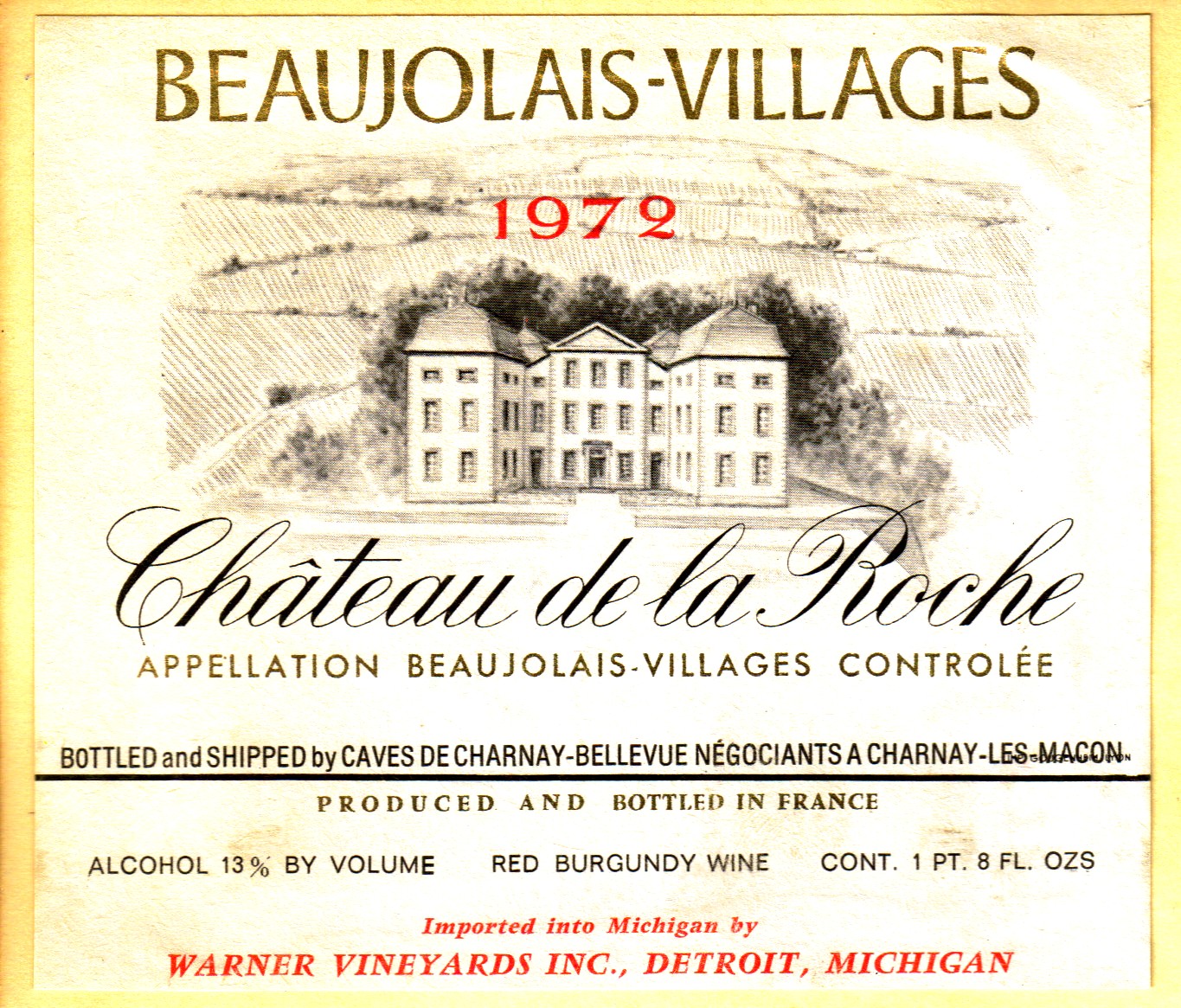
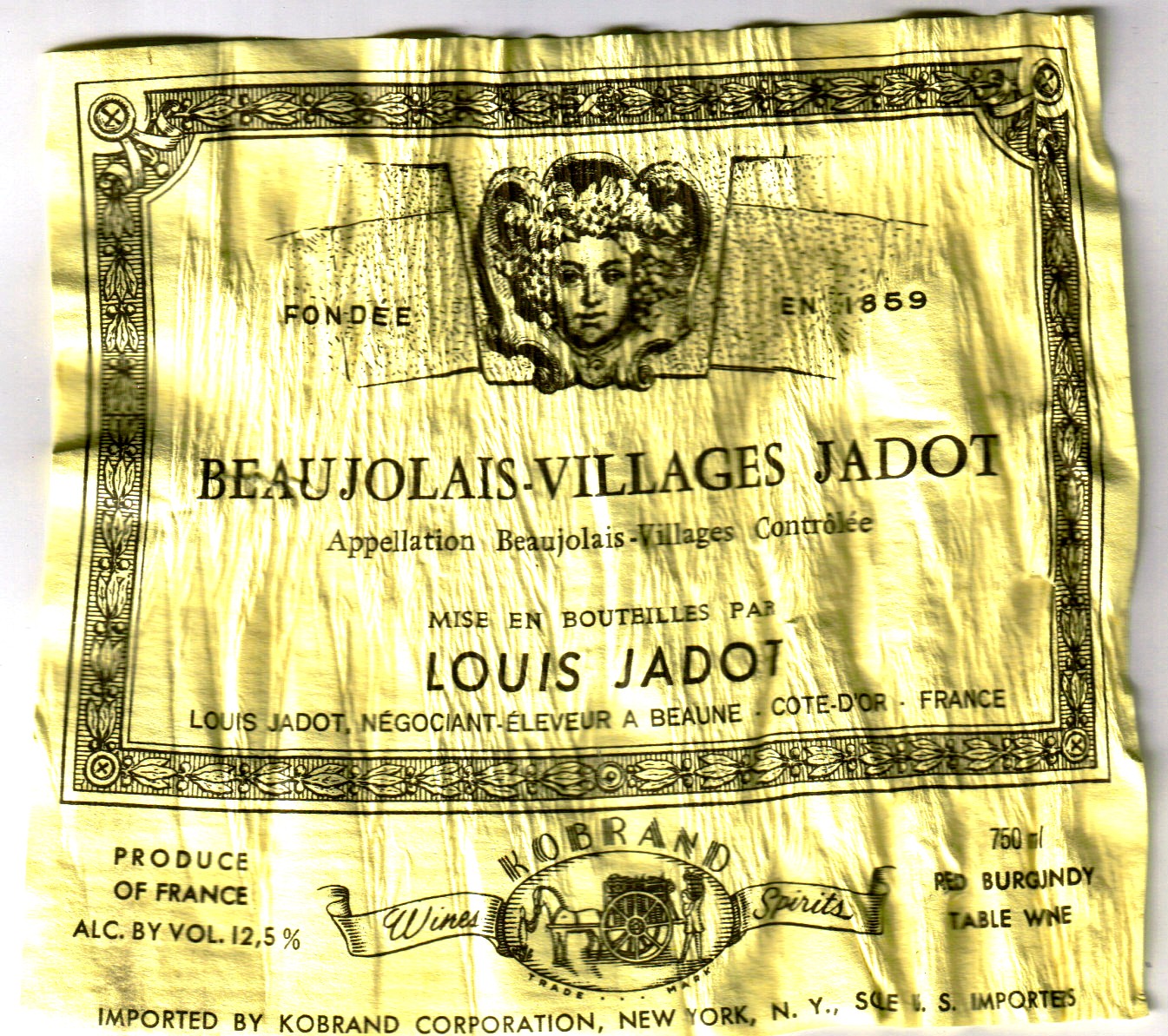
Beaujolais and Beaujolais-Villages

I guess that I am still in a Thanksgiving mind-set and I did not try any Beaujolais Nouveau wines this year.  I will talk about some of the wines from this district.  It is probably one of the most recognized names for wines from France and in general may very well out-sell all other wines by district here in the states.   The wines are made from the Gamay grape, which while not a popular varietal in other districts, has blossomed and flourished in the Beaujolais area.  The name is from an ancient village of Beaujeu, which has not endured as a center of commerce, but has still lent its name to the area; actually the center of the wine trade for Beaujolais is in the village of Villefranche which is more or less the geographic center for this district.


There are designations for Beaujolais, Beaujolais Nouveau, Beaujolais Superieur, Beaujolais-Villages and the nine individual Grand Crus.  I discussed Beaujolais Nouveau earlier.  The only difference between Beaujolais and Beaujolais Superieur is that the Superieur has a higher alcohol rating, and if the label states that designation they are taxed at a higher rate.  In reality all of the Beaujolais that is seen here is of that quality without stating it, as the higher alcohol makes the wine travel better.


The basic Beaujolais is the majority of the wine produced, as there are many areas that do not have a better designation and they are sold to blenders to maintain a certain taste year after year.   There are about twenty major cooperative cellars and this is the bulk of production.  Since most of the producers are not a “name” chateau or domaine, the generic labels is the norm, instead of an individual estate.  The vatting of the wines is normally limited to three days, so that a minimum of tannin is imparted to the wine, because the wine is expected to be drunk soon and not for extensive cellaring.


There are about thirty-five villages that are known for better crops and these are the wines that are blended for the Beaujolais-Villages designation.  This group accounts for about twenty-five percent of the production of all of Beaujolais.  Consider all of these wines as a tacit Beaujolais Superieur designation.  These villages are not normally listed individually on the label, where as the Grand Crus of Beaujolais are and that will be another discussion.

Posted in Wine | Tagged , | 2 Comments

Thanksgiving, A Second Day

My Bride made so much food for Thanksgiving and even with giving away food as people left, we still had so much, that she invited everyone back for dinner Saturday evening as well.   With all the family and the out-of-towners we had plenty of acceptances.  To make sure that there would be ample food and not just leftovers, my Bride also made pork tenderloin and full beef tenderloin and I carve both of them into medallions for dinner as well.


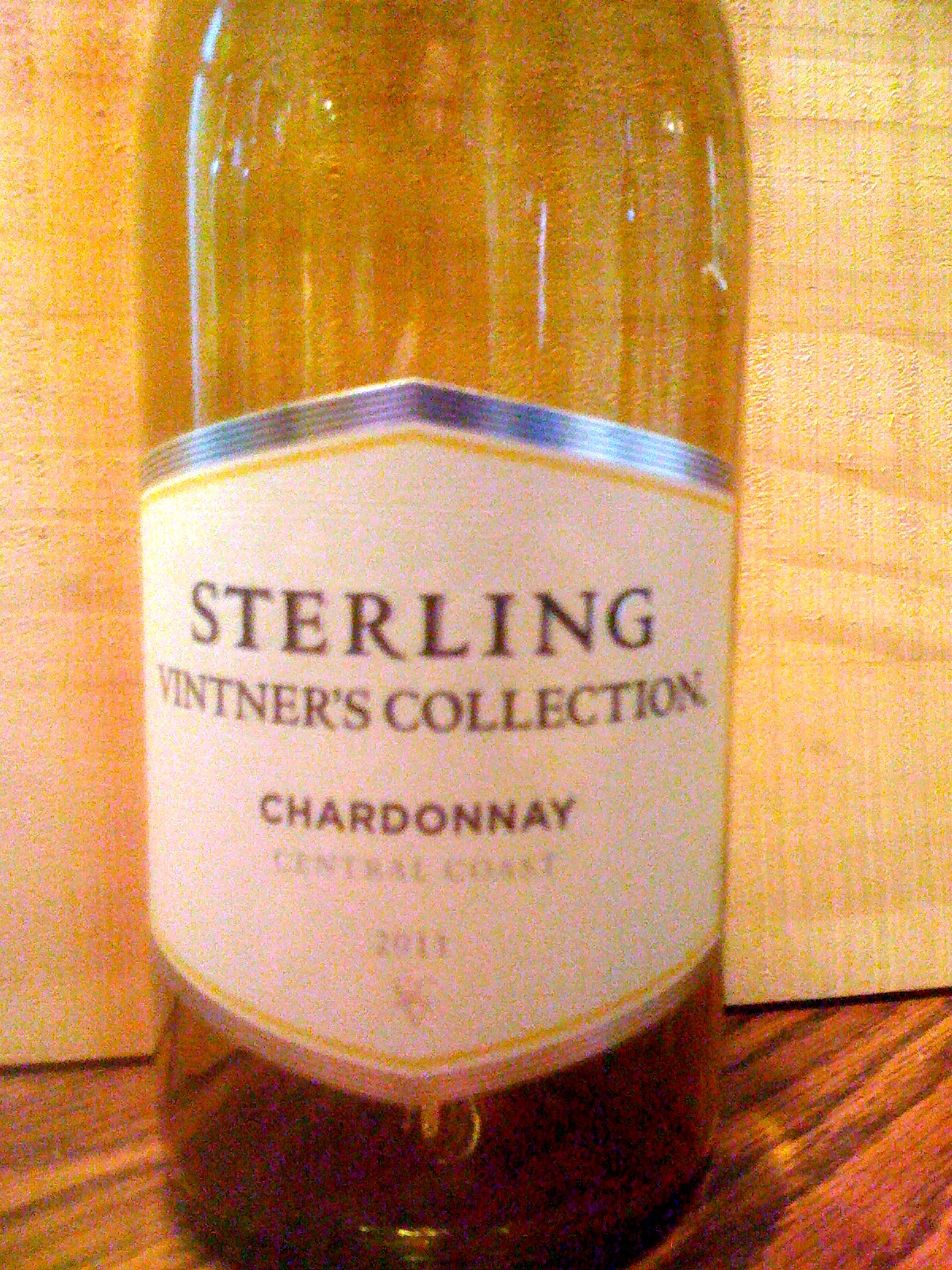
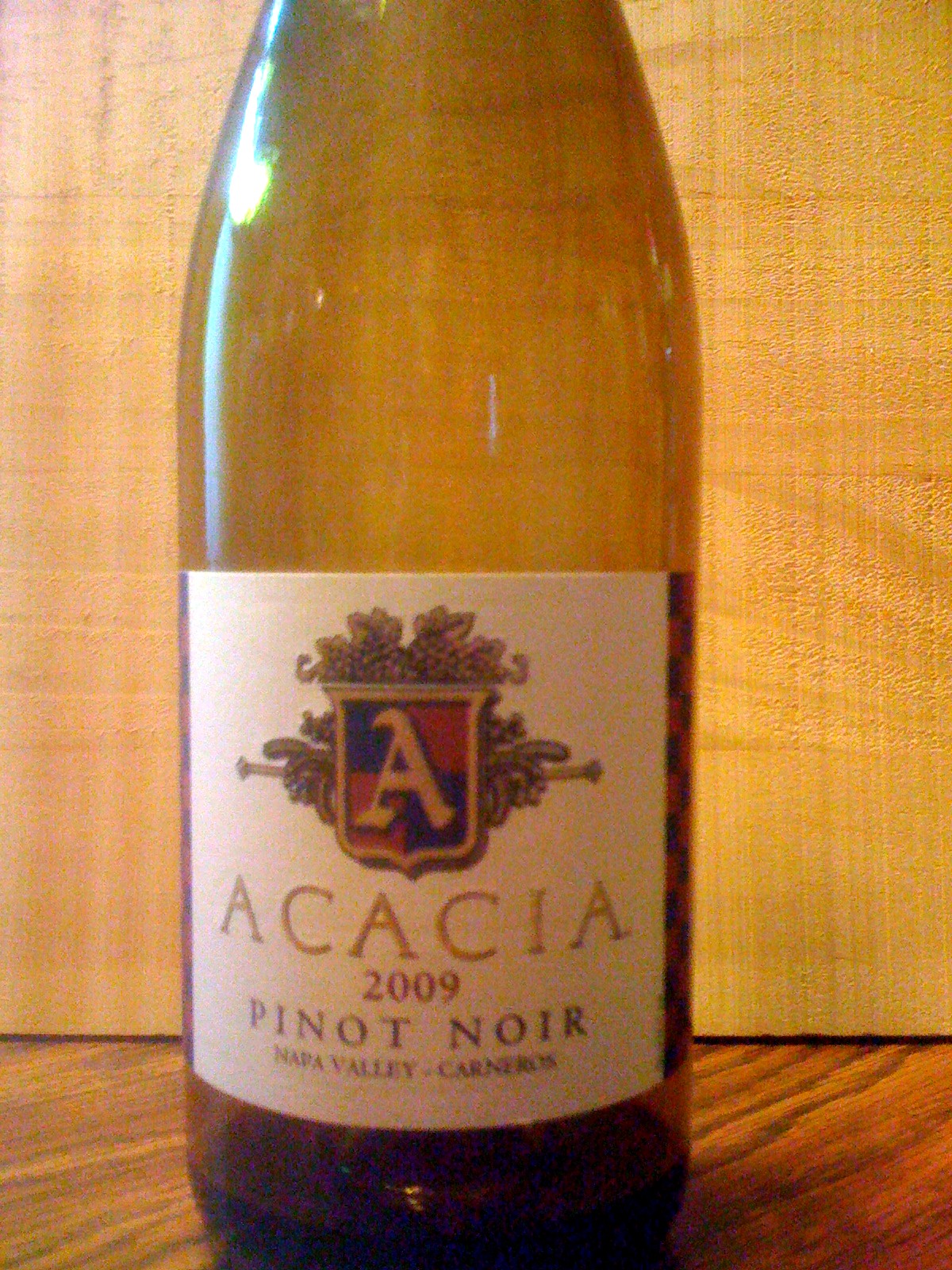
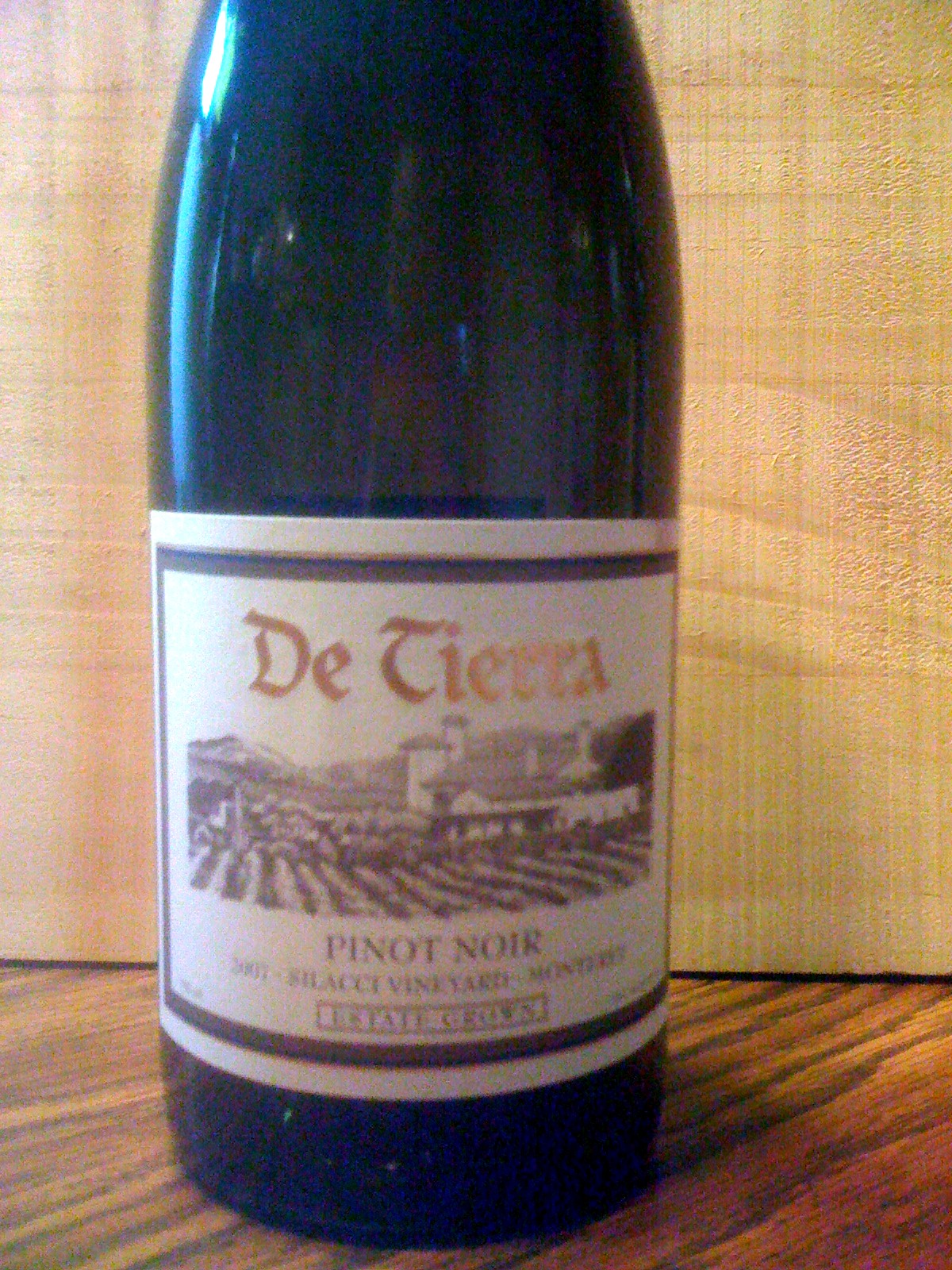
Since we had just bought a case of the Sterling Chardonnay that is how we started the festivities off for the evening.   My brother-in-law then opened up a bottle of Acacia Pinot Noir 2009 from Napa Valley/Carneros which had a surprising amount of fruit to the taste.   I followed his lead with a bottle of De Tierra Silacci Vineyard Pinot Noir 2007 from Monterey.  This wine had the richness and body that we both expected from a Pinot Noir wine and I am sorry that I did not have another bottle of it to open.


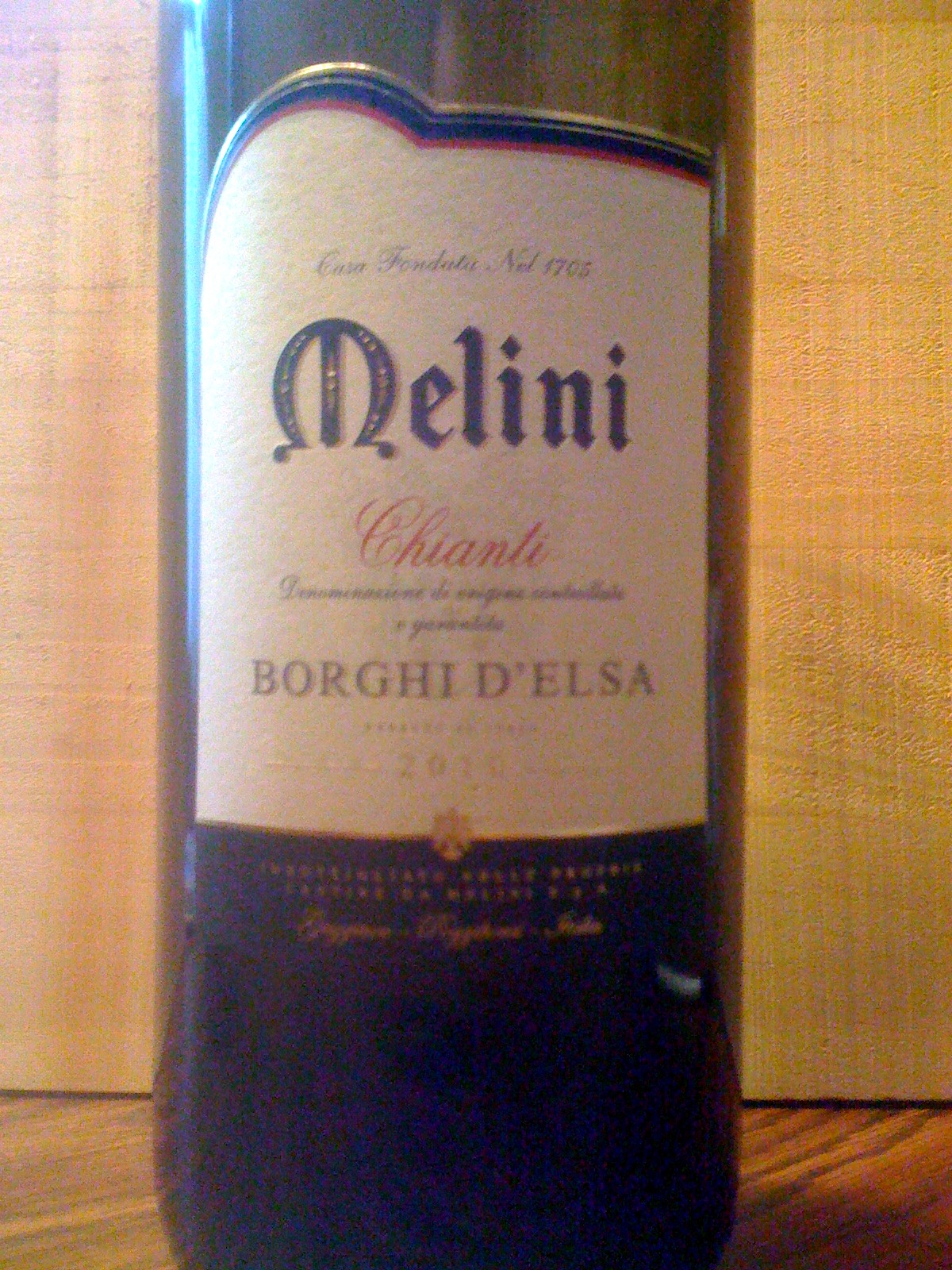
What I did have to open was a wine that I had wanted to open during the Thanksgiving dinner, because I had wanted to try it with the turkey.  This is a wine that was touted by a fellow wine blogger “The Winegetter” (http://thewinegetter.wordpress.com/) and Oliver made this wine so tempting that we bought a handful of magnums of it, just on his write-up.  This wine was a Melini Chianti 2010 that was just mellow enough to work with all of the food being served and on into the evening as well.  It was even more enjoyed and got more people interested when I told them how affordable the wine was.


All in all it was another good evening of food, family and good wine.  That is what holidays and memories are made of.

Posted in Dining, Wine | Tagged , , , , , , , , , , , , | 2 Comments

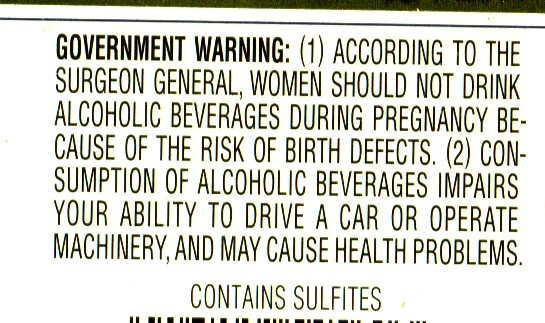
“Contains Sulfites”

This ominous warning on wine labels has been brought to my attention by people over the years as something to avoid.  They claim that they get headaches from wine and sulfites are the reason.  When pressed they have no reason to be against sulfites, but if they are in wine, then it can not be good.

The term sulfites are an inclusive term for sulfur dioxide, a preservative that is used in most winemaking (it is also used in most of the food industry).  It is an antioxidant and it has antibacterial properties and its main use is in keeping the wine’s “freshness.”  For most people the consumption of sulfites is harmless (people who suffer from severe asthma or are lacking in the enzymes in the body to break down sulfites are at risk).


In the United States of America, wines bottled after mid-1987 had to have a label stating that they have sulfites if they contain more than 10 parts per million in testing.  The European Union required the same regulation in November of 2005.  Sulfites occur naturally in all wines to some extent as they are used to arrest fermentation at a particular point, and may be used at another point in the winemaking to prevent oxidation and also bacteria.  Without sulfites the grape juice would become vinegar.


People attribute sulfites as the cause of headaches especially in red wines and the funny fact is that white wines, especially dessert wines have more sulfites than red wines.  Most dried fruit has more sulfites (average of 1000 per million), so if you can eat dried fruits without a headache, you can enjoy the wine safely (I would surmise).  Red wines go through a process called malolactic fermentation, which requires less sulfites, but the tannin and histamines that are a natural by product of fermentation may cause headaches, not to mention there is alcohol in wine.  Others feel that it is not a natural substance, but in fact sulfites are a natural by-product of yeast metabolism that occurs during fermentation.  There is also the problem of shelf life for wine; some wines may become unpalatable after only six months of storage with out the sulfites.  The term “made from organically grown grapes” is seen more often, than “organic wine,” which means that there is no additional sulfur dioxide added.

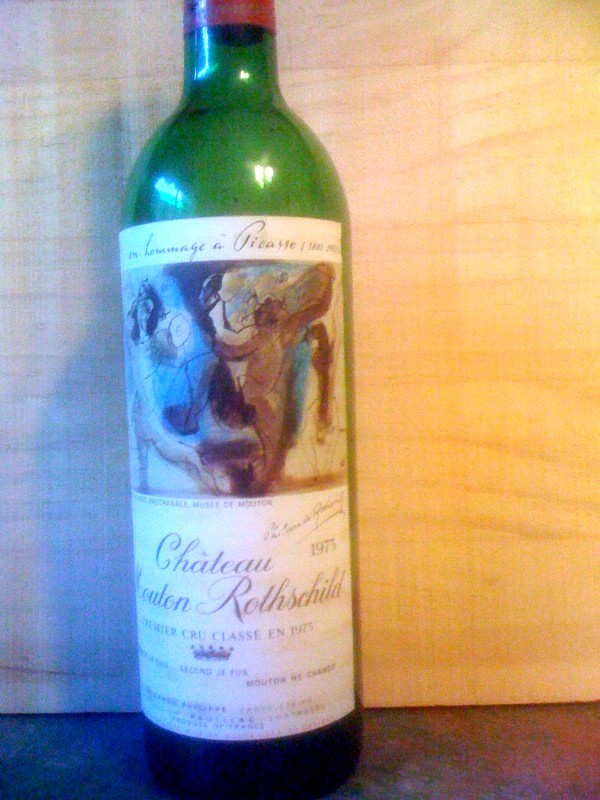
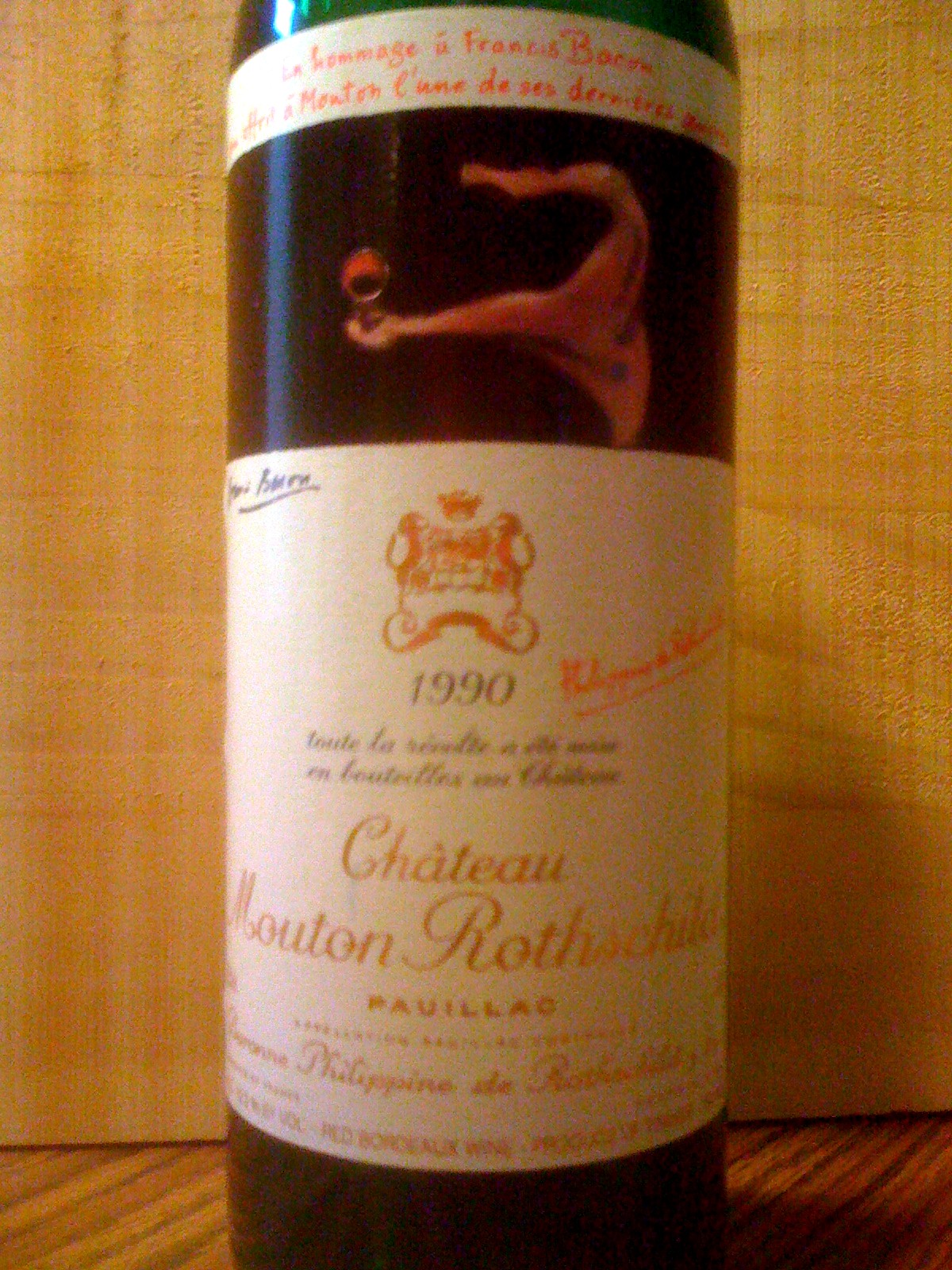
I am showing two bottles of Chateau Mouton Rothschild (front and back) to show how in the old days there were no labels with a warning to the new labels with a warning.  Personally I feel that it is much ado about nothing, but then I do not have asthma, but please do not feel that I am being cavalier.

Posted in Wine | Tagged | Leave a comment

Tannin

I recently received a message from one of my readers asking me, “What is tannin.”  In spite of the classic Lucille Ball episode where she is crushing grapes in her bare feet, this does not really occur.  They have far superior methods of crushing the grapes.  Most grape juice from crushing is a clear uncolored liquid.   The grapes are crushed with the skins, seeds and stems and the semi liquid state is allowed to sit, as there are natural yeasts that promote the fermentation of the juice.  This sugar/water solution ferments into alcohol/water solution.  The amount of tannin and coloring matter is absorbed from the skins and this is determined by the wine maker, as to how long this mixture is left to sit.  This is called vatting or in French cuvaison which can be from two or three days to two or three weeks.  As an example most Champagne wine is made from black grapes, the grapes are pressed immediately before the skins can tint the solution.  Rose wines may sit for a couple of days to get that pink tint  (though sometimes a Rose may be made from blending red and white wines together).


The important step for the winemaker is to control the fermentation process and it the liquid may go from vat to vat to remove impurities along the way.  This is a step by step process to convert the juice into alcohol.  Red wines are “fermented out” dry until there is only a slight trace of sugar left in the wine.  That is why red wines are referred to as dry wines, and it is the amount of tannin or acids that makes one wine drier than another.  White wines are pressed immediately and the juice ferments away from the skins.  That is why white wines have less tannin.   Tannin is an important constituent of the fine red wines and which makes some of them to have a “puckerish” taste when they are young.


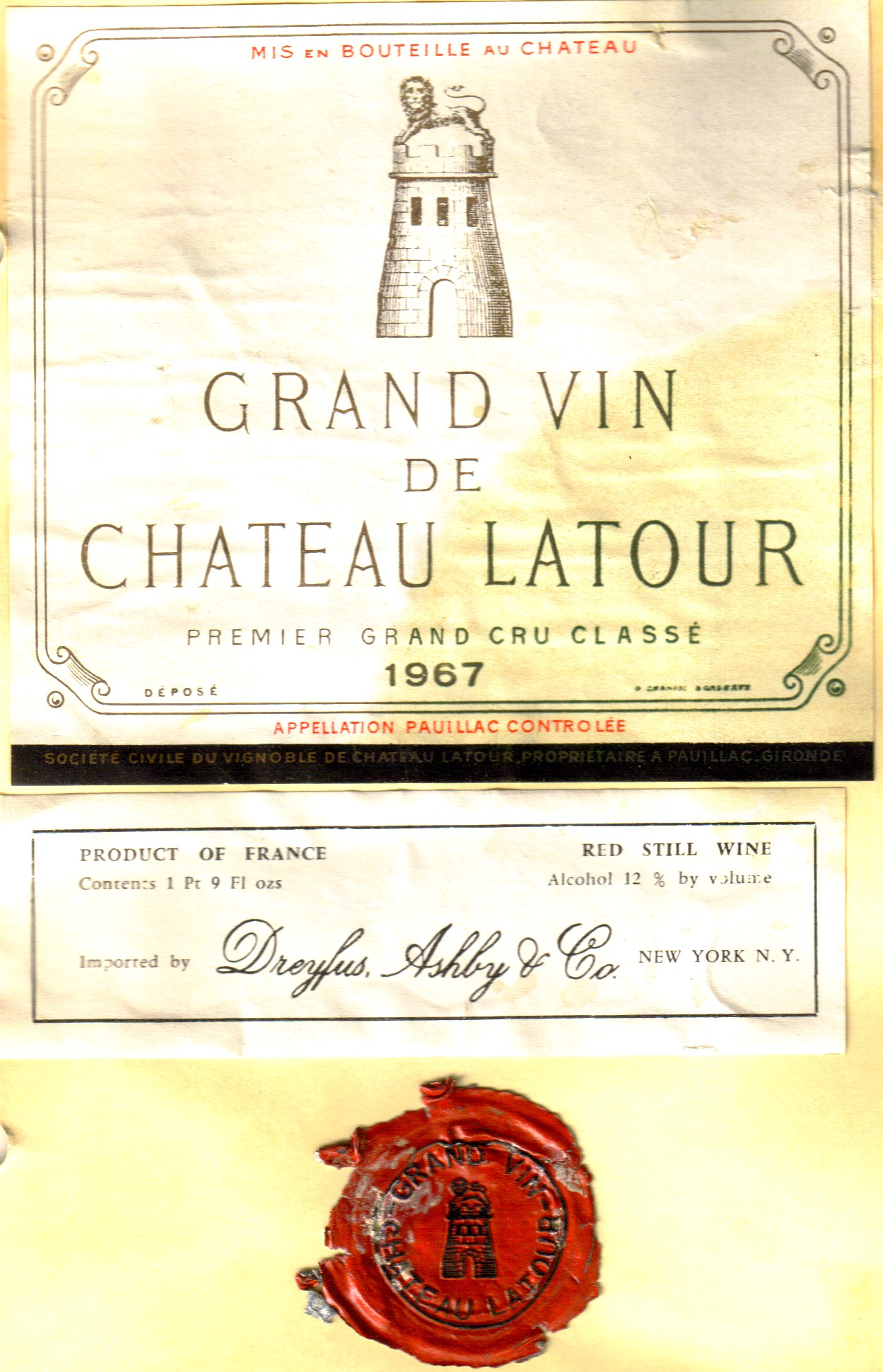
This is a very brief and non-in-depth discussion of a part of the wine making procedure.  Now to give two examples of how tannin enhances a wine and eventually makes it mellow, and the reason you hear about cellars with old wine bottles.  The other day on Thanksgiving we opened a bottle of Chateau Cheval Blanc 1986 and I remarked about how the tannins had faded or mellowed out and there was still fruit in the nose and the taste of the wine.  This was from a wine that was twenty-six years old, and I may add that it is one of the finest examples of a First Growth from the Saint Emilion district.  Now I will compare that to a Chateau Latour 1961, a First Growth from Pauillac from the Medoc.  When we opened this bottle forty years later, everyone at the dinner was amazed at the amount of tannin that was still evident in the wine.   We called it feisty and had determined that the wine was opened too soon, and as a further tasting note on this wine, my Brother-in-law that had this wine as well as another bottle that he opened ten years later, said that at the age of fifty the tannin has mellowed and that it was the most wonderful bottle of Chateau Latour that he had ever had.  As a side note, I do not have the label from the Chateau Latour 1961, so I am showing a later vintage label from the winery.  The two empty bottles have a cherished location in my Brother-in-law’s cellar.

Posted in Wine | Tagged , , , , | Leave a comment

A Thanksgiving Feast that Bacchus Would Have Enjoyed

Well the dust is settled from another Thanksgiving meal, and it was a true pleasure to watch my Bride as a whirling dervish overseeing all aspects of the meal.  I had acquired a bug two days ago and with medications I was able to enjoy the day, although in an abbreviated fashion.  Not only did we celebrate Thanksgiving, but the joint birthdays of the November honorees, we also celebrated our in-laws from Louisville anniversary.   We had a packed house, even if those that were watching the Lions were not happy with the outcome.


We started off with an assortment of cheeses for everyone to munch on, until the main courses were finished and everybody could get there fill.  My Bride made a turkey and a leg of lamb as the main entrees for dinner.  There were also a couple of salads, vegetable dishes, mashed potatoes and sweet potatoes, and two kinds of stuffing.  Our one son that lives locally had wanted us to brine the turkey, but my Bride and I vetoed that wish, because why take a chance when my Bride makes the best turkey I have ever had, and consistently over the years.  So we brined a chicken to appease our son.  Consequently we ended up with three gravies (lamb, chicken and turkey) which I enjoyed over the potatoes, stuffing and the Armenian Pilaf.  After all the food was cleared we enjoyed desserts.   There were an assortment of pies, and Birthday Brownies.


We started off with Sterling Central Coast Chardonnay 2011 as a white wine is a great way to start off any meal.  I was going to try a different wine for the dinner, instead of our usual Beaujolais Nouveau or Pinot Noir wines which I enjoy with turkey.  Instead my Brother-in-law from Louisville had brought a couple of wines to celebrate his anniversary, so we began with a Caymus Vineyards Cabernet Sauvignon 2000 from Napa Valley.  I joked with him, “what no Special Select” and he lamented that he has none left in his cellar, but any Caymus is a worthy wine, and if that was the pinnacle, it would have more than sufficed.


My Brother-in-law really wanted to celebrate his twenty-sixth anniversary and we decanted a wonderful bottle of St. Emilion First Grand Cru, namely a bottle of Chateau Cheval Blanc 1986.  We took the wine over to a quiet section of the house to uncork the wine and to decant it.  The first surprise was that the cork came out intact, and then when we decanted the wine, there was surprisingly little sediment so we lost very little of this fine wine.  We allowed it to breathe for about an hour before dinner, far from the maddening crowds.  The tannins had mellowed on this wine, but there was still an abundance of fruit in the nose and in the tasting.


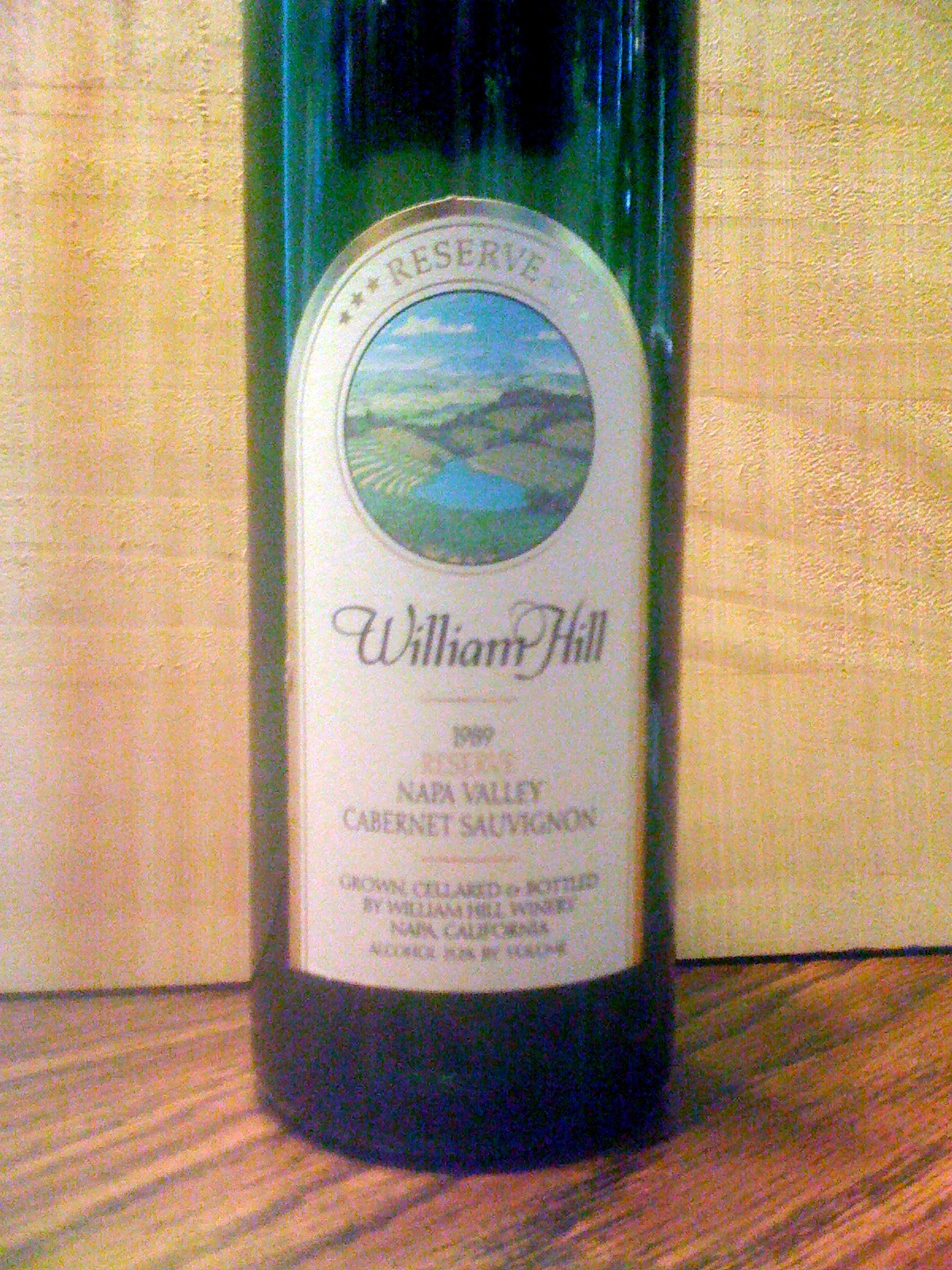
Afterward there was still a bit of thirst, and I went down to my cellar to get another bottle of wine from the eighties in keeping with his anniversary.  I brought up a Cabernet Sauvignon from Napa Valley.  It was a William Hill Reserve 1989.   The cork broke halfway which necessitated decanting this wine as well.   We were surprised at how much tannin was still in this wine, as well as the fruit.  We had anticipated less tannin, but it just goes to show you that some vintners when they claim “reserve” mean it, and it is not just a marketing ploy.

Posted in Dining, Wine | Tagged , , , , , , , , , , | 4 Comments