We were looking forward to another virtual wine tasting courtesy of snooth.com and the house was in kind of a turmoil. I get nervous, because I will be on the same stage more or less with many other wine bloggers that have attended blogging seminars and trade shows and sommelier training. I am an amateur, albeit with decades of self-taught wine learning, but I was looking forward to it. I mean there were several writers that I am acquainted with, through their writings, and from past virtual wine tastings I discovered that I knew others who are only interested in the numbers games on Instagram and follow you, just to un-follow you shortly after, in hopes that you won’t discover the deceit. It takes all types of individuals and since I do not make a living from the industry, I still look at wine as fun and enjoyable.

My Bride had invited a couple over for the dinner before the wine tasting would begin, even though I would not be the most social person, once the virtual taste began, because I would be tasting and typing as fast as I could; while I am a brilliant social drinker (in my humble opinion), I am not a brilliant typist (I self-taught myself during my eighth grade Christmas vacation, because I had found my mother’s old typing textbook from her day’s in high school). We started in the living room with some appetizers of sliced smoked salmon, cheese and crackers and a liver and mushroom pate. We then moved to the dining room for the dinner and we started out with my Bride’s fantastic Caesar Salad and onion rolls. For the entrée she had prepared a roasted pork tenderloin with sides of spaghetti squash and Parmesan roasted potatoes. She had stopped at a bakery to get some individual sized assorted pastries for dessert.
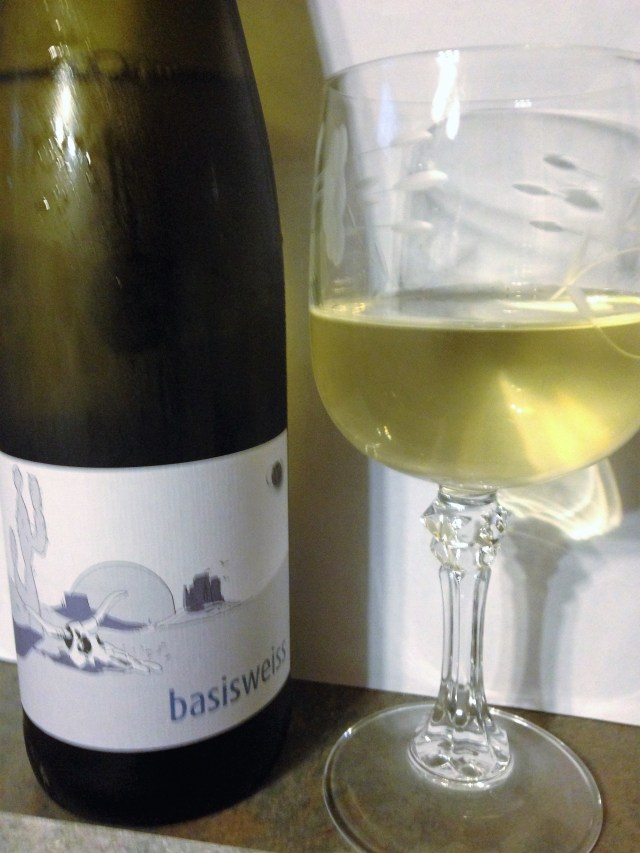
The wines were chosen to accentuate the theme of the evening. For the appetizer phase we had a bottle of wine that we had purchased after a prior virtual wine tasting that we done with snooth.com. We opened up a bottle of Weinreich Basisweiss Grauburgunder Trocken 2017. Grauburgunder is the local name for Pinot Gris, which make sense if you break down the German name into two parts. If you notice the first three wines all had the term trocken, which just means dry, as the wine has not been sweeten, which can be done. This wine was another Qualitatswein and it is from the Rheinhessen. The Rheinhessen starts where the Pfalz ends and between the two districts, it accounts for almost half of the vineyard acreage of Germany, mostly shipper’s blends as in Liebraumilch. The winery is located in the village of Bechteim and they have fifteen hectares of vines. I found the wine to have a soft straw color with a soft nose. The wine as it warmed up a bit, it opened up with some layers of interest, with some good acidity and a nice long finish. Then for the entrée portion of the meal, we opened up a bottle that we had recently received as a gift from one of my Bride’s cousins and it was from Lodi, and that was very fitting. We were having Thomas Allen Selections Cabernet Sauvignon Lodi 2016. Thomas Allen is owned and operated by third generation wine-grape growers, Thomas Michael Stokes and Allen Lombardi. The Stokes family planted the first forty-five acres of Zinfandel near Lodi in 1954. Allen Lombardi was a home winemaker in New Jersey and began sourcing from the Stokes in 2001 and thus it began. I could not find any notes on this wine, even on their website, but whatever they are doing, they are doing it right. I had opened up the wine when we had started the appetizers and when I poured the wine into the glasses, I could catch the nose even then. I detected black fruits first from the nose and then during the initial taste with a nice lingering finish of black cherries and a bit of spice. I normally do not look up the price of a gift bottle of wine, but this wine was so balanced and full-bodied that I think we could use this as a go-to wine, because it delivers and is very well-priced, actually it may be underpriced for the quality. I had to leave some of the conversation during dessert to get ready for the wines of Lodi coming next.
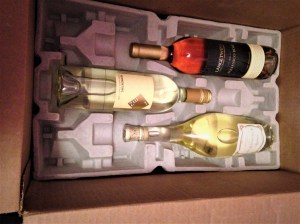
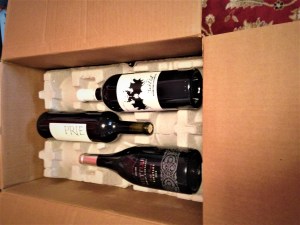
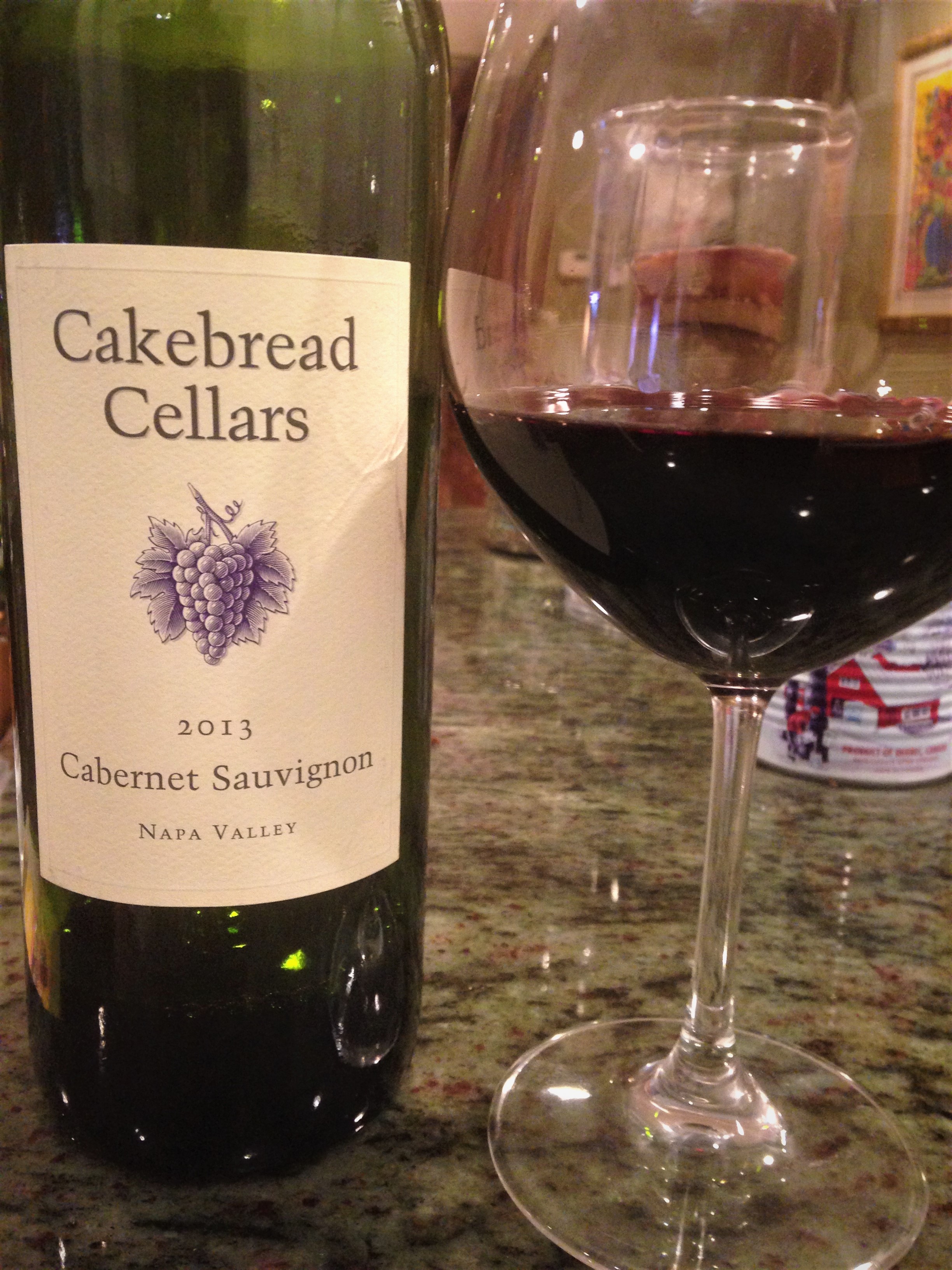
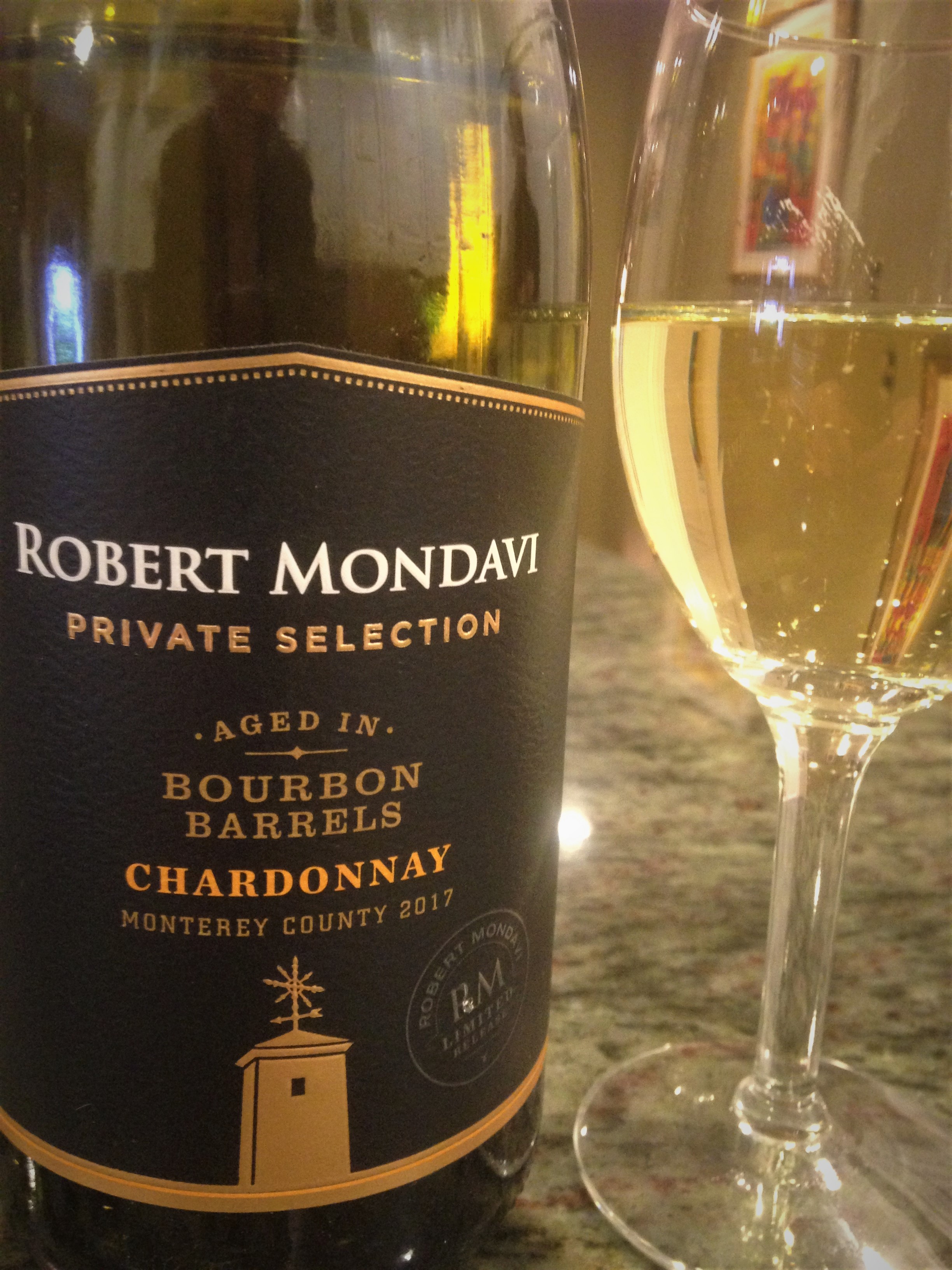
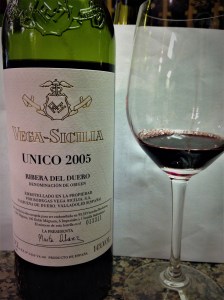
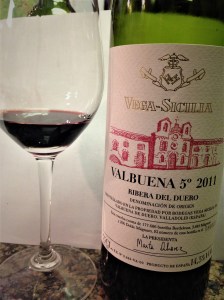
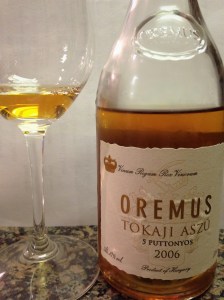 I will mention the first and the last wine of the tasting now, instead of proceeding in a more orderly fashion as I did that afternoon. In 1993, just three years after the world saw that Communism and Socialism did not work in the former Soviet Hungarian Republic, the Alvarez family that had bought Vega-Sicilia founded Tokaji-Oremus, but respecting the time-honored traditions of the district. The region known as Tokaj is actually twenty-seven municipalities and land, but Tokaj is the major city of the area. The history of Oremus goes back to 1620 and they are credited with making the first Aszu wine as well. When I was first learning about wine, I had always wanted to try all the versions of Tokaji wines, but back then it was the Cold War and the Communists ran a monopoly on the wines of all of the countries that they ruled by the jackboot and intimidation. Rumor has it that Pepsi Cola was an un-official conduit for wines and spirits behind the Iron Curtain for years, keeping the United States in Stolichnaya and Monimpex Tokaji. While there are a couple of different varietals that are grown in this region, the main one is Furmint. Furmint produces a highly acidic juice that when nurtured can develop into one of the longest-lived wines known.
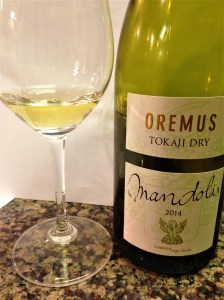 We started with a glass of Oremus Furmint Mandolas Tokaji Dry 2014, a curious wine that has become popular in this century, because it is a dry wine. This wine is named for the vineyard that the grapes come from and it is only planted with Furmint. This is a golden grape that buds late and because of a peculiar trait has one of the potentially longest growing cycles and is very labor intensive. The grapes are delicately pressed and the fermentation process can take eight to ten days and then the wine is aged in small oak barrels, which is the traditional way. Even though this is a dry white wine, and can be enjoyed immediately, it can be aged for about ten years. The wine delivered a curious blend of floral and smoke and was full flavored with a good finish. After four red wines we enjoyed a glass of Oremus Tokaji Aszu 5 Puttonyos 2006. Now here is where the Furmint grape and the wine known as Tokaji are most celebrated. Tokaji Aszu can only be found when Mother Nature allows the elements of weather to be ideal to create an Aszu vintage. The berries swollen due to the humidity split and the “Botrytis cinérea” establishes in its skin and creates the noble rot. This procedure has been going on for hundreds of years. The special grapes with the noble rot are collected in special baskets which are known as Puttonyos, and the number of these special baskets are then added to the already crushed grapes. I have quoted this passage from Oremus to explain the next step “The fermentation of the Aszú must is a slow process that can sometimes last up to two months. It is then put into wood barrels and is left in a protected wine press, waiting for the fermentation to stop by itself. We then add a little Eszencia, which has been collected drop by drop from the Aszú berries. We thus symbolically return its soul, which is embodied in the Eszencia.” The wine is left to age for two to three years and then it is aged in the bottle for an additional year, before it is released. This wine is a blend of several varietals of which the lion’s share is the Furmint. There is also the Harslevelu which adds mildness and floral notes, the Sarga Muskotaly (Yellow Muscat) with its distinctive nose, the Zeta which lends robustness to the blend. They are also traditionalists and are growing some varietals that were prior to the phylloxera blight and that is the Koverszolo and the Goher, but both are in limited areas. There were 23,400 bottles produced of this wine and it could be cellared for forty years. This was just a big wine, it was floral, chewy, robust with enough terroir to please the fussiest taster, with a nice smooth lingering finish and even a bit of pepper at the end to lure one into another taste. And now I can think of the wines that were in between.