I have had so much wine to write about that I barely got this article under the wire. It is the last club that we belong to, and The Fine Wine Source in Livonia, Michigan does a great job in curating two wines each month; one Old World and one New World. They also allow case discounts to the members on less than case purchases, and the ability to taste wines before purchasing.
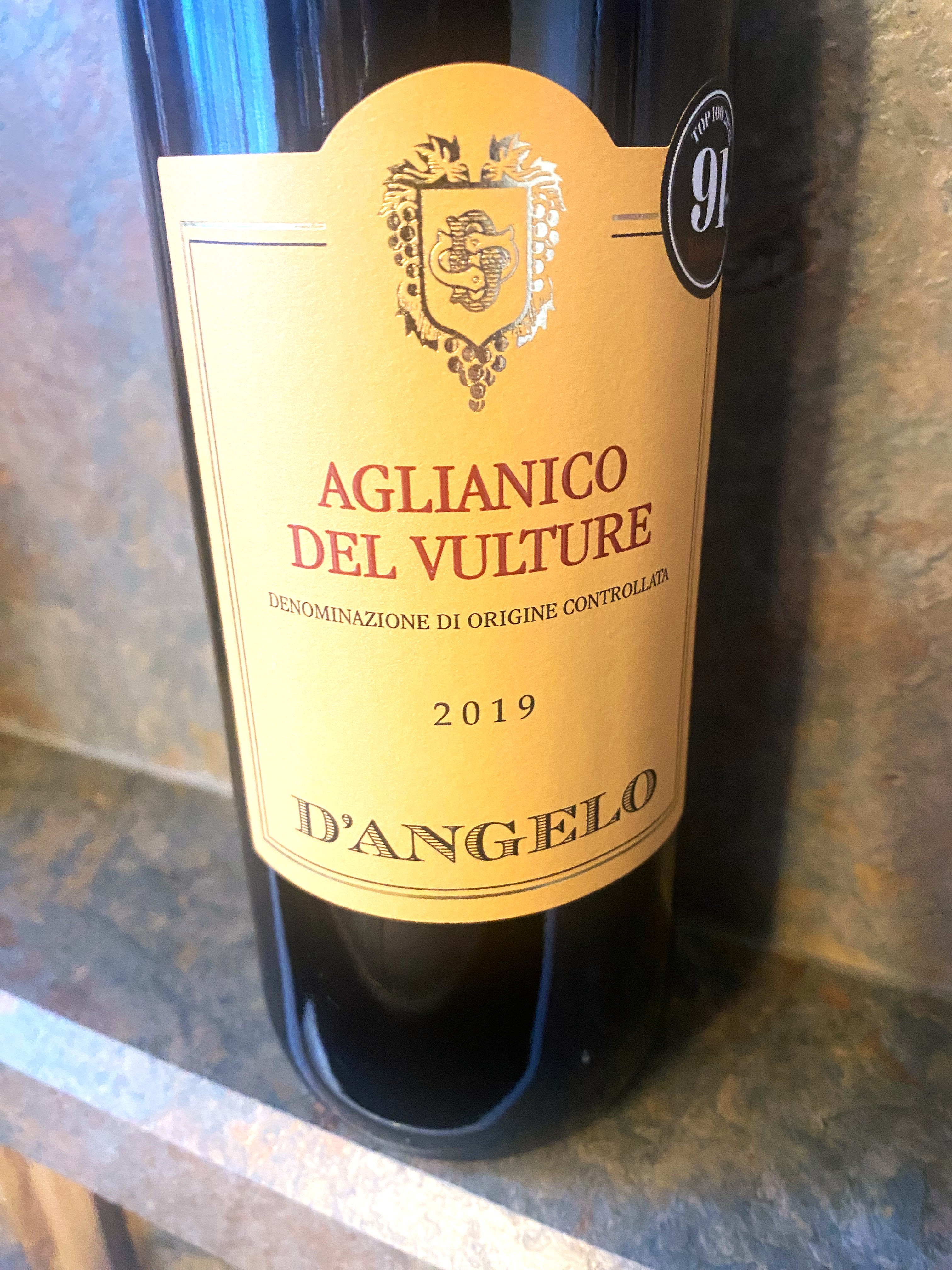
The wine representing the Old World is Casa Vinicola D’Angelo Aglianico del Vulture DOC Basilicata 2019. Casa Vinicola D’Angelo has spanned four generations and almost a century in the history of Aglianico del Vulture. While the winery was established in the thirties, in 1924 the wines were exhibited at the IV Commercial Fair in Bari. In 1971 Aglianico earned the DOC designation. Mount Vulture is an extinct volcano and is part of the landscape of norther Basilicata. The wine must be made exclusively from Aglianico, on volcanic soil, and altitude is an important factor in that it must be planted between 200m and 700m. The fruit is manually harvested, and basic Aglianico del Vulture wines must be aged in oak barrels for at least a year, before being released. The D’Angelo wine undergoes ten days of maceration on the skin and is aged for eighteen months in large barrels. Their first vintage was 1960, and the average age of the vines is from 30-35 years of age. The wine was a deep garnet color and offered notes of black fruit, Sous-bois, sage and licorice. On the palate this medium-to-full-bodied, well-balanced wine displayed tones of black cherry, earth and tar and a very chewy wine with firm tannins that ends with a medium-to-long count finish of fruit, spices and terroir. This wine was also listed in the “Top 100 Wines” in the Wine Spectator magazine for September 2022.
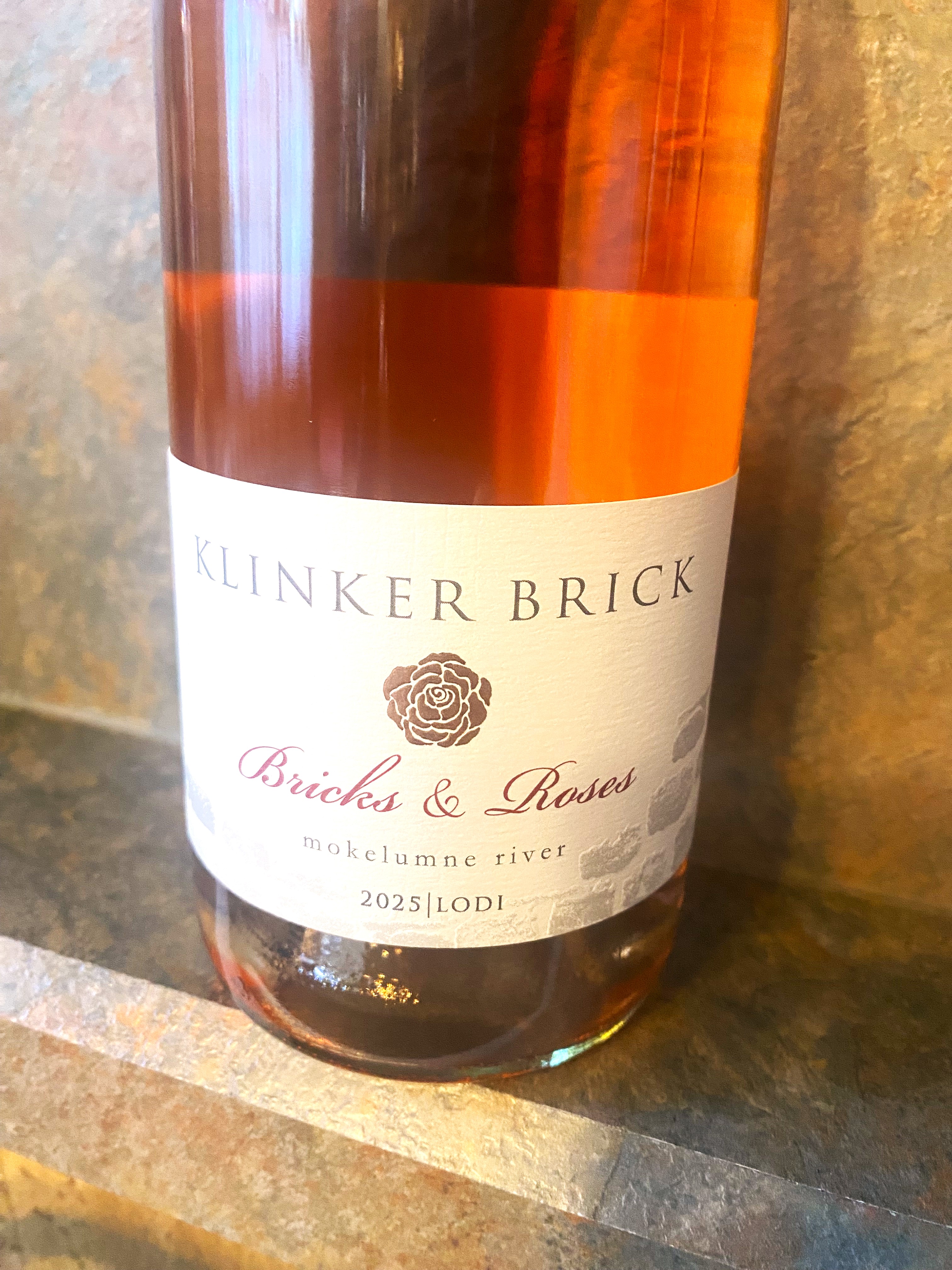
The wine representing the New World is Klinker Brick “Bricks & Roses” Rosé Lodi-Mokelumne River AVA 2025. Klinker Brick Winery is in its Sixth Generation, but they began as grape farmers and would sell their fruit originally to the home wine makers and Zinfandel was the main crop in this area. Eventually they began selling the crops in the latter part of the 1900’s to other wine makers and eventually they took the plunge themselves as there was a strong demand for their crops. They have about sixteen plots of land, mostly along what is known as the Lodi-Mokelumne River as well as some in the Clements Foothills. They produced their first bottle of Zinfandel in 2000, and their first Syrah in 2001. The term “Klinker Brick” refers to the dense, dark-colored bricks once used in Lodi’s historic buildings; known for their strength, individuality, and durability. The same trait that Klinker Brick Winery adheres to. The wine is a blend of twenty-three percent Grenache, twenty-four percent Mourvèdre, twenty-nine percent Syrah and twenty-four percent Carignane. The fruit is from their Farrah Vineyard established in 1989, and their Rauser Vineyard, which was established in 1906 and famed for ancient-vine Carignane. The wine is made in the Provence-style with whole cluster pressing and no skin contact and a short aging period. Three thousand cases were produced. A pale pink colored wine that offers notes of strawberry, florals, licorice and pepper. On the palate this light-bodied, well-balanced wine displays notes of strawberries, raspberries and traces of watermelon with minimal astringency and ending with a medium-count finish of fruits and spices.
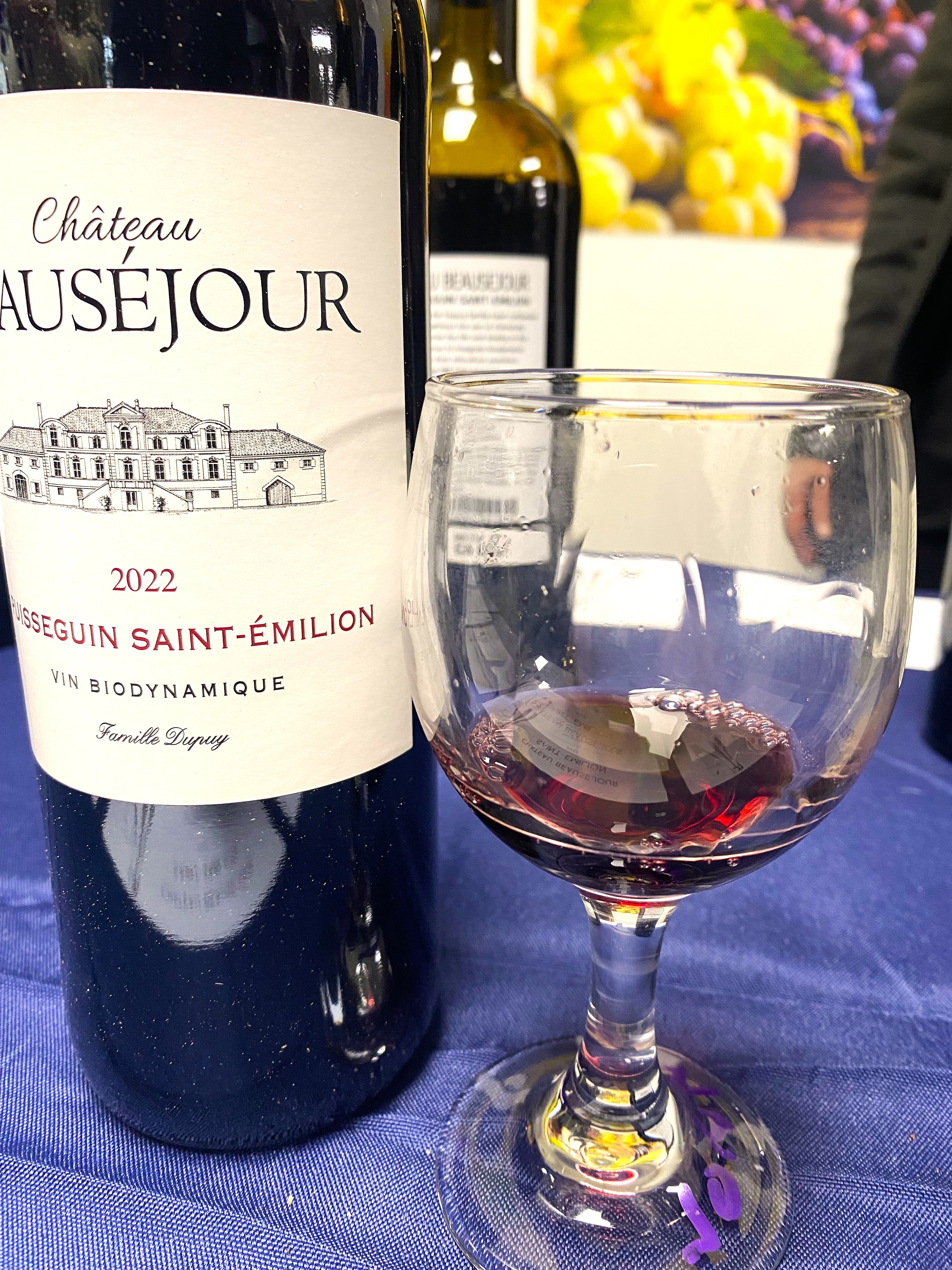
Then I will discuss something new at The Fine Wine Source in Livonia, Michigan. If you have Facebook or Instagram, the owner Jim Lutfy has started a new feature called “Wine of the Week” and he starts it off with Famille Dupuy Chateau Beausejour Puisseguin-Saint Emilion 2022. He imported this wine by himself and has already sold 450 cases and only has about a hundred bottles left. The Dupuy family has roots in the village of Puisseguin since the Middle Ages. The family acquired the winery in 1934, and it is still in the family. The charterhouse was built in 1864 and houses the wines, and the estate is forty-nine acres of clay and limestone that is the soil of Saint-Emilion and all chemical free, and the vines are still grown in the traditional method. The wine is seventy percent Merlot and thirty percent Cabernet Franc. The fruit undergoes a forty-eight-hour cold soak, followed by almost three weeks of low-temperature natural yeast fermentation. Then the wine is aged up to twenty-four months in oak barrels, with thirty percent being new. The deep garnet color wine offered notes of strawberry and red cherry followed by some vanilla. On the palate this medium-bodied, well-balanced wine displayed tones of strawberries and cherries that have blended with tine tannins and baking spices and ending with a good medium-count finish of fruit, spices and terroir.


