Mr. Lucky – Part Two

Some of you may have thought that my reference to the movie with this name, might be too arcane, so you might remember the television show with John Vivyan and Ross Martin; or you may just think that I have lost my mind and there might be some validity to it.  Any ways, I am feeling lucky for having won six bottles of Bordeaux wine from a drawing on Instagram.  It can even happen to a guy like me, and not to gloat, per se, but I will discuss the last three bottles that were in the carton.
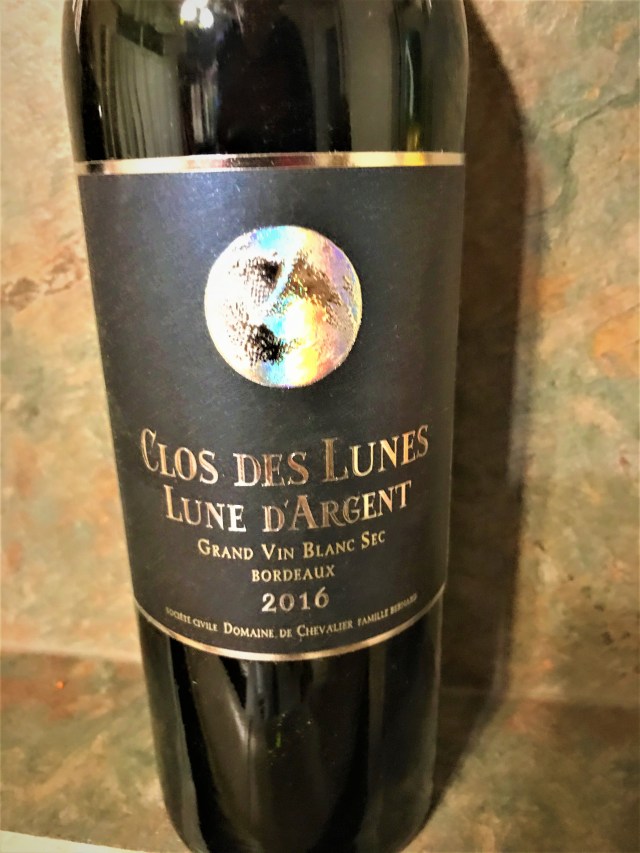
The fourth bottle that I pulled out was Clos des Lunes Lune d’Argent 2016 from the Société Civile Domaine de Chevalier Famille Bernard.  Situated on prime property in Sauternes, of which there are a famed group of twenty-six Classified Growths, in 2011, Olivier Bernard and his Domaine de Chevalier team decided to create a dry white wine.  There is no designation or appellation for a dry white wine from the district, so it is a Grand Vin Blanc Sec and carries a Bordeaux A.O.C. The wine is a blend of seventy percent Semillon and thirty percent Sauvignon Blanc and the fruit comes from acreage in Sauternes, Bommes and Barsac.  The fruit is slow pressed in a pneumatic wine press without destemming or maceration, and is aged on the lees for six to seven months, with a quarter of the wine in barrels and the balance in small vats to allow the fresh fruit to shine.  According to the winery this is a light-yellow wine with pale green tints with a nose promising exotic fruits and florals, with a rich taste of fruit and a finish that balances salinity and terroir of the plots.  I seem to have run into some other Dry Bordeaux Whites, so perhaps we are seeing a new trend emerging in an area, that is slow to change.
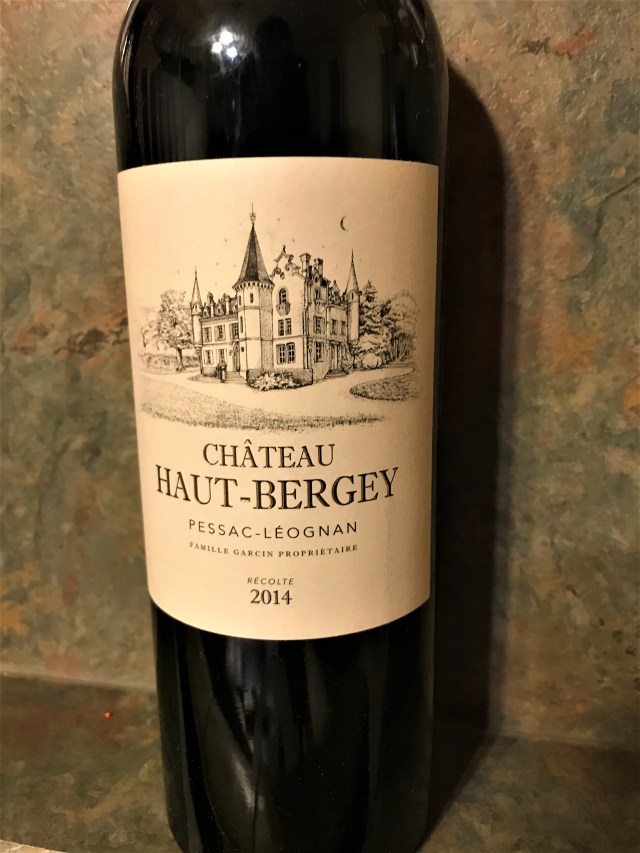
The fifth bottle that came out of the carton was Chateau Haut-Bergey Pessac-Leognan 2014.  This appellation was created in 1987, as before then it was a sub-region of Graves, and many of the leading wineries that were recognized in the Graves Classification of 1959 are in Pessac-Leognan.  The ground is basically the same as Graves consisting of gravel and sand.  Chateau Haut-Bergey is recorded as going back to the 15th Century, while the current chateau was built as a leisure residence when the vineyard was abandoned around 1850.  The current owners, the Garcin family have owned and operated the property since 1991. Its history as a wine producer reaches back to the 15th Century, while the current château, built as a leisure residence at a time when the vineyard was abandoned, dates to 1850. The Garcin family have owned and managed the property since 1991.  The current estate is twenty-eight and a half hectares, mostly planted with Merlot and Cabernet Sauvignon with two hectares planted with Sauvignon Blanc and Semillon.  There are no production notes, and I will presume that the Merlot and Cabernet Sauvignon were aged in oak barrels, consistent with the traditions of the neighboring estates.  I will report on the wine, when it is opened. 
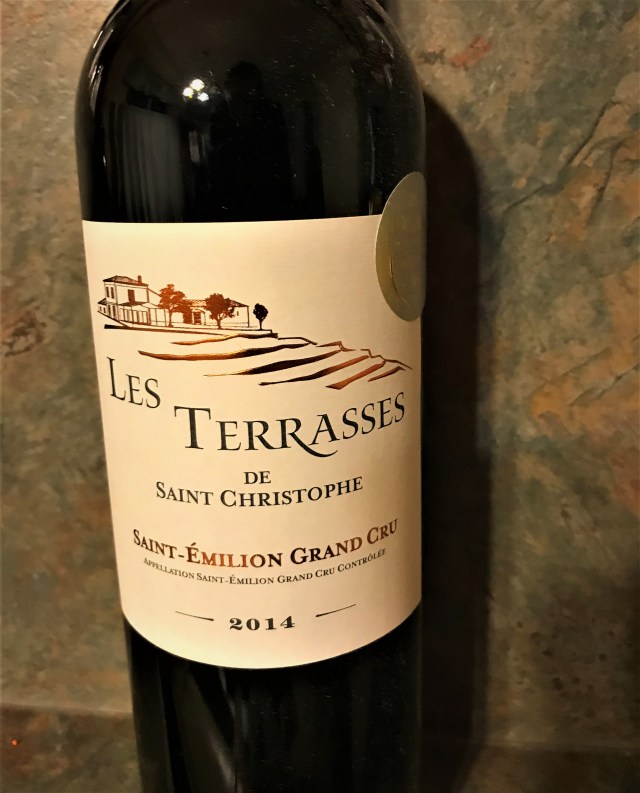
The final bottle of the shipment is Les Terrasses de Saint Christophe Saint-Emilion Grand Cru 2014, the second wine from Chateau Tour Saint Christophe.  Saint-Emilion is a major supplier of wines from the Bordeaux region, including its four sub-regions.  The two major varietals grown in Saint-Emilion are Merlot and Cabernet Franc.  When I first learned about the Bordeaux region, this area was referred to as the feminine side of Bordeaux, because it was felt that the wines were softer and more elegant, and it is also known for some of the longest-lived wines from the region.  In 1954, a Saint-Emilion Grand Cru was created with restrictions, and the rules have been under scrutiny and criticism from the first day, as it seems that there is twice as much Grand Cru wine produced compared to Saint-Emilion wine.  The classification has been updated in 2006 and once again in 2012.  The wine is a blend of ninety percent Merlot and the balance is Cabernet Franc.  This wine is made from the terraces that were built in the 18th Century and are being rebuilt by manual labor, section by section and the grounds of the terraces are eleven hectares in size, so it is a massive undertaking. Fermentation is done in concrete tanks and then the juice is aged for fifteen months in oak, a third new oak, a third used once, and a third used twice.  The tasting notes furnished by the winery claims a nose of crushed berries, with a balanced taste of black cherry and licorice with elegant tannins and a finish of terroir and oak spiciness.  Saint-Emilion wines were one of my first loves, because even as a kid they were much more affordable compared to the Medoc.  I am looking forward to trying all of these wines in the future.  
Posted in Wine | Tagged , , , , , , , , , , , , , , | 1 Comment

Mr. Lucky

That is kind of how I feel, not that anyone would confuse me with Cary Grant, and I am not a gambler either.  From the moment that I started writing this blog, I have gotten more into Social Media, with the thought that perhaps I could entice more people to read my writings.  Some sites are more interesting and fun, and the one that has the least drama and the least political strife is Instagram.  I am fortunate that my nom de plume has been used on the sites for continuity.  I really enjoy Instagram and there are certain sites that entice readership or followers with contests.  They usually involve following a given site, perhaps answering a question and also to lure others to the site as well.  I am game for some frivolity, I mean wine in all of its aspects for me, should be fun, since it is an avocation and not a vocation.  I tried once for a bottle of Domaine de la Romanée-Conti, and once for a personal size wine vault.  I didn’t win either one.  So, I was touted for another contest, and I was at first reluctant and told my friend that, and he said that I should try anyways.  I won six bottles of Bordeaux wines, which is kind of exciting, since I am blogger that doesn’t solicit samples.  I will mention three of the six in this article.

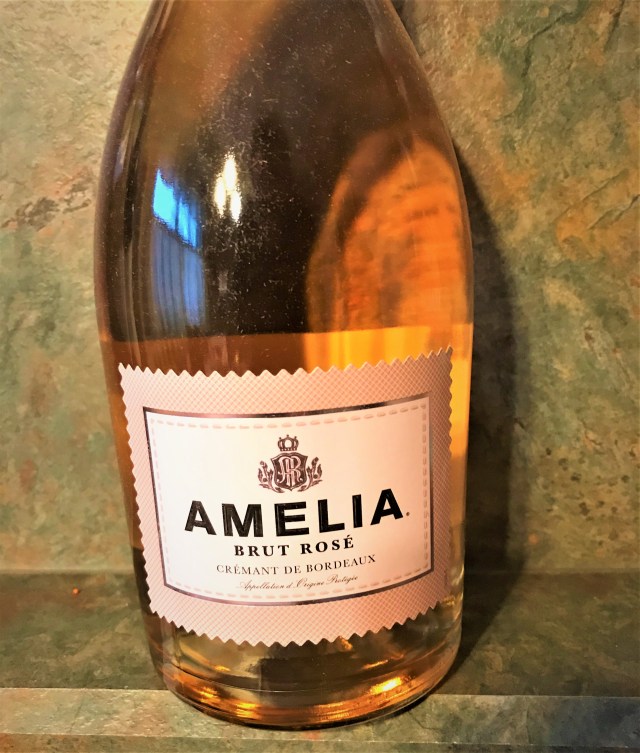
The first bottle in the carton was Amelia Brut Rosé NV a Cremant de Bordeaux.  While Sparkling wines have been made in Bordeaux for over a century, the appellation was not approved until 1990 and it is purported to be not as clear and defined as the other Cremant appellations.  There are over five-hundred parishes in Bordeaux that can make Cremant, so it is one of the largest appellations in the country.  To be a Cremant de Bordeaux the wine had to be made in the Methode Traditionelle.  The wines must have contact with the lees for a longer period than Champagne requires, also the wine may not be disgorged for at least nine months after the initial bottling.   Then the wines cannot be released for sale until twelve months have passed since the disgorgement.   Amelia Brut Rosé ferments the grapes for three weeks at cool temperatures, and then two months Sur Lie before bottling.  It also stays in the next step for eighteen months, twice as long as required.  The wine is a blend of eighty-five percent Merlot and the balance is Cabernet Franc.  The winery suggests that wine has the nose and finish of red fruits and floral notes with balanced acidity.  It sounds very interesting, and we have always enjoyed a good Cremant. 

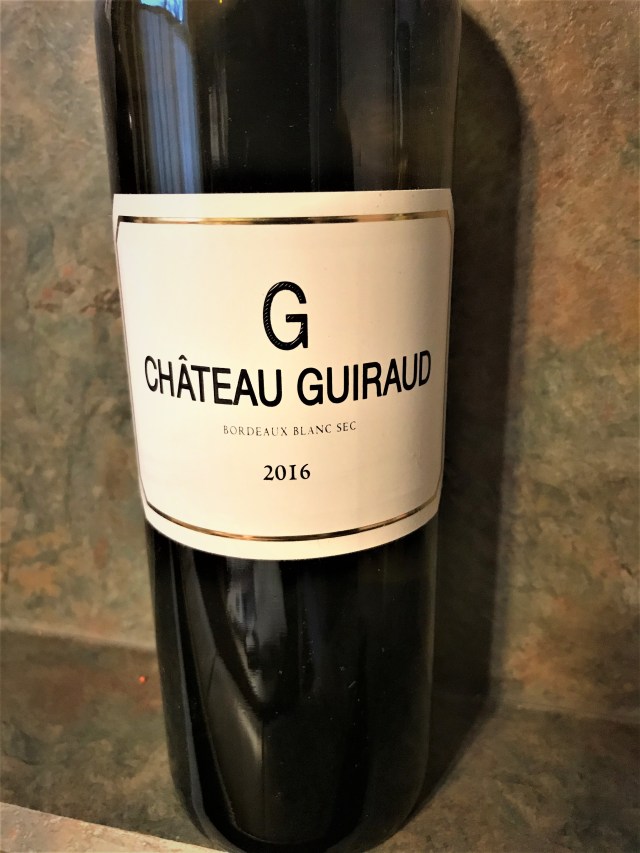
The next wine in the carton was Chateau Guiraud “Le G de Chateau Guiraud” Bordeaux Blanc Sec 2016.  Chateau Guiraud is an estate in Sauternes, and was classified as a Premier Cru in 1955, the grounds are planted with Semillon and Sauvignon Blanc.   The estate was originally known as the Noble House of Bayle, until purchased by Pierre Guiraud in 1766.  The estate continued in the family until sold to a group of winemakers in 2006.  Since the main wine is Sauternes, their second wine “Le G de Chateau Guiraud” is Sauvignon Blanc is predominately Sauvignon Blanc and is a dry wine, and made from younger vines, vines on the average of thirty-five years of age.  The wine is made with eighty percent aging in the oak that was used for the last Sauternes great growth and twenty percent in Stainless Steel.  On the average the wine is aged for seven months with regular stirring of the lees.  I think that we will really enjoy this wine. 

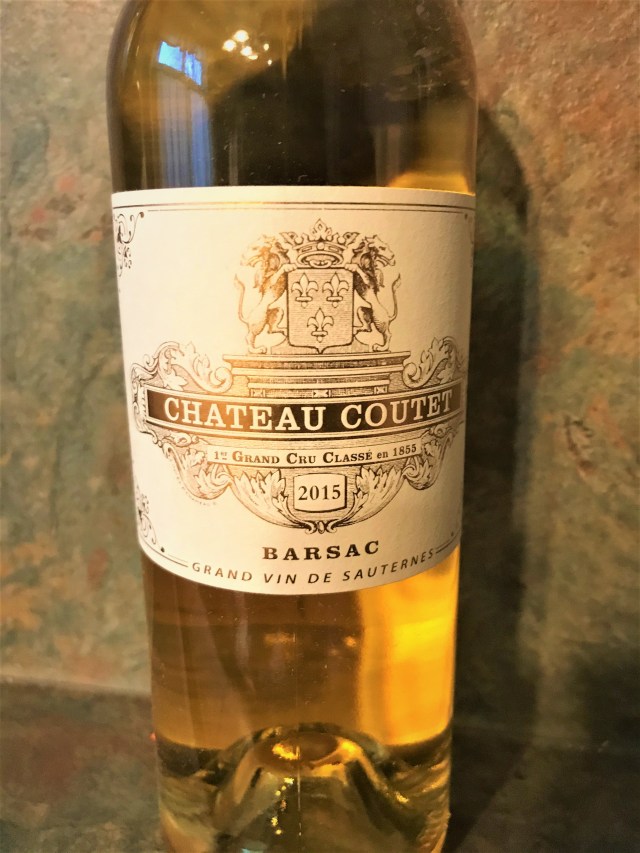
The third bottle that I pulled out of the carton was a split of Chateau Coutet Barsac 2015, a Grand Cru from the 1855 Classification and I have had the good fortune to have enjoyed the 1970 vintage.  It is one of the oldest producers in Sauternes and has the longest cellar in the region.  Coutet is a Gascon word for knife, denoting the wine’s crisp and ripping acidity.  The Chateau was originally an English fortress built in the 13th Century.  The winery dates to 1643 and has changed hands, and even survived the beheading of one of the owners during the French Revolution.  It is now owned by the Baly family who purchased it in 1977.   The wine is seventy-five percent Semillon, twenty-three percent Sauvignon Blanc and two percent Muscadelle in French Oak barrels, of which half were new for eighteen months.  The winery remarks that this vintage is defined by its finesse, with a nose of exotic fruits, fresh with a nice balance and finish highlighting the terroir.  This needs the proper dinner and guests.    

Posted in Wine | Tagged , , , , , , , , , , , , , , | 1 Comment

Some Bubbles for the New Decade

Well Barbara Walters did not come out of retirement to say “Good evening, I am Barbara Walters and this is 2020.”  I think it would have been lost on the television viewing audience, but then I didn’t recognize anyone on the show, that everyone was watching in the house.  I should really watch television once in a while, I guess, nah, it isn’t that important.  No more Guy Lombardo, or that great countdown in the original Ocean’s 11.  We did it here at the house, and of course I forgot to bring up the noisemakers, hats and tiaras. 

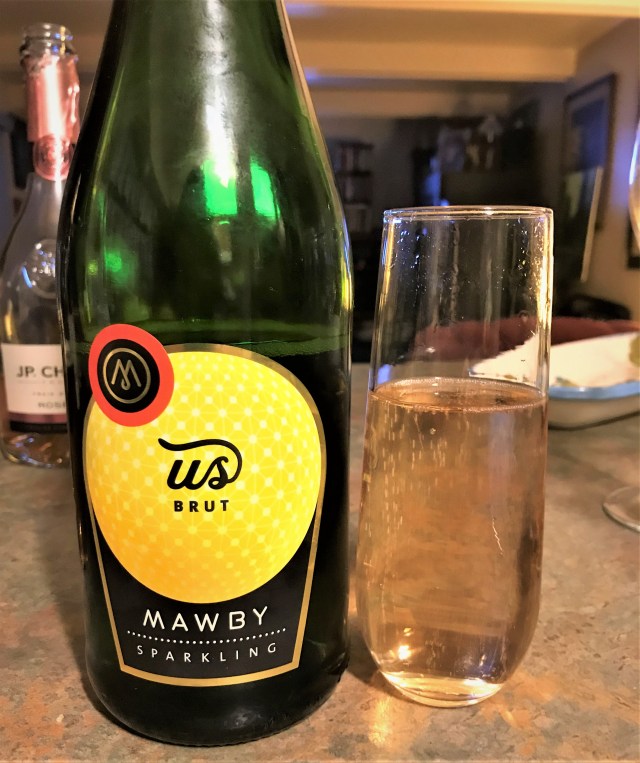
Excluding the Sparkling Juice that we had for the little ones, and I wouldn’t be surprised if they sampled some of the good stuff, we had three different types of bubbles for the partiers.  The first bottle was one that we discovered on our last trip to the wine country in Michigan and the great sparkling wines from Larry Mawby, one of the elder gentlemen of wine in the Traverse City region.  Mawby Sparkling offers wines made in both forms, Traditional and the Charmat Method.  The Mawby Sparkling US NV is a classic blend of Chardonnay and Pinot Noir, aged in Stainless Steel, then later blended with some reserve wine, aged and with an added dosage to maintain a certain finish and bottled.  This wine is an excellent bottle of sparkling wine that is affordable, dry and crisp, with a steady flow of small bubbles, but still offering some fruit in the finish. 

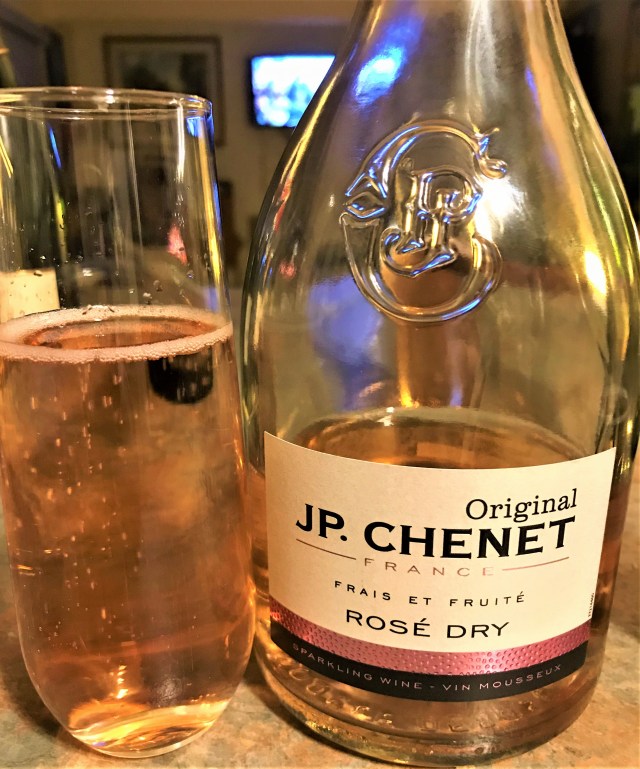
The second wine that we opened was from France and it was JP. Chenet Rosé NV.  JP. Chenet is a French value wine that has world-wide distribution.  It was established in 1984 by the beverage company Les Grands Chais de France, and they even have their own unique shaped bottle with a curving neck.  They were one of the pioneers in France to list the varietal first instead of the region.  A very popular priced wine with only a French Appellation, made in the Charmat Method.  The wine is made from the Bobal grape that is a native of Spain and is now seeing some planting in France.  A very pretty pink, not as dry as I suspected with a finish of strawberries and small bubbles to add to the festivities.

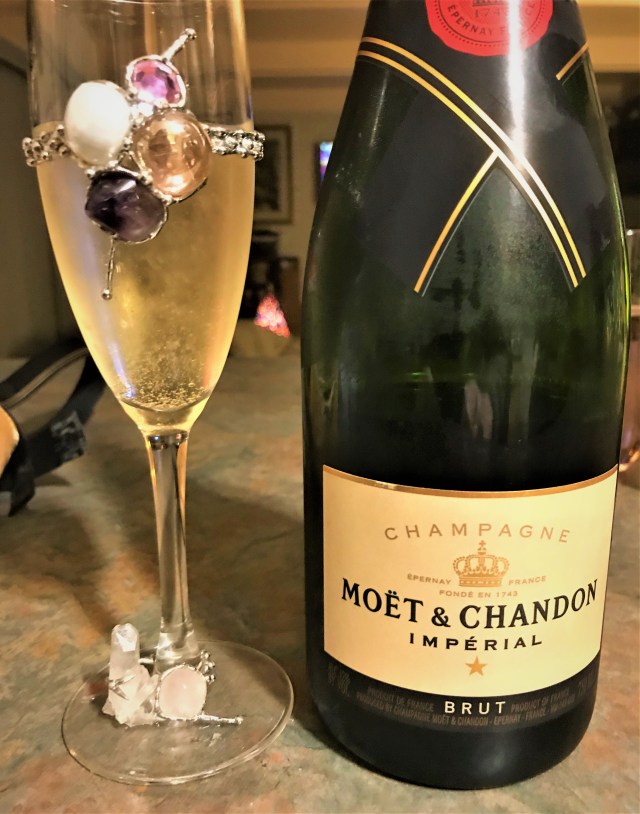
The third bottle that I opened was also from France and the only one to be labeled Champagne.  We had Champagne Moet & Chandon Imperial Brut NV, and they may be the most famous house in Champagne, with one-thousand-one-hundred-fifty hectares of estate vineyards, plus contract growers, their seventeen miles of cellars and a production capacity of sixty-million bottles a year.  The house was founded in 1743, and their prestige cuvee is Dom Perignon; and in the Seventies partnered with Louis Vuitton to create LVMH.  Some of their other brands are Krug, Veuve Clicquot, and Chateau Cheval Blanc.  Considering the huge production, they have managed to have quite a consistent style of fresh and fruit forward wine, especially in their Brut non-vintage wine which is basically Pinot Noir, Pinot Meunier and some Chardonnay.  This wine was a golden straw color with a constant stream of tiny bubbles, with a nose of citrus fruits, mineral terroir and fruit and brioche in the finish, it was very elegant and tasty. And onto another decade, our seventh one. 

Posted in Wine | Tagged , , , , , , , , , , , , , | Leave a comment

New Year’s Eve 2020

Somehow, I can’t see this new decade surpassing “The Roaring Twenties” of the last century.  New Year’s Eve is one of those holidays that my Bride prefers to have at the house.  I mean periodically I think of how nice it might be to go out, but then I remember those nights of yore, where the menu is truncated to facilitate the potential rotation of an extra turn or maybe two of tables; not only is the menu truncated, but it normally does not have the classic dishes that you admire from that restaurant.  The service suffers, because of the extra crowd and the hustling of the people, and perhaps the worst part of the evening, it is one of those nights where people think they have to go out.  I feel sorry for those that go to a place that has an allocated price for drinks for the evening.  There is nothing worse, than those that never go out, try to get their “money” worth of drinks for the evening.  They make a fool of themselves and are a pain for all concerned. 

My Bride would rather have everyone come over for the evening and she fusses even more, because she gets upset with those that decide to waste their money for the evening.  I have to admit that the majority of the clan comes for the evening, including the Louisville group.  She was making quite a dinner, and because of the night, we were not going to dine in the afternoon, but everyone could rest and hopefully sleep in that morning.  We had a charcuterie platter, and of course several hard cheeses, she also baked Brie in a pastry shell, one with savory accent and one with a fruit accent.  I think she said that she bought thirty pounds of jumbo shrimp and a good fresh horseradish cocktail sauce to clear the sinus cavities.  She made a whole slab of Salmon in a Bourbon Sauce.  There was a roasted ham and a perfectly roasted pork tenderloin carved into medallions.  She made sides, and more sides were brought by the guests.  She made desserts and plenty more desserts were brought in as well. 

We have wine, but some wine was brought in by my Brother-in-Law from Louisville and he wanted to see how one of his wines was holding on and he brought another one as well, and rather than discuss some of the earlier wines that we opened, I will center on the two that he graciously supplied.  The second wine was opened first and decanted, while we enjoyed his first selection for the dinner.  We started our dinner reds that night with a bottle of Terralsole Brunello de Montalcino Riserva DOCG 2007, which was founded by Mario Bollag and his wife in 1996.   Terralsole has twelve hectares combining two distinctive terroirs in Montalcino.  One vineyard is at 1,200 feet on the slope, while the other vineyard sits at 750 feet.  All of his wines are estate grown, hand harvested and bottled.  Brunello is a prized appellation in Tuscany and received it DOCG in 1980.  This wine is made purely from Sangiovese Grosso which is known locally in Montalcino as Brunello.  The rules for making Brunello state that the wine must be pure Sangiovese and aged for at least four years (five for Riserva) and bottled for four months before selling.  Traditional method for making this wine is to use large vats and the “Modernists” are shortening the times and using smaller barrels for a more fruit forward wine.  This wine after fermentation was aged for eighteen months in large French vats and then an additional fifteen months in smaller barrel, with an additional six months in the bottle in a climate-controlled facility.  This wine may have been at the perfect time for tasting, as the winery suggested cellaring up to 2025 and it was a beautiful garnet toned wine, totally balanced with beautiful notes of black cherry and a long lingering finish.  It would have been sad when this wine was finished, but we were waiting to try the other wine that I had decanted earlier.  We had a bottle of Chateau Lafite Rothschild Pauillac 1986, the year of my In-Laws wedding, and he stocked up on that vintage for years to come to celebrate.  Chateau Lafite Rothschild does not mention it on the label, but they are the first of the Premier Crus or First Growths of the Medoc, a very lofty position.  The first recording of the property was in 1234, and in the 17th Century, the Lafite and Latour families became entwined by marriage.  Chateau Lafite was regarded even back then as the King’s wine.  The property covers one-hundred-twelve hectares of gravel and sand over limestone, with an additional four and half hectares that is technically in Saint-Estephe, but is allowed to be listed as Pauillac for the estate.  Each year the blend of grapes can change according to the winemaker, but the estate is planted with seventy percent Cabernet Sauvignon, twenty-five percent Merlot, three percent Cabernet Franc and two percent Petit Verdot.  The wine is aged for up to twenty months in new oak barrels.  This wine had a beautiful deep color and had a great nose, it was very mellow and the tannins had softened and it was very velvety and lush, and yet still very regal.  I find it hard to express in words, as it was very unique and only a couple of us were drinking it.  The dinner time for New Year’s Eve was complete and now to ring in the new year and decade.

Posted in Dining, Wine | Tagged , , , , , , , , , , , , | Leave a comment

When Worlds Collide

When worlds collide is rather catchy, but it really was nothing ominous, we were enjoying the last night of Ms. Yoga being in town and the first night of the Louisville clan in town and everyone decided to meet at Rocky’s.  Actually, everyone knows each other and Ms. Yoga has even stayed at their home in Louisville with my Bride, when they were both there for business.  We have been eating there quite a bit, as my Bride likes their Happy Hour Menu and we are starting to sound like we need to be in Florida.  I also have written about some of my club meetings that are being held there.  It was the week between Christmas and New Years and they were packed and even though we had a reservation we had to wait a little bit for a table of seven.  The parking lot was even packed, as I had to park about six lanes back, but it is good to see an older restaurant still packing them in. 

This was an evening for the poor waitress, but I think she survived as this time there was a lot of changes and alterations, but it all went smoothly.   While we were all just catching up at the table and enjoying being right next to the fireplace, we started with a couple of orders of Fried Calamari with Roasted Garlic, Capers, Banana Pepper Rings and Provencal Sauce.  It didn’t take long to empty those two orders and then there was an assortment of salads and soups, my Bride had their Onion Soup, which was really old school and excellent, and I had the Black Bean Soup which had some nice zing to it, and it was the first time that we actually had the soup there.  After that, the food was all over the board with fish and seafood, chicken, steaks and I tried their Braised Short Rib dinner, which is a dish and we actually made it at home and decided that it was so involved, that it is now better to let the restaurants do all of the work and I will just enjoy the fruit of their labors. 

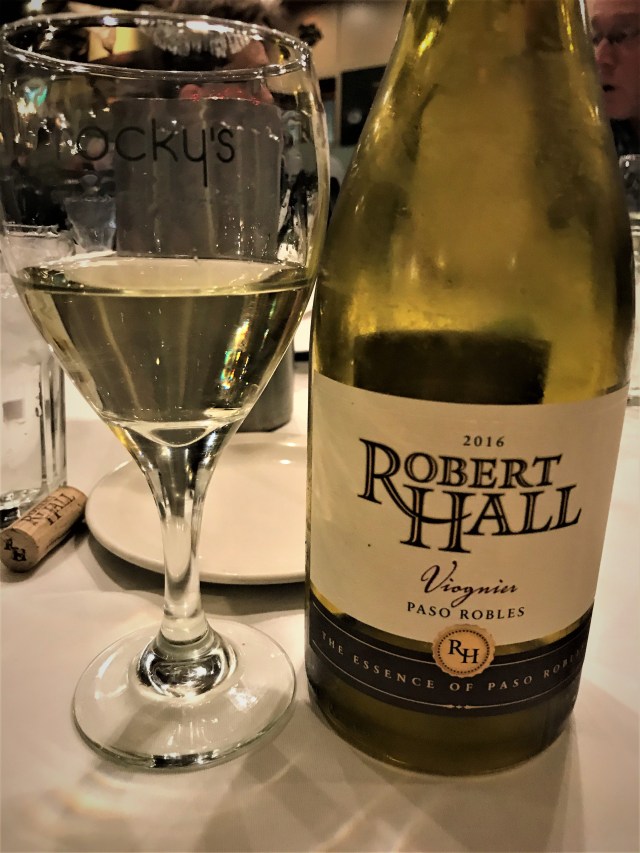
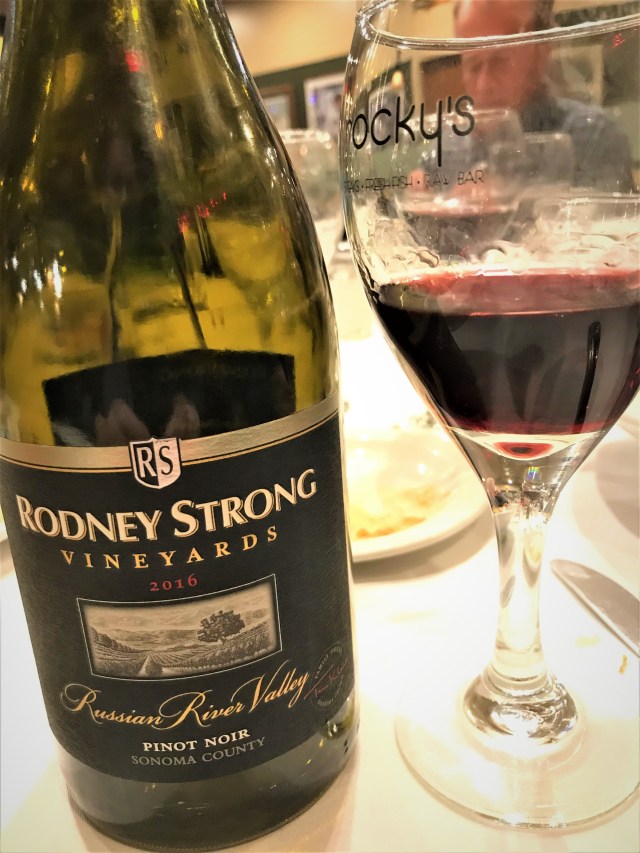
We had a couple of bottles of wine for the table and we started off with Robert Hall Winery Viognier Paso Robles 2016.  Paso Robles is in the San Luis Obispo County of California and the AVA was granted in 1983. Robert Hall Winery is four different estate vineyards totaling one-hundred-fifty acres and they grow twelve different varietals.  Robert Hall Winery is a division of O’Neill Vintners & Distillers.  The wine was aged for three months on the lees in French Oak.  It had the charming floral nose and spice that this varietal always seems to impart and the better the winemaker, the better the grape behaves in their administration.  The other wine we had that evening was Rodney Strong Vineyards Pinot Noir Russian River Valley 2016 in Sonoma County.  Rodney Strong founded the winery in 1959, initially buying bulk wine and sold under the Tiburon Vintners label.  In 1962, he bought a winery and vines and formed Windsor Vineyards and then eventually it became Rodney Strong Vineyards.  He was the first winery to produce a single vineyard Cabernet Sauvignon out of Alexander Valley and one of the earliest for Pinot Noir in Sonoma.  In 1989 the Klein family bought Rodney Strong Vineyards and kept Strong on as a consultant until his retirement in 1995.  They now have fourteen estate vineyards.   This wine had a total of twenty-one months of fermentation and cellaring in French Oak, of which thirty-five percent was new and it was a well-balanced wine with some fruit and a nice finish.  The two wines offered a good choice for everyone and a great send off for Ms. Yoga and a good starting point for the Kentuckians.

Posted in Dining, Wine | Tagged , , , , , , , , | Leave a comment

Ms. Yoga and Christmas

Ms. Yoga came up for Christmas and we saw her before Christmas at the house and then we saw her again after Christmas and her son had come up from school to see his relatives as well.  My Bride and Ms. Yoga go way back before my showing up on the horizon and of course we remember when the son was born and he even went on the trip to Napa when we went there.   Ms. Yoga enjoys her wine as much as we do, and now her son is of the age of majority, but he was drinking cocktails, because he is cool, and the waiter did card him, and for some odd reason, he did not ask us for identification, so I guess we looked a little older. 

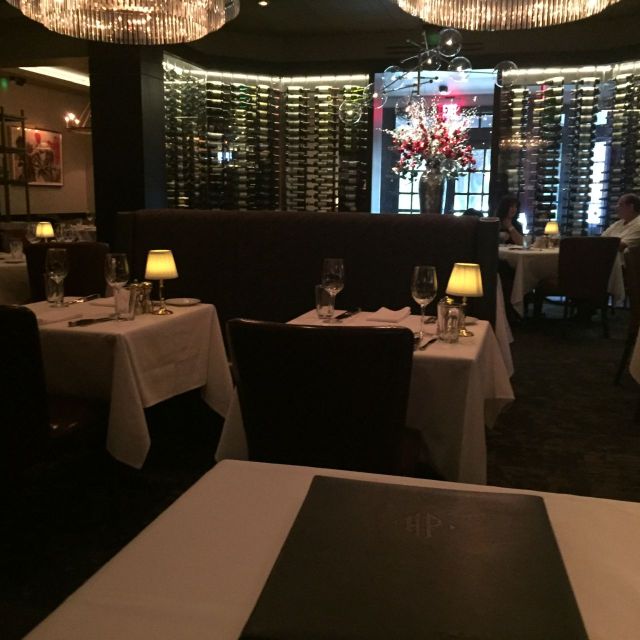
They were staying at her brother’s house and we met up for dinner at Hyde Park, since Ms. Yoga was the one to introduce us to the restaurant, in fact, like the week it had opened, and we were not even aware of it.  I knew that they had opened one in Birmingham, but not they had one in Northville, right on our doorstep.  It may have been the easiest meal ever ordered by this group in a restaurant, as the waiter did not have to go and have therapy afterwards.  For starters we all split a Shrimp Cocktail with a wonderful sauce full of really freshly ground horseradish, to clear the sinuses.  We, then all had the Lobster Bisque, which is just delightful there, it is worth the price of admission, except for my Bride who ventured astray and had the Tomato Bisque and she said it was lovely and real comfort food.  We almost all had Filets with Bearnaise Sauce, except Ms. Yoga who had Chilean Sea Bass.  Just a charming dinner. 

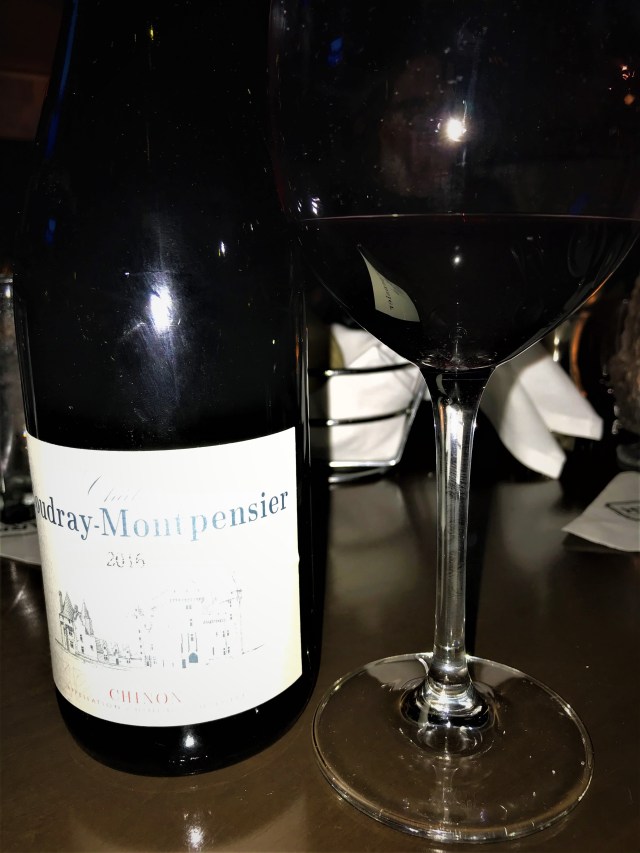
I saved the day, at least to me, because we would have had some wines by the glass, or a bottle of wine that we had enjoyed before, but lo and behold, I found something that even the Lord High Exchequer approved of.  We had a bottle of Chateau Coudray-Montpensier Chinon 2016.  If you are wondering why, I wrote about choosing this wine in such a way, it is because a red wine from Chinon in the Loire Valley means Cabernet Franc, and that distinctive varietal gets my Bride excited.  The estate is composed of both od vines and parcels that were planted ten years ago, on an area of thirty hectares.  Each of the parcels are recognized for imparting a special terroir; the limestone clay soils big aromatic wines and the sandy plains are described as more supple and fruit forward.  This wine is their flagship offering and is grown on fourteen hectares of the sandy plains and I have always felt that Cabernet Franc seems to offer more terroir compared to most of the other grapes, even in an affordable wine, and this wine delivered and you can’t ask more than that.

Posted in Dining, Wine | Tagged , , , , | Leave a comment

Christmas 2019

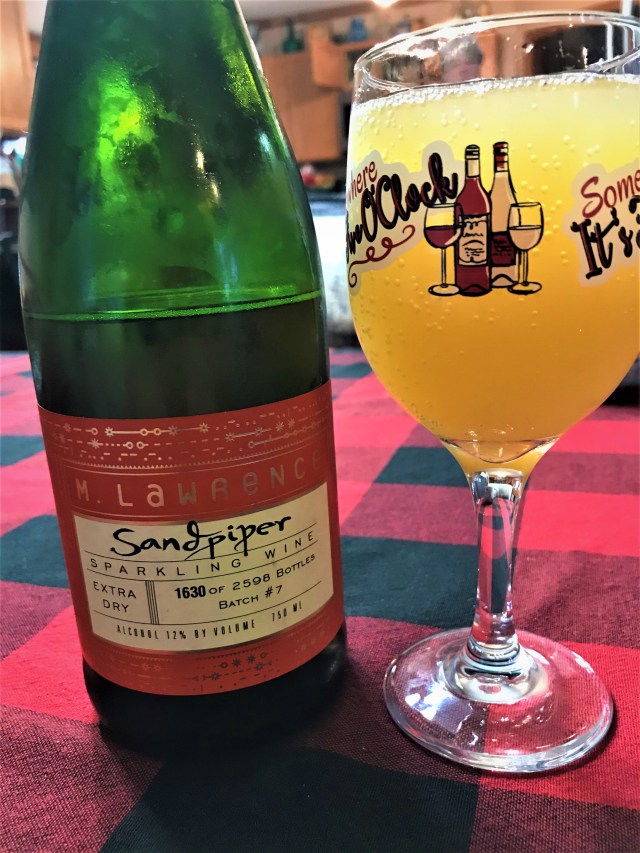
Christmas is a wonderful day to set aside for family, if one has the luxury to do.  Tradition for my Bride and her sisters is to have breakfast with her Mother and that certainly precedes me in the timeline.  The sisters and as many of their children and grandchildren all show up to greet the day.   There are pastries everywhere to pair with the coffee.  Christmas breakfast is scrambled eggs, bacon and Fresh Kielbasa.  It is a bit of an acquired taste, but after all of these years, it has grown on me, though I admit that I am still more partial to Smoked Kielbasa.  We also enjoyed Mimosas, which we brought to the festivities and I know that you are all surprised.  I mean in the civilized world what else does one enjoy during breakfast or brunch?  One of my brothers-in-law would prefer a Bloody Caesar, those Canadians are a breed apart.  In case you have never heard of a Bloody Caesar, it is Clamato Juice and Vodka. We used a Michigan sparkling wine for the day.  We had M. Lawrence Sandpiper Batch #7 Extra Dry NV by Lawrence Mawby.  Sandpiper, which we have had before, is only available at the winery, it is aged in Stainless Steel and undergoes two fermentations and it a blend of Chardonnay, Vignoles, Cayuga, Riesling, Pinot Noir, Pinot Gris and Traminette.  It may have been overkill and definitely too nice of bubbly for a Mimosa, but it sure tasted great. 

We stayed there, while people were coming and going.  Some were planning on going to the cinema, and some were going to reenact the day depicted in The Christmas Story and have Chinese food for dinner.  We stayed until it was time to go visit another household for a Christmas dinner at one of my cousin’s home.  She traditionally had Christmas dinner, but after her son married, she had announced that she was only going to do it every other year, so that she could travel to see her son on the odd year.  Well he already upended the schedule, because he and his wife and their newborn child came, so that we could all enjoy the new infant.  My cousin always has a house full, because everyone wants to enjoy the Armenian dishes that she always has before the dinner even begins, and one has to be careful or there will be no room for dinner, at least for me, these days; the college crowd still maintains the tradition of having hollow legs when dinner time comes.  After all the appetizers, we sat down for a dinner of Roast Beef, Clams and Pasta, Caesar Salad, Armenian Pilaf and all the other sides that one needs, because they didn’t eat enough earlier.  Then when all of that was cleared away, it was time for the desserts and they filled up a whole table.

We brought some wine, along with the requested dish for the dinner.  I brought a bottle for a house warming gift, as if they did not have enough, and also something unique that I could write about that was from the cellar.  We had a Parsonage Village Vineyard Cabernet Sauvignon, Carmel Valley Village 2000.  Bill and Mary Parsons and their daughters planted the seven-acre Parsonage Village Vineyard in June 1998 with Syrah, Cabernet Sauvignon, Merlot and Petit Verdot, and the first to plant Syrah in Carmel Valley.  This was their inaugural vintage and this wine while predominately Cabernet Sauvignon had some of the other varietals blended in as well.  There were seventy-five cases made of this wine, and their total production that first year was two-hundred cases total.  For a first wine, this wine aged very well and was smooth, the tannins had mellowed and a finish of dark fruit was still there.  It was not big and jammy, but then it was no longer a kid, it had matured very well and a great way to finish out Christmas.

Posted in Dining, Wine | Tagged , , , , , , , , , , , , , , , , , | Leave a comment

Christmas Eve 2019

I still find the Christmas Season wonderful and I am the type of person to wish people “Merry Christmas,” unless I know that they celebrate a different holiday; and I don’t do it for spite, but because I so enjoy the time of year.  From the time that I was a child and my parents would take to the downtown Hudson’s store to visit the Toyland and to talk to Santa Claus, it was always special.  Even my Favorite Daughter was remembering those days when she was a child, and she could not remember where I had taken her.  For years we used to go to a friend of the family who celebrated with the traditional Italian way of seafood in all sorts of creations.  Nowadays, one of my Bride’s sisters like to through the party, especially since both of her sons would be home from school.

It was an elaborate dinner, but the timing of the dishes was off, so you had to go back for different entrées as they were finished.  Instead of deep-frying a turkey, this year my Brother-in-Law did the turkey out on the porch in a “hot air” roaster, as that is the best of what I understood.  There was also a spiral cut ham that was in the oven, and I guess that the temperature control, kept getting jostled from all the crowd and the cooks in the oven, so the timing was also off on this dish.  There was also a large tenderloin that was suffering the same maladies as the ham, and thankfully a meat thermometer saved the day for the roast, though some Medium Rare was raw for that cut of meat, of course one could always put the meat back in the oven to burn it, if necessary.  As for the appetizers, salads, sides and desserts, there was not a problem and an abundance to choose from.   Though at my age, I have finally taught my eye, that it is not as big as my stomach.

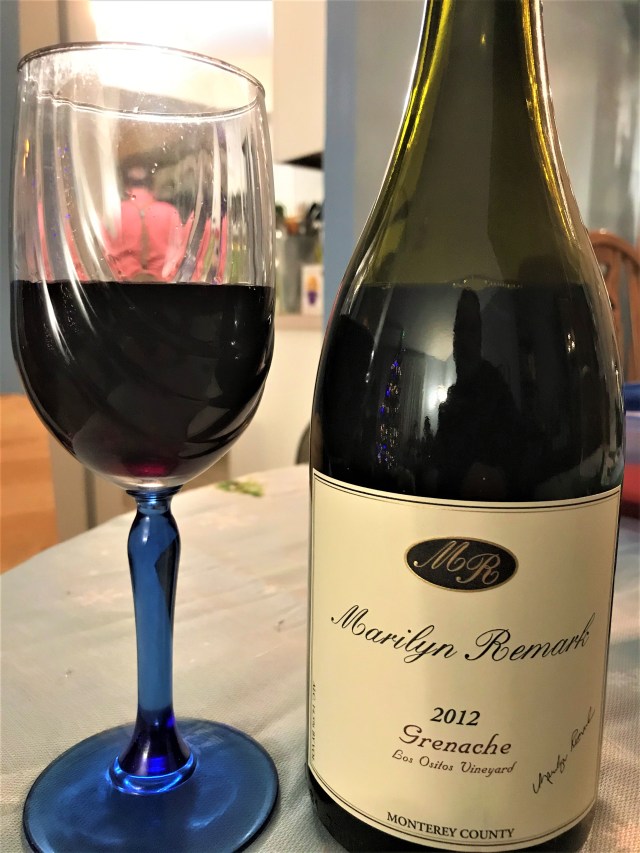
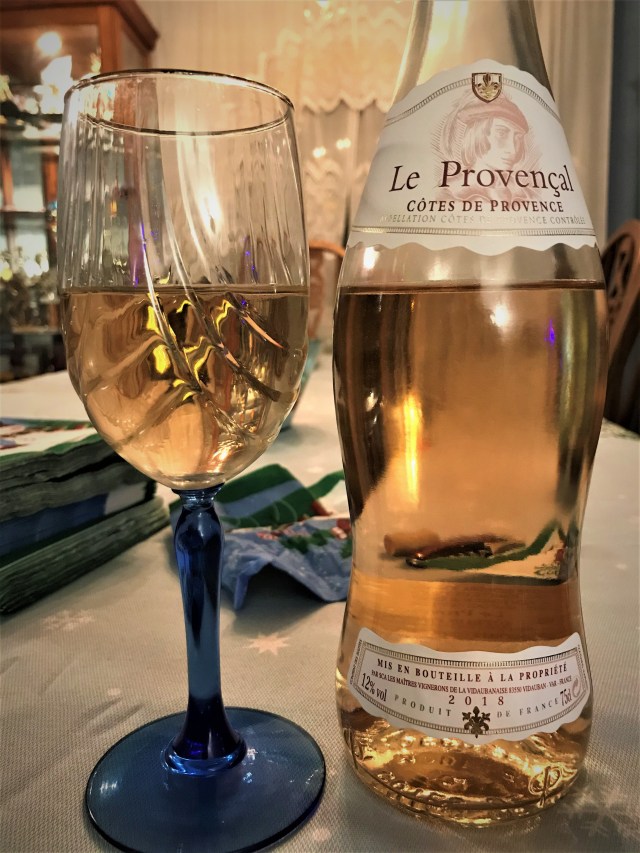
My Bride besides making some side dishes for the evening, our main duty was to bring some beverages for the event.  I try to make it a mix lot, to try to make as many people potentially happy as possible.  One of the bottles of wine was one that I was looking forward to try, because I am really enjoying Rosé wines more and more.  The official name of this wine is Les Maîtres Vignerons de la Vidaubanaise, Le Provencal Rosé, Cotes de Provence 2018.  Les Maîtres Vignerons de la Vidaubanaise translates in English to The Master Winemakers of the Vidaubanaise.  This a wine cooperative that was formed in 1922 and today is now in control of six-hundred hectares in the heart of the Appellation Cotes de Provence.  The vineyards are located on the limestone foothills of the Maures massif, between the Mediterranean Sea and the Alps.  Le Provencal is from the highest quality cuvees produced by the Maîtres Vignerons.  The Cotes de Provence is the largest appellation in Provence and it has a few sub-regions as well.  The entire region is famed for their Rosé wines, as well as a Red wine made from the Tibouren.  The Rosé Wines are made from a blend of Grenache, Cinsault, Carignan, Syrah and Mourvedre.  The Cotes de Provence originally was first established as a VDQS in 1951 and in 1977 it attained AOC status.  After the harvest, a portion of the grapes undergo a cold maceration at various temperatures and lengths of time according to the grape variety, which produce an array of aromas.  The remaining grapes are processed in the traditional method of direct pressing.  Then all the wines are blended and aged in Stainless Steel until early February, and then bottled for maximum freshness.  This wine was very balance with a crisp acidity and a nose that promised some strawberry and a refreshing finish, a good wine with the appetizers and cheese.  I was very happy with the wine.  The last bottle that I will discuss is a bit of a bittersweet moment, as the owners have retired and sold the winery. Marilyn Remark Winery had been producing Rhone style wines since 2003, after they returned from a trip to the Rhone Valley and decided that was their goal. The Marilyn Remark Los Ositos Vineyard Grenache 2012 will probably be the last wine we receive from A Taste of Monterey, but they did buy the entire inventory from the winery, so there is a potential that I may see another offering, though I know that I still have some other wines from the winery in my cellar. Los Ositos Vineyard is the Salinas Valley, just south of Arroyo Seco, so this wine carries the AVA of Monterey. Most of the Grenache wines that I have had from Monterey have been full bodied and jammy, and this wine was true to form, it was big, which no age showing and I have developed quite a fondness for Grenache with turkey and a nice change of pace.

Posted in Dining, Wine | Tagged , , , , , , , , , , , , | Leave a comment

Cades Cove Cellars of Tennessee

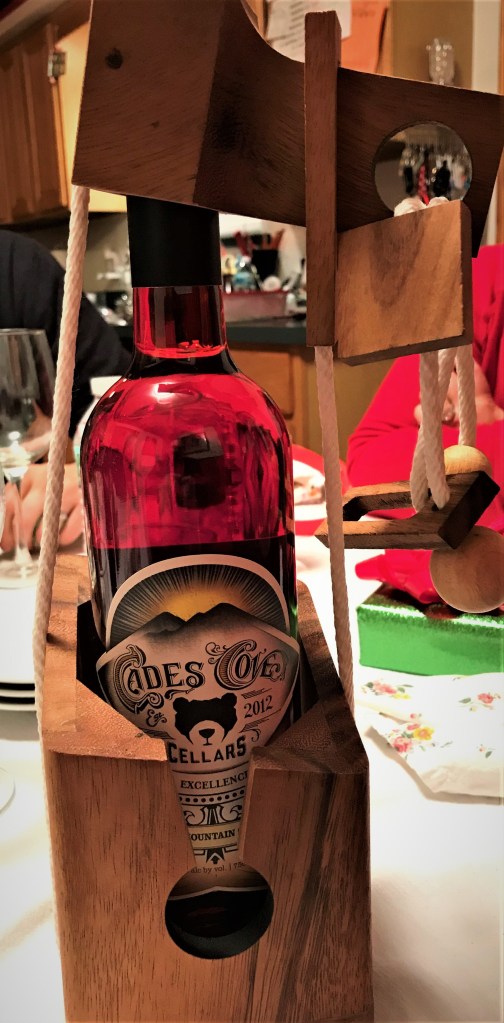
The Wine Raconteur Jr. gave me a bottle of Tennessee wine in a contraption that Rube Goldberg would have been proud of.  So soon enough, I will be able to add that state to my completed group of wines, but there are still plenty of more states to go.  When I think of the brass “chicken wire” wrapping on Rioja wines that were designed as a deterrent from the help opening up bottles for quick consumption, it worked, but this contraption of wood and rope could make a Saint question humanity.  I am glad that the instructions were given on the side, but both my Bride and I could not figure it out, in fact we had problems even with the instructions.  The Wine Raconteur Jr. is an engineer by trade, so he must have enjoyed such a devious gift, and it was fun and maybe I should put my First Growths in that contraption, but I think not for my sake.

Cades Cove Cellars is in Townsend, Tennessee and was founded by two generations of the Birkholz and Reed families.  Jerry Reed has been a vintner and winemaker since 1984 and his daughter Cameran who has a law degree also attended UC Davis and received her winemaking certification in 2010.  Cades Coves Cellars was established in 2012.  Cameran’s brother-in-law is John Birkholz has been working as the cellar master for twelve years and is now the assistant winemaker, while his father is president of the company.  Cades Cove is a quiet, beautiful valley in the mountains with rustic buildings dating back to the 1800’s and are preserved by the National Park System.

The winery offers currently eighteen different wines, some are vinifera, some cold-hardy and assorted fruit wines and mead.  The bottle of wine that I received is Cades Cove Cellars Smoky Mountain Sunrise (2018) and while the winery gives a vintage year on their site, the wine label does not, in fact there is not an appellation listed, which also negates the need for a vintage year.  The fruit is listed as being from Tennessee and elsewhere and it is a blend of Vidal Blanc and Red Muscadine. Muscadine is a name give to a group of nine varieties found in Central and North America, the most famous is known as Scuppernong, a native grape of North Carolina. The grapes are thick skinned and highly resistant to fungal and bacterial diseases as well as to phylloxera.  While similar sounding in name, the wine is not related to Muscat or Muscardine grapes.  Vidal Blanc is a hardy hybrid that is popular in Canada and the northern United States.   The variety is a crossing of Trebbiano (Ugni Blanc) and Seibel 4986 (Rayon d’Or) and was originally conceived for Brandy production in Canada, but the grape became one of the perfect grapes for Canada’s flourishing Icewine production.  Cades Cove Cellars describes their Smoky Mountain Sunrise as a sweet dessert wine, similar in taste to an Icewine, either by itself or pairs with fruit dishes.  I am sure that it will find a following here at one of our parties.   

Posted in Wine | Tagged , , , , | Leave a comment

An Amarone and an Eiswein

A dinner with The Wine Raconteur (Sr.) and Jr. and the two lovely brides, and some cameo appearances by the children.  It was the perfect setting for a Christmas season dinner and we were happy to be squeezed in to his busy schedule.  There is just something special about a quiet dinner to catch up on what is going on and to relax.  As for me, I can think of times, both with my Bride and without having fun and some great food at their house.  We met years back when I basically hired him to work retail, while he was a student at a university and let us say that was a few years ago. 

Most people have a dinner party and they make it as easy as possible on themselves, but not our hosts.  For starters, they even roast their own cashews with a mixture of spices for a truly unique flavor.  They even individually wrapped Brussel Sprouts in bacon, which I could not stop eating.  The dinner that most people would serve would be a roast or steaks, they created a Beef Wellington that was cooked to perfection, and yes, I was proud and envious at the same time; it was just a stellar dinner.  We had cookies for dessert that looked like they had raided several different bakeries, because of all the different types and the intricate decorations on them.  I mean she must have baked for a couple of weeks straight to get the variety that was being offered, and who doesn’t like cookies?

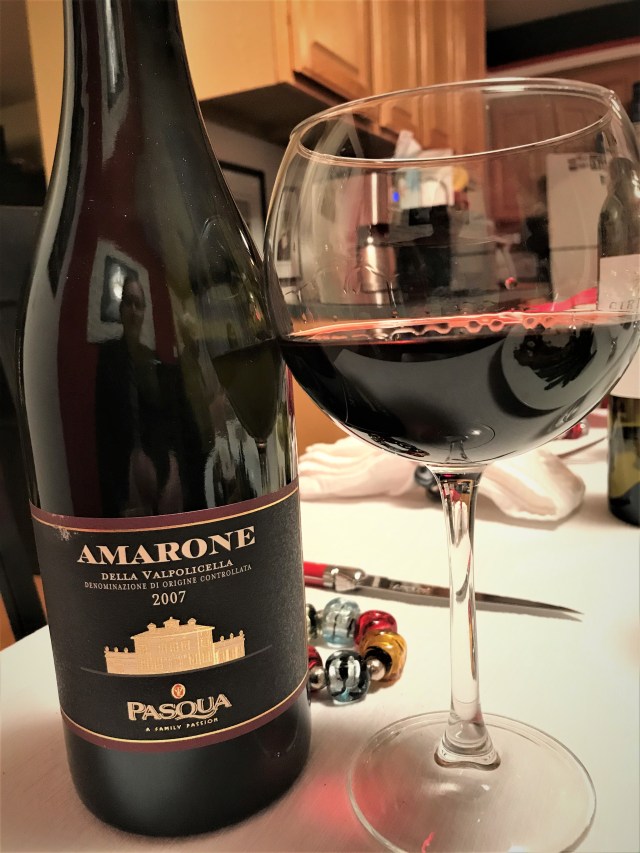
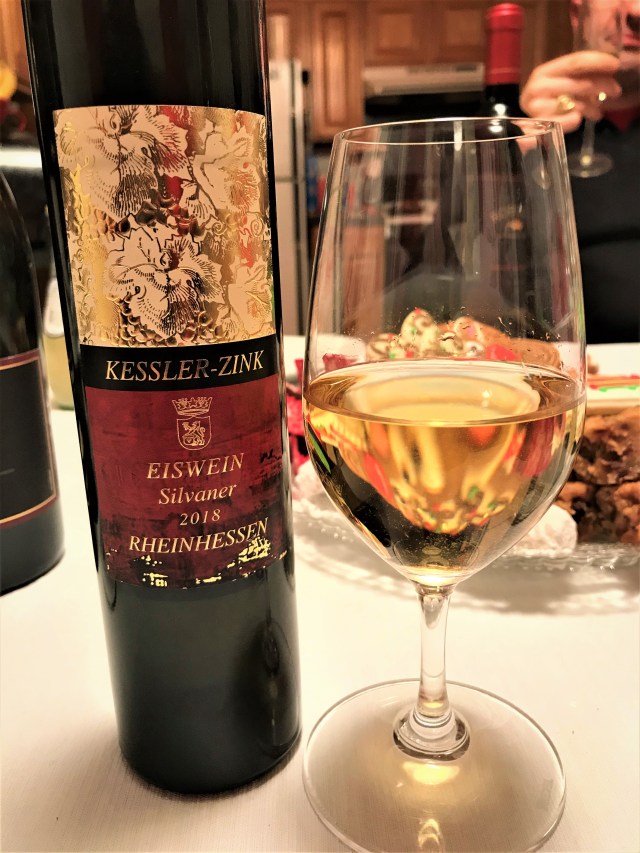
After having that 1992 Gallo North Sonoma Chardonnay, I am glad that I had grabbed another winner for dinner.  I had no idea what the entrée was going to be, but since I am such a pain in the rear, I figured that they would go with red meat, I just didn’t expect it to be such a special dinner.  I had brought a bottle of Pasqua Amarone Della Valpolicella DOC 2007 and I was informed that it was our hostess’ favorite type of wine.  Pasqua Vigneti e Cantine is an Italian estate that specialized in the wines of the Veneto.  It is known for its Valpolicella, Amarone, Soave and Prosecco wines.  The estate was founded in Verona in 1925 by the Pasqua brothers.  It is still a family owned winery and the family has expanded the vineyards, a bottling facility and finally the construction of a new winery in Veneto.  The classic vineyards for Amarone Della Valpolicella are known for the clay and gravel of the soil.  The grapes are hand harvested and laid to rest on drying racks for about three months, where the grapes lose almost a third of their weight and the grapes are fully concentrated.  The alcoholic fermentation takes place in Stainless Steel vats for almost a month under temperature-controlled settings and continuous punching down to extract as much color and tannin as possible.  The juice is then transferred to French Oak where the malolactic fermentation occurs which brings out the softness and the richness of the wine.  The wine is then aged for eighteen to twenty months, and then also is aged in bottles for an additional four months before being released.  The wine is a blend of sixty-five percent Corvina, twenty-five percent Rondinella, five percent Corvinone and five percent Negrara.  The wine had a nice rich deep red color with a nose promising dark red currants and cherry, spices and vanilla.  The wine requires some good chewing to appreciate the velvety feel and how the tannins had become silky in texture with a nice long lingering finish of black cherry.  It paired perfectly with the rich taste of the Beef Wellington.  Our host brought out a special dessert wine, as he has been doing some business travelling to Germany.  We opened a bottle of Kessler-Zink Eiswein Silvaner Rheinhessen 2018.  Kessler-Zink was founded in 1953 as a private wine cellar and was acquired by the present company in 1989.  The Rheinhessen is the largest wine producing area in Germany and goes back to the Roman Empire.  The Silvaner is a grape that is a crossing of the Traminer and an Austrian local grape, the Osterreichisch Weiss and found its way to Germany in the 17th Century and later into Alsace as well.  The Eiswein or Ice Wine as it is known in North America is a very famous wine that requires some gambling on the part of the winery.  The grapes are harvested several different times, and each time the sugar is more concentrated in the surviving grapes than from the last harvest selection, until the grapes of at least Spatlese quality have actually frozen on the vine and the quantity of grapes has diminished of these over-ripe grapes.  This wine was very lush and silky, and is known to be viscous in nature, because of the residual sugar.  There was a soft flowery nose, as Silvaner is a more low-key grape compared to the Riesling, but there was a nice marmalade feel to the wine with a nice lingering finish.  The perfect way to finish an evening, until we can meet again for more good times.

Posted in Dining, Wine | Tagged , , , , , , , , , , , , , | Leave a comment