Fine Wine Source Club Selections – August 2025

I am almost late getting this article about the wine club selections from The Fine Wine Source in Livonia, Michigan; or as my Bride calls it, my home away from home, of course I thinks she tends to exaggerate.

The monthly club selection always features a wine from the Old World and from the New World.  The Old-World selection is Azienda Agricole Colognole Rosso “Le Lastre” Toscana IGT 2015.  The Conti Spalletti family has been growing grapes for over five generations, particularly with Sangiovese, as well as having winery research projects in both red and white wines. Originally from Switzerland, then Reggio Emilia and finally in Tuscany.  They have six hundred-fifty hectares, and all of their wines are from their estate.  They also produce Extra Virgin Olive Oil from the estate. Colognole is one of the historic wine producers in the Chianti Rufina zone; the oldest and smallest of the Chianti denominations.  This wine is a blend of thirty percent Sangiovese, thirty-five percent Syrah and thirty-five percent Merlot.  “Le Lastre” wine is described as offering notes of spicy ripe fruit, especially with lively notes of raspberry.  On the palate this well-balanced wine displays tones of plums, cherries and raspberries blending with full tannins.  This wine is strongly suggested to be paired with tomato-sauce dishes.

The wine representing the New World is Turley Zinfandel Rosé 2025.  Turley Wine Cellars was found in Napa Valley by former emergency room physician Larry Turley in 1993. During a moment of serendipity, Larry Turley met John Williams, the soon to become winemaker at Spring Mountain. They soon became good friend, and then partners in Frog’s Leap Winery in 1981, with Larry on the tractor during the day and doing suturing in the evening. Eventually Larry’s focus was on Zinfandel and Petite Syrah, especially from old vine vineyards.  He eventually sold half of his winery to John and began Turley Wine Cellars in 1993.  Most of his Zinfandel vines are from single vineyard designations that are not big enough to be a single estate, and the young vines are planted and designated in plots where there are old vines as well.  These “juvenile” vines are from six to twenty-five years of age from across the span of California.  This wine is pure Zinfandel and is made in a Provence style and aged for seven months in used French Oak.  The first vintage was in 2011.  The wine undergoes fermentation in Stainless Steel tanks and then aged for seven months in used French Oak from early picked fruit to ensure a dry wine.  The wine is described as a bright pinkish-orange color and offers notes of rose petals, wild strawberries and petrichor (a poetic term for fresh rain).  This medium-bodied wine has a soft-texture, well-structured with low alcohol and high in acidity displays tones of strawberries and cream, cherries, cranberries, rose petals and vanilla bean with a medium finish of fruit.  It has been suggested as being a perfect complement to garlicky or spicy-Asian dishes.

I know that you might find it hard to believe, but while I was picking up my August Wine Club selections at The Fine Wine Source, they poured me a couple of tastings.  One of the wines I will discuss is Sequoia Grove Cabernet Sauvignon Tonella Ranch Vineyard Rutherford Napa Valley 2021.  The winery was founded in 1979 and has been owned by the Kopf family since 2002.  The estate is twenty-four acres located on the Rutherford bench, while they also own the fifty-acre Tonella Ranch Vineyard in Rutherford as well.  The Tonella Ranch Vineyard goes back to 1922 when it was originally planted next to Georges de Latour’s property, now the legendary Beckstoffer Georges III vineyard.  The wine offered notes notes of dark fruit, sous-bois, toasted vanilla and graham crackers.  On the palate the full-bodied, well-balanced wine displayed tones of dark fruit, red fruit, dark cherry, plum, hibiscus, anise and sweet tobacco, and ending with a long finish of black raspberry, dark chocolate, umami, espresso and a touch of clay (terroir).       

Posted in Wine | Tagged , , , , , , , , , , , , , , , , | Leave a comment

Korbin Ming Pours Korbin Kameron – Part Five

We were coming up to the end of the tasting of Korbin Kameron wines at The Fine Wine Source in Livonia, Michigan.  The winery was planted in 2000, and estate straddles the ridge of Mount Veeder, with part of the estate in Napa County, but the majority being on the Sonoma County side.  The vineyard is on 186-acre property on Mount Veeder in Sonoma County.  The winery is growing the classic grapes of Bordeaux with very great success.  The area is famed for having a very long growing season, so the grapes can fully mature and become fully balanced.  In 2013 Moon Mountain AVA was created and recognized for being the longest growing season for the Sonoma Valley, and also for its rich volcanic soil, with perfect drainage to make the roots of the vine struggle and to grow deep.  The Moon Valley AVA is so relatively new that it has not been seen that often and some wineries may not take advantage of it, until it becomes more widely known.

We had been tasting wines from their estate vineyard on Moon Mountain District which is on the Sonoma County side; the western slopes of the Mayacamas mountains between the Sugarloaf Ridge and Carneros.   We started off with Korbin Kameron Reserve Cabernet Sauvignon Mount Veeder Napa 2019; and Mount Veeder is located on the eastern slopes of the Mayacamas mountains.  This wine was aged for eighteen months in French Oak, of which seventy-five percent was new, and they produced fifty cases.  A deep, dark garnet-colored wine that offered notes of black fruit, cassis, cedar and sous-bois.  On the palate this was also a big chewy wine offering tones of blackberries, black cherries, currants, vanilla, oak and black pepper blending with big tannins, great acidity and a long count of concentrated fruit and terroir. 

We then followed up with the Korbin Kameron Reserve Cabernet Sauvignon Mount Veeder 2021.  I have to apologize as I am not a great photographer and the label is printed on the bottle, so the clarity is not that good, but I try, or maybe it is me after tasting the first twelve wines.  The wine was aged for eighteen months in French Oak, of which seventy-five percent was new, and with a production of fifty cases, or two barrels.  A deep, dark garnet-red colored wine that offered notes of black cherry, blackberry, cassis, cedar and sous-bois.  On the palate this full-bodied and perfectly balanced wine was more Medoc, than California.  It was chewy, not jammy, and displayed tones of black cherries, blackberries, currants, oak, vanilla and black pepper with big tannins and a long count of dark fruit and terroir.  This wine will require some cellar time to fully appreciate this wine after the tannins have tamed.

Even though the tasting was over, you may have noticed that one of our favorite varietals did not make an appearance, but The Fine Wine Source had only three bottles left and only for sale; my Bride insisted that they should collect dust in our cellar, so I will conclude with my prior notes, and I did have Korbin sign the bottle.  We rescued the remaining bottles of Korbin Kameron Cabernet Franc Estate Grown Moon Mountain District 2021 from Moonridge Vineyards.  The Moonridge Vineyards is above the fog line at over eighteen hundred feet in elevation which allows this varietal to enjoy optimal ripening.  The evening also allows cool breezes preserving crucial acidity and the fine nuances that this grape is appreciated for. This wine was aged for twenty-two months in French Oak, of which sixty percent was new.   There were twenty-eight cases produced.   This deep garnet colored wine offered notes of black fruits with traces of green bell pepper, cigar, leather, sous-bois and minerals.  On the palate, this was a nice, elegant wine with tones of black fruit and licorice blended nicely with the silky tannins, well balanced and ended with a nice medium count finish of fruit and terroir.

Posted in Wine | Tagged , , , , , , , | Leave a comment

Korbin Ming Pours Korbin Kameron – Part Four

Korbin Ming hosted another wine tasting at The Fine Wine Source in Livonia, Michigan.  I have been watching the reconstruction of the winery after the Tubbs Fire in 2018, in which they lost buildings, homes and part of the vineyard and they are located in Glen Ellen.  The winery is named after Mitchell Ming’s twin sons Korbin and Kameron, and it high above Sonoma Valley on Mount Veeder, on a 186-acre property where they grow several diverse varietals.  Moonridge Vineyard is a family endeavor, and a home above the clouds at times.   The estate was planted in 2000, and it sits on the ridge of Mount Veeder on Mayacamas Mountain Range and straddles the Napa/Sonoma County line at 2,300 feet in elevation.  The majority of the estate is in Sonoma County, and they can look out and see Santa Rosa, Sonoma Mountain and on a clear day the Pacific Ocean.  Then if you turn around you are looking at Oakville and Rutherford, below the fog line.  That is the beauty of a mountain winery and one of the added benefits is a couple of hours of extra sunlight for the vines.   Korbin is the General Manager, Viticulturist and Winemaker with degrees from Boston University and UC Davis. 

Korbin now poured us two single varietal wines, that is also used for when they make their Cuvee Kristen.  The first was Korbin Kameron Malbec Estate Grown Moon Mountain District 2021.  While one of the forgotten blending grapes of Bordeaux, because of its fame in Cahoors and Argentina, it seems to thrive on the high altitudes of the Moon Mountain District.  The wine was aged for about twenty months in French Oak, with a mix of new and once used barrels; and twenty-eight cases were produced.  A very deep inky-black-purple colored wine that one would think could easily stain teeth, offered notes of blackberries, dates, plums, chocolate and sous-bois.  On the palate this was a “California” style wine where the tones of the dark fruits, meshed with big tannins to produce an incredible and enjoyable wine with a long count finish of fruit and terroir.

The second single varietal wine that Korbin Ming poured for us was his Korbin Kameron Petit Verdot Estate Grown Moon Mountain District 2019.  Petit Verdot has only in the past ten to twenty years seems to have gathered a following, as traditionally it was usually used in less than ten percent for blending, because it can be quite a bold varietal, though it seems to be growing more and more.  This wine was aged for about twenty months in a mix of new and used French Oak and there were fifty cases produced.  This was a deep purple wine that offered notes of dark fruits, lilac, violets, smoke and herbs.  On the palate there were tones of cherry, plum, mocha, sage, vanilla blending well with bold tannins and a strong medium count finish of fruit and terroir. 

Posted in Wine | Tagged , , , , , | Leave a comment

Korbin Ming Pours Korbin Kameron – Part Three

It is always a great time to attend a wine tasting at The Fine Wine Source in Livonia, Michigan; and even greater time when Korbin Ming, the General Manager of Korbin Kameron is there.  Especially since Mitch Ming named his winery at Moonridge Vineyards after his twin sons Korbin and Kameron.

The next three wines at the tasting were named after his sister Kristin, who also works at the winery.  The first wine was Korbin Kameron Cuvee Kristin Estate Blend Red Wine Sonoma Mountain 2006 that was offered from the Moonridge Vineyards Library Reserve. This wine is a Bordeaux-style blended wine of Cabernet Sauvignon, Petit Verdot, Cabernet Franc, Malbec and Merlot.  The wine is aged for eighteen months in French Oak, of which sixty percent is new.  There were eight hundred-seventy-cases produced.  A deep ruby-red wine that offered notes blackberries, black currants, dark chocolate, anise and sous-bois.  On the palate this well-balanced and full-bodied wine displayed tones of dark fruits, well blended with still striking tannins (so they must have been quite big at release) and ending with a long-count finish of rich fruit, terroir and some smoky overtones.

The next wine of this grouping was Korbin Kameron Cuvee Kristen Estate Blend Sonoma Valley 2007 and was also a Library Reserve wine from Moonridge Vineyards.  The wine is a Bordeaux-style blended wine of Cabernet Sauvignon, Merlot, Petit Verdot, Cabernet Franc and Malbec.  The wine is aged for eighteen months in French Oak, of which sixty percent is new. There were seven hundred sixty cases produced of this wine.  This deep ruby-red wine offered notes of blackberry, cherry, cassis, oak, spices and sous-bois.  On the palate this big-bodied well-balanced wine displayed tones of black cherry, blackberry, cassis, plums blended with still vibrant tannins, oak, cocoa and vanilla leading to a long-count finish of fruit, spices and terroir.
The third wine of this series was Korbin Kameron Cuvee Kristen Proprietary Red Wine Moon Mountain District 2019 from Moonridge Vineyards.  The wine is a Bordeaux-style blended wine of Cabernet Sauvignon, Merlot, Petit Verdot, Cabernet Franc and Malbec.  The wine was aged for eighteen months in French Oak, of which seventy-five percent was new.  There were one hundred fifty-five cases produced.   This deep ruby-red wine offered notes of blueberries, cherries, figs, rhubarb, roses and sous-bois.  On the palate this full-bodied and well-balanced wine displayed tones of blueberries and cherries with secondary tones of cola and pink peppercorns blending with firm tannins leading to a long-count finish of fruit, spices and terroir.
Posted in Wine | Tagged , , , , , , , , , , , , | 2 Comments

Korbin Ming Pours Korbin Kameron – Part Two

It was a wonderful wine tasting at The Fine Wine Source in Livonia, Michigan as Korbin Ming, the General Manager of Korbin Kameron from Moonridge Vineyards.  The winery was planted in 2000, and the estate straddles the ridge of Mount Veeder, with part of the estate in Napa County, but the majority being on the Sonoma County side.

There were three Merlot wines being poured and the first was from their Library Collection of Moonridge Vineyards and was their Korbin Kameron Merlot Sonoma Valley 2007 and I had the good fortune to taste and buy this wine originally in 2020 and here are my original notes; “We started the red wines with a selection of their Merlot wines.  The years of the vertical run of the Korbin Kameron Merlot, Moon Mountain District AVA were 2007, 2009 2011 and 2015.  The Moon Mountain AVA is a very new subregion of the Sonoma Valley, as it was only awarded status in 2013.  The wines were all aged for eighteen months in French Oak, of which half was new.  Production of wine was four-hundred-seventy-five-cases each year and easily ten plus years of cellaring would be wonderful.  I am and have always been partial to Merlot wines since my teens, and these were some of the best Merlot wines that I have had with a nose of red fruits and spice, with a taste of lush cherries and they all had a charming silky tannin finish.  At first, I thought maybe there was something wrong with me, as everyone was gushing about 2015, but I just wrapped my arms around the 2007 as I thought it delivered the biggest bang of flavors and sensory temptations.   The finish on the 2007 just would not end, and I am glad that I nursed it, before going on to the newer vintages.”  I might take a moment more and opine that this wine was even more so than before.

We then enjoyed the Korbin Kameron Merlot Moon Mountain District 2018 from Moonridge Vineyards.  When Mitchell Ming began planting the estate, all five red Bordeaux varieties, as well as Semillon and Sauvignon Blanc were selected, after initial soil analysis.  Phil Coturri, the Vineyard Manager has been there since the beginning, and it has been said that no one has more experience farming mountain vineyards in Sonoma with over forty years pioneering organic and biodynamic winegrowing in California.  This wine was aged for eighteen months in French Oak, of which fifty percent was new; with three-hundred-twenty-five-cases produced. A nice deep-garnet color wine that offered notes of cherries, dark berries, alluring scents of cinnamon and cloves.  On the palate this full-bodied and well-balanced wine displayed tones of black cherries, cola, and spices, blended with mellow tannins and a nice medium count finish.

We finished off the round of Merlot wines with their current release of Korbin Kameron Merlot Moon Mountain District 2021 from Moonridge Vineyards.  The fruit is hand-harvested and is aged for eighteen months in French Oak, of which half is new.  There were one hundred and eighty cases of this wine produced.  A rich deep-garnet colored wine that offered notes of black cherries, red currants, lavender, sage, mocha and cedar.  On the palate this full-bodied and well-balanced wine displayed tones of black cherries, cola and mocha blended with firm tannins and ending with a medium-to-long count finish of fruit, spices and terroir.      
Posted in Wine | Tagged , , , , , | 2 Comments

Korbin Ming Pours Korbin Kameron – Part One

It was quite an event at The Fine Wine Source in Livonia, Michigan; as Korbin Ming, the General Manager of Moonridge Vineyards and Korbin Kameron was pouring thirteen wines including four Library wines.

We started off the tasting with Korbin Kameron Sauvignon Blanc Moon Mountain District, Sonoma County 2023 from Moonridge Vineyards.  Moon Mountain District AVA which is a sub-appellation of the Sonoma County AVA.  Moon Mountain is for the western slopes of the Mayacamas mountains between Sugarloaf Ridge and Carneros, while Mount Veeder AVA encompasses the eastern slopes.  The AVA is named after Moon Mountain Road which runs through the area and means “valley of the moon” in the local Native American dialect.  The AVA was granted in 2013, because of the region’s iron-rich volcanic soils, quite distinctive from the sedimentary soils of the surrounding area.  Initial Fermentation is in Stainless Steel followed by Malolactic Fermentation in French Oak barrels, eighty percent neutral and twenty percent new, for four months.  With one-hundred-fifty cases of wine produced.  A pale straw-colored wine offering notes of lemongrass, melon, and lime.  On the palate this medium-bodied wine with bright acidity displayed tones of calamansi, pineapple and honeydew and ending with a medium-count finish of fruit and terroir.

We also enjoyed Korbin Kameron Cabernet Sauvignon Sonoma Mountain 2006 from the Library of Moonridge Vineyards. The winery was started by Mitchel Ming and named after his twin sons Korbin and Kameron.  Over the years, I have had the good fortune to try the Cabernet Sauvignon wines going back to 2005 and considering that the vineyard was planted in 2000, that was one of the earliest issued wines.  Moon Mountain District AVA is a sub-appellation of Sonoma County, just north of the city of Sonoma and on the eastern edge of Sonoma County and is the western slopes of Mayacamas mountains between Sugarloaf Ridge and Carneros, while Mount Veeder AVA encompasses the eastern slopes.  Fermentation and Aging is done in French Oak, of which fifty percent is new, and the barrel time is eighteen months.  With a production of eight hundred cases produced.  A deep garnet colored wine that offers notes of black fruit, figs, cassis, lavender, and some molasses.  On the palate this full-bodied wine belied its age and displayed tones of black cherry and blackberries, cocoa, espresso and traces of leather, mingling with tight tannins, and ending with a nice long-count finish of fruit and terroir.

We then followed with a tasting of Korbin Kameron Cabernet Sauvignon Moon Mountain District 2019 from Moonridge Vineyards.  By this time the Moon Mountain District had become a sub-region of Sonoma County, at it was granted on October 1, 2013.  First commercial planting began around the 1880s and had been continuous since that time.  The terrain is recognized as mountainous, ravines, gorges and hillside plantings on shallow well-drained volcanic soils; dark brown and red, basaltic, ash and rhyolitic tuff (from ancient volcanic explosions). The fruit is hand-harvested, and the wine is aged for eighteen months in French Oak, of which half is new.  There were six hundred-twenty cases produced.  The deep garnet colored wine offered notes of cassis, eucalyptus and sous-bois.  On the palate this full-bodied wine had excellent balance and displayed tones of blackberries and black cherries, with secondary tones of cacao and espresso ending with a nice long-count finish of dark fruit and terroir.       

Posted in Wine | Tagged , , , , , , , | Leave a comment

An Interesting Day Trip

There are some times when we make a day trip, just to get away, sometimes just to another community to walk around or even to a farmer’s market.  This time we extended the drive to Port Huron, but we didn’t cross the bridge into Canada.  

We started off by having breakfast at an interesting restaurant/bistro that I had read about.  I tend to save articles that I see on the internet about quirky places to visit.  We went to the Raven Café which is both a coffeehouse and a spot for cocktails along with food.   Edgar Allen Poe is featured everywhere, and there are books, especially his or studies of his writings and biographies in bookcases, that just seem to pop up all around.  They maintain a rotating collection of local art that is for sale, plus eclectic statuary mostly geared to The Raven, plus they also feature at times live music. My Bride had the quiche of the day, and I had a breakfast sandwich, while my choice was excellent, she had the better selection.  While she had a coffee, I had a Mimosa, after all what is the purpose of having a wine blog.  The Raven Café used Salmon Creek Brut California Sparkling Wine NV, part of  Bronco Wine Company, one of the largest wine producers and vineyard owners in the United States and located in Ceres, California.  Bronco is family-owned and founded in 1973 by Fred, Joseph and John Franzia after the sale of Franzia winery, and today they have the capacity to produce 230 million liters of wine a year.  They have over sixty brands, including the Charles Shaw (“Two Buck Chuck”). Salmon Creek Cellars is sold exclusively to restaurants.  The wine is 84% Chardonnay and 16% French Colombard and is made using the Charmat Method (bulk production) and is called California Sparkling Wine, as Gallo has the grandfathered brands for “California Champagne.” The golden colored wine offered notes of apple, pear, lime and a trace of brioche.  On the palate this wine displayed medium-size bubbles and displayed tones of orchard fruits and ending with a short count finish of fruit.  It was fine for a Mimosa drink.

After breakfast we went to the Blue Water Sandfest, which was the purpose of the trip.  This was the Eleventh Sandfest and it was on the grounds of the Fort Gration Lighthouse, which is a bonus to my Bride, as she and most Michiganders love lighthouses, since there are so many in the state. We were watching as the works of art were being created, one was going to depict the original Batmobile from television fame, and another was a whimsical take “Hare B&B.” There was a large pavilion for live music, plus food and beverage service around the sand art.  We also decided to scale the Fort Gratiot Lighthouse. The original lighthouse was built in 1814 and collapsed in 1828. The replacement was built in 1825 and is the oldest in Michigan and the second on the Great Lakes (which is Presque Light/Erie Land Lighthouse in Erie, Pennsylvania).  There are ninety-four iron steps in a circular staircase to get to the top of the lighthouse, and you better not be in a hurry.  Also the handrail, which is a must, must have been designed for Quasimodo, as it was so positioned at a much lower stance to today’s standards.  One could walk the entire circumference of the lighthouse at the peak outside, so there were beautiful vistas.

Later on, we walked the downtown Port Huron district admiring the architecture of the buildings and then we ended up at the Vintage Tavern, which is not on the water, but the restaurant up on the second floor, one could observe the water way and the ships and boats, plus we could hear the horns for the two drawbridges as they would stop automobile and foot traffic to allow boats onto the rivers from the lake.  It was a shame that we really weren’t that hungry even with all of the walking and stairclimbing, because the restaurant has a great menu and wine list.  We just noshed, though my Bride did have a bowl of Pickle Soup, along with the Smoked Salmon Spread.  The restaurant has a small wine carte, and we had Privatkellerei St. Antonius Biroth Kreuznacher Kronenberg Riesling Auslese Nahe 2023.  The winery is located in the small wine village of Schweppenhausen in the Nahe region and known for Riesling wines.  The winery is owned by Anton and Stephan Biroth.  There are 4100 hectares of vineyards in Nahe, basically planted on clay overlays of sandstone and known for long, warm summers.  A golden colored wine that offered notes of pears, apples and plums.  On the palate this medium-bodied wine with low acidity displayed tones of pineapple, mango, apples and pears, a dry wine with a splash of sweet, that ended with a medium-count finish of fruit, honey, petrol and slate.  Not a terribly indicative example of a Riesling Auslese, but very reasonably priced, even at a restaurant.   

Posted in Dining, Wine | Tagged , , , , , , , , , , , , , , | Leave a comment

One More Graduation Celebration

Another High School graduation and while it feels to us like another grandchild, it is actually The Wine Raconteur Jr.’s daughter and we have known him and his family for ages.  The story goes a long time and we are all pleased to get together whenever possible, he is much more on the go, then we are.  He and his Bride hosted an excellent party in their backyard with tables under  tents, with food, desserts and beverages.

As we followed our host into the kitchen, he wanted to pour some wine to help alleviate the summer sun, so that we wouldn’t melt.  He poured us some Gerard Bertrand “Cote des Roses” Languedoc 2022.  Gerard Bertrand, a former rugby player and an heir to a line of winemakers, and a committed ambassador the wines of Southern France.   In 1975, he had his first grape harvest at Chateau de Villemajou, in Corbieres; he began his apprenticeship with his father, Georges Bertrand. In 2002, he began a conversion of his properties to biodynamic farming. By 2024, he along with many others celebrated one hundred years of biodynamics, and that almost his entire 930 hectares have achieved this goal. The Art Edition of Cotes de Roses features the work of artist Morgan Jamieson, along with Emma Bertrand and features a rose-shaped base.  All the artwork is intended to recognize the two soils of schist and limestone and the undulating terrain.  The wine is a blend of Grenache, Cinsault and Syrah; the different varieties are manually harvested and the whole bunches are left to macerate in a vat, and the juice is extracted after a short maceration, once the desired color has been achieved.  Initial Fermentation is done under temperature-control in Stainless-Steel vats, with a portion vinified in barrels; there is no Malolactic Fermentation, and the wine is bottled quickly.  This pale pink colored wine offered notes of strawberry, cherry and a touch of licorice.  On the palate this light-bodied wine and well-balanced wine displayed tones of strawberries and cherry and ended with a medium-count finish of the fruit and hints of shale and limestone.

After the first wine was finished, we enjoyed 2 Lads Rosé of Cabernet Franc Old Mission Point 2022 from the State of Michigan.  This winery sits on fifty-eight acres and they are a mix of traditional and new.  They use gravity flow and gentle handling techniques to keep the wines from bruising, and they believe in modern sustainability farming as well.  There are twenty-three meticulously tended acres, that were planted in 1999, 2001, and 2008; as they specialize in cool-climate red wines, sparkling wines and small-run white wines.  This wine is pure Cabernet Franc, grown on their 3 Little Bears Vineyard.  The grapes are hand sorted, crushed and destemmed, and pumped into the grape press, where they allowed the juice and pomace to soak for about four hours to enhance both the color and the flavor.  The pomace is then pressed, and the juice is settled for forty-eight hours prior to fermentation.  Fermentation lasts for sixty-five days, using a yeast strain isolated for the Cote du Rhone, and then the wine is aged for seven months in a Stainless-Steel tank.  This rosy-pink wine offered notes of pomegranates, peaches, raspberries, and strawberries.  A light to medium bodied wine that was well-balanced displayed tones of delicate and refreshing fruit, as promised from the nose and ending with a short-count finish of fruit.      

Posted in Wine | Tagged , , , , , , , , , , , | 4 Comments

Our Last Grandchild to Graduate from High School

We kept very busy with graduations, and this one could have been with the two boys out in Vegas, but her family moved back to the old stomping grounds.  It was kind of hit or miss, with school transcripts, but everything worked out, and we got to see her graduate in the sweltering heat, and thank God, a school organization was selling ice-cold water for one dollar. So, it was wonderful for us to see her in cap and gown with all the pomp and circumstance (but they don’t play that march anymore). Only one grandchild was deprived his senior year and all of the glory, and that was when our governor wanted people if they had to go swimming, that they must wear a cloth mask.

With the big move from Vegas back to here, everything was rather impromptu, and that is totally understandable.  We offered to take everyone out for dinner to celebrate, but our son wanted to have a gathering at their new house.  He went one way to get some carry-out dishes, so we went to get some wine to celebrate, and we also picked up some shrimp and some other munchies.  There was a limited selection, and I couldn’t resist getting a bottle of Francis Ford Coppola “Sofia” Rosé Monterey County 2024; since that is our granddaughter’s name.  The same Francis Ford Coppola, whose middle name is Ford, for Henry Ford, when his father was a musician in the Detroit Symphany Orchestra and is known for some spectacular films, and somewhere I am have even been photographed next to a famous desk that was in the introduction of, I think his greatest film.  While he still has the Inglenook Estate, this part of his wine making venture was sold to Delicato Family Wines in 2021. Delicato Family Wines has been family owned and operated since 1924 and last year they celebrated their hundredth anniversary.  It began with Gaspare Indelicato, an emigrant from Sicily, who planted the first vines for his estate, and now the fourth generation is still part of his dream. The fruit for this wine was grown in Monterey County and is a blend of Pinot Noir, Grenache and Syrah.  To achieve the signature salmon-pink hue, the grapes are held in the press for one day, until the juice has its own unique color to add to the total blend.  The wine undergoes fermentation in cool temperature-controlled Stainless-Steel tanks and then is aged for one month in oak barrels.  The salmon-pink colored wine offered notes of strawberries, blood oranges, roses and spices.  On the palate this light-bodied wine displayed tones of cherries, strawberries and tangerines with good acidity and a short -count finish of fruit, tea and traces of flint.

While we were shopping, I also grabbed a bottle of Sieur d’Arques Saint-Hilaire Blanquette de Limoux Methode Traditionelle 2021.  Limoux is in the Languedoc wine region and wine was introduced to the area by the Greeks in the 5th Century BC, but it was in 1531 when the Benedictine monks from the Abbey of Saint Hilaire, a town near Limoux allegedly produced the first sparkling wine.  The claim of the sparkling wine discovery has proponents in Champagne that argue who was first and that is not for me to decide (thank God).  The Lord of the region at the time, the Sieur d’Arques was a huge fan of this wine and the local wine growers decided to rename their winery after him.  The AOC Blanquette de Limoux is the first AOC in the Languedoc and one of the first appellations in France.  The association of wine growers created the Société des Producteurs de Blanquette de Limoux in 1946 and in the 1990’s changed the name to Sieur d’Arques.  The Traditional Method, which has a second fermentation in the bottle is used for the Blanquette de Limoux wines.  Blanquette is a local name for the Mauzac grape variety, and to confuse matters three other local varieties are also known as Blanquette and they have nothing to do with this famed wine.  Originally by regulation this wine was totally Mauzac, but lately the regulation has been softened to appeal to new generations of wine drinkers, and the wine must be ninety percent Mauzac and the balance can be Chardonnay and/or Chenin Blanc.  The grape is known for its high acidity and low alcohol and delivers flavors of honey and green apples.  We left before this bottle was opened, as there were more people coming to celebrate.

Posted in Wine | Tagged , , , , , , , , , , , , , , , , | 2 Comments

The Wines of Piedmont – Part Five

We were now down to the last three wines of the tasting session at The Fine Wine Source in Livonia, Michigan.  I noticed that more of the early arrivals for the next hour session, were starting and I always marvel at how the staff can keep in their brain where each set of tasters are, when they are juggling fifteen wines and discussing the virtues of each wine.  Not to mention the pain in the arse guy who keeps delaying things by having to take a photo of each bottle with a glass of wine adjacent to the bottle, especially since he is not that great of a photographer.

We proceeded to Luigi Giordano “Cavanna” Barbaresco DOCG 2020.  Azienda Agricola Luigi Giordano winery was established in the 1930s by Giovanni Giordano.  It was his son Luigi, that decided to vinify his own fruit under his own label in 1958.  Another decision is when he decided to create “Cavanna” the only single-vineyard wine in Barbaresco.  Since 1971 when Cavanna was first labeled, this vineyard is closest to the center of the village of Barbaresco and to date, it is still the only vineyard designation.  The soils are composed of laminated marls mixed with silt, divided into three parcels and ends at a sheer drop-off on the cliffs of the Tanaro River.  The wine is pure Nebbiolo and Initial Fermentation begins with a period of maceration for about thirty days in temperature-controlled Stainless-Steel tanks with regular pump-overs, and the Malolactic Fermentation continues in the tank as well.  The wine is then aged for about eighteen months in large Slavonian Oak barrels, that average about twenty-five years in age.  Then the wine is bottled and cellared, and the total time is about three years.  This garnet-colored wine offered notes of red cherries, raspberries, roses, tobacco and herbs and spices.  On the palate this full-bodied, well-balanced wine displayed tones of cherries, currants, and secondary tones of tea and spices blended with fine tannins and ending with a long-count finish of fruit and flint (terroir).

The penultimate wine of the tasting was Vite Colte “Paesi Tuoi” Barolo DOCG 2020 from Azienda Agricola Terre da Vino.  You may have noticed that there were a total of six wines from this winery, because when the representatives of Terre da Vino came to Michigan earlier in the year, they wanted to meet with the store that basically bought the entire allotment of their Roero Arneis wines, so they ended up pouring their new offerings and The Fine Wine Source made another large purchase and endorsement of their wines. “Paesi Tuoi” translates to “Your Countries” which must refer to the different plots of their Nebbiolo vines to represent their best Barolo wine.  The winery uses classic blending techniques that were developed at the beginning of the last century.  The Initial Fermentation and Maceration is for about twenty days to acquire the rich tannins for long cellaring in temperature-controlled Stainless-Steel tanks.  The wine is then transferred into large oak barrels for up to two years, followed for about six months in bottle before release.  A deep garnet red colored wine that offered notes of cherries and raspberries, violets and roses, licorice, and spices.  On the palate this full-bodied and well-balanced wine displayed tones of cherries, raspberries, mocha and vanilla blending with still fresh and tight tannins leading to a long-count finish of fruit, spices and terroir.  A beautiful wine that needs some more cellaring to let the tannins mature and there will probably be some great secondary and tertiary flavors to enjoy at a later date.  
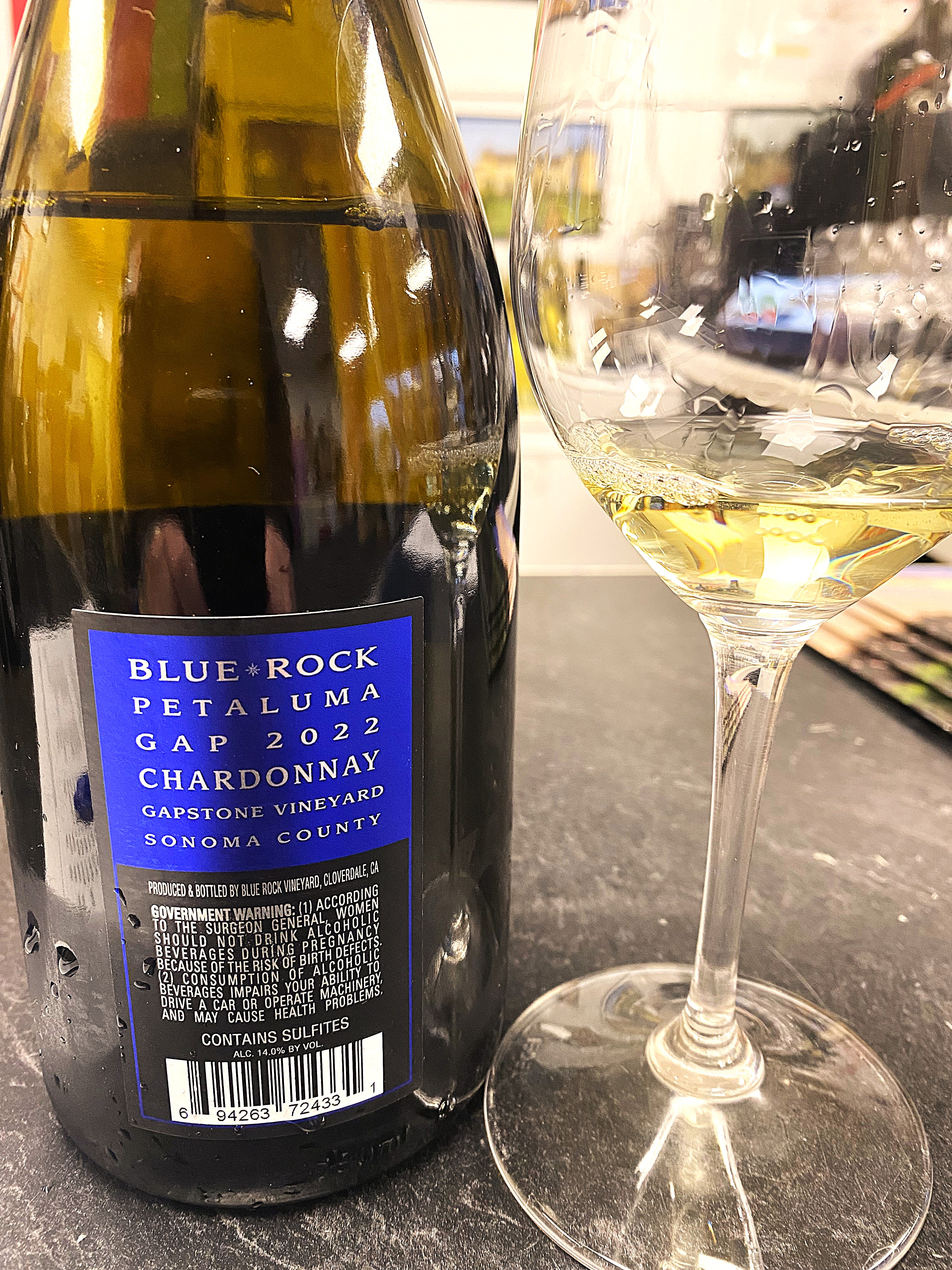
The final wine of the tasting was La Bioca “Bussia” Barolo DOCG 2019.   La Bioca is a small winery in the Langhe near Serralunga d’Alba.  The winery has eight hectares of vineyards located in Monforte d’Alba, Novello, La Morra and Barbaresco.  This wine is pure Nebbiolo, and the fruit is hand-harvested, destemmed and cold maceration for a few days.  The wine undergoes fermentation in Stainless-Steel tanks without temperature control for seven days with regular punching down and pumping over: with secondary maceration for twenty-five days.  The wine is then aged for a minimum of eighteen months in oak casks.  A deep garnet colored wine that offered notes of black cherries, blood oranges, violets and a whiff of cinnamon.  On the palate this full-bodied wine displayed tones of black cherries and other black fruit, citrus, and spices blended with velvety tannins, bright acidity and ending with a long count finish of fruit, spices and terroir.  

Posted in Wine | Tagged , , , , , , , , , , , , | 3 Comments