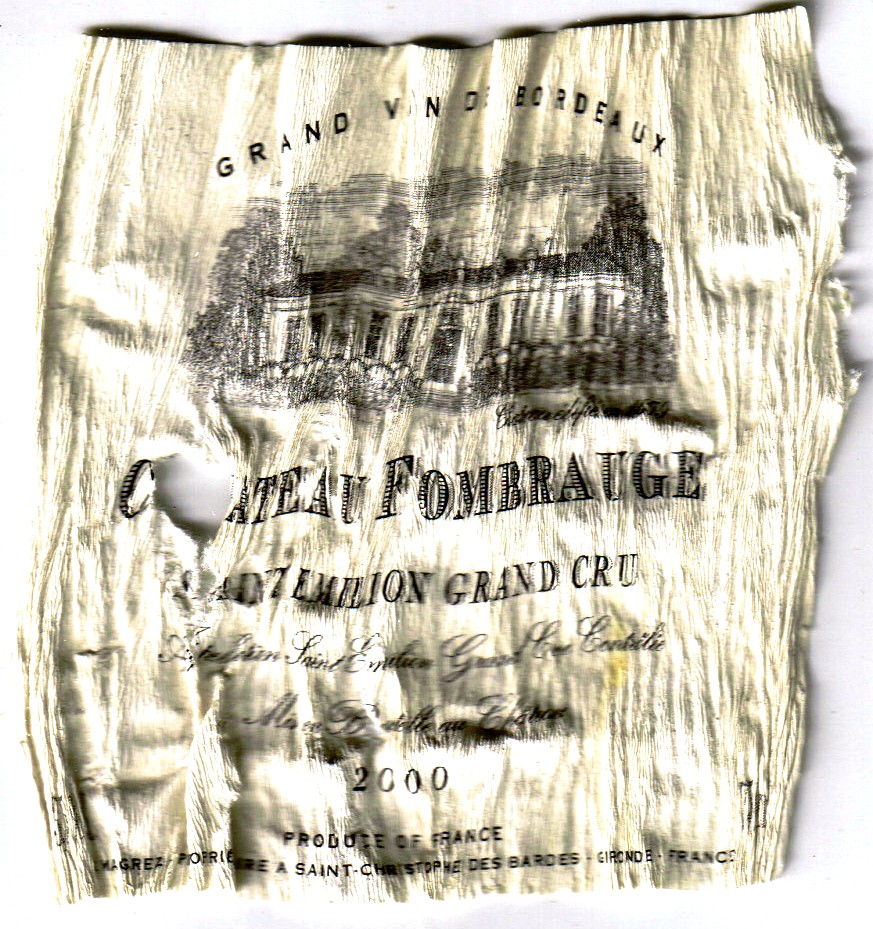
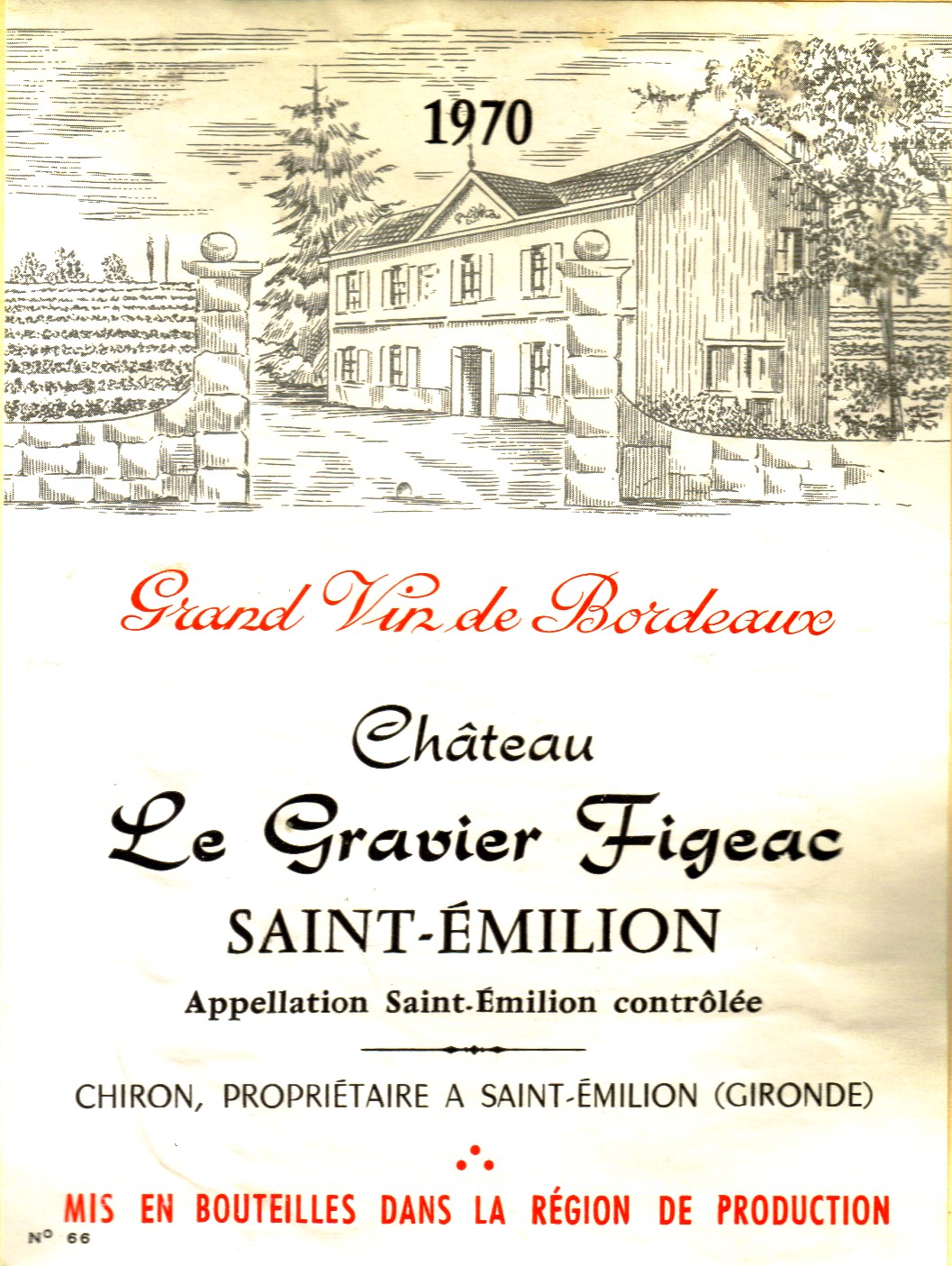
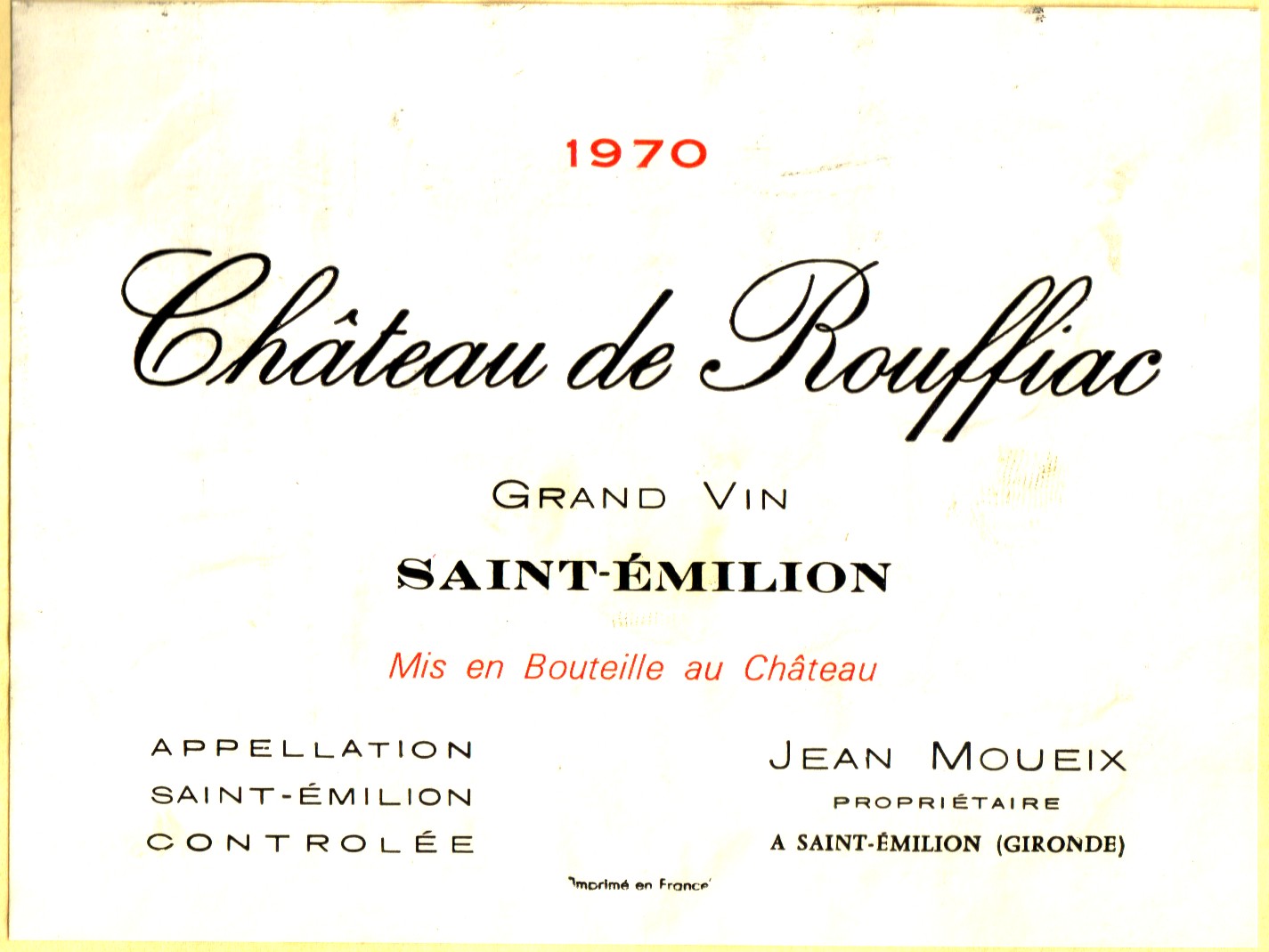
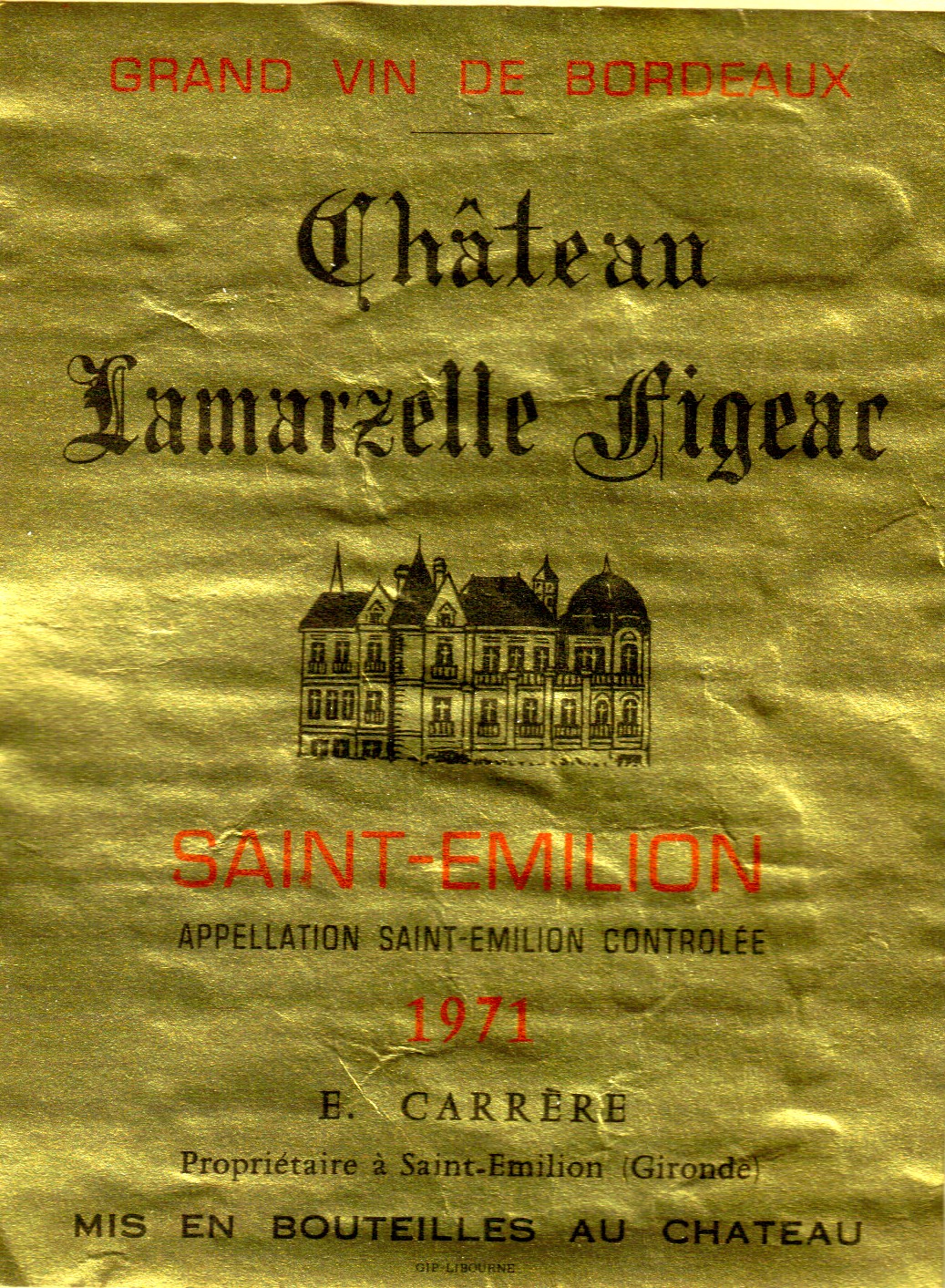
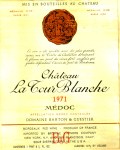
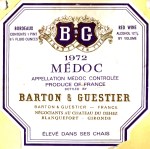
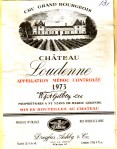
Saint-Emilion (Part Two)

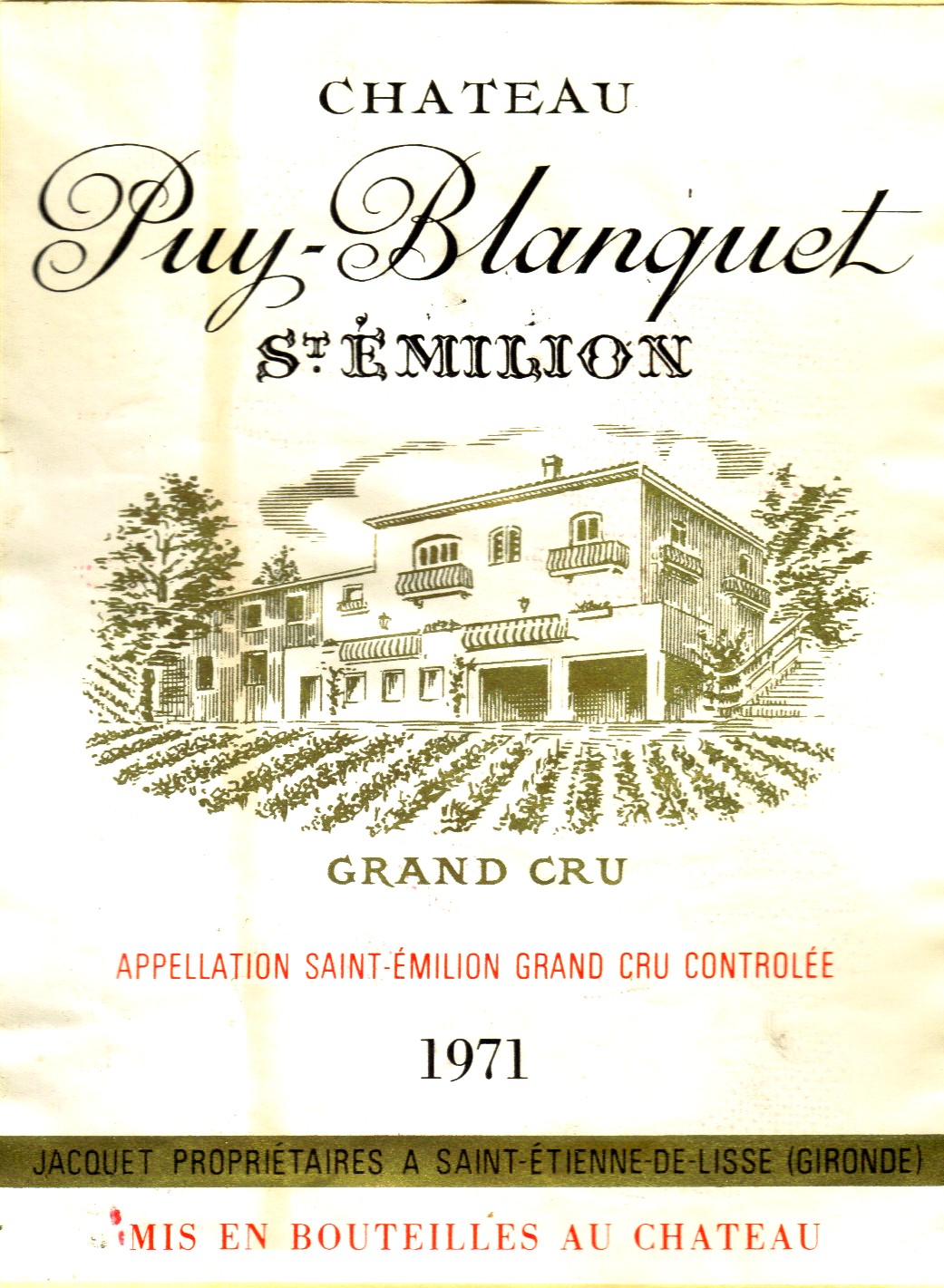
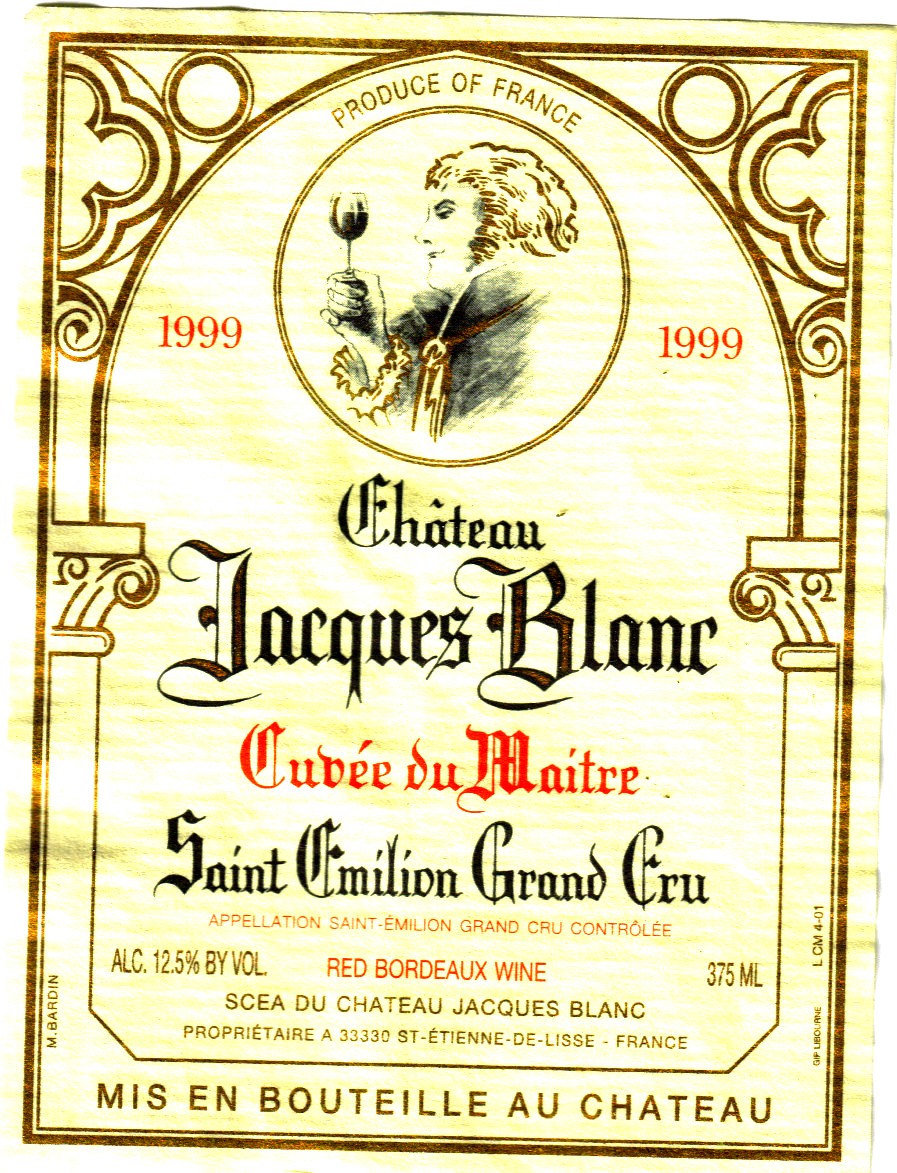
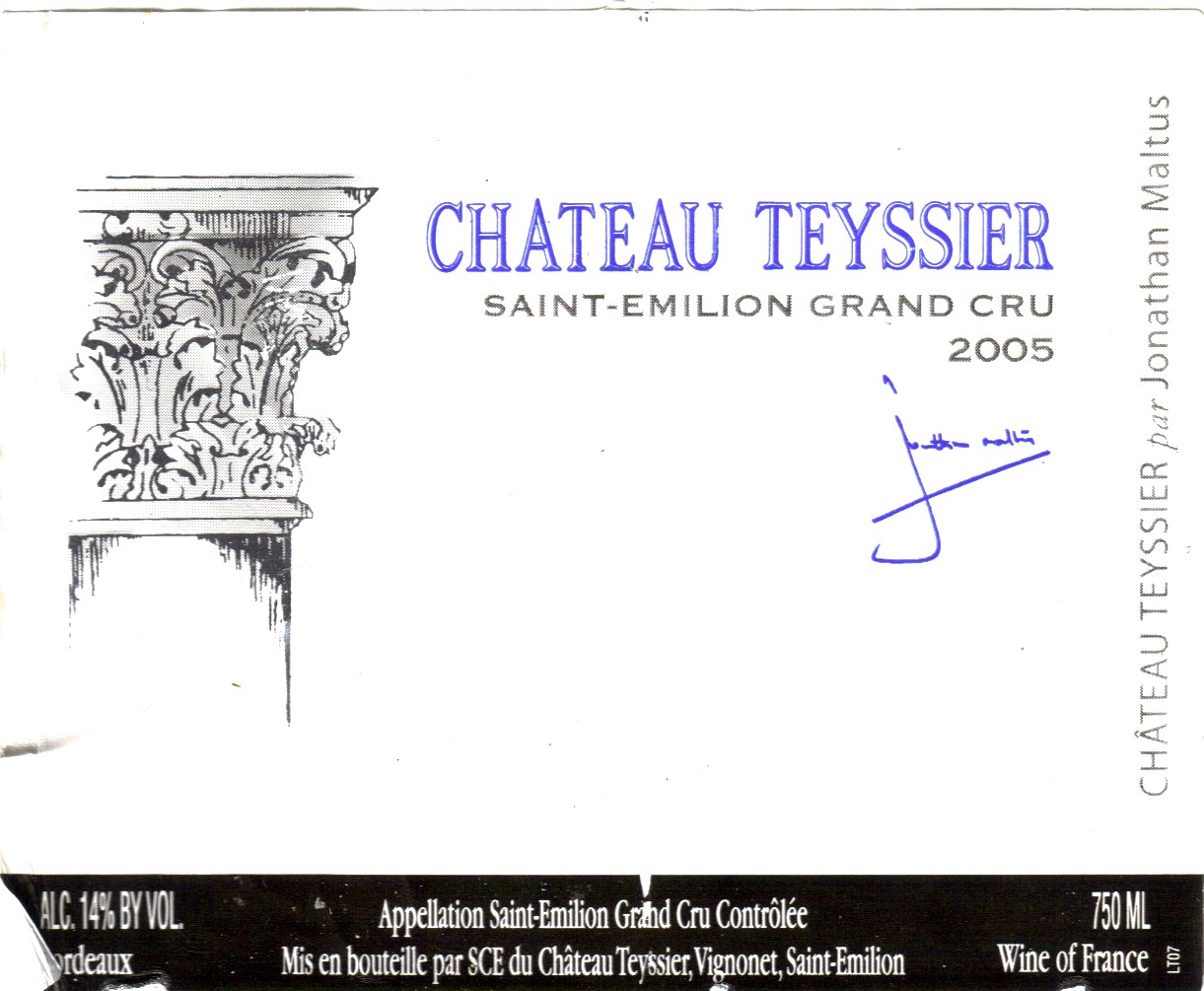
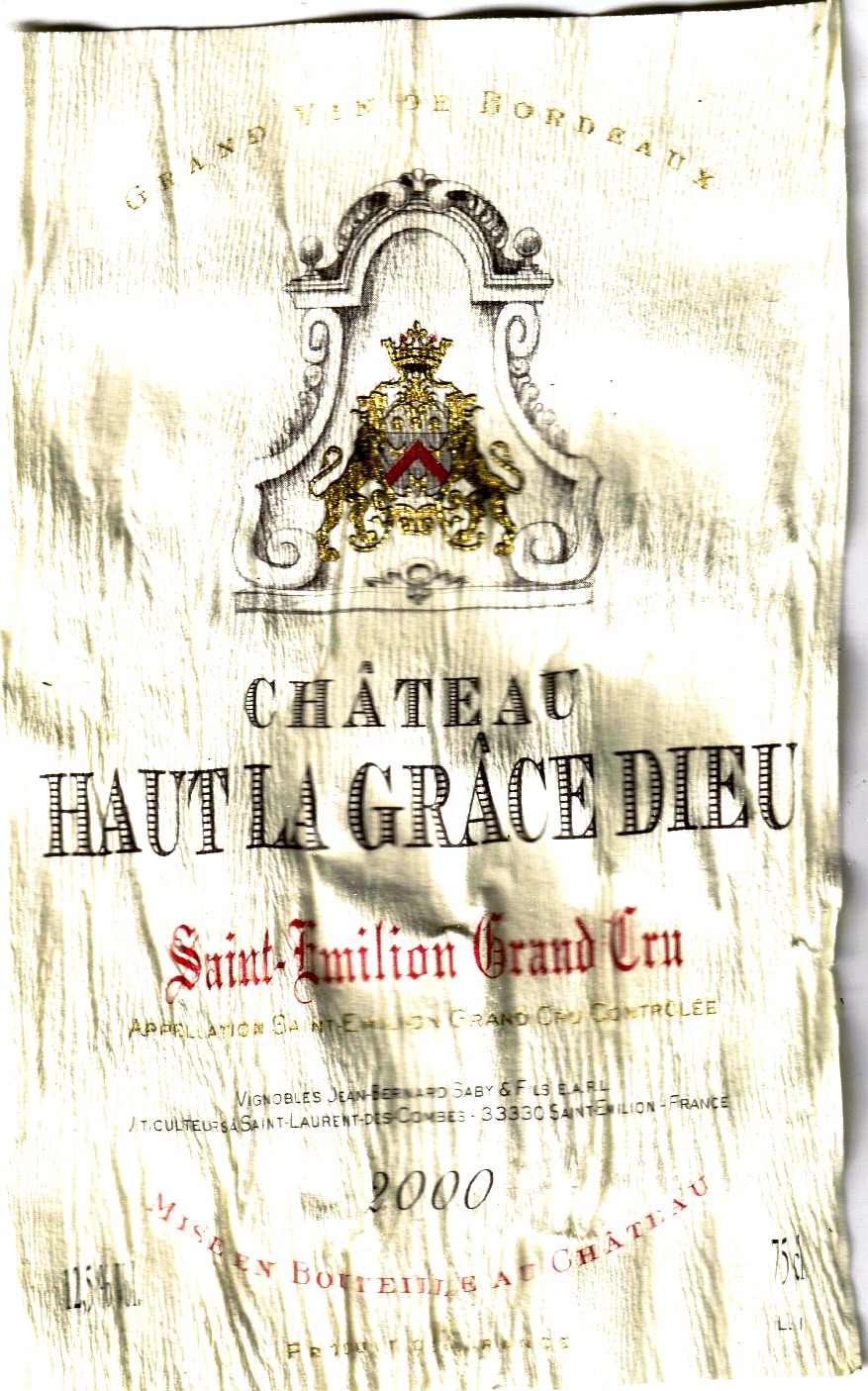
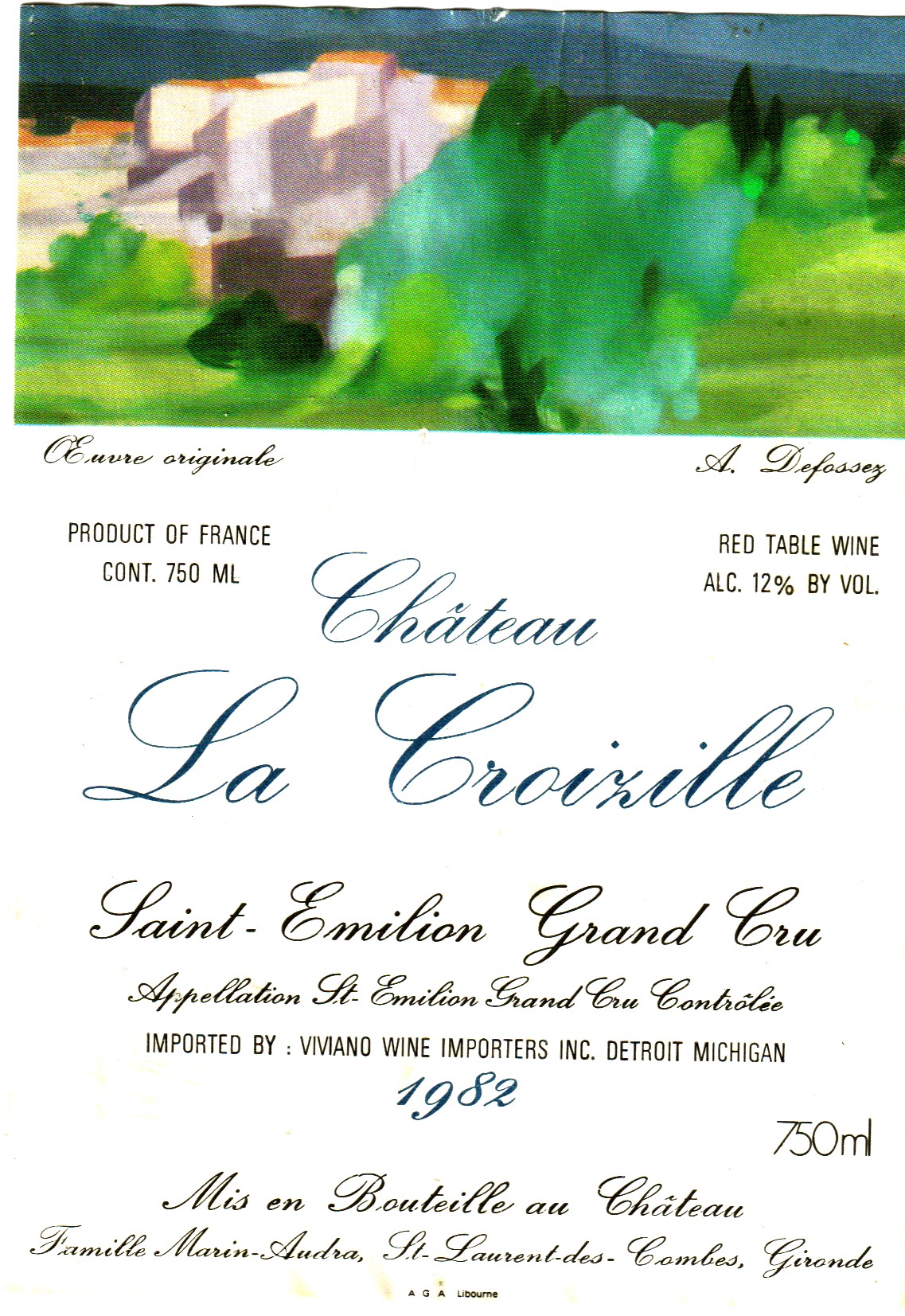
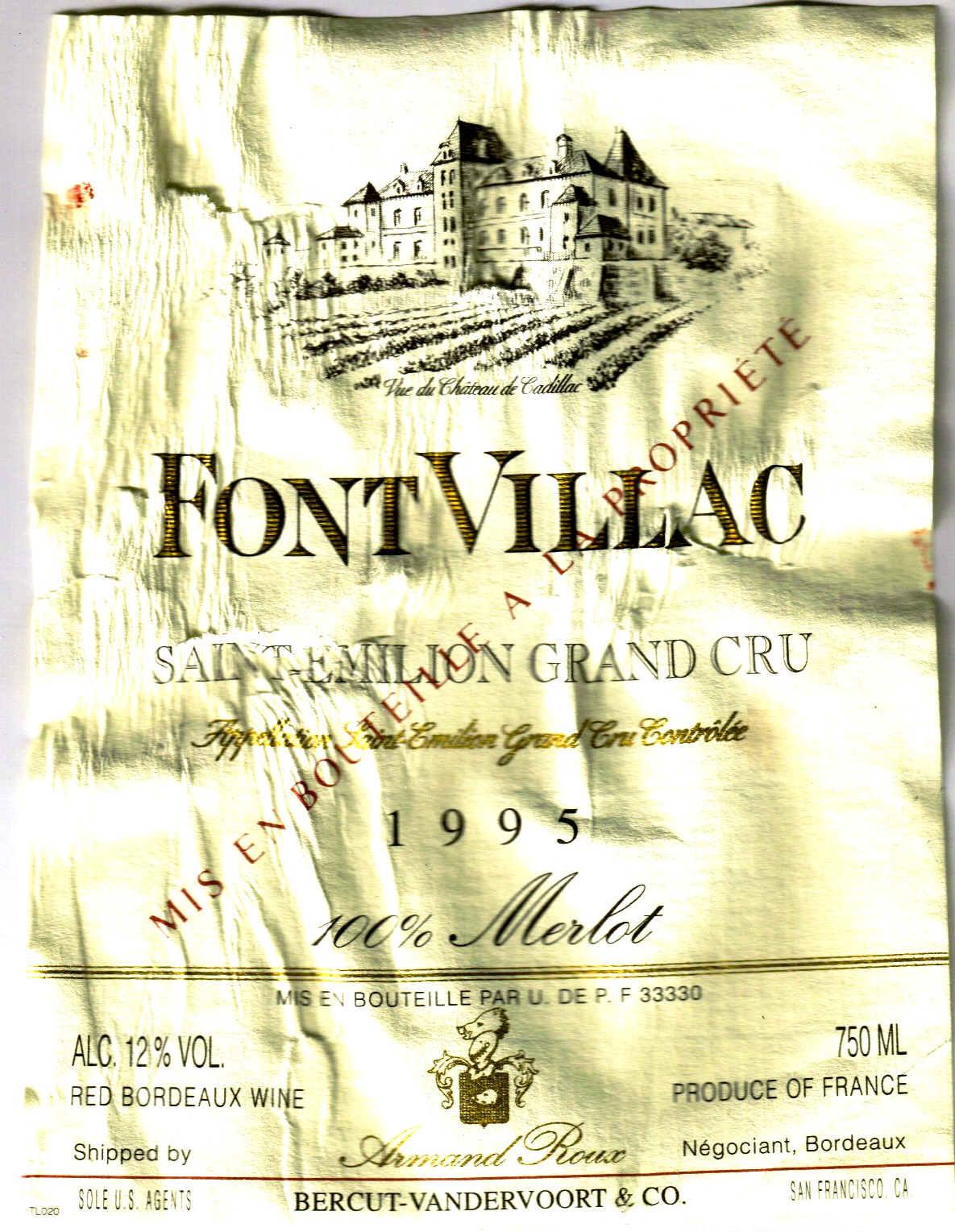
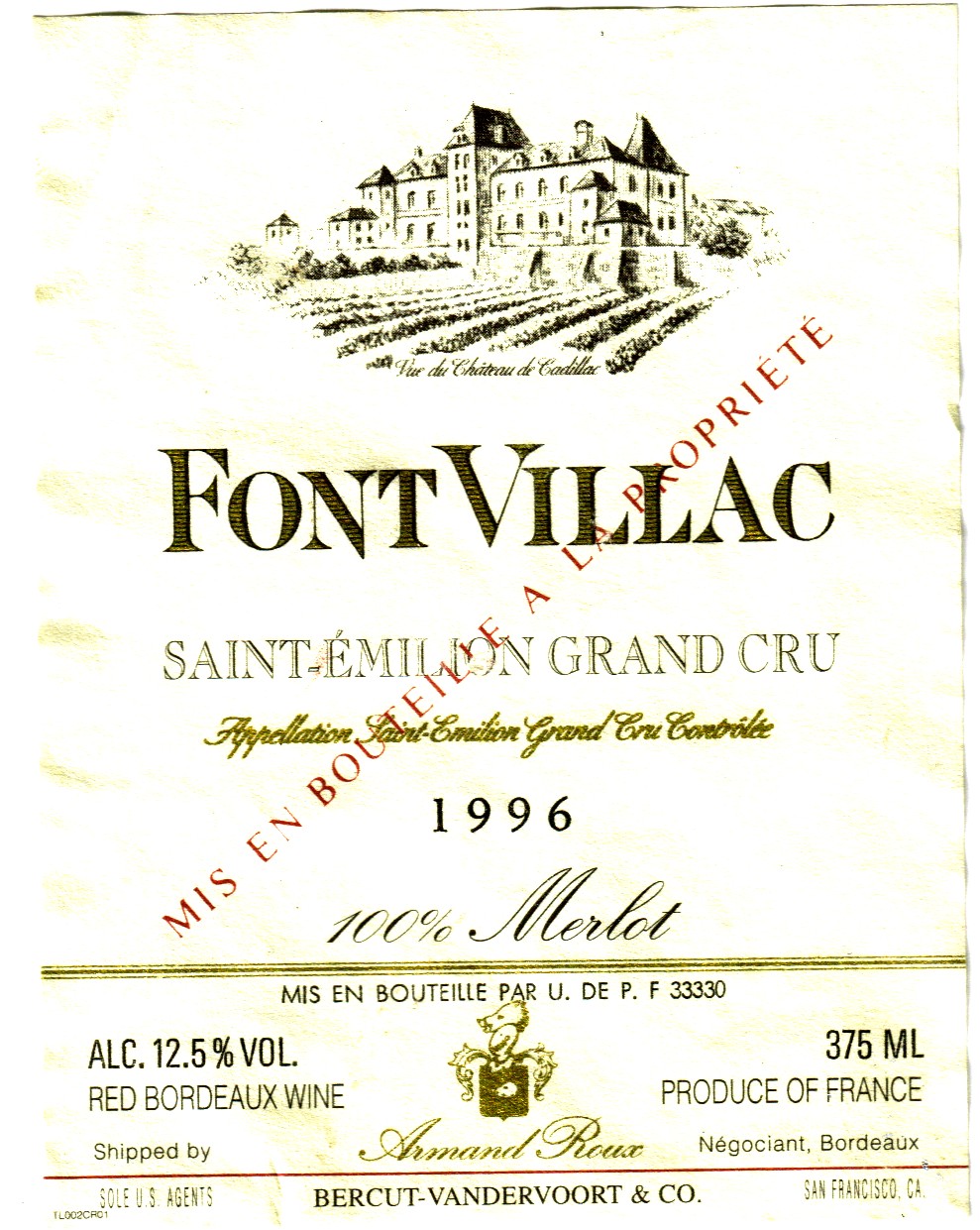
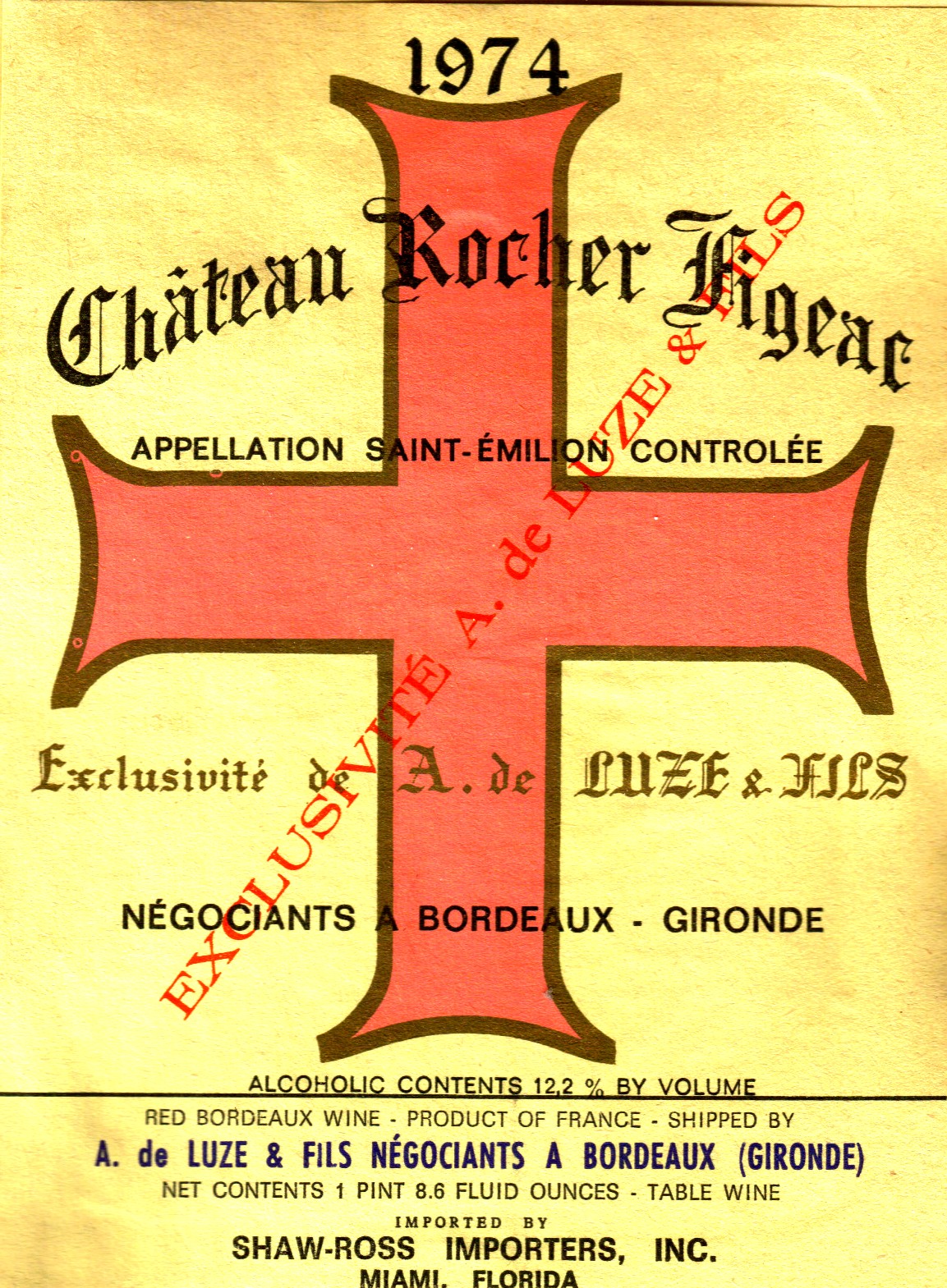
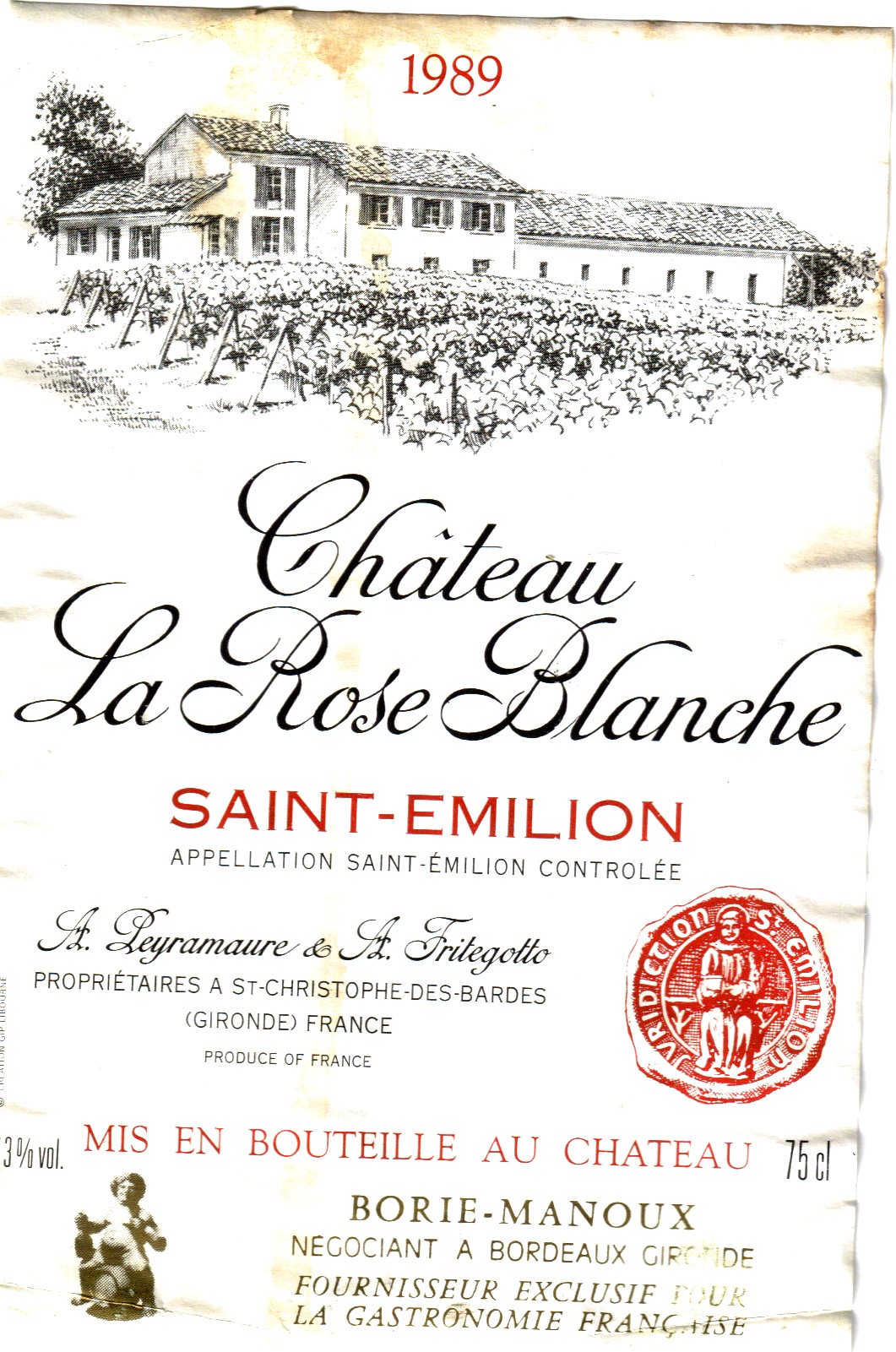
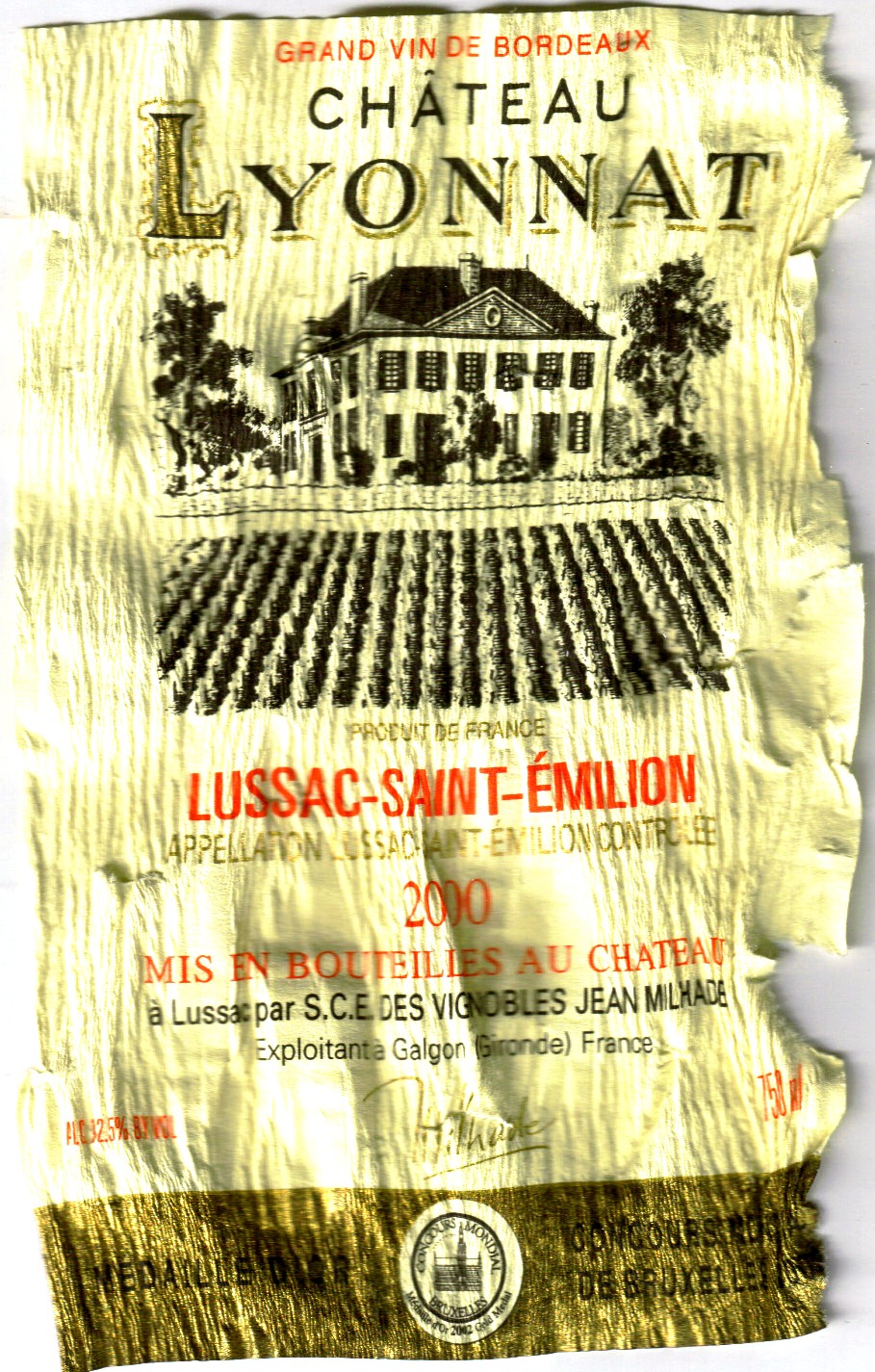
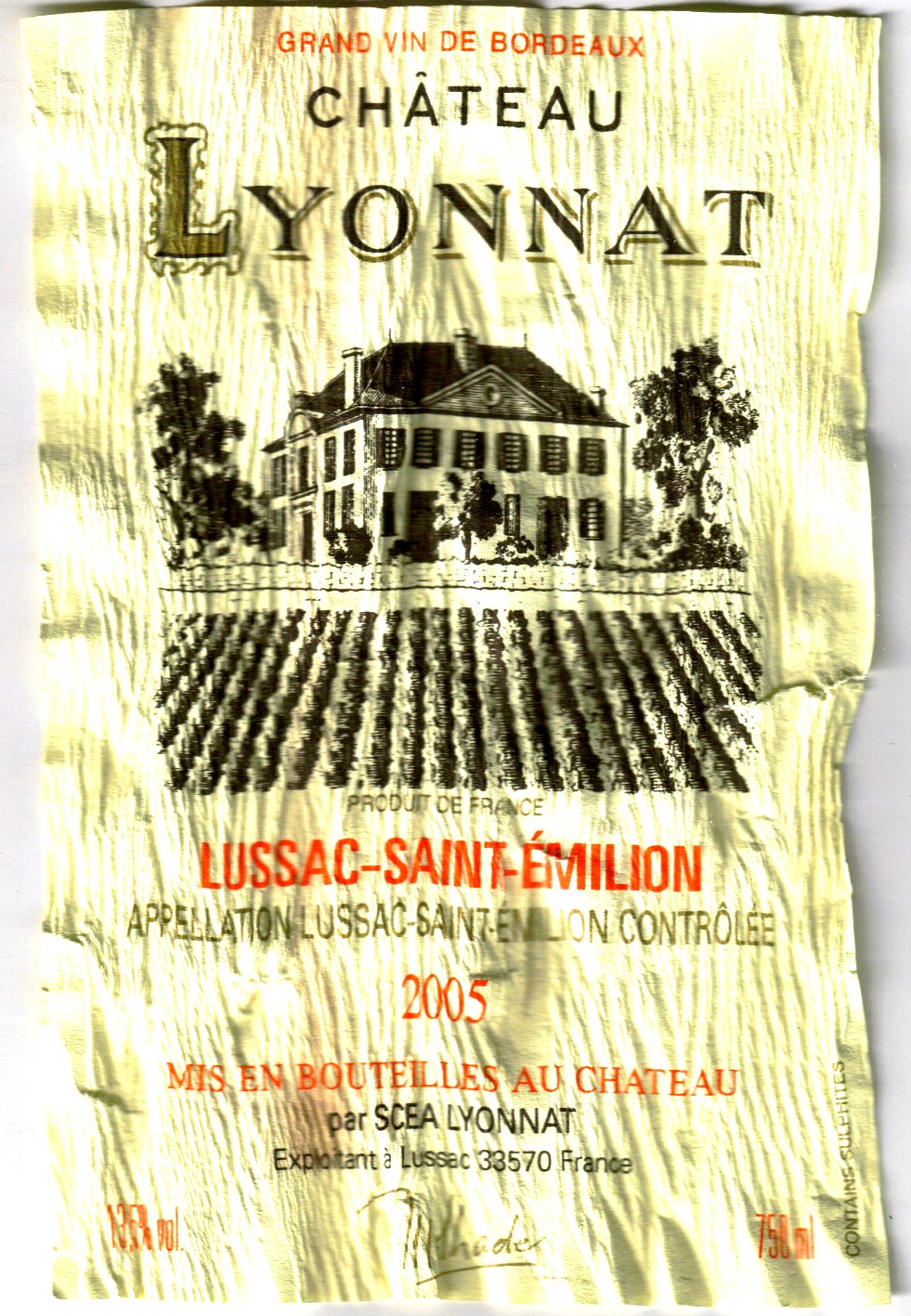
Beyond the classified properties of Saint-Emilion are many gems to discover at very reasonable prices.  As you look at a wine list you will see this designation listed and keep scrolling on the list until you find one that is either affordable or sounds interesting.  I do believe you will be happy with your selection.


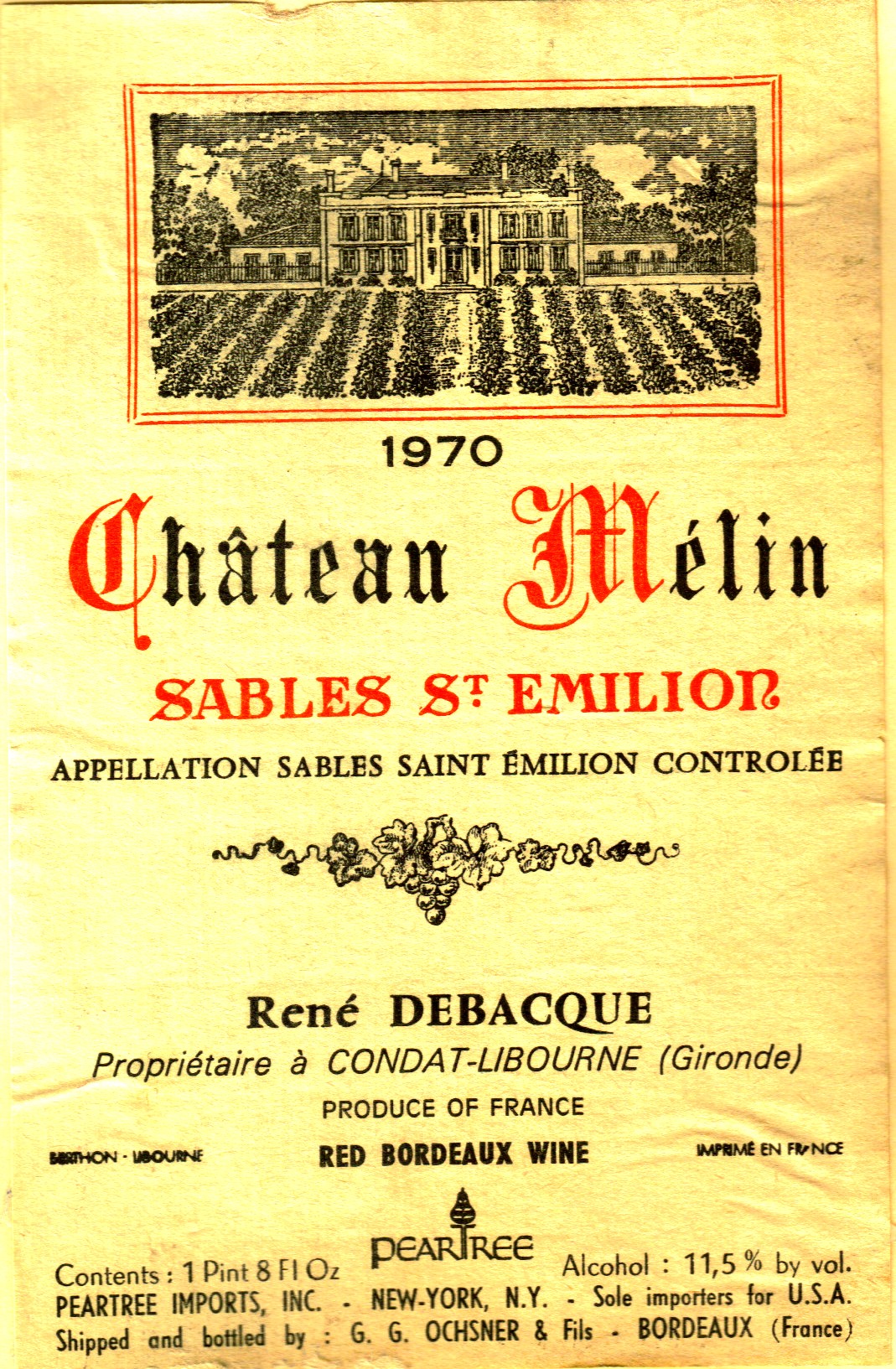
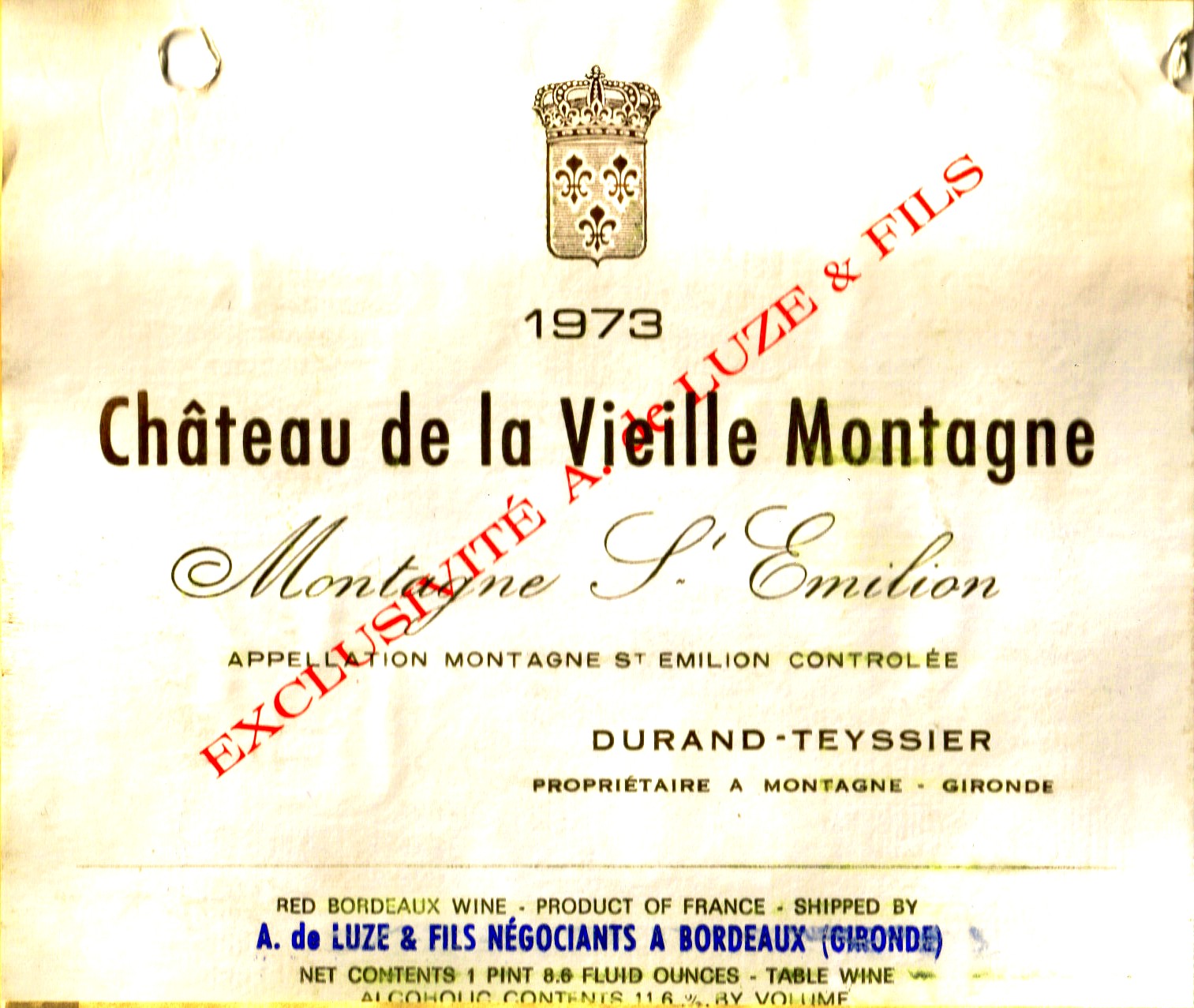
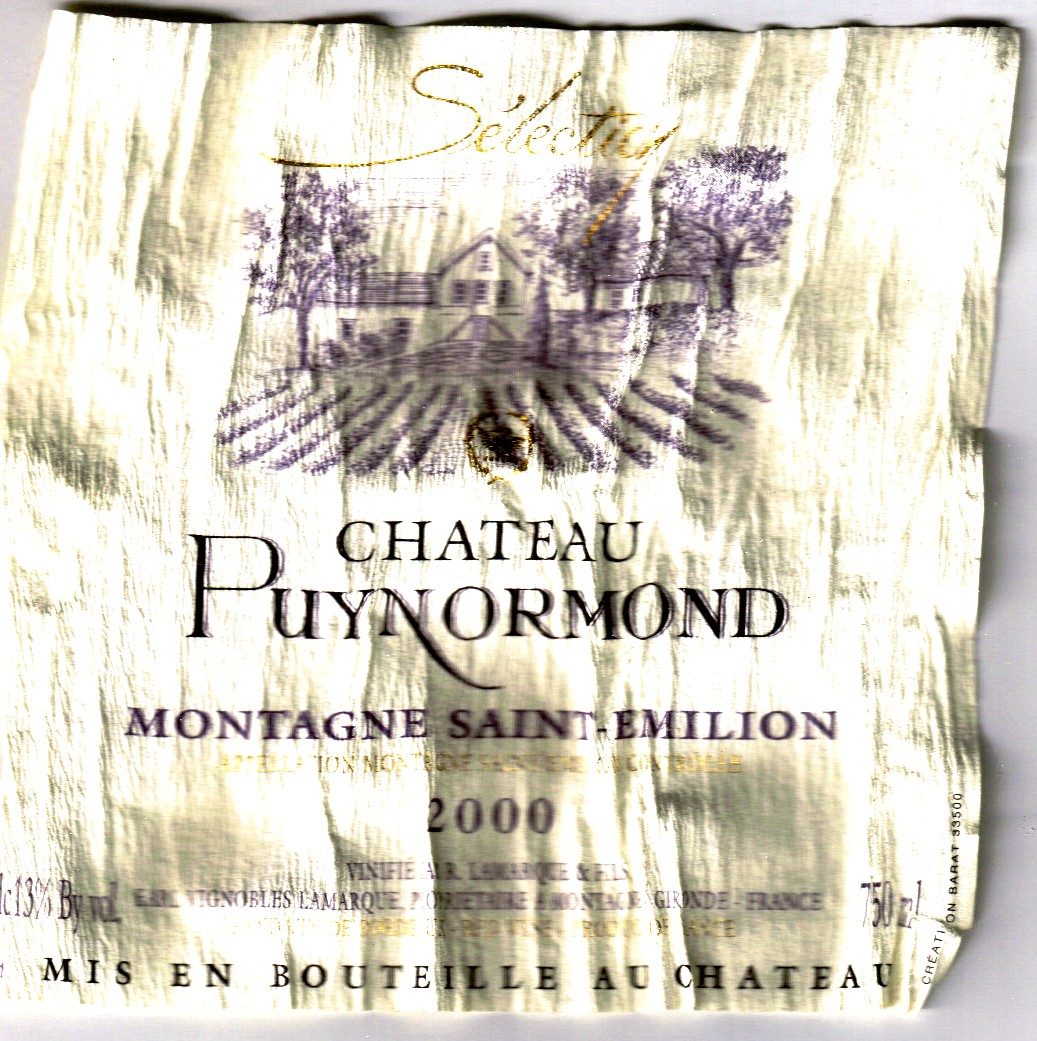
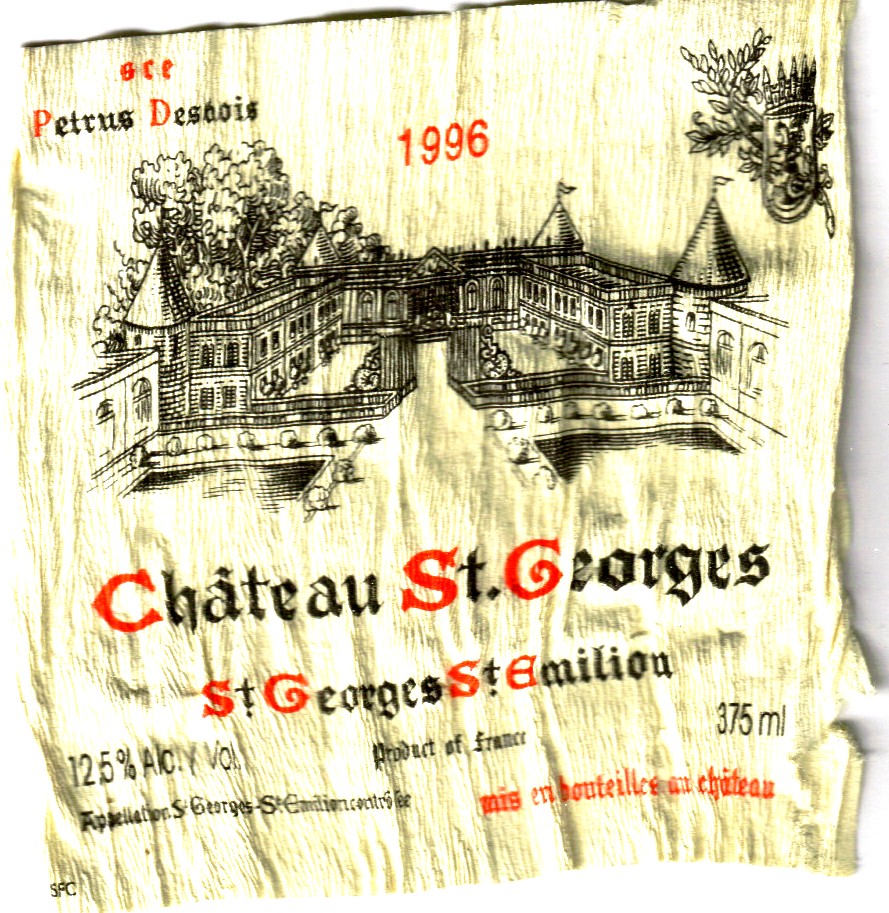
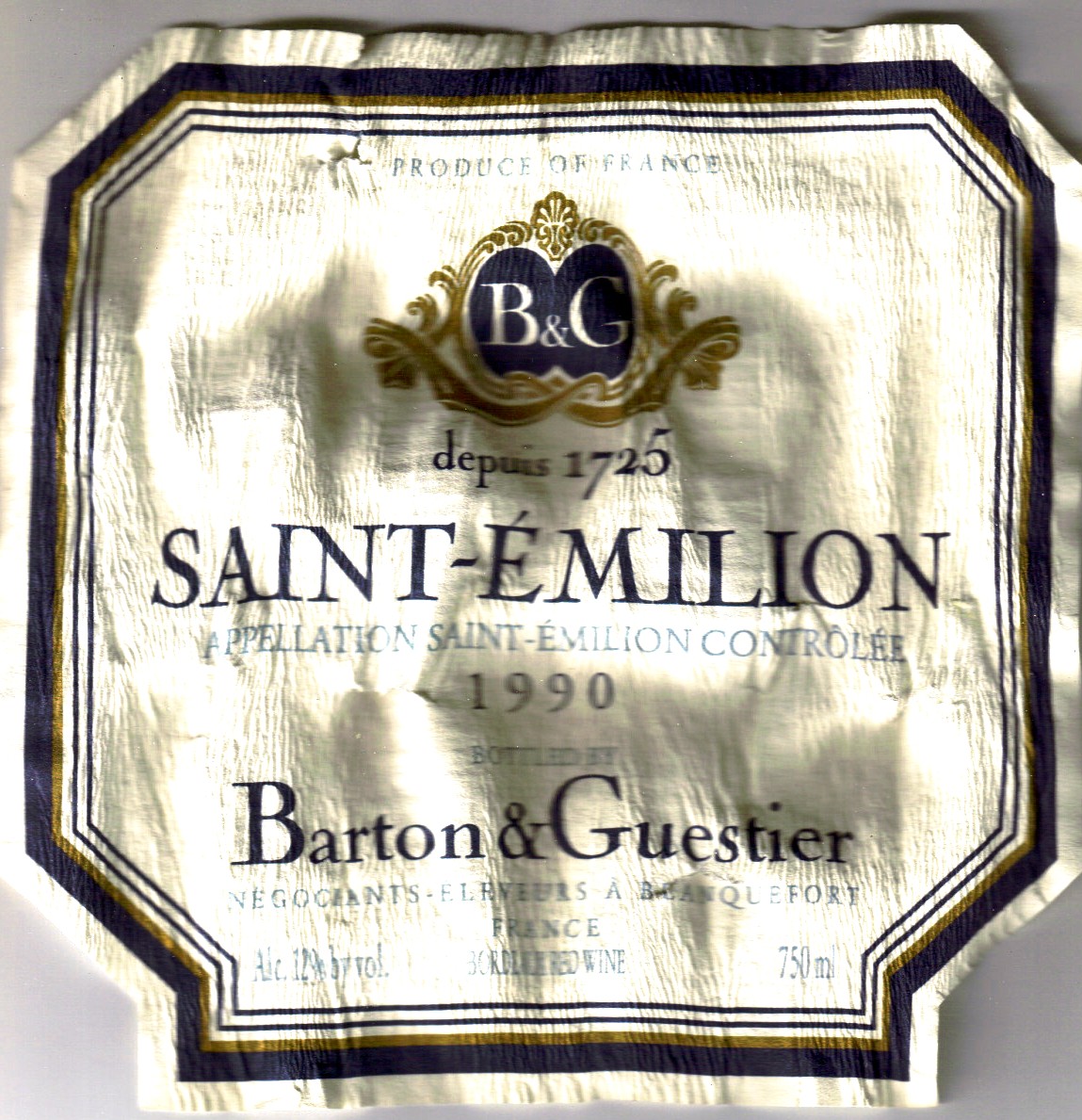
You may also look for some of the smaller communes that have appended Saint-Emilion to their Appelation Controlee.  Two of these are Sables-Saint-Emilion, Saint-Georges-Saint-Emilion and Montagne-Saint-Emilion.   Also look for the Negociants blended wines.


Sables-Saint-Emilion

Montage-Saint-Emilion


Saint-Georges-Saint-Emilion

Negociant Blends


Posted in Wine | Tagged , , | Leave a comment

Saint-Emilion

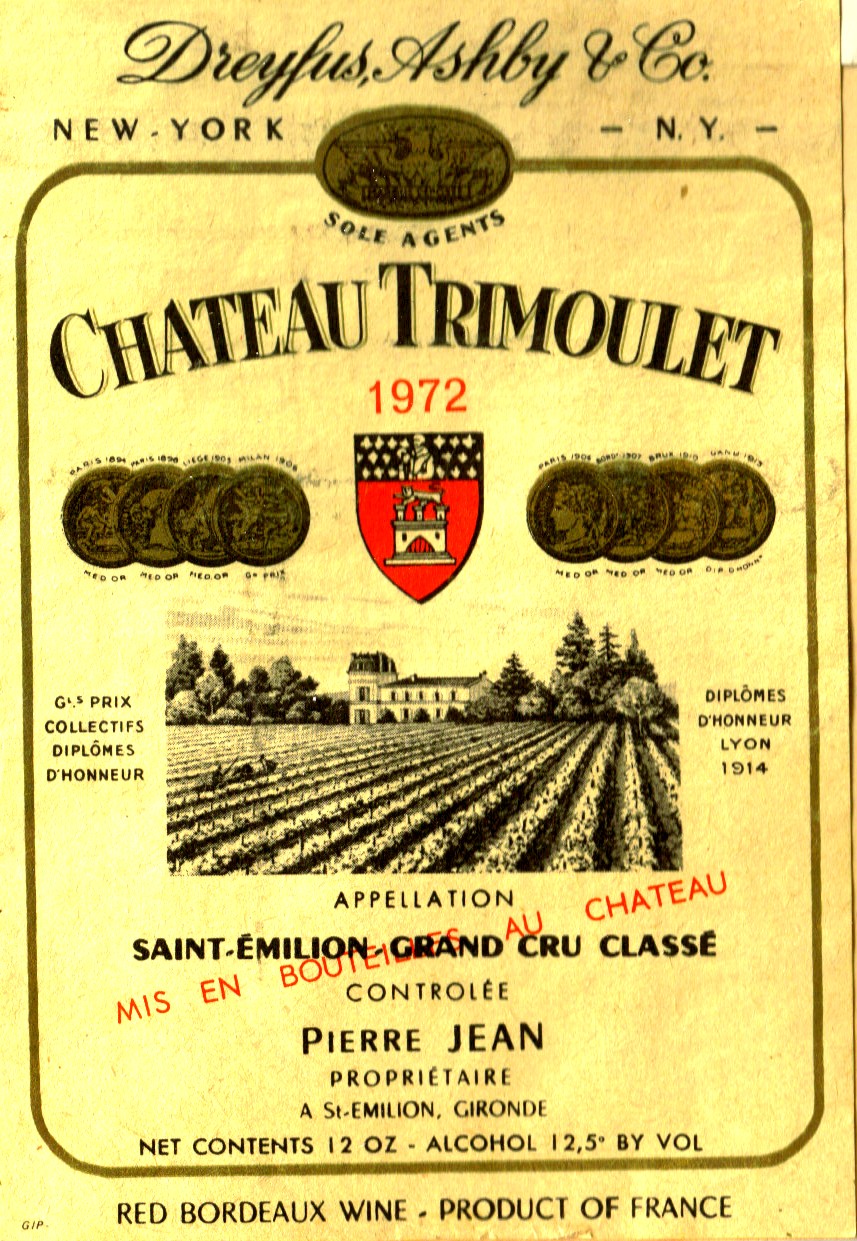
This is one of the earliest “appellation” districts that I discovered and one of my favorites to this day.   It is still grouped under the umbrella of Bordeaux, but it tends to be more wallet-friendly and a great bang for the buck.  Saint-Emilion is referred to as the “Burgundy” of Bordeaux as it tends to be softer and suppler and it tends to age quicker than the Medoc.  Saint-Emilion also produces more wine than the Medoc, so it is a large area, which offers great flexibility and study, not to mention years of quality tasting and enjoyment.   That is not to say that the wines are cheap, the top two wines in the classification tend to rival the best of the Medoc both in quality and price.

The wines were originally classified in 1955 then again in 1996 and once more in 2006.  Whether this is all from politics or not, I leave to pundits more informed than I.   The listings are Premiers Grands Crus Classes – A, Premiers Grands Crus Classes – B, Grands Crus Classes and then many unclassified properties that have the haughty accolade of Grand Cru.  This has been allowed through nuances in the “appellation” laws.  It does not infer a wine of great quality or special terroir but just another grouping in the gray shade of the rules.  There are also five small appellation controlee communes that have affixed Saint-Emilion to their designation.

I will break this listing into two entries, because there are a lot of wineries to be covered.  I think that you will find any of the wines of Saint-Emilion to be enjoyable and will enhance any meal that they are paired with.

Premiers Grands Crus Classes – A

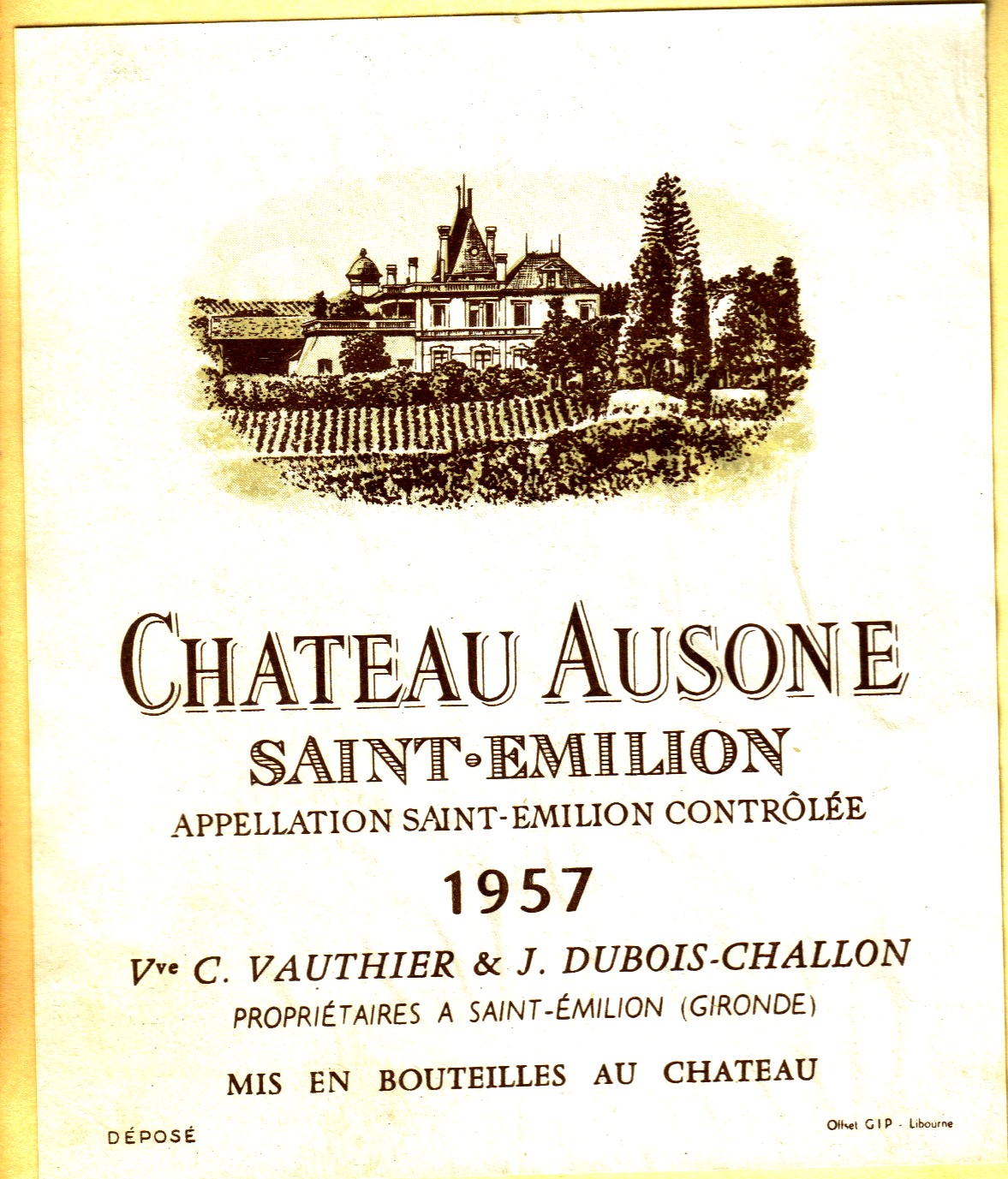
Chateau Ausone

Chateau Cheval-Blanc
Premiers Grands Crus Classes – B

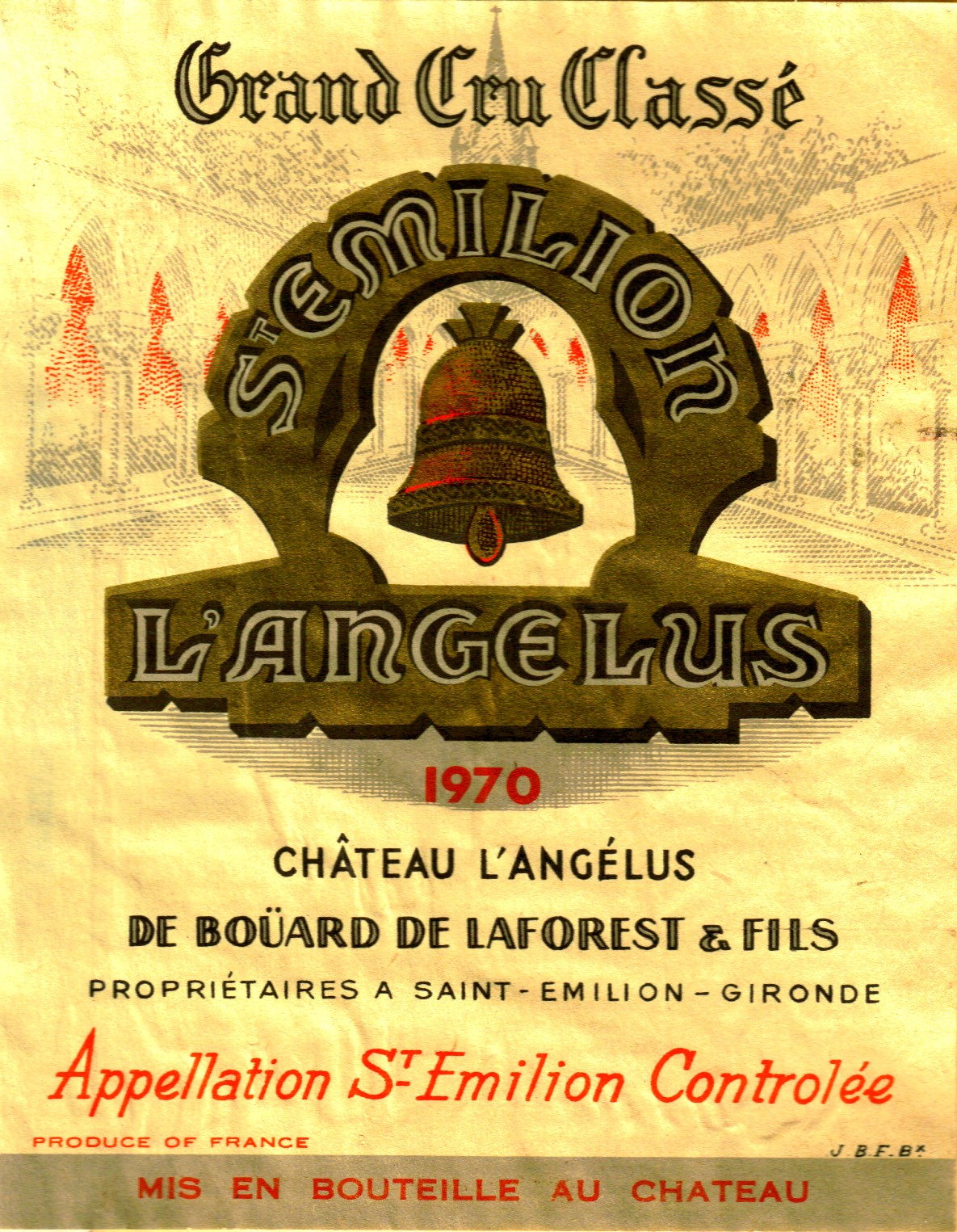
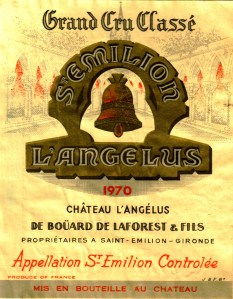
Chateau Angelus
Chateau Beau-Sejour Becot

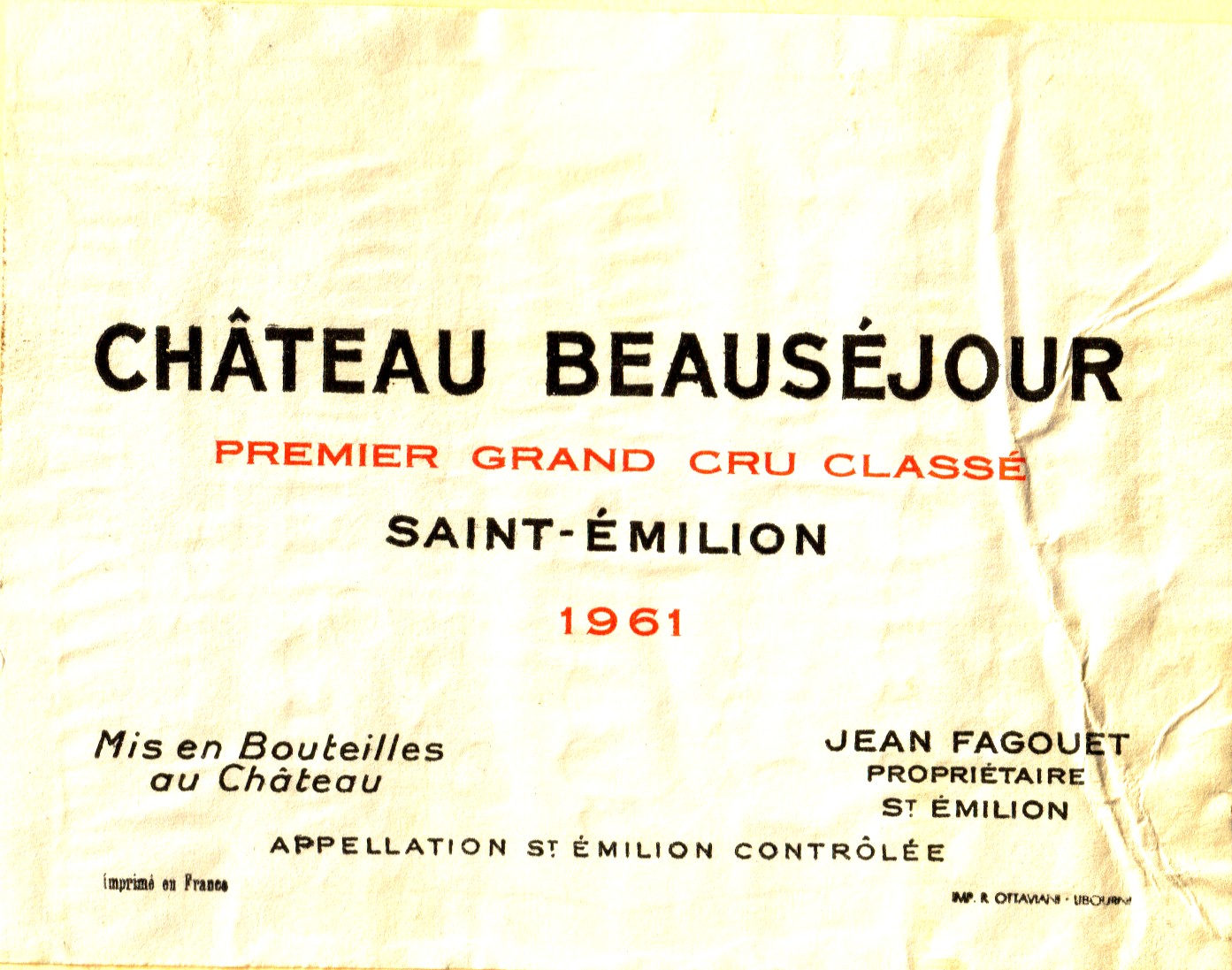
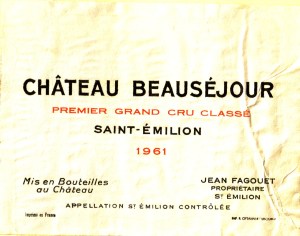
Chateau Beausejour (Duffau-Lagarrosse)
Chateau Belair-Monange

Chateau Canon

Chateau Figeac

Clos Fourtet

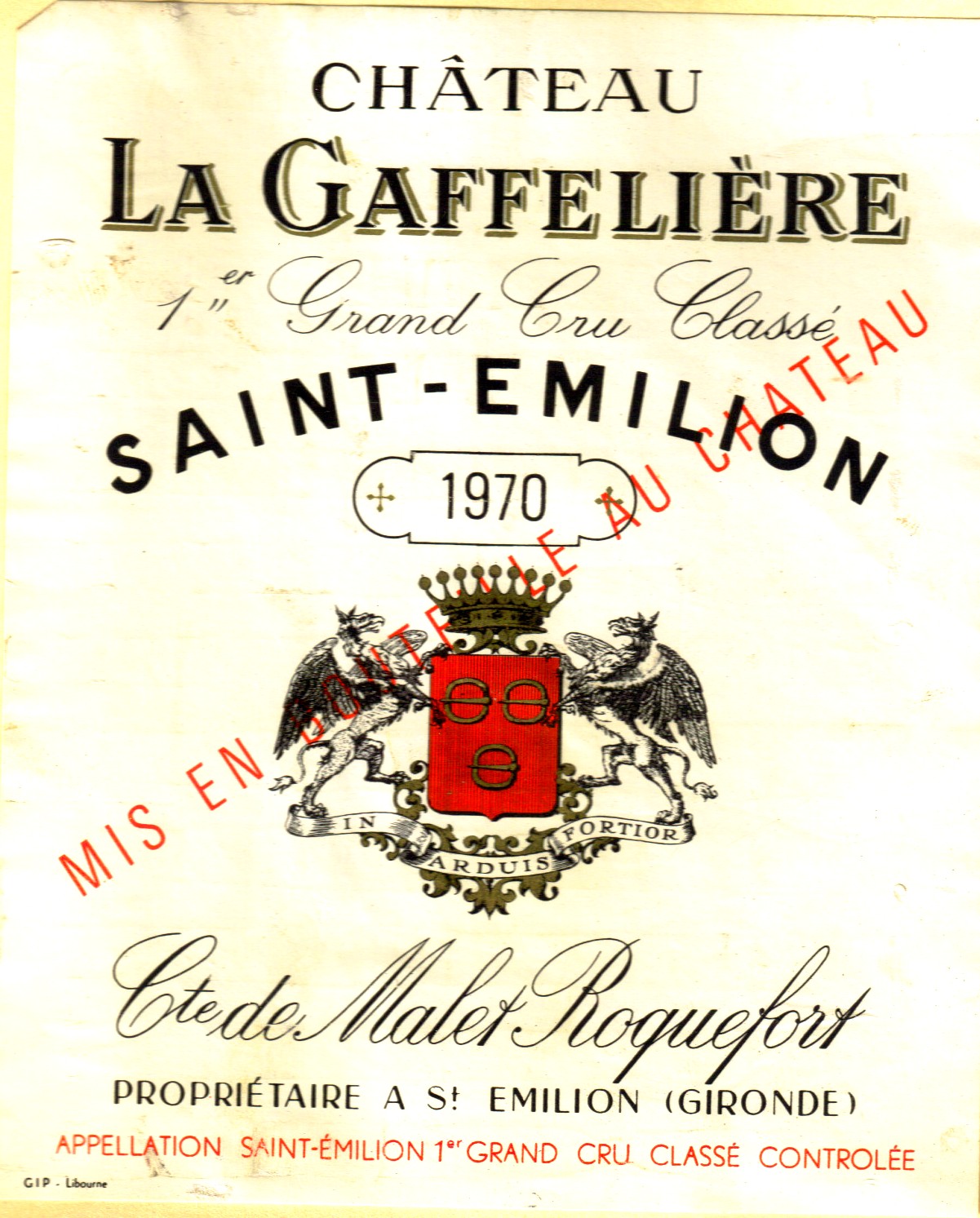
Chateau La Gaffeliere

Chateau Magdelaine

Chateau Pavie

Chateau Pavie-Macquin

Chateau Troplong-Mondot

Chateau Trottevieille

Grands Crus Classes

Chateau L’Arrosee

Chateau Balestard La Tonnelle

Chateau Bellefont-Belcier

Chateau Bellevue

Chateau Bergat

Chateau Berliquet

Chateau Cadet-Bon

Chateau Cadet-Piola

Chateau Canon-la-Gaffeliere

Chateau Cap-de-Mourlin

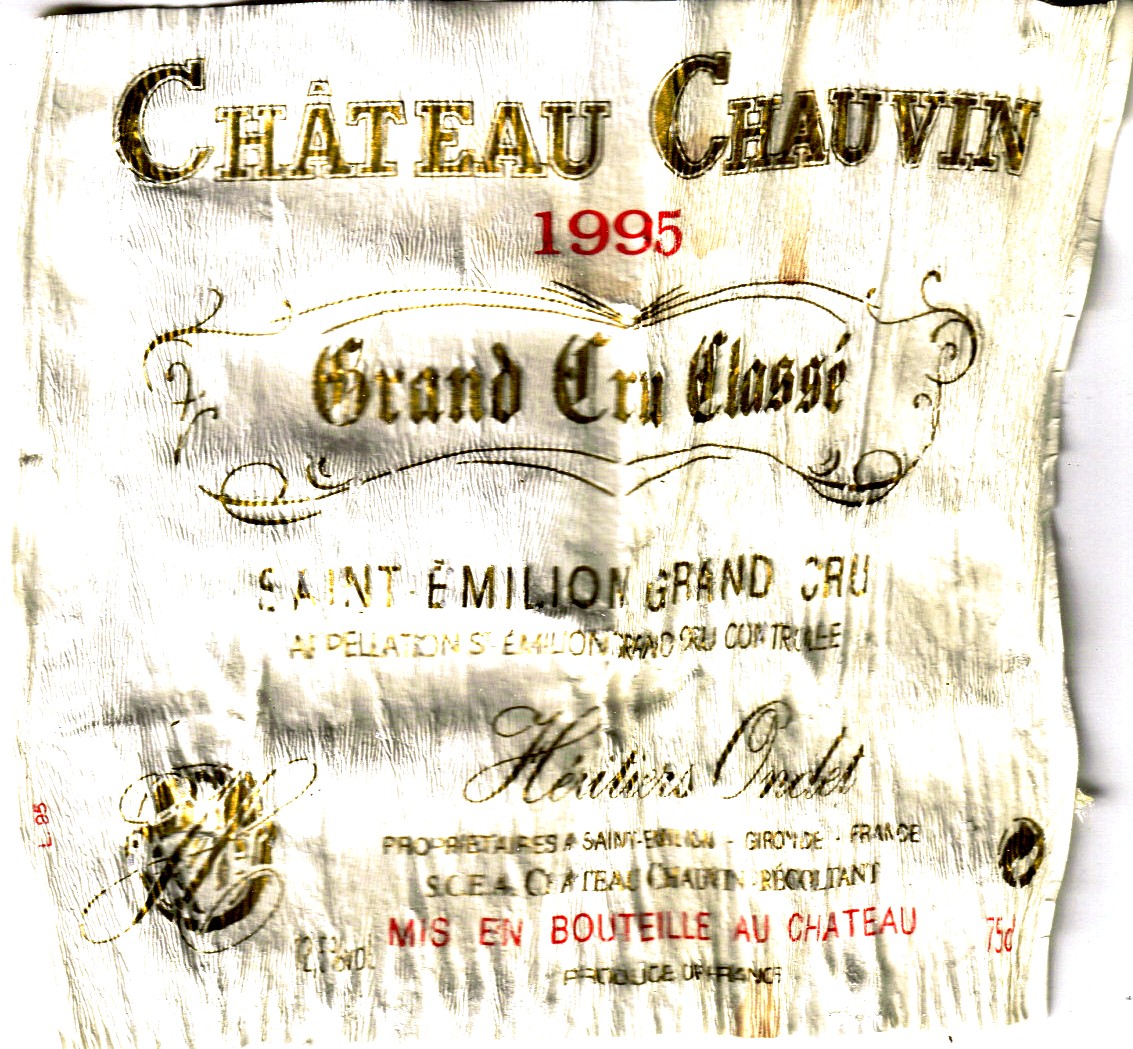
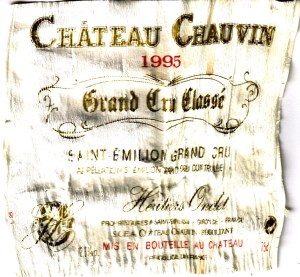
Chateau Chauvin
Chateau La Clotte

Chateau Corbin

Chateau Corbin-Michotte

Chateau La Couspaude

Convent des Jaacobins

Chateau Dassault

Chateau Destieux

Chateau La Dominique

Chateau Faurie-de-Souchard

Chateau Fleur-Cardinale

Chateau Fonplegade

Chateau Fonroque

Chateau Franc-Mayne

Chateau Grand-Corbin

Chateau Grand-Corbin-Despagne

Chateau Grand-Mayne

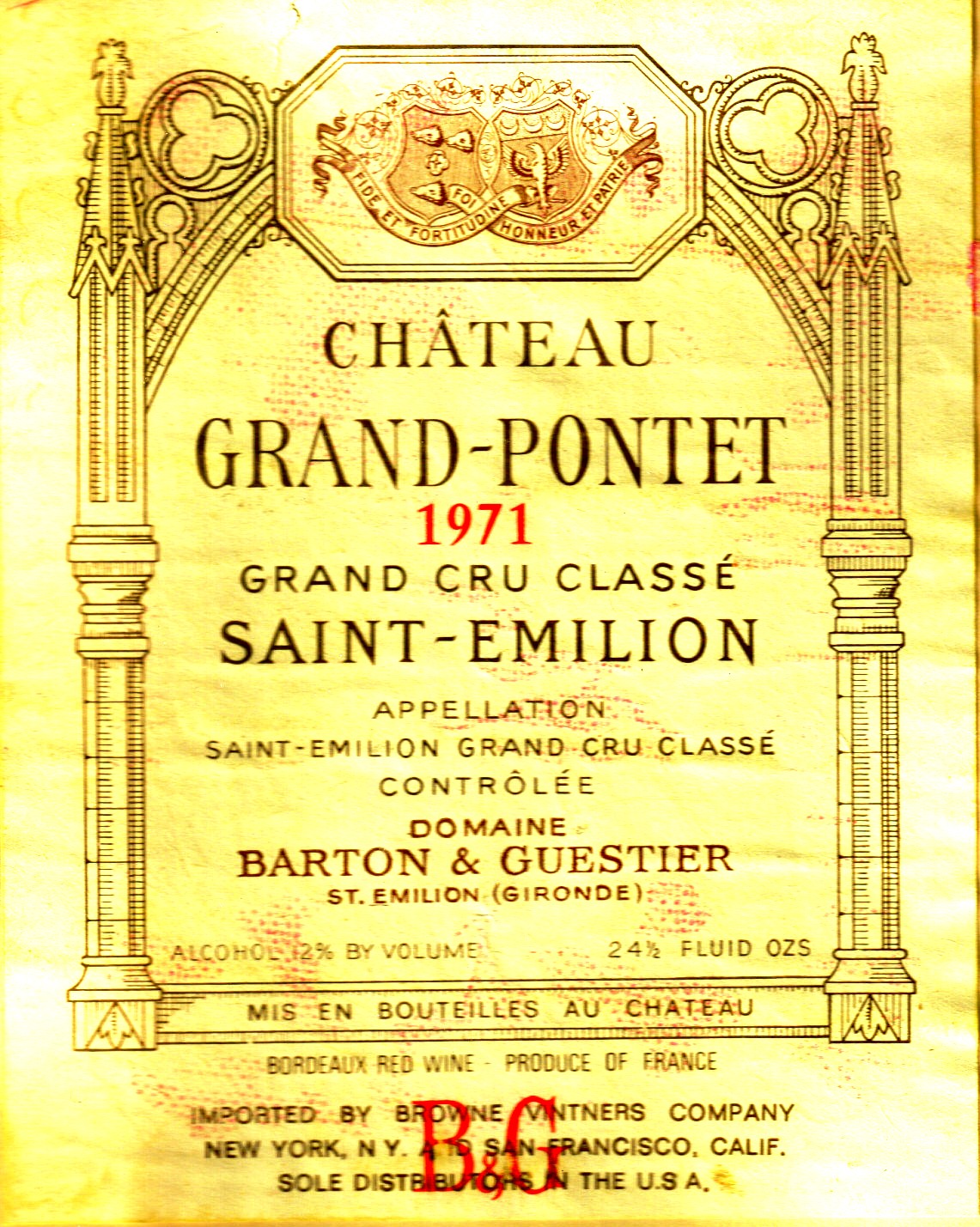
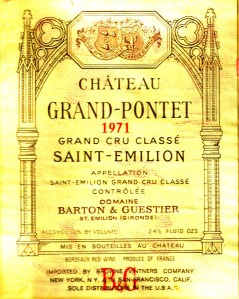
Chateau Grand-Pontet
Chateau Les Grandes-Murailles

Chateau Guadet St-Julien

Chateau Haut-Corbin

Chateau Haut Sarpe

Clos des Jacobins

Chateau Laniote

Chateau Larcis-Ducasse

Chateau Larmande

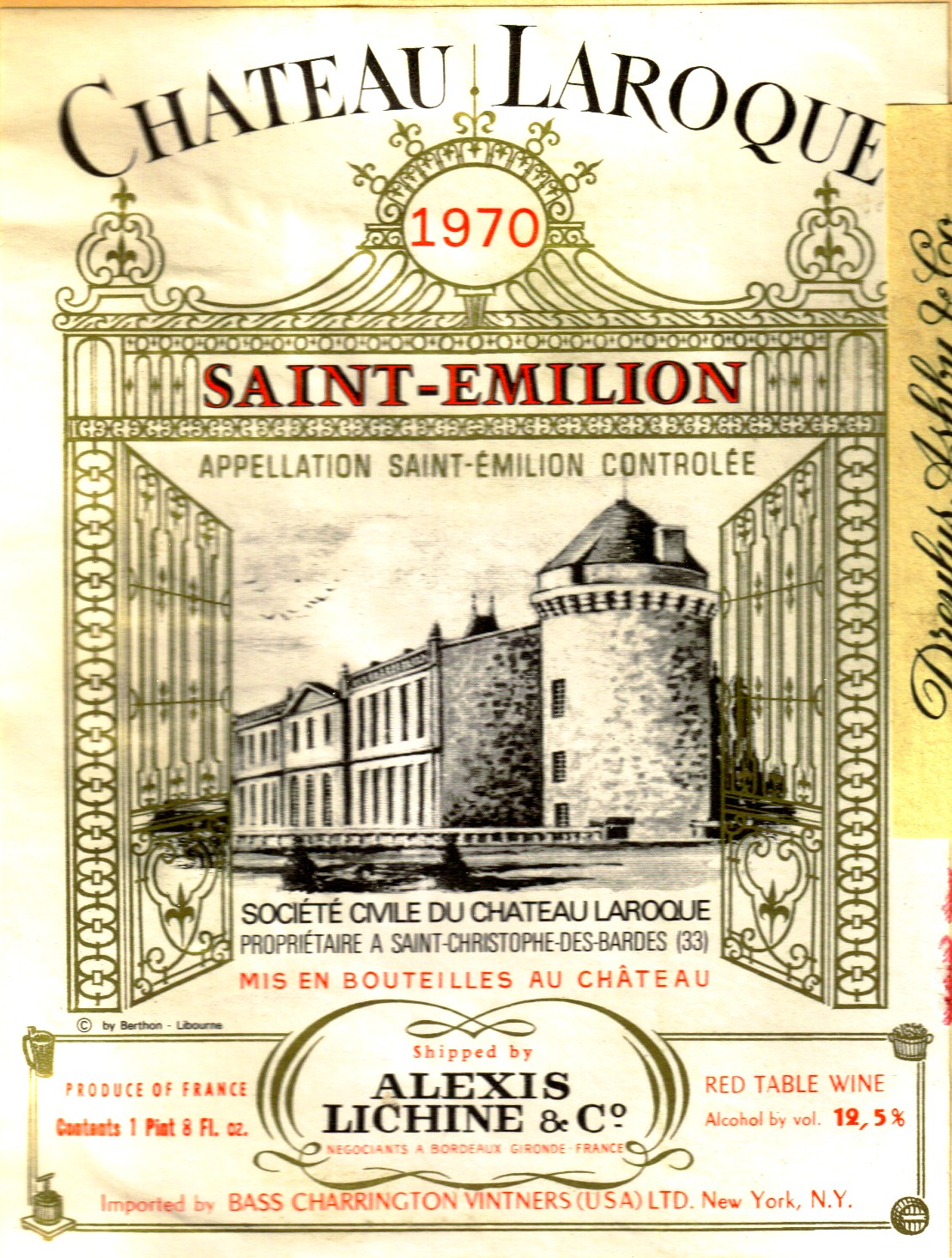
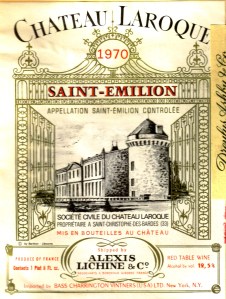
Chateau Laroque
Chateau Laroze

Chateau La Marzelle

Chateau Matras

Chateau Monbousquet

Chateau Moulin-du-Cadet

Clos de l’Oratoire

Chateau Pavie-Decesse

Chateau Petit-Faurie-de-Soutard

Chateau Le Prieure

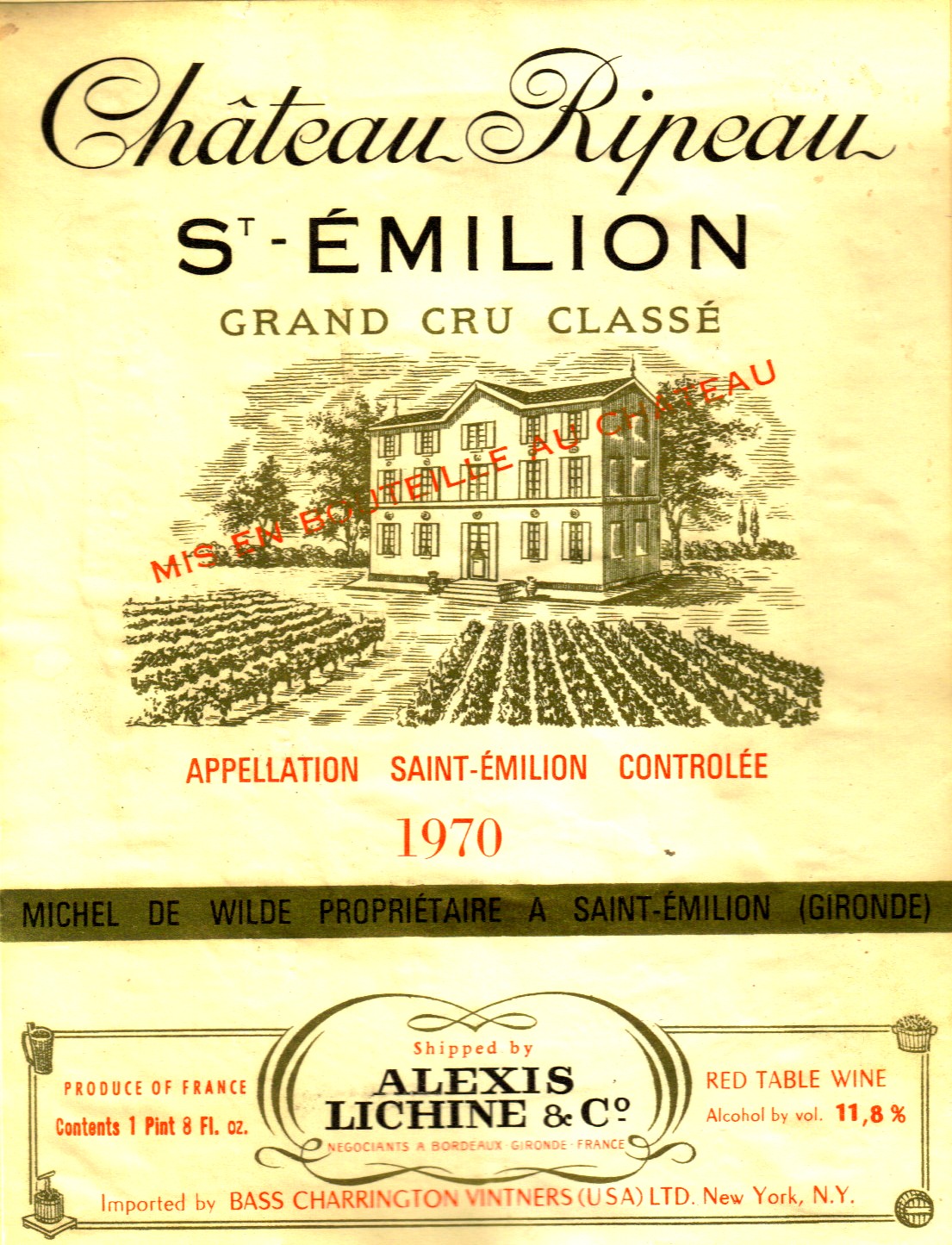
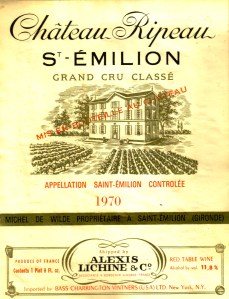
Chateau Ripeau
Chateau St-Georges-Cote-Pavie

Clos St-Martin

Chateau La Serre

Chateau Soutard

Chateau Tertre-Daugay

Chateau La Tour-du-Pin-Figeac (Moueix)

Chateau La Tour Figeac

Chateau Villemaurine

Chateau Yon-Figeac
Posted in Wine | Tagged , , | Leave a comment

Plymouth Art Fair

Here in Michigan there are numerous Art Fairs across the state. Some are very large like the Ann Arbor Art Fair, to very small community Art Fairs.  The Plymouth Art Fair is one of the largest in the state and is located right center in the Downtown area.  It encompasses several blocks included the park which is part of the Downtown.

My Bride and I went there for a leisurely evening to see the assorted art work and crafts being offered.  It is more for the enjoyment of looking as we no longer have any space on our walls for any additional art.  After all of these years, we have accumulated more art, then we can even show.

After walking the twelve blocks or so, of exhibits we decided to have dinner and make a night of it.  Plymouth has many restaurants, so that was not a problem; it was deciding which one to try.   There was a wine bar that had recently changed names and we had enjoyed stopping there for a glass or two of wine with some small plates to accompany the wine.  Since the change of names, the restaurant not only expanded the wine list, but the choices of dining as well.

Zin Wine Bar and Restaurant was doing a brisk business that evening, in spite of the heat wave that our area has endured recently.  We sat down, and had some much needed ice water and started looking at the menu and the wine list.   The meal aspect was quite easy to select as my Bride had opted for a “Michigan Spinach Salad” and a Seafood Ceviche; and I chose the Duck Confit.  There were many wines that were being served by the glass or by the bottle, and they also offered a “tasting pour.”  I do like a Viognier wine, but I decided to try a “taste” prior to ordering a bottle of it.  When it came, the flowery nose of the wine was stronger then I wanted for the dishes that were going to come.  Since we were still cooling down from the weather I opted for a bottle of Crossroads Sauvignon Blanc from Marlborough.  It was chilled properly and had that crispness that was just right for the food and to help us cool down.

After a fine meal, our server suggested a dessert and we decided to try two options.  One was a chocolate mousse that was flash frozen using Nitrogen gas, so that it started crispy and as it warmed it became even creamier.  The other dessert was a “Beggars Purse” which was a pastry puff filled with a lemon mascarpone filling.  We were impressed by both and couldn’t decide which of the two the better choice was.  I would also be remiss if I didn’t mention that the quality of the service was excellent.  We look forward to trying “Zin” again.

Posted in Wine | Tagged , , , | 3 Comments

Graves and Graves Superieures

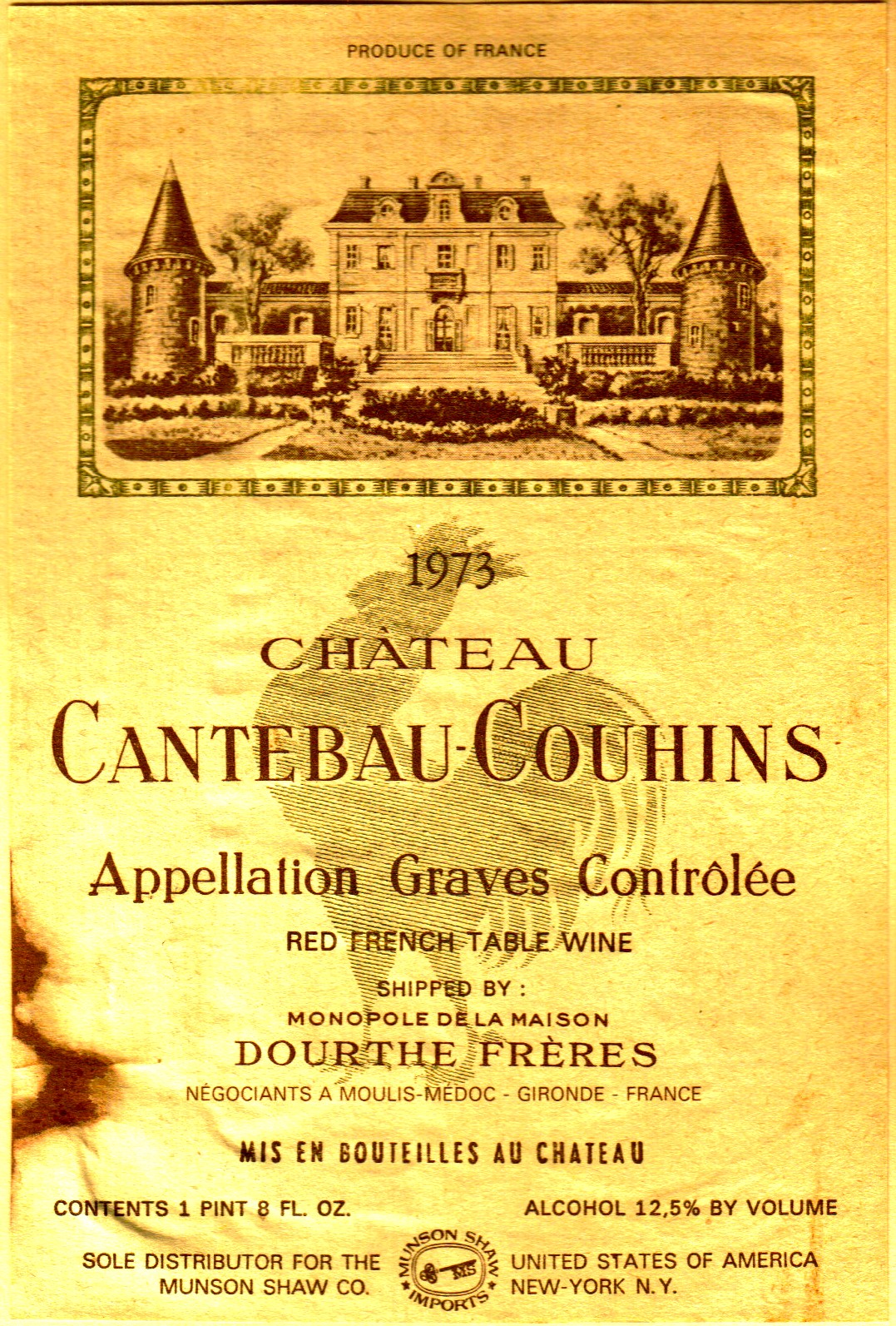
This district adjacent to the city of Bordeaux and the original area that the term Claret referred to, as it is older than the Medoc for winemaking and wineries.   This area is also known for making white wines as well as red wines.  The Graves District (whose name is derived from the gravelly soil) has wines listed as Graves and Graves Superieures.   Just as in the basic listing of Bordeaux wines, the only difference is the alcohol degree.

The wines were classified in 1953 and then again in 1959.  There was no ranking, just a classification of Crus Classes (Classified Growths) for both red and white wines.  Even though there are no rankings Chateau Haut-Brion is considered in the same ranks as the First Growths of the Medoc.

Crus Classes (Classified Growths)

Red Wines

Chateau Bouscaut

Chateau Carbonnieux

Domaine de Chevalier

Chateau de Fieuzal

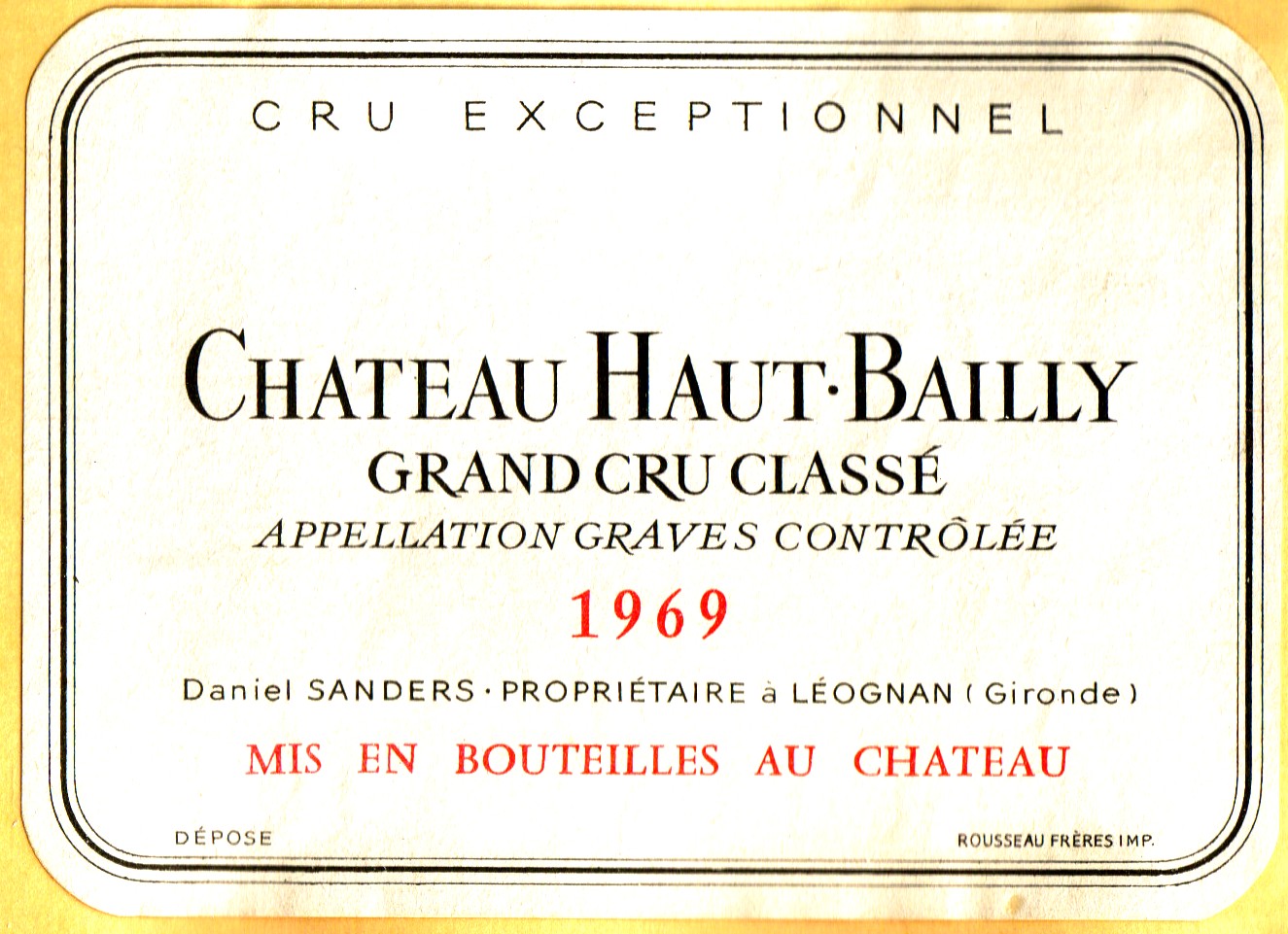
Chateau Haut-Bailly

Chateau Haut-Brion

Chateau La Mission-Haut-Brion

Chateau La Tour-Haut-Brion

Chateau Kressmann La Tour

Chateau Malartic-Lagraviere

Chateau Olivier

Chateau Pape Clement

Chateau Smith-Haut- Lafitte

White Wines

Chateau Bouscaut

Chateau Carbonnieux

Domaine de Chevalier

Chateau Couhins

Chateau Haut-Brion

Chateau Kressmann La Tour

Chateau Laville-Haut-Brion

Chateau Malartic-Lagraviere

Chateau Olivier

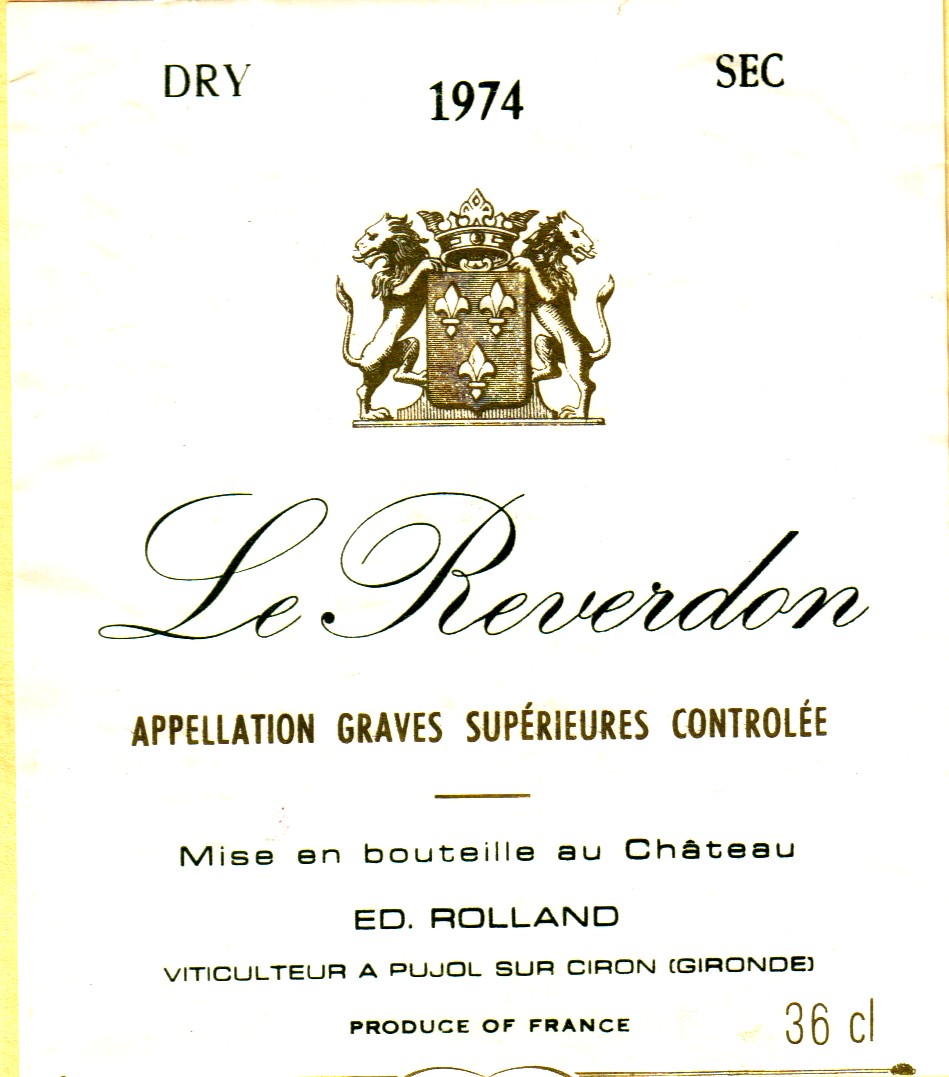
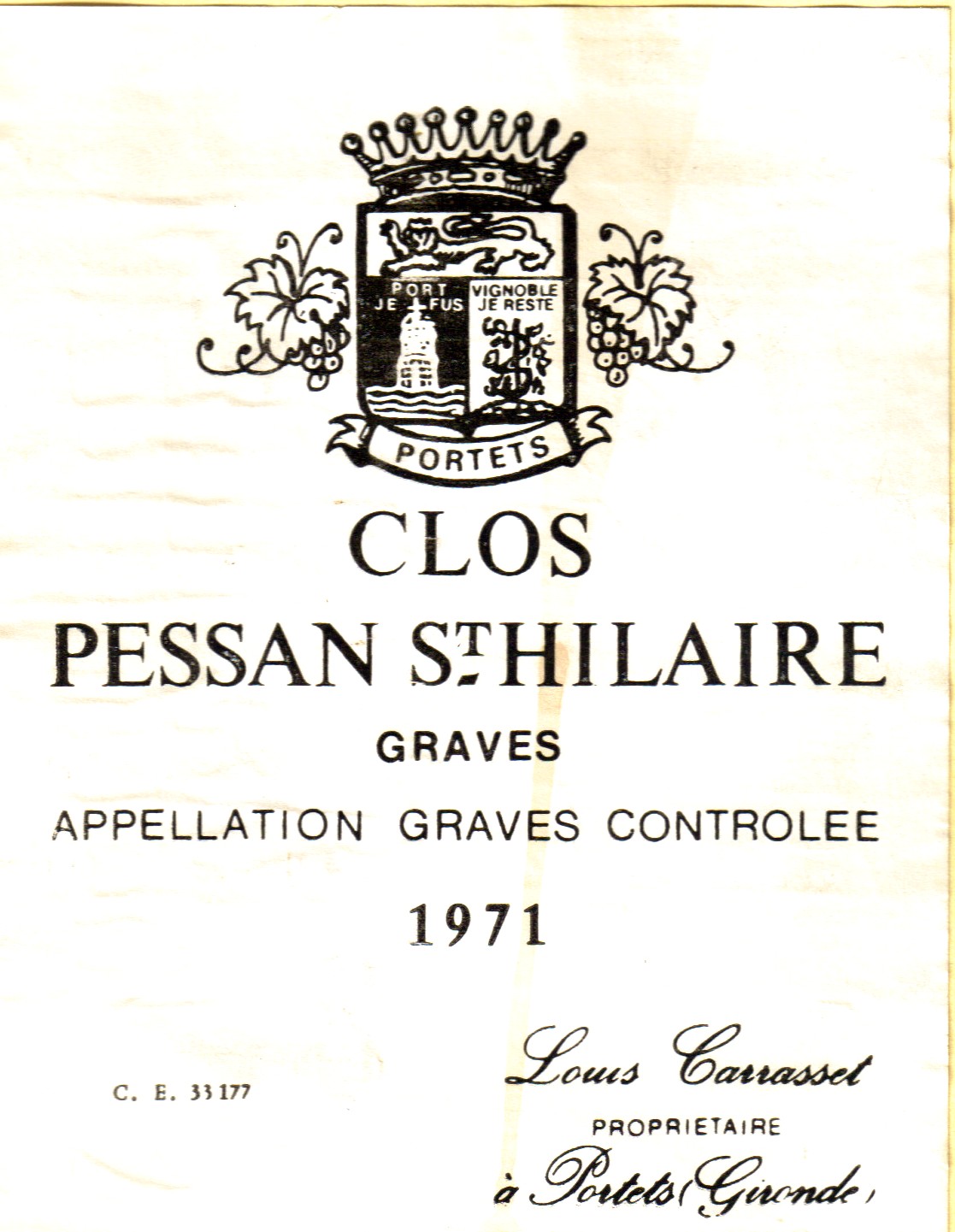
Some of the Graves Superieures and Graves Petite Chateaus and Negociants blended wines.


Posted in Wine | Tagged , , | Leave a comment

Saint-Julien

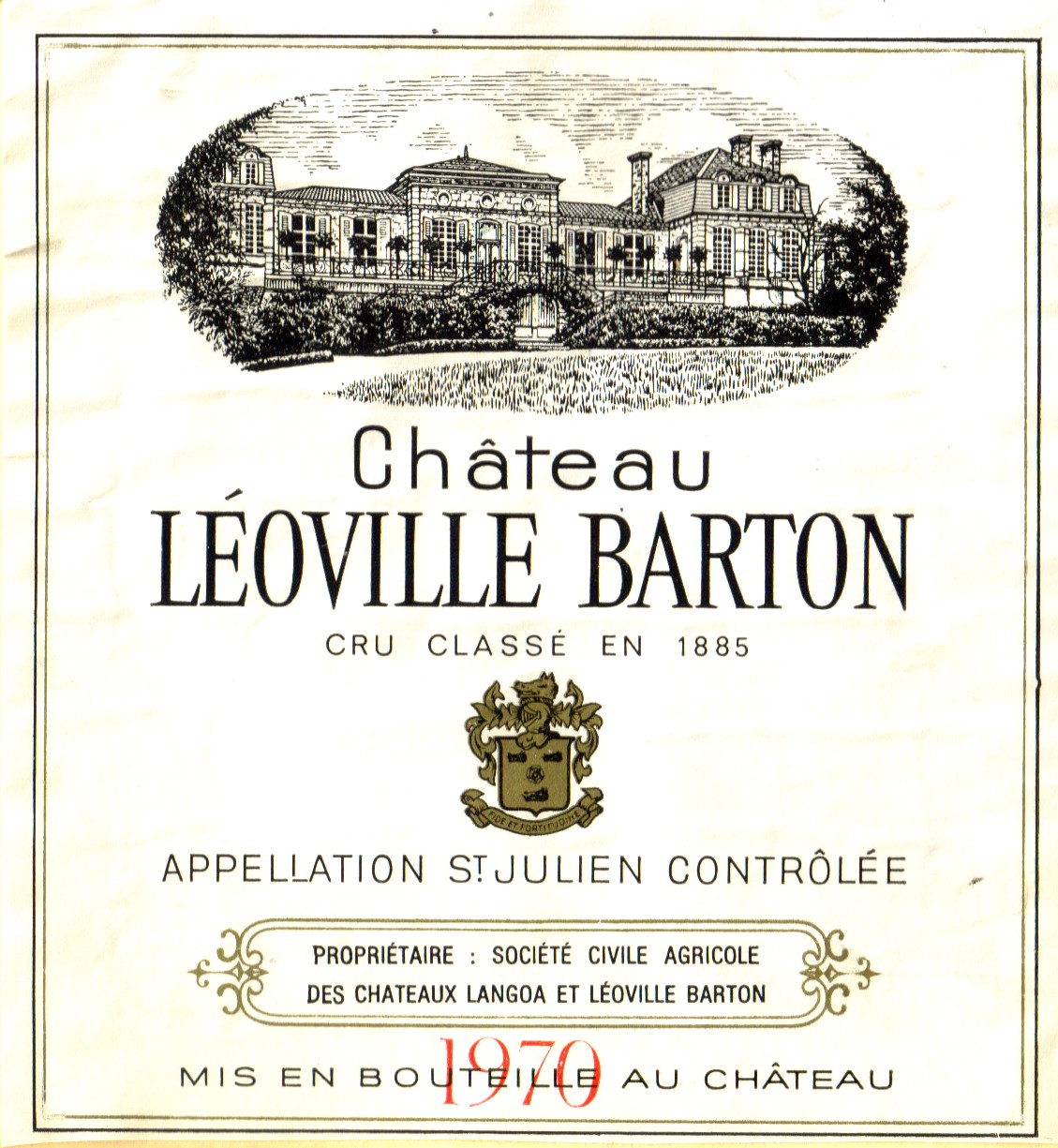
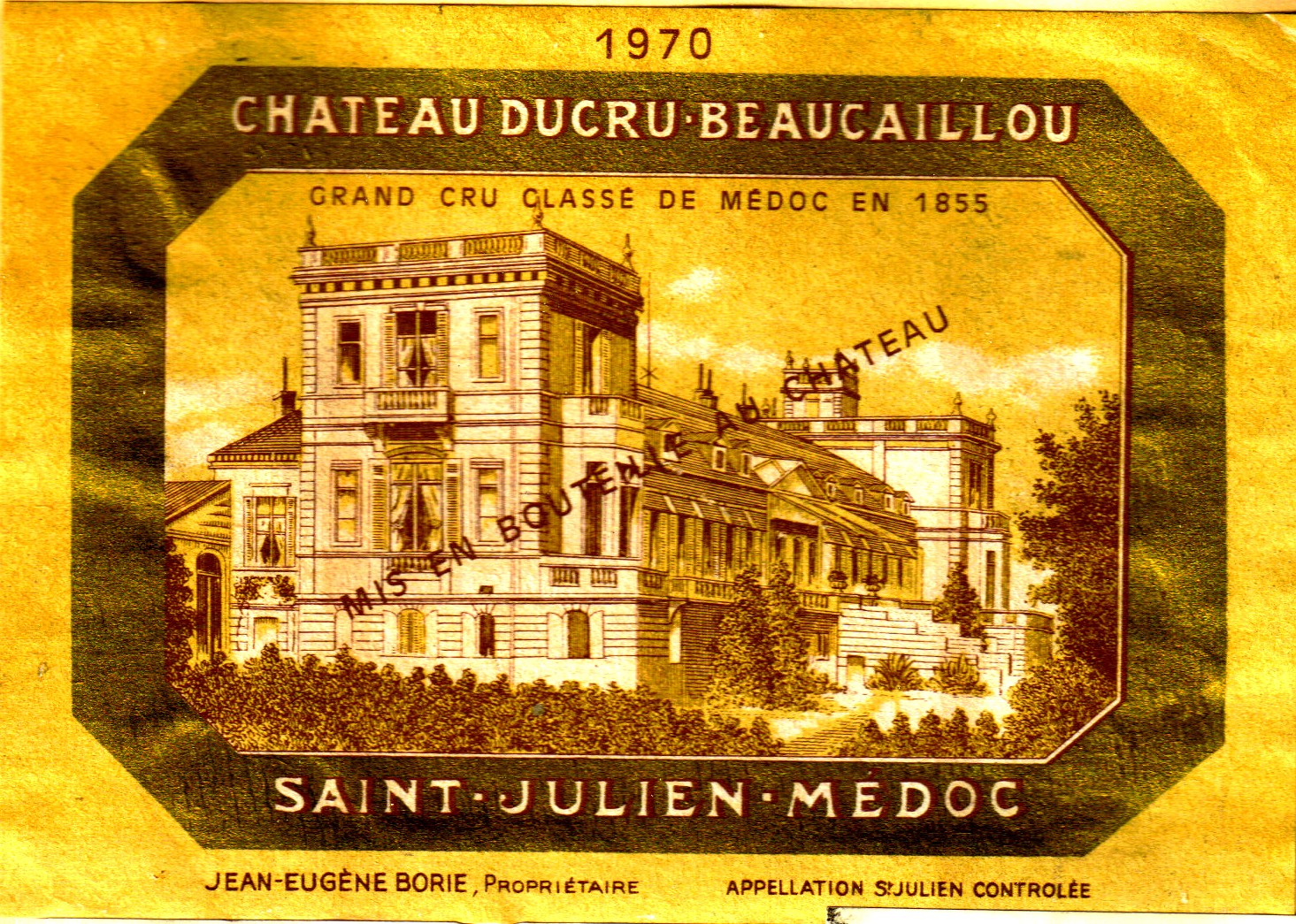
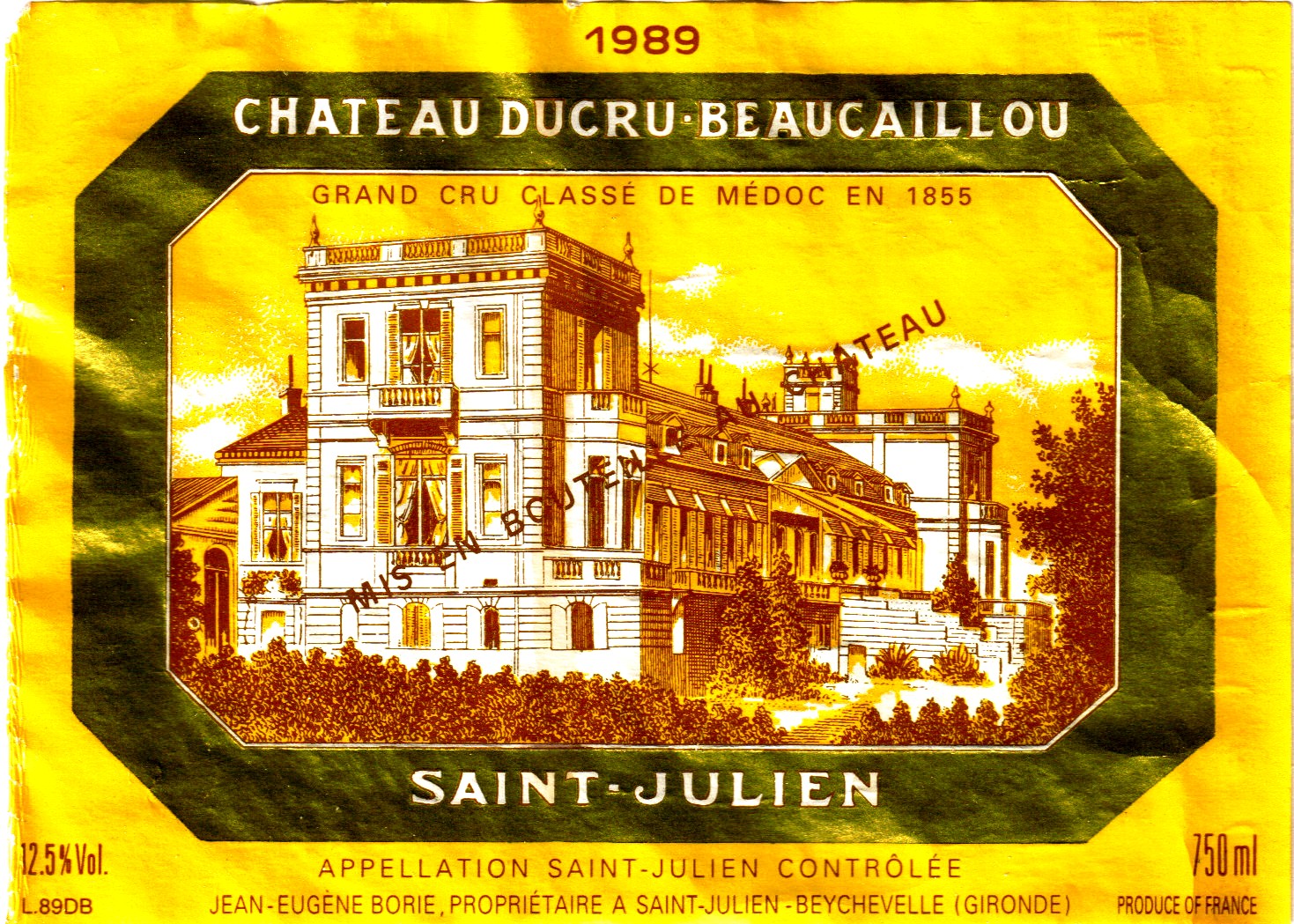
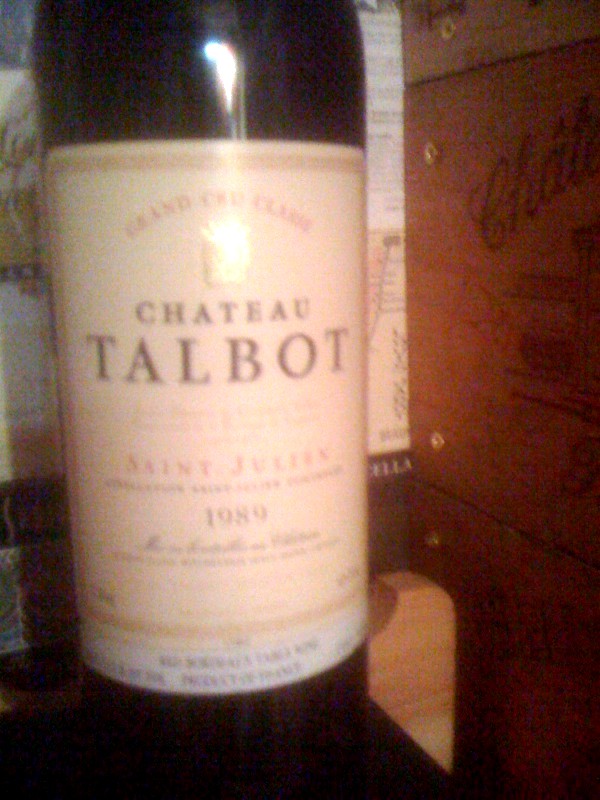
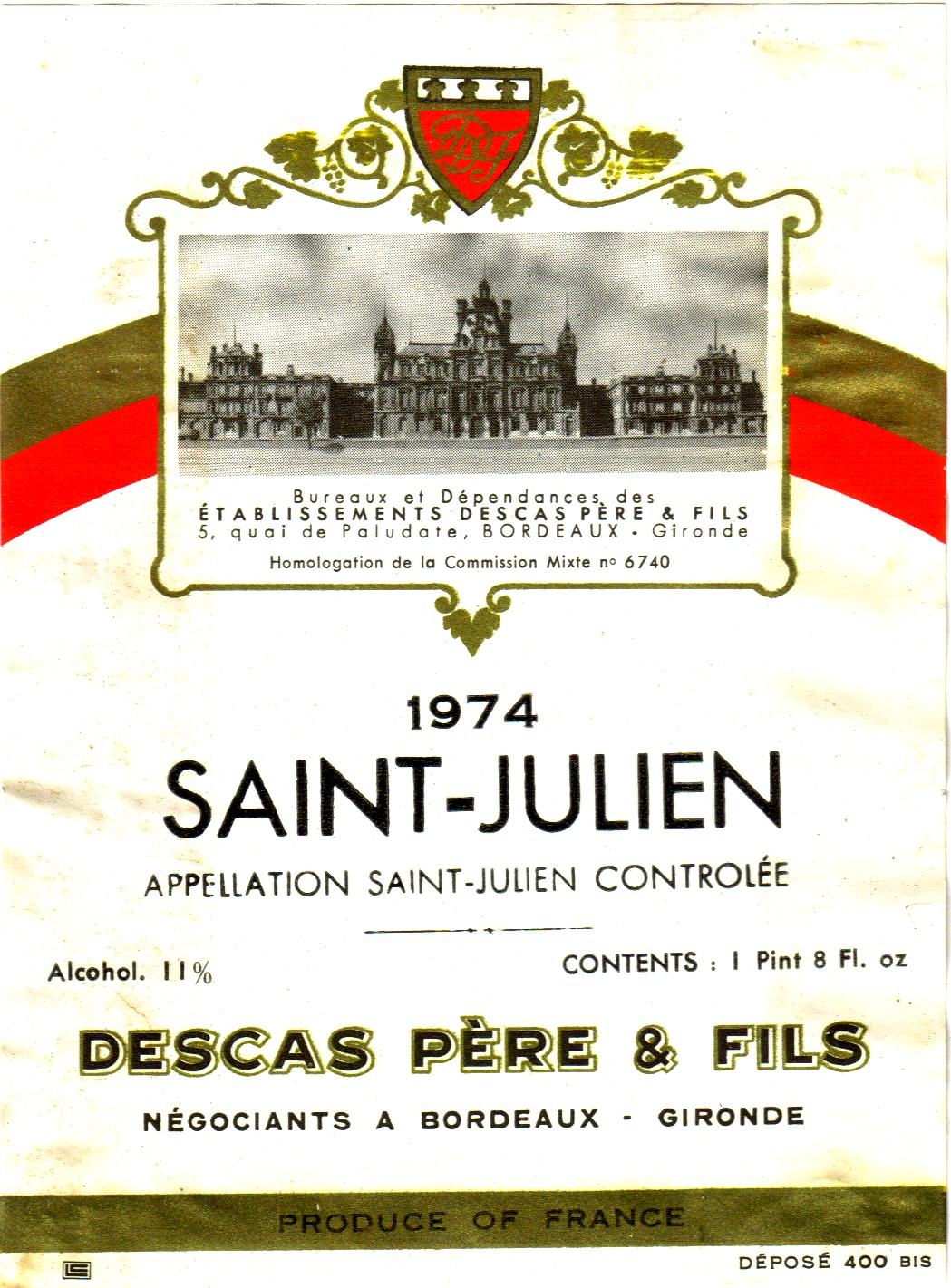
We come to the final entry on the great Communes of the Medoc, in the Bordeaux region. Saint-Julien has eleven classified chateaus in the confines of its borders.   These wines are known for their softness and suppleness.   They are also known to mature quicker than the wines from other Communes.

Here are the wines from the 1855 Classification of the Medoc

Deuxiemes Crus (Second Growths)

Chateau Leoville-Las-Casas

Chateau Leoville-Poyferre

Chateau Leoville-Barton

Chateau Gruaud-Larose

Chateau Ducru-Beaucaillou


Troisiemes Crus (Third Growths)

Chateau Lagrange

Chateau Langoa-Barton

Quatriemes Crus (Fourth Growths)

Chateau Saint-Pierre

Chateau Branaire-Ducru

Chateau Talbot

Chateau Beychevelle

Then some of the Petite Chateaus and Negociants blended wines.


Posted in Wine | Tagged , , , | Leave a comment

Saint-Estephe

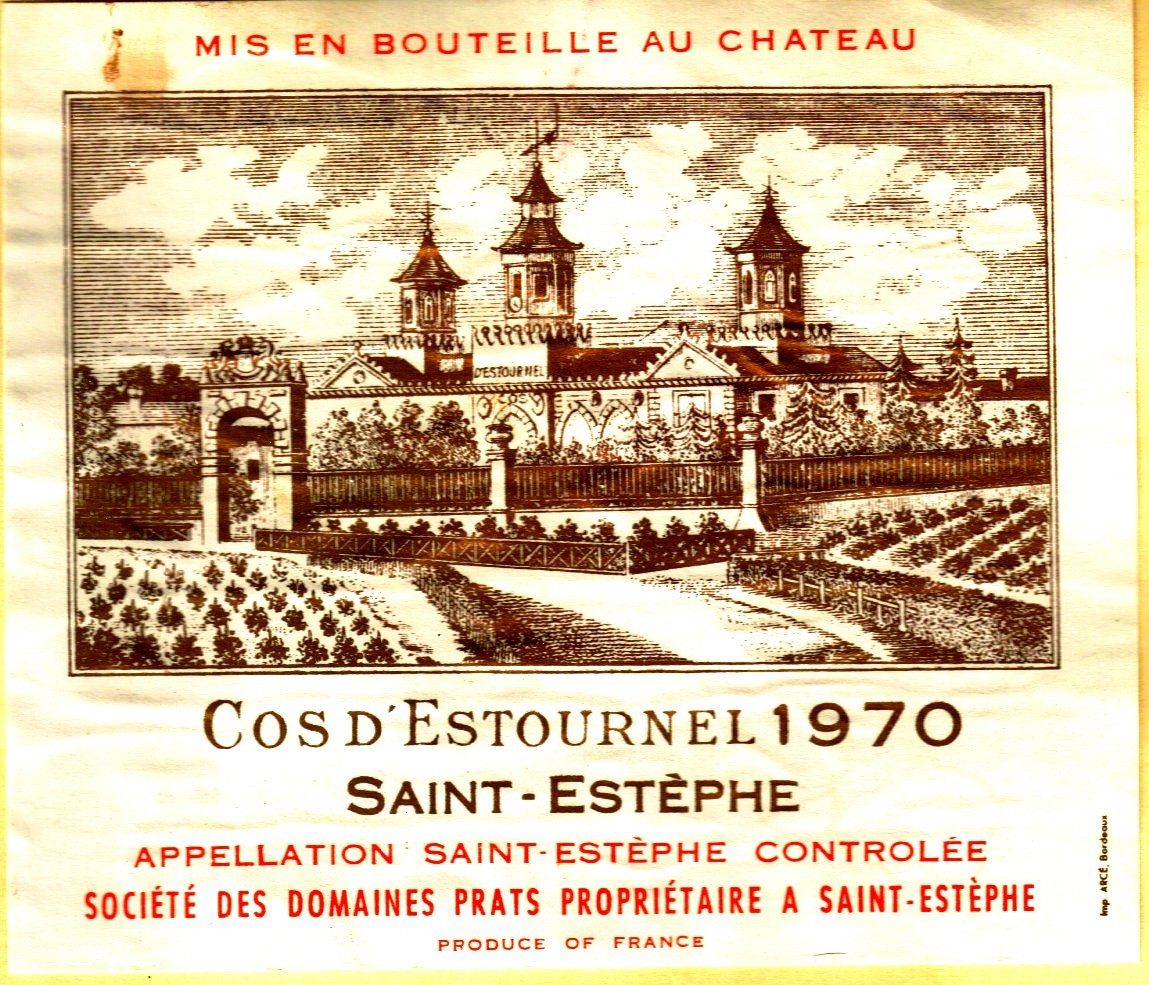
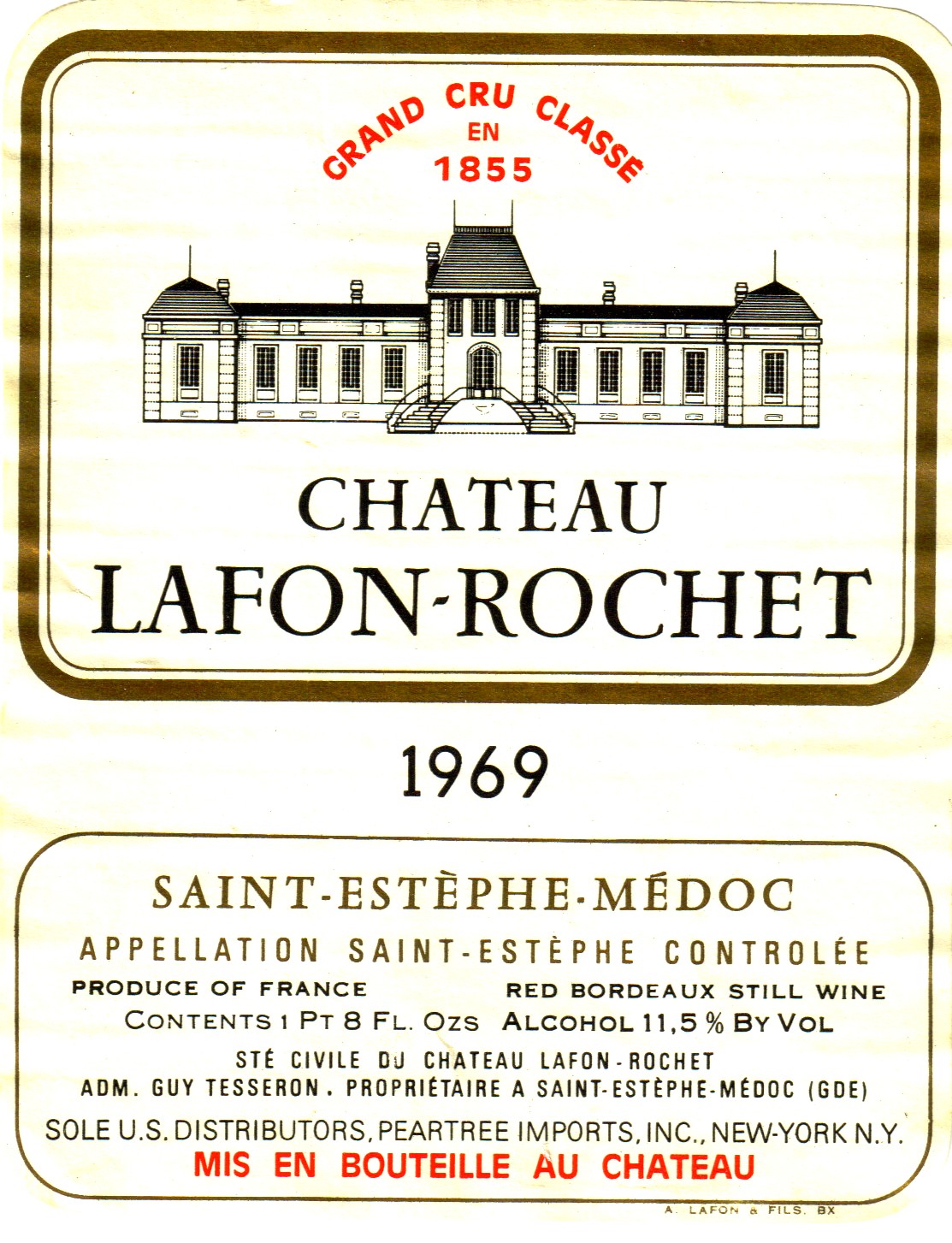
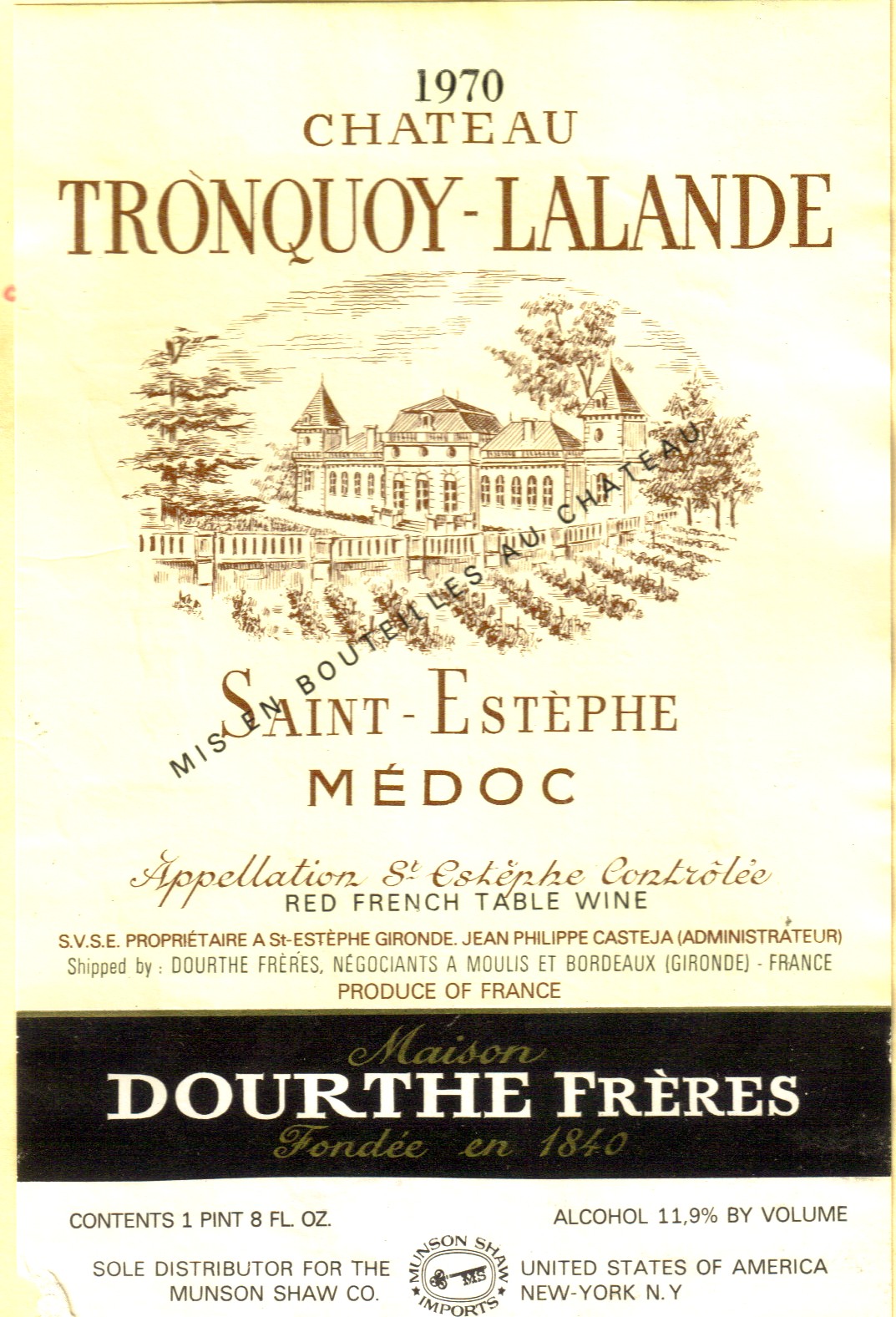
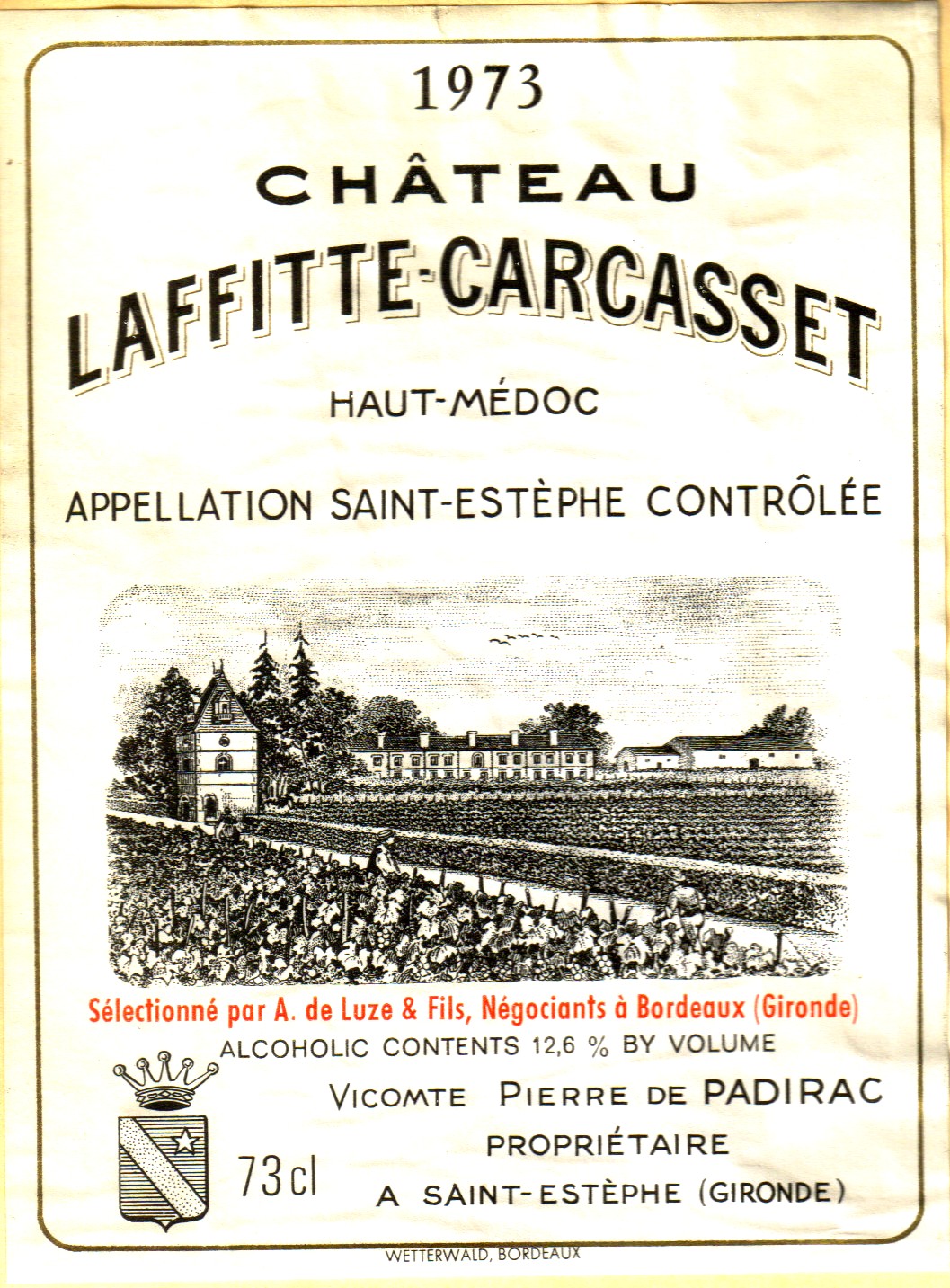
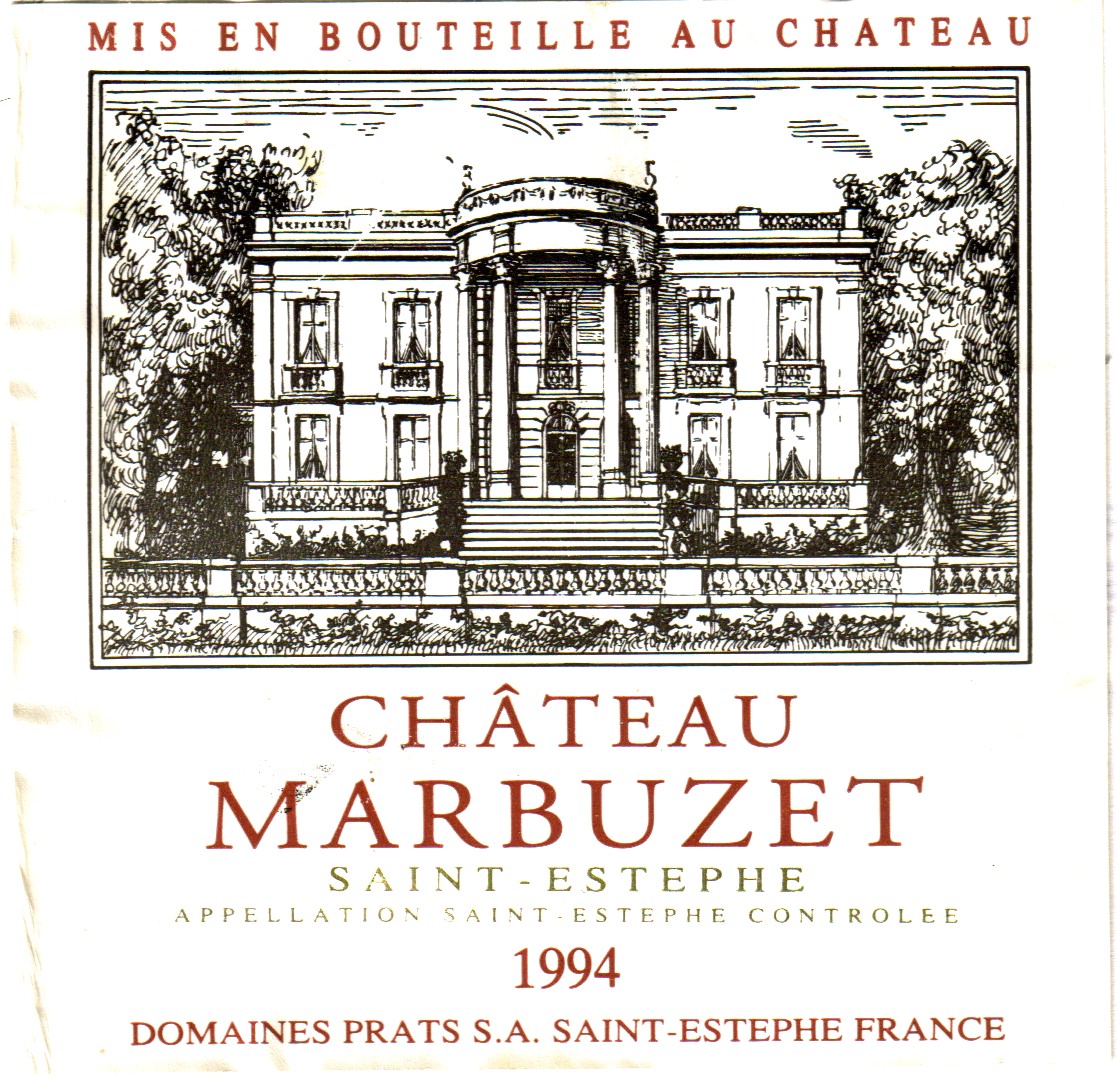
The third of the great Communes of the Medoc (I am doing this alphabetically) is Saint-Estephe.  This Commune is the furthest away from Bordeaux in the Medoc.  It is also the largest wine-producing Commune in the Medoc.  The consensus of most of the readings that I have discovered is that Saint-Estephe wines are very tannic and firm when they are young, develop very slowly, and are considered the least supple of the wines of the Medoc.


Here are the wines from the 1855 Classification of the Medoc.


Deuxiemes Crus (Second Growths)


Chateau Cos d’Estournel

Chateau Montrose


Troisiemes Crus (Third Growths)


Chateau Calon-Segur


Quatriemes Crus (Fourth Growths)


Chateau Lafon-Rochet


Cinquiemes Crus (Fifth Growths)


Chateau Cos Labory


Then some of the Petite Chateaus and Negociants blended wines.


Posted in Wine | Tagged , , , | Leave a comment

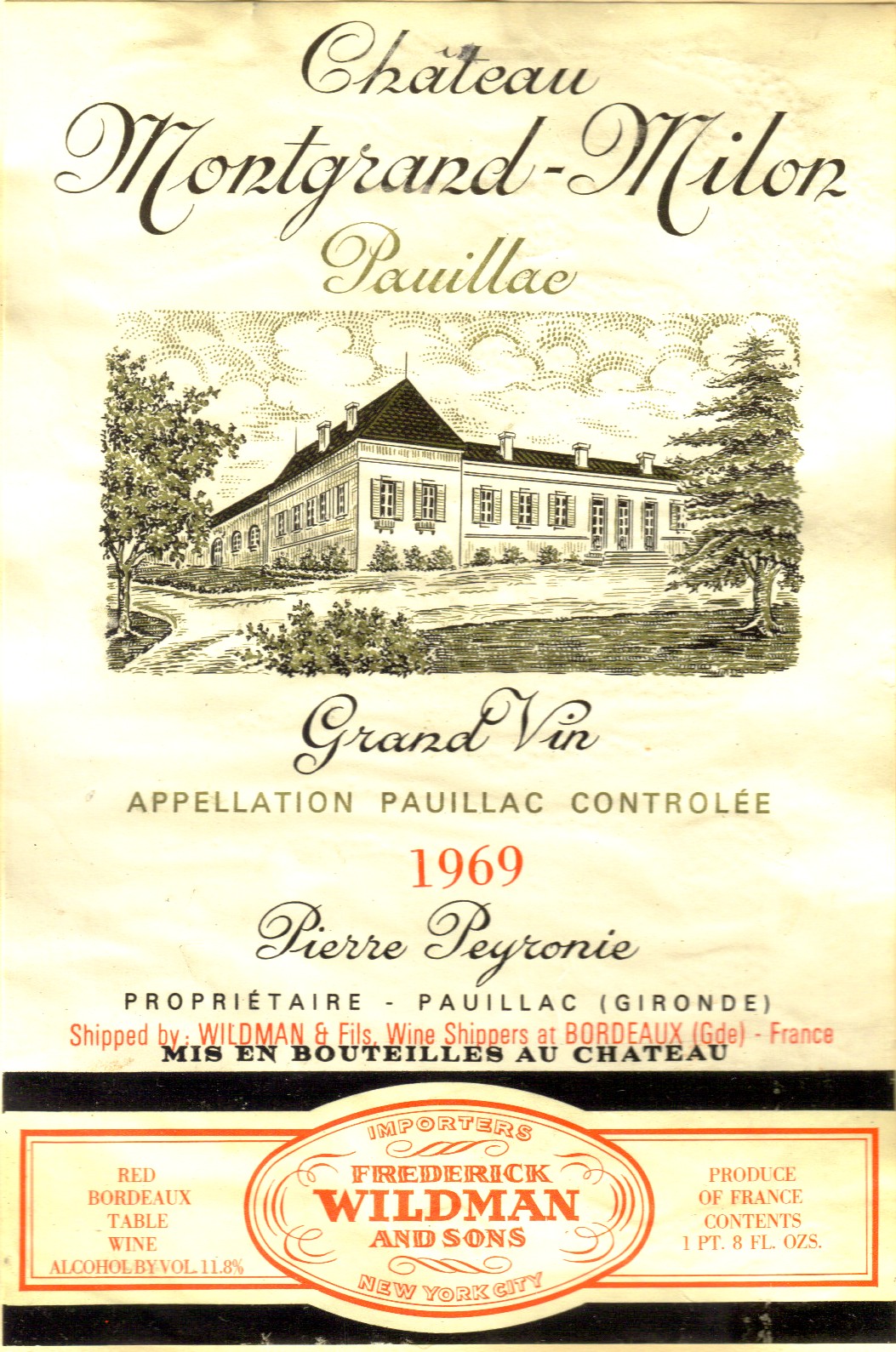
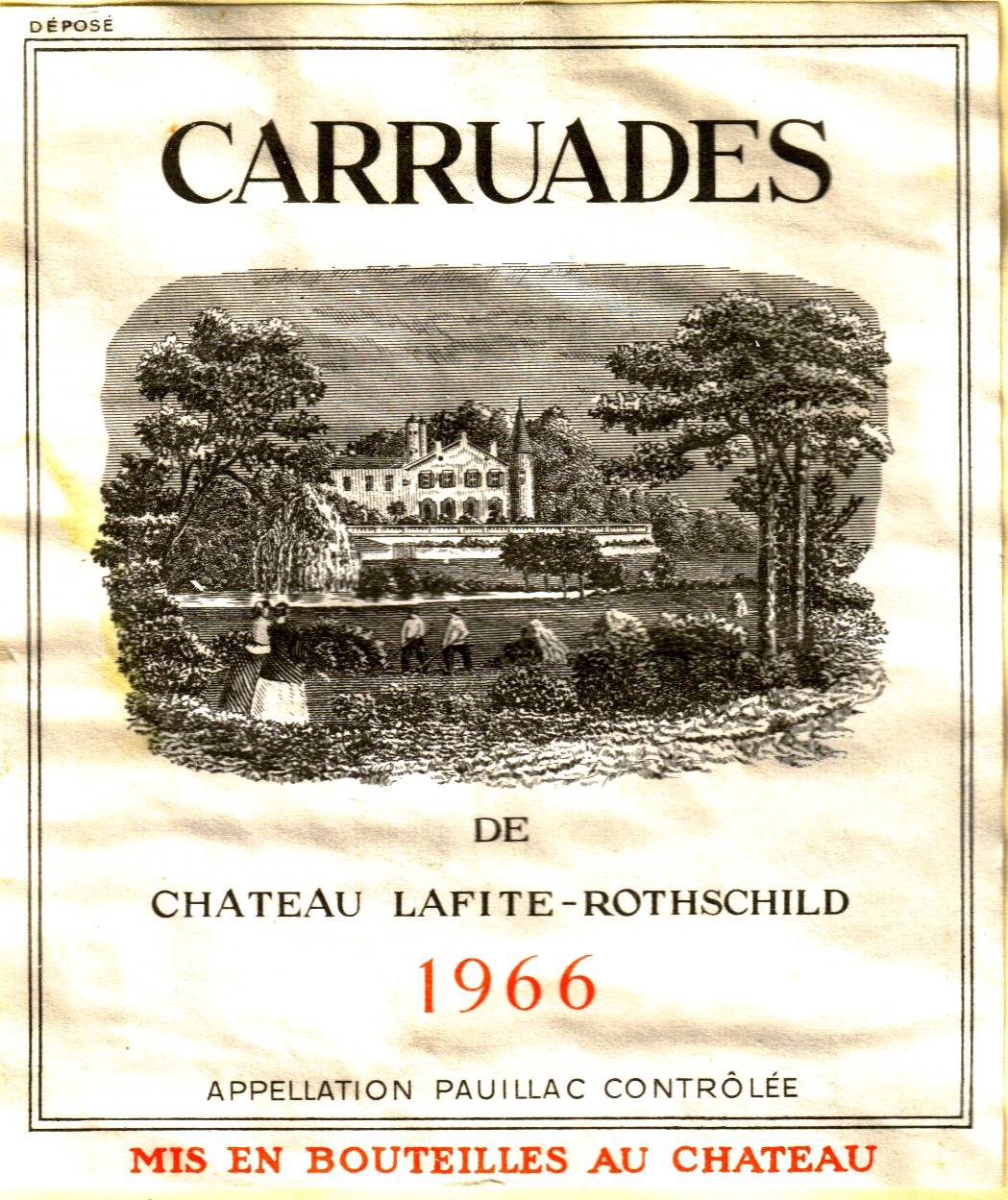
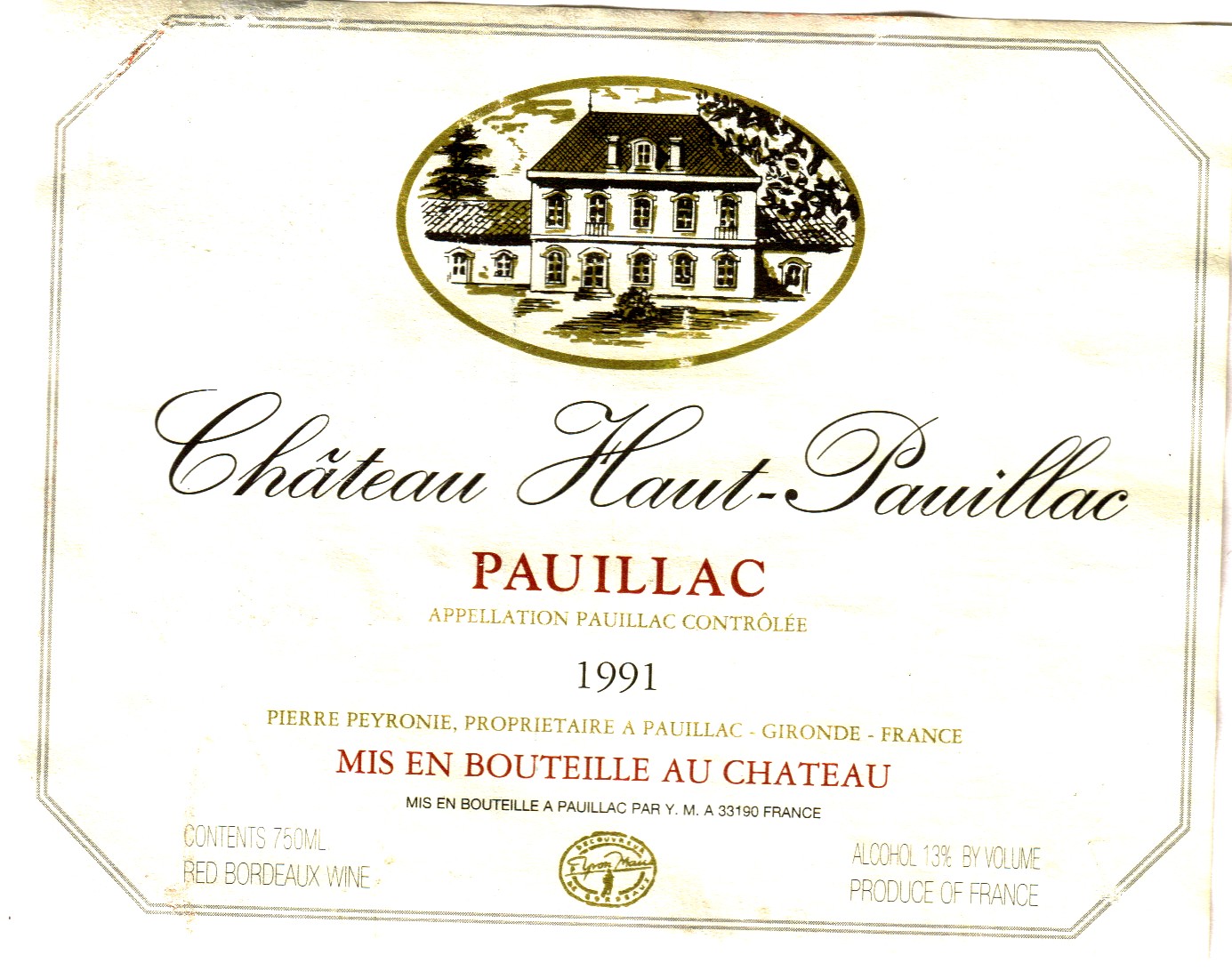
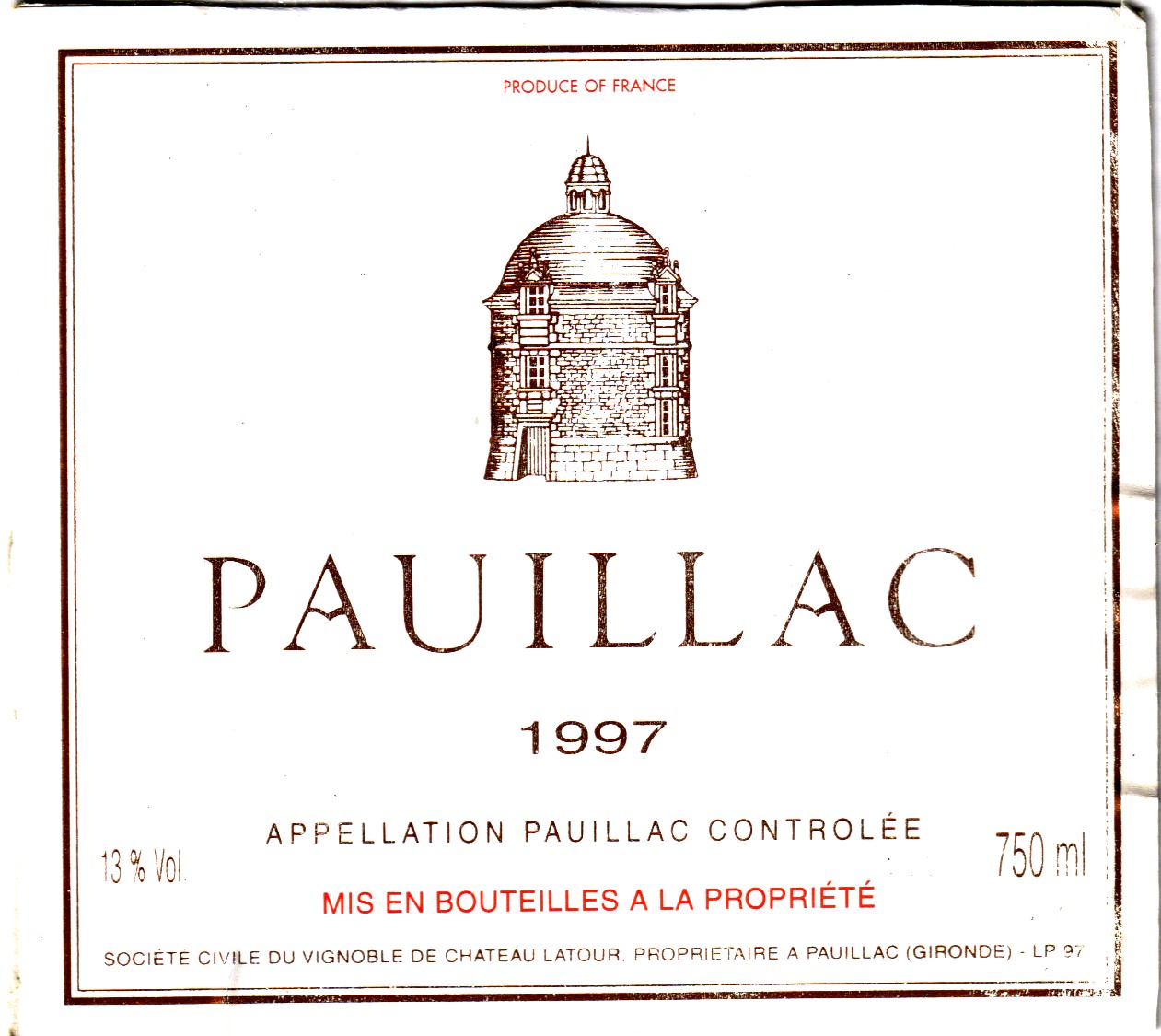
Pauillac

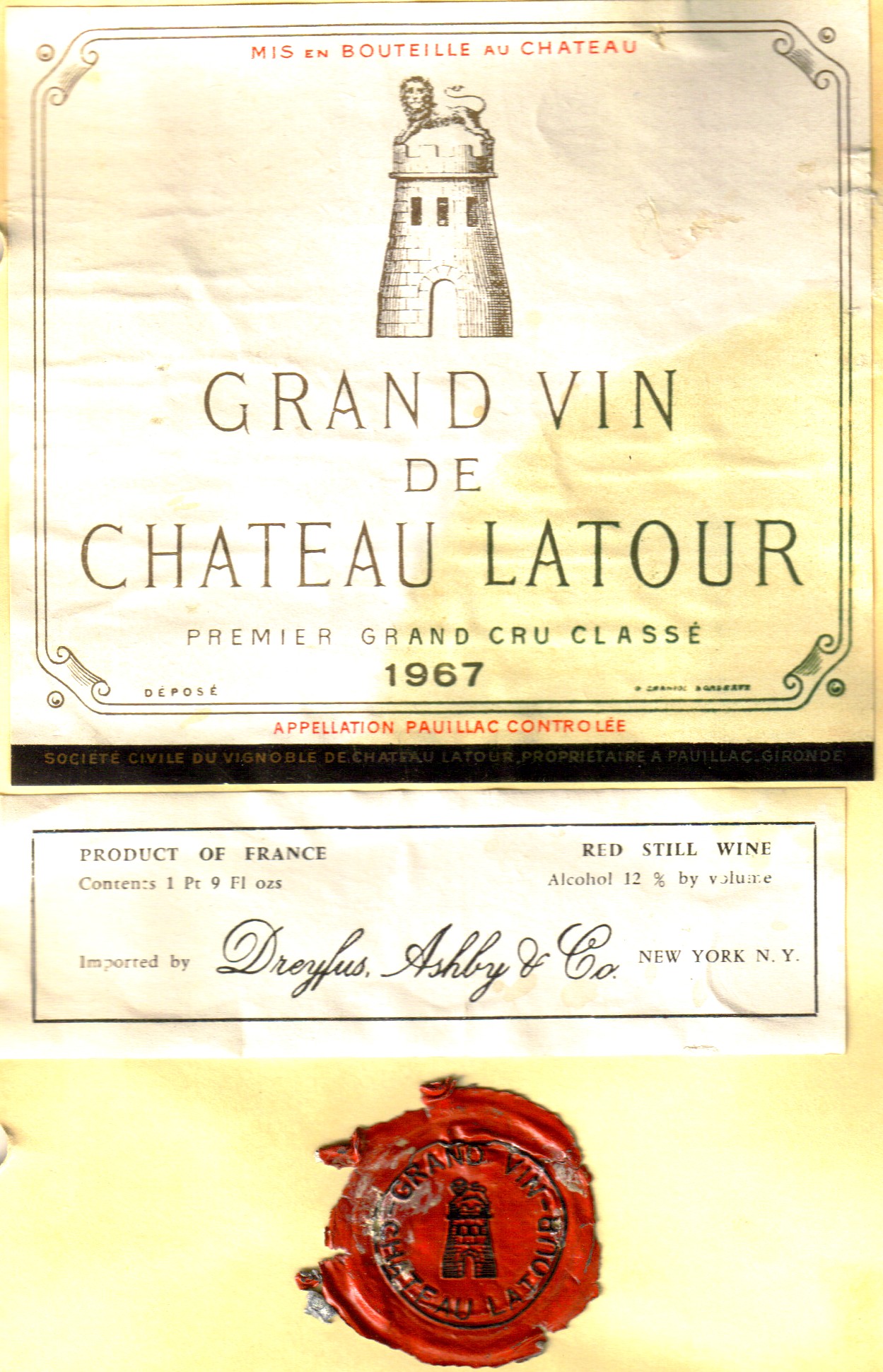
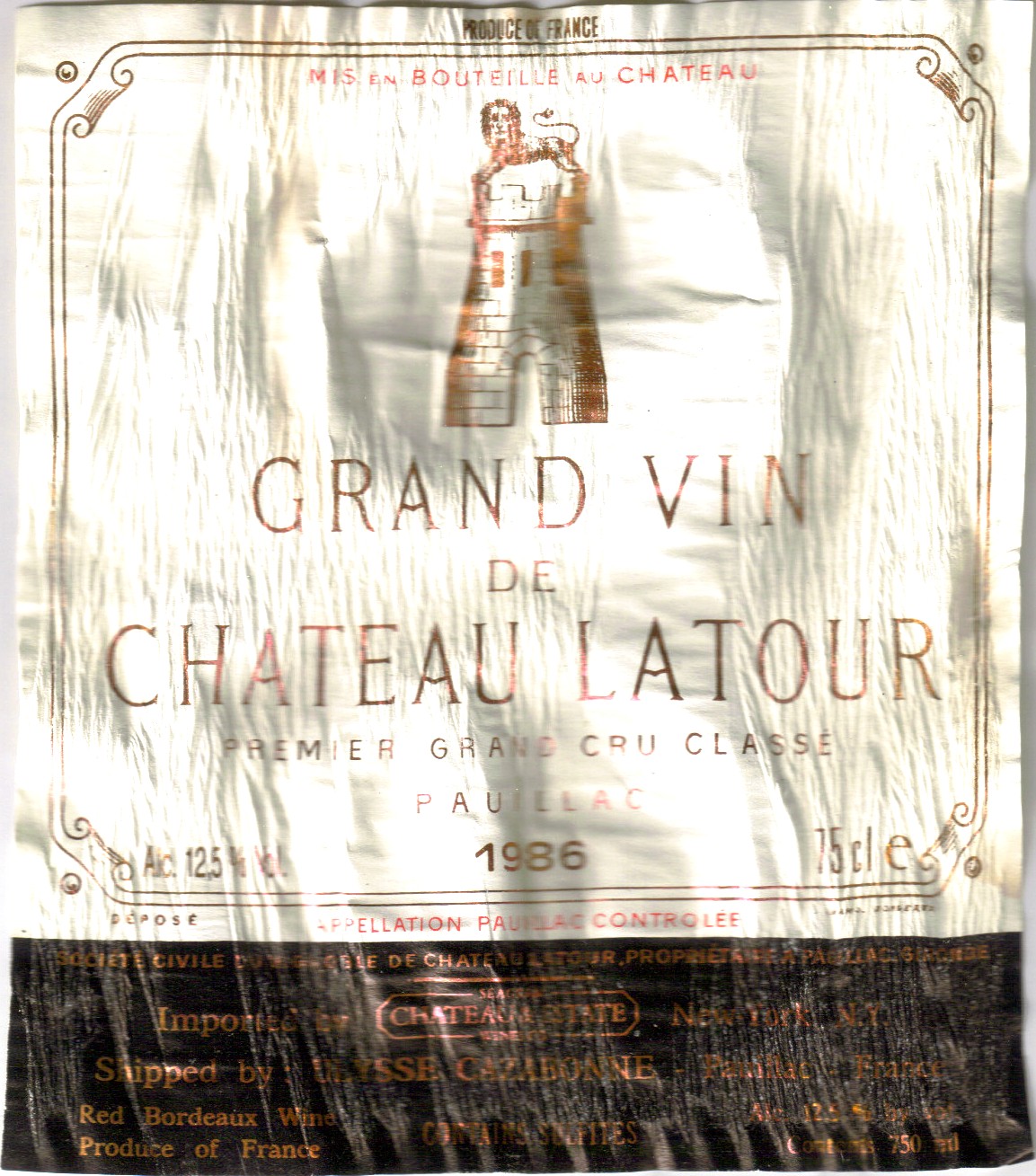
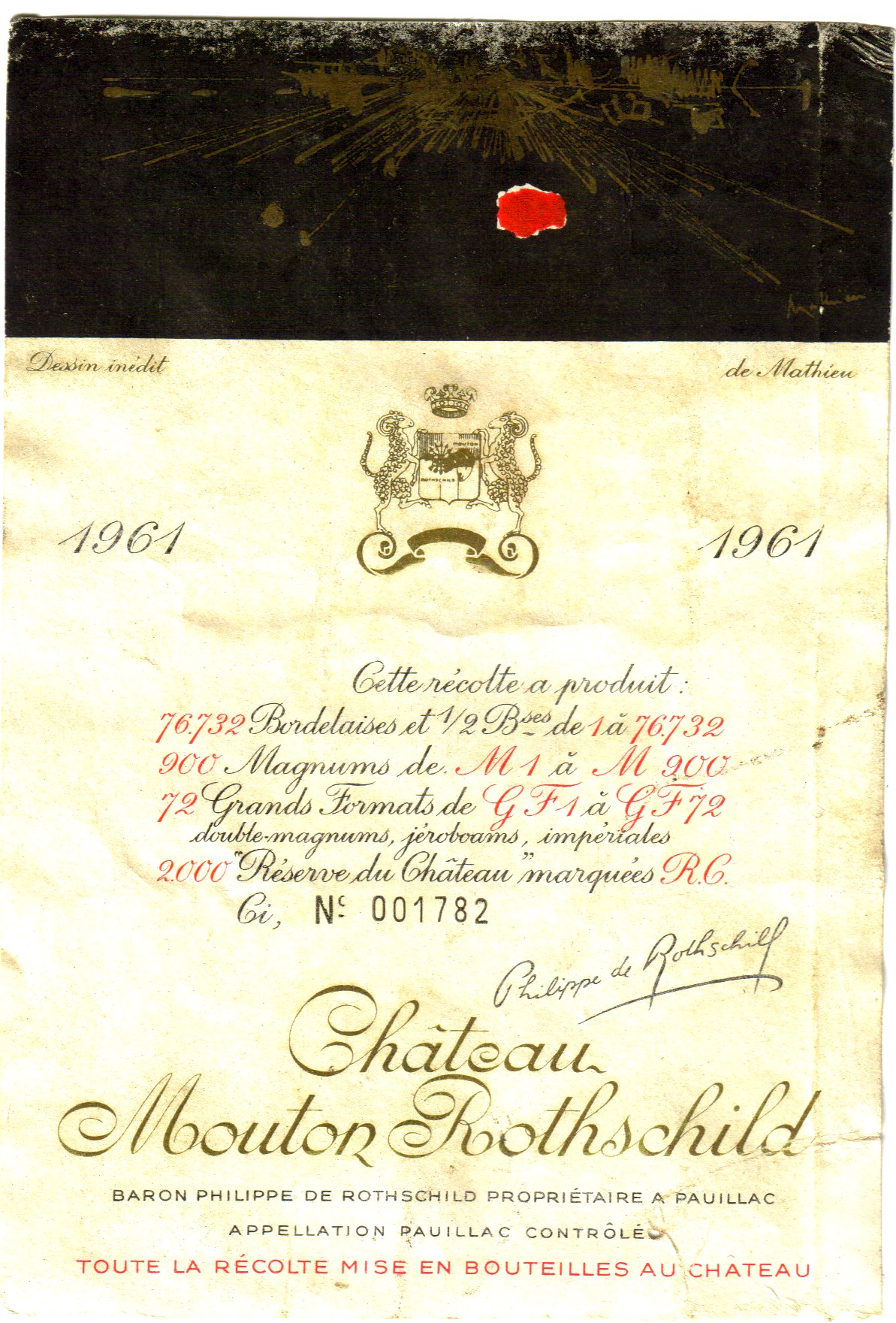
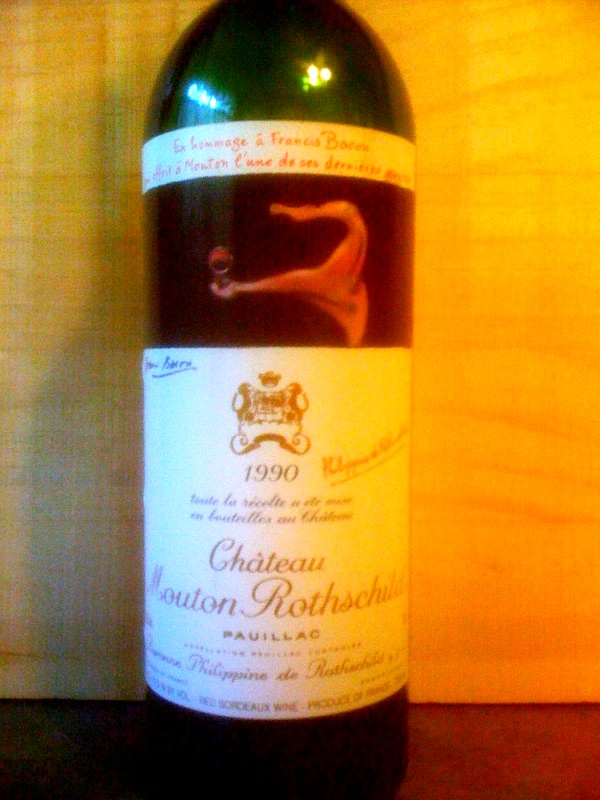
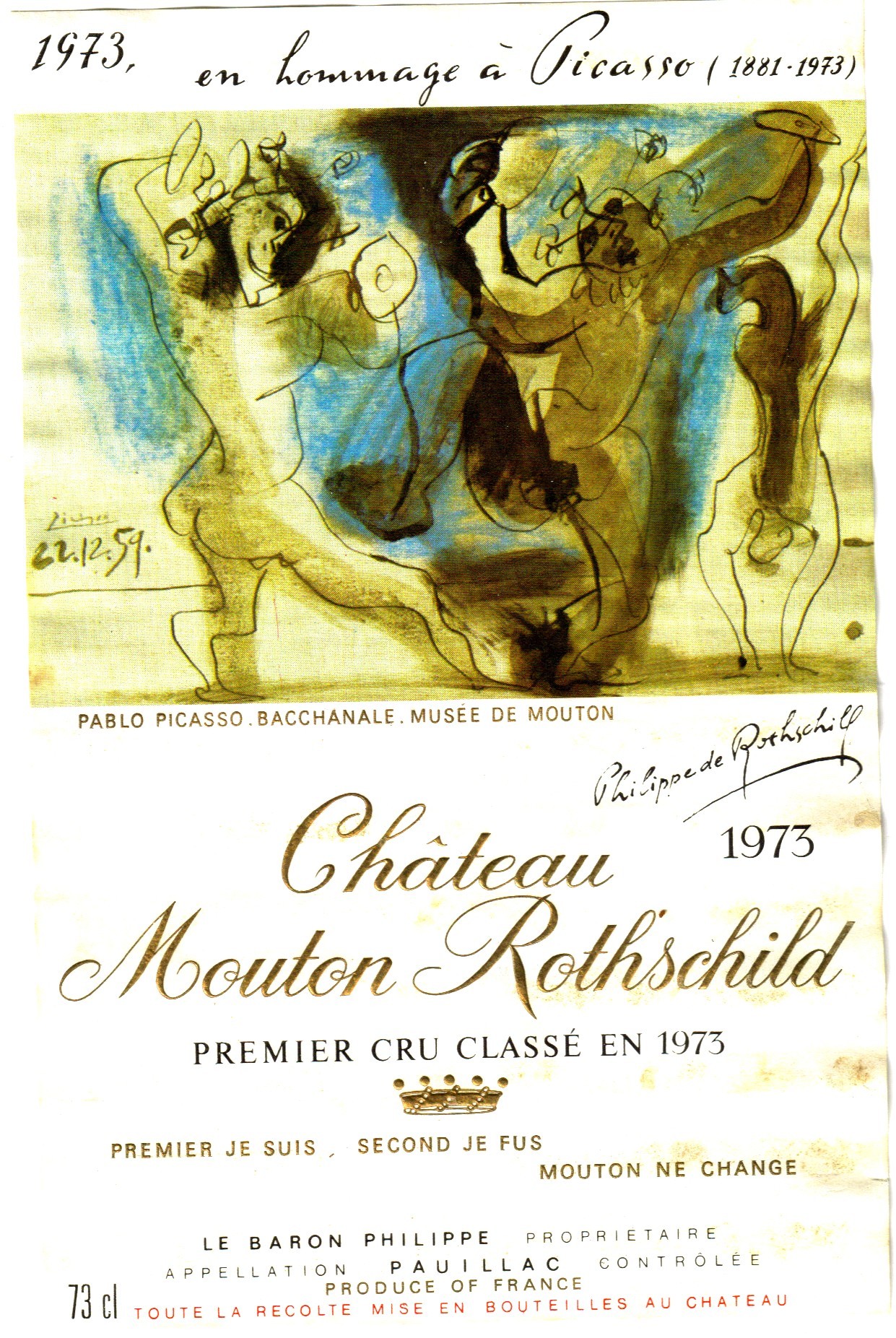
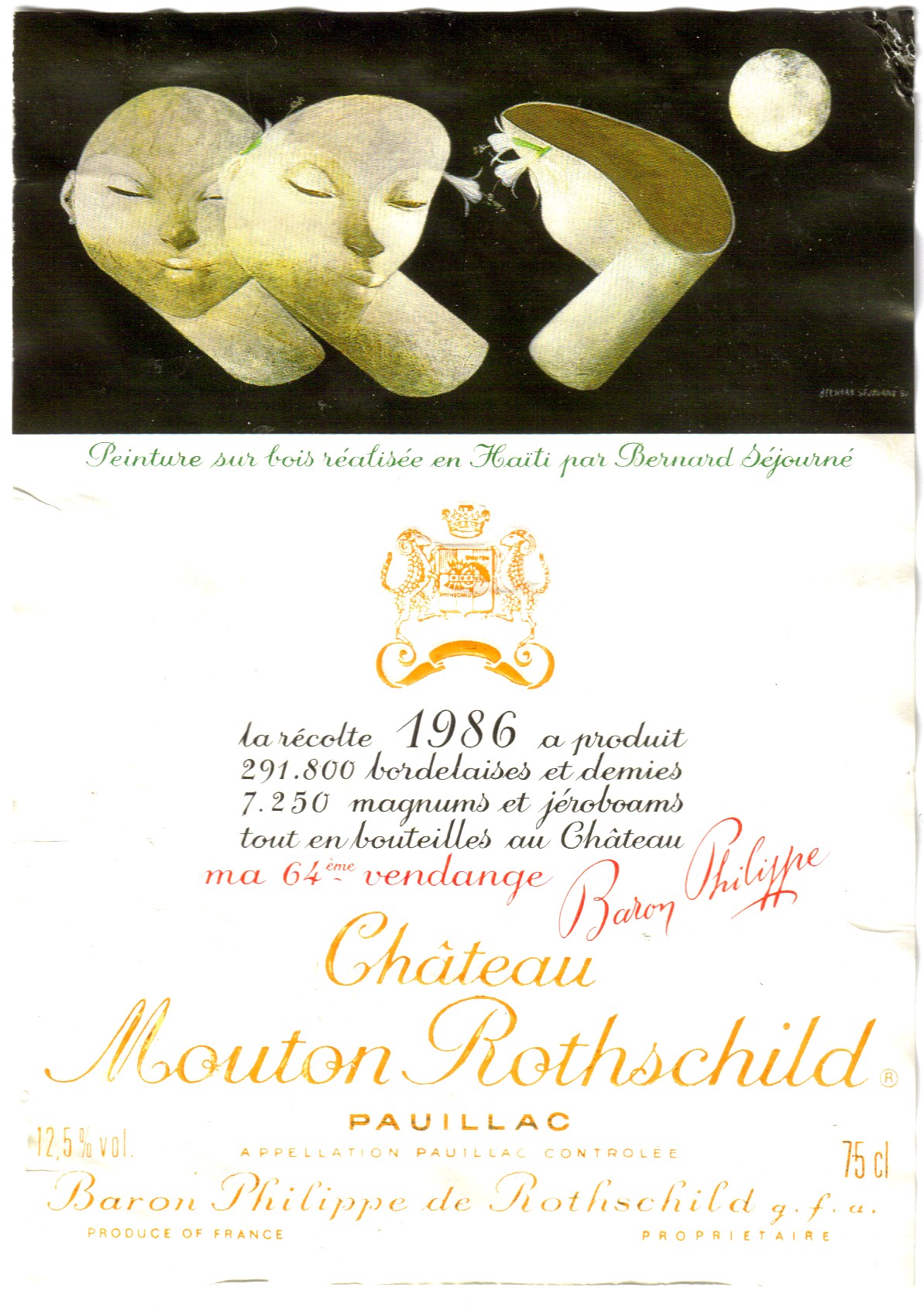
The most famous of the Communes of the Medoc; having three out of five of the Premiers Crus of the 1855 Classification of the Medoc.  In 1973 Chateau Mouton- Rothschild was moved from the top of the Second Growths up into the First Growths, where it rightfully belonged.  The 1973 vintage of Chateau Mouton- Rothschild was the first label to even indicate that they were part of the Classification.

The wines of Pauillac are known for their breeding and finesse, and perhaps the great ones are known to be ideal for long term cellaring to bring out their distinctive qualities.This is the Commune that I always look for, when I am looking at a wine list.  The joy of finding an affordable wine from Pauillac is worth the hunt.  Whether from the Fifth Growths to the Petite Chateaus and even to a Negociants blend; keep your eye out and you won’t be disappointed.
Here are the wines of Pauillac from the 1855 Classification for the Medoc.
Premiers Crus (First Growths)

Chateau Lafitte-Rothschild


Chateau Latour


Chateau Mouton-Rothschild (from 1973 and on)


Deuxiemes Crus (Second Growths)

Chateau Mouton-Rothschild (1972 and earlier)


Chateau Pichon-Longueville

Chateau Pichon-Longueville-Lalande

Quatriemes Crus (Fourth Growths)

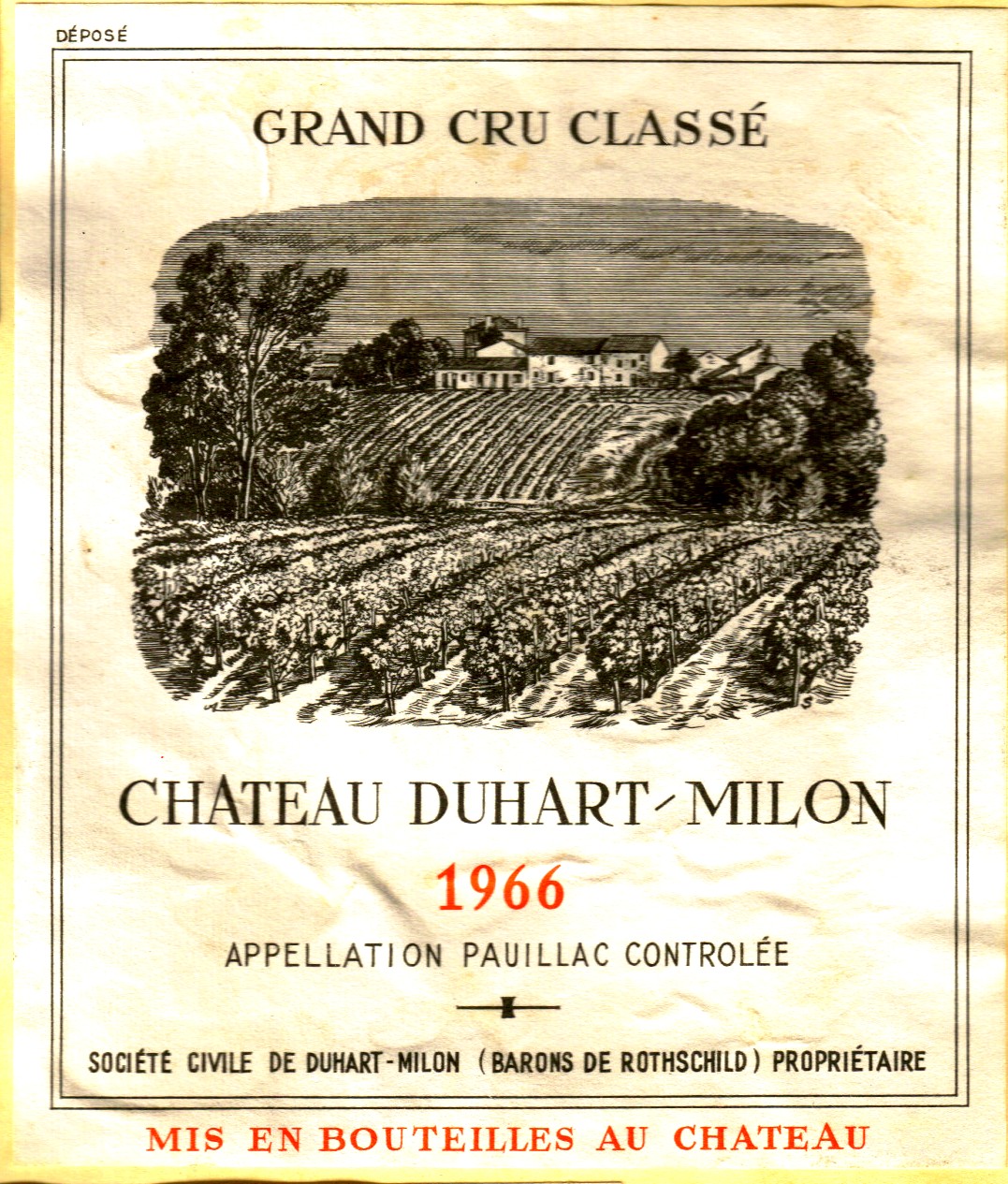
Chateau Duhart-Milon

Cinquiemes Crus (Fifth Growths)

Chateau Potet-Canet

Chateau Batailley

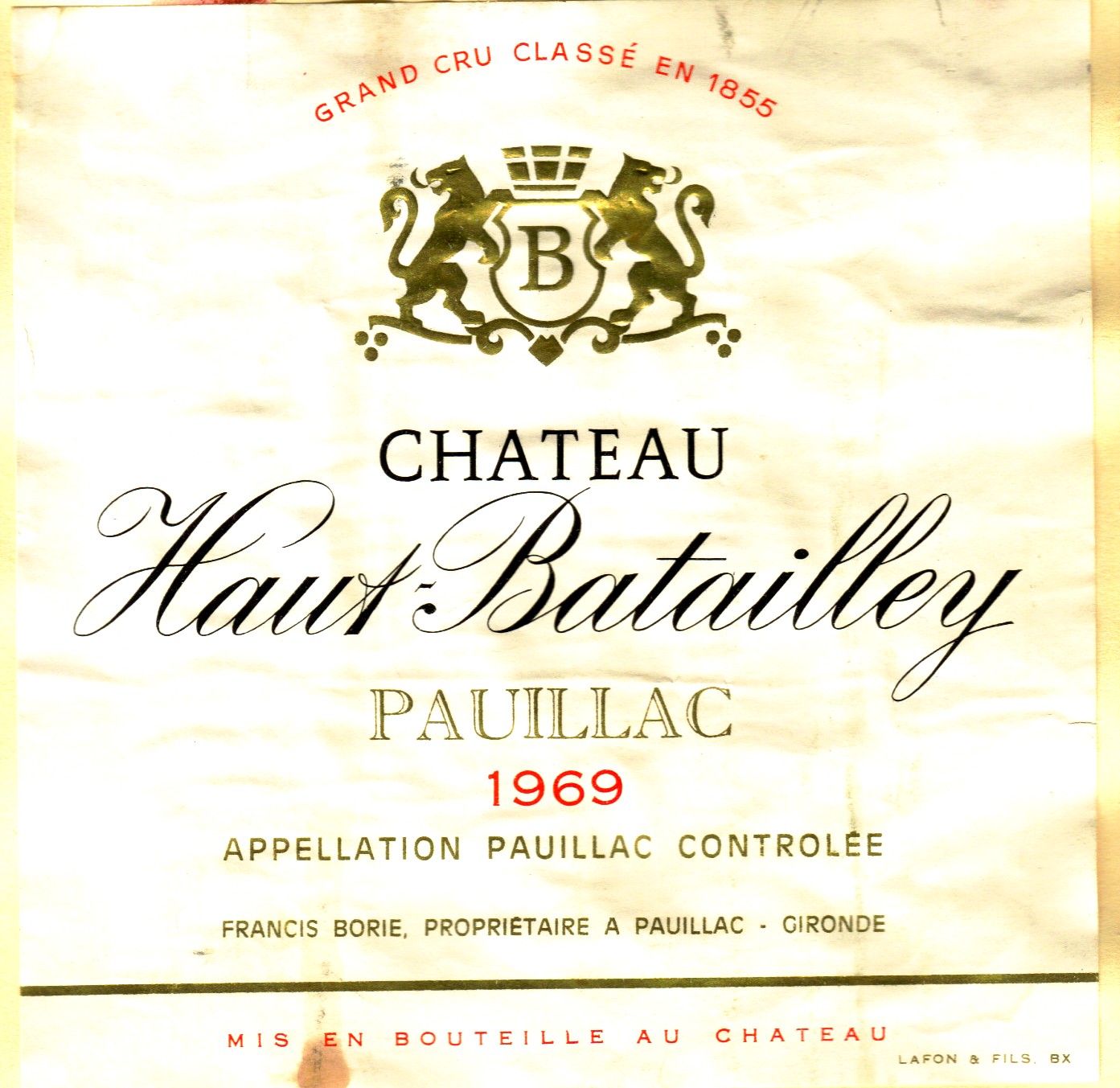
Chateau Haut-Batailley

Chateau Grand-Puy-Lacoste

Chateau Grand-Puy-Ducasse

Chateau Lynch-Bages

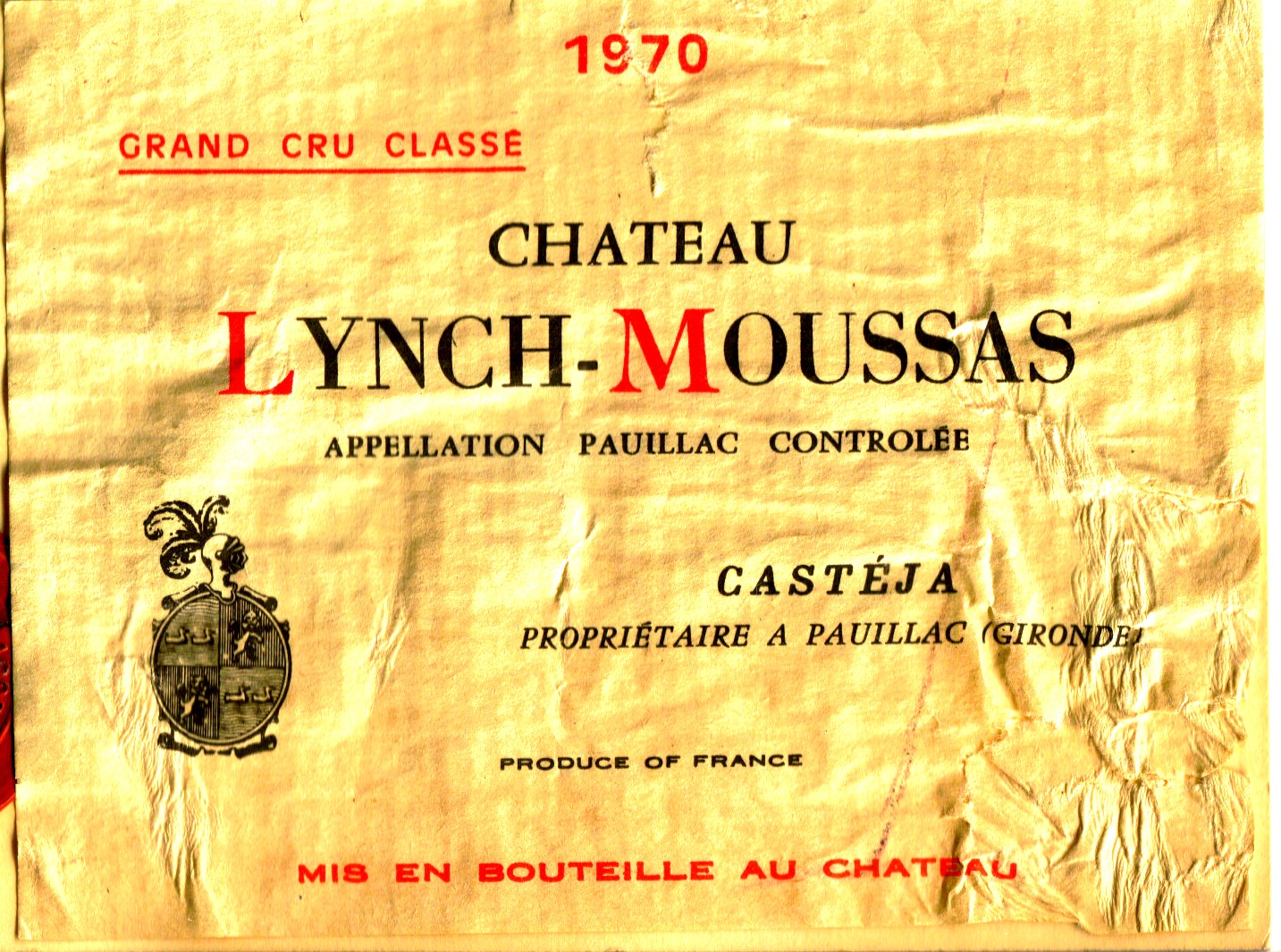
Chateau Lynch-Moussas

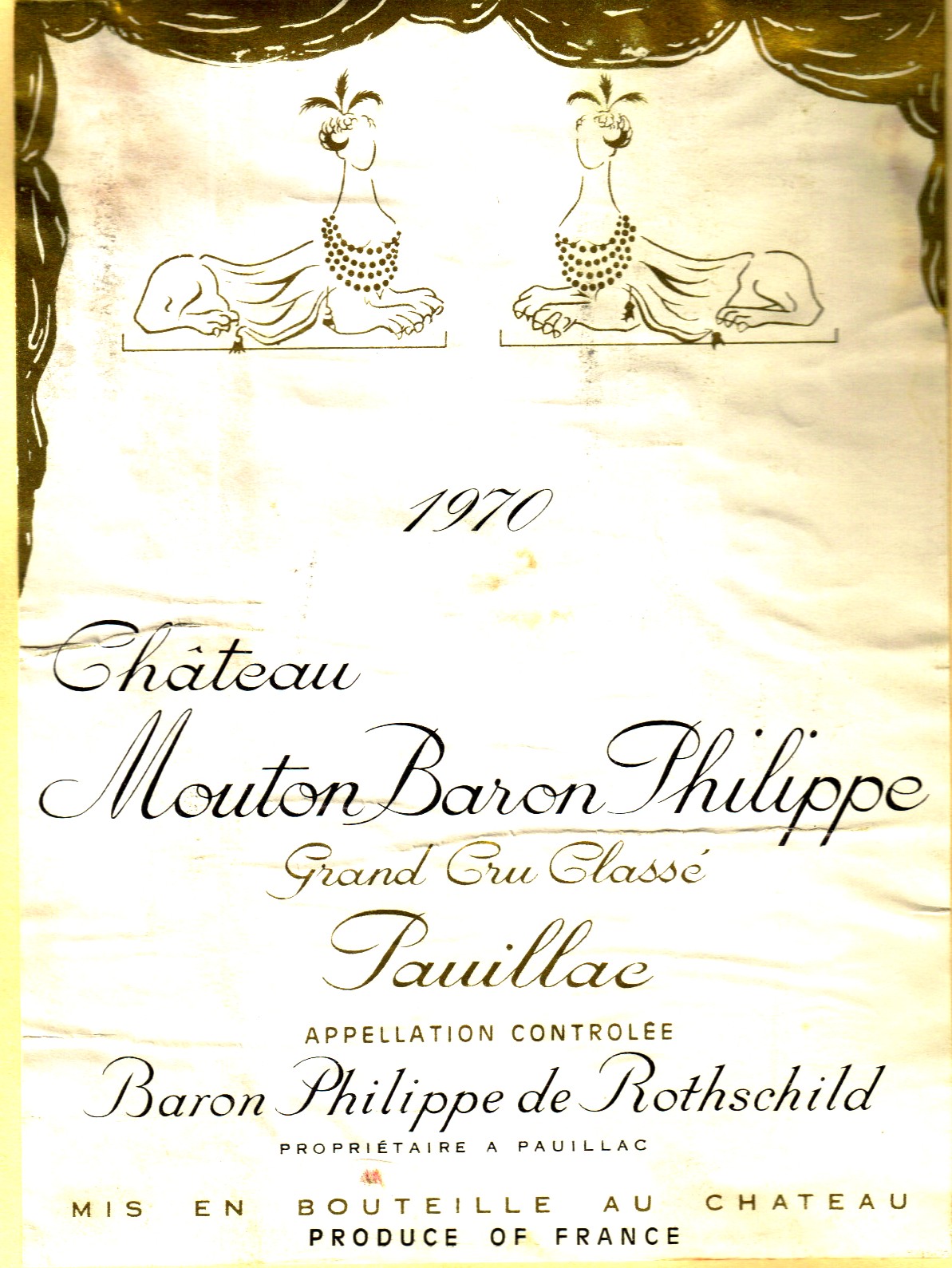
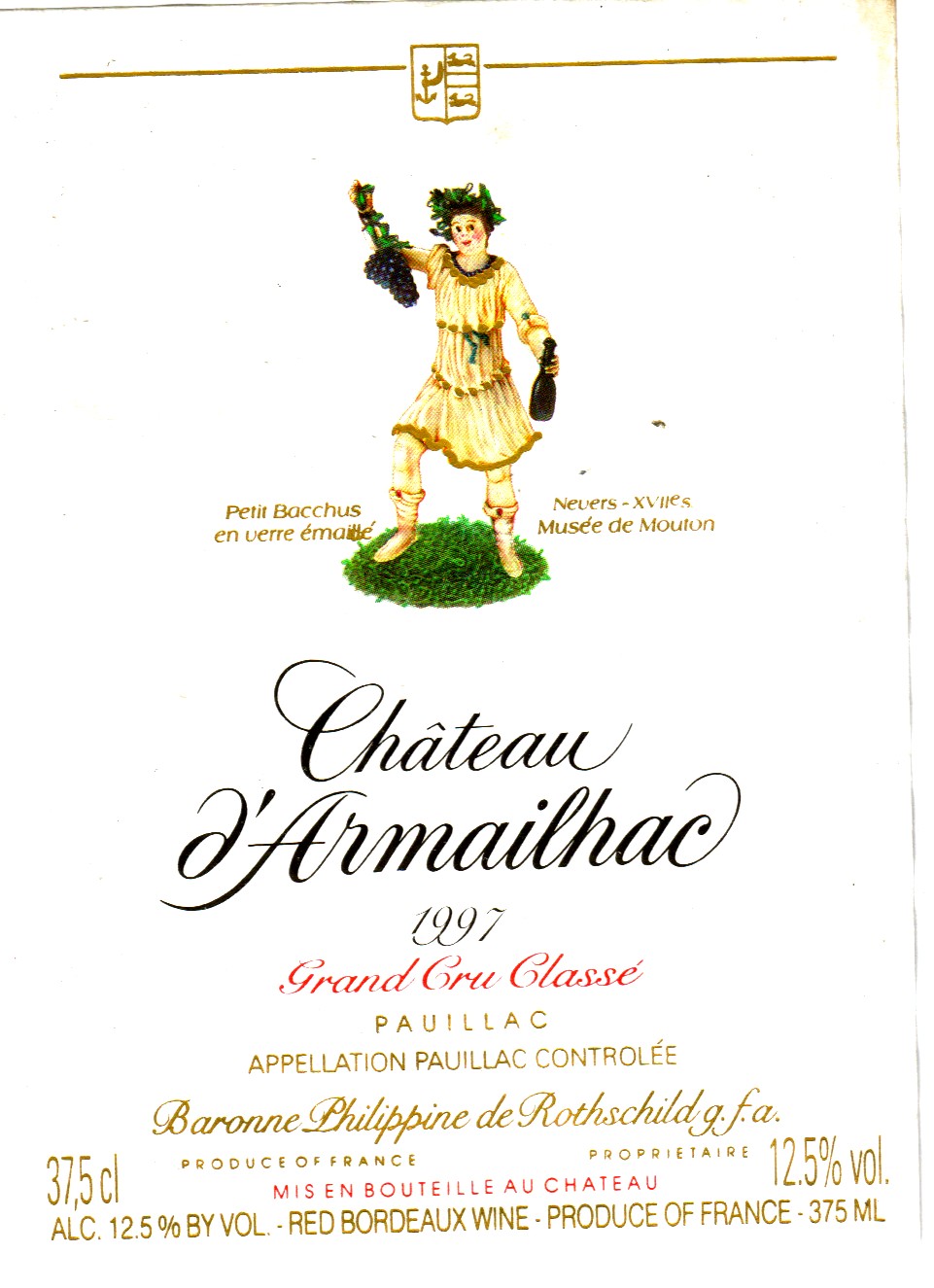
Chateau Mouton d’Armailhacq/Chateau Mouton-Baron-Philippe


Chateau Haut-Bages-Liberal

Chateau Pedesclaux

Chateau Clerc-Milon-Mondon

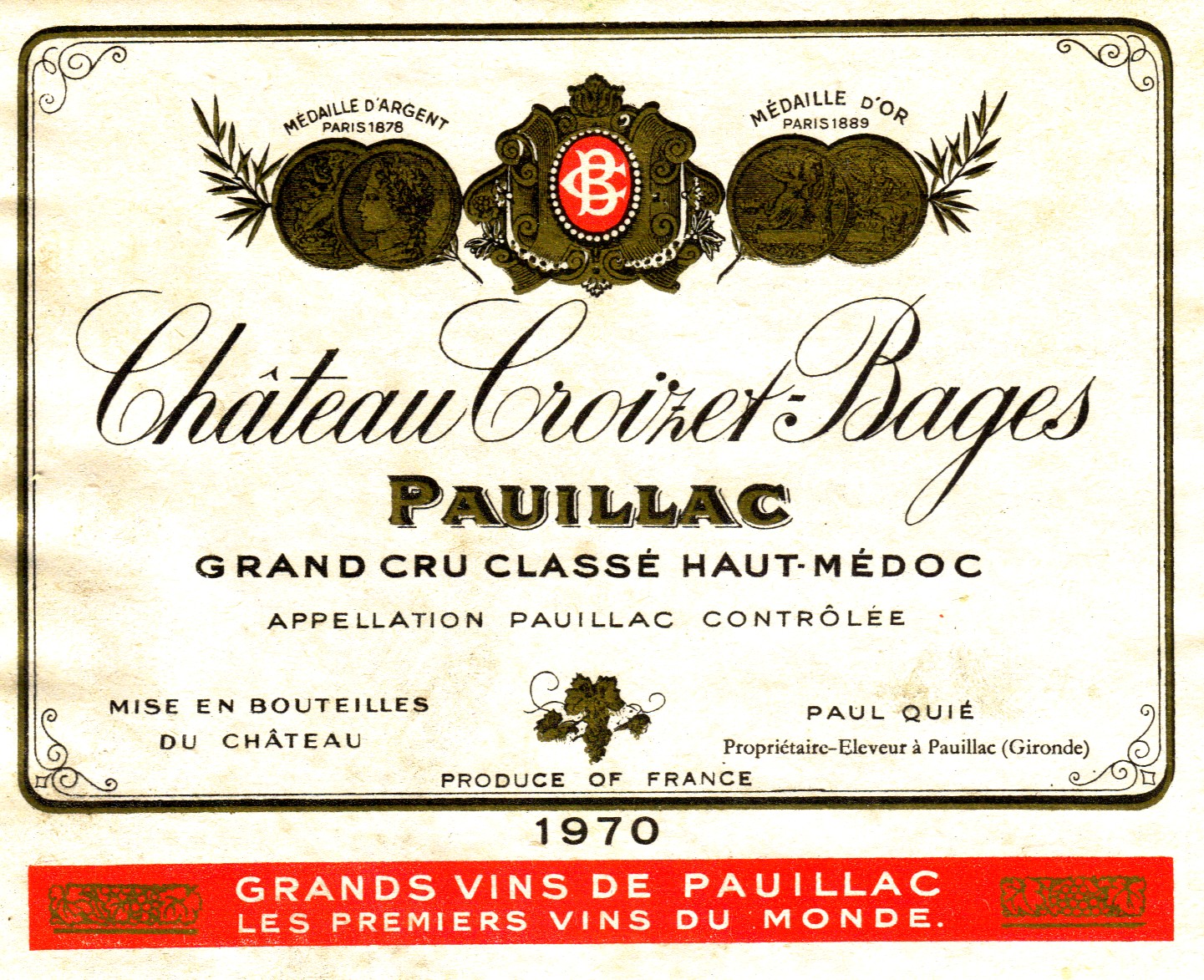
Chateau Croizet-Bages

Then some of the Petite Chateaus and Negociants blended wines.


Posted in Wine | Tagged , , , | 5 Comments

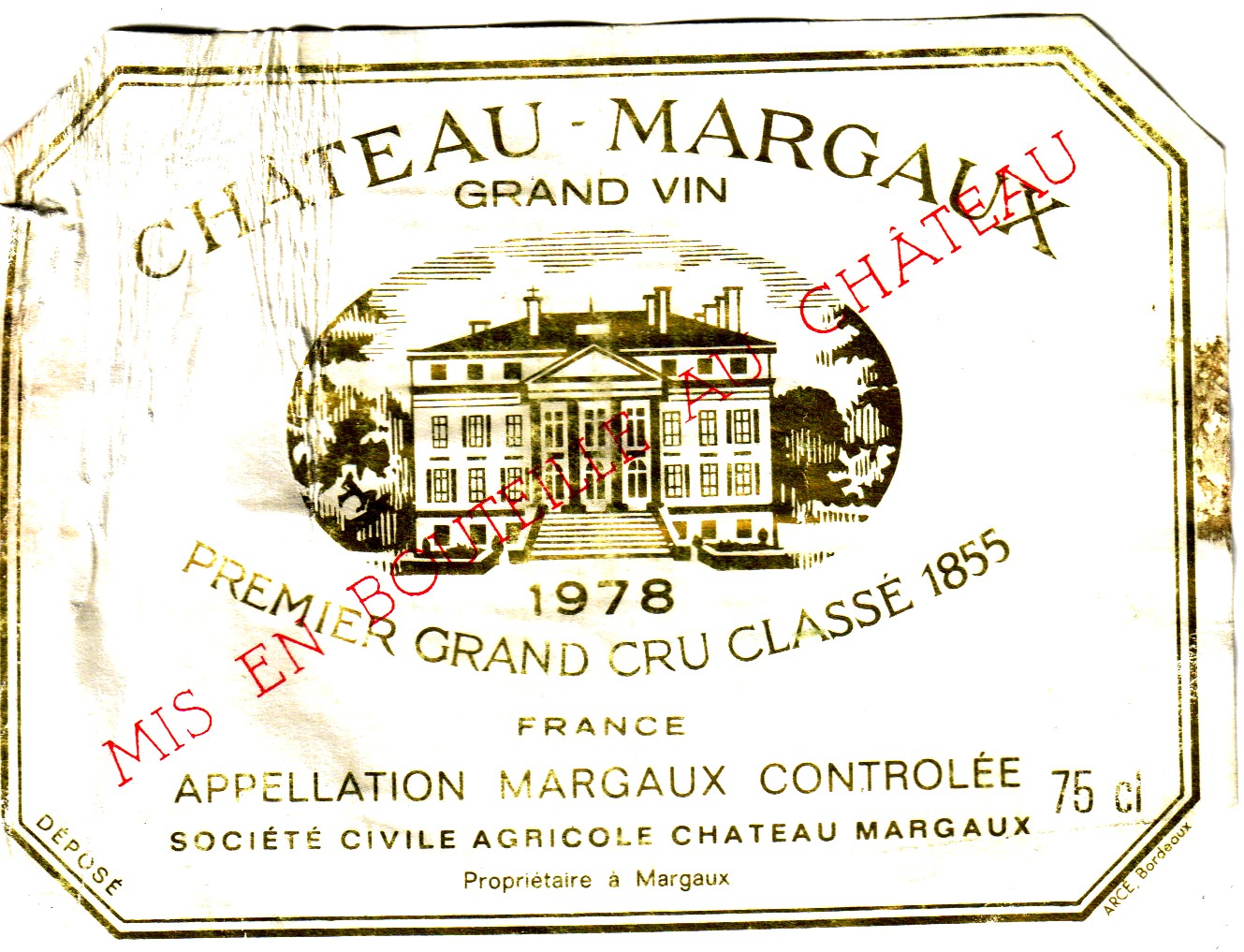
Margaux

Margaux is one of the famed Communes of the Haute Medoc.  It is on the Commune level that Bordeaux is famous.  Within in these Communes are the famous Chateaus that are associated with Bordeaux.

In 1855 there was a Classification for the Medoc, which has held up for the most part to this day, with very little tweaking, some grumbling and politics perhaps, but that is found everywhere, even in wines.  Please also note that Margaux is the only Commune that is represented in each of the Growth Classifications.

I started out talking about the more generic wines of Bordeaux and each day, I have brought you in one more step in.  When you are looking at a wine menu, if you have the where-with-all to buy the Premier Crus (First Growths) by all means enjoy them.  I find more adventure searching for another chateau in the communes that I have not tried, not to mention that they are not priced as dear as the First Growths.

So with out further ado, I am going to go down the list of the 1855 Classification for the Medoc as it pertains to the Commune of Margaux.

Premiers Cru (First Growths)

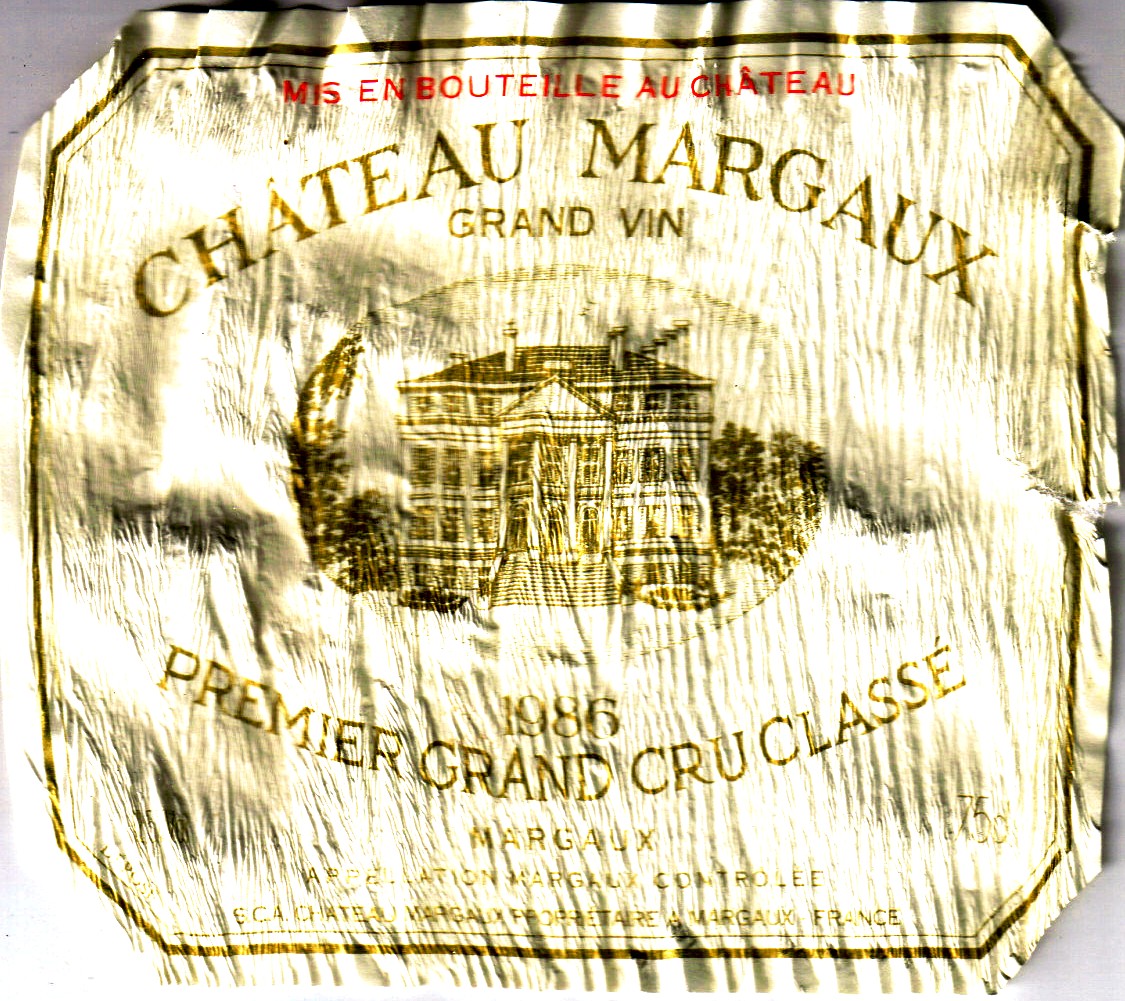
Chateau Margaux


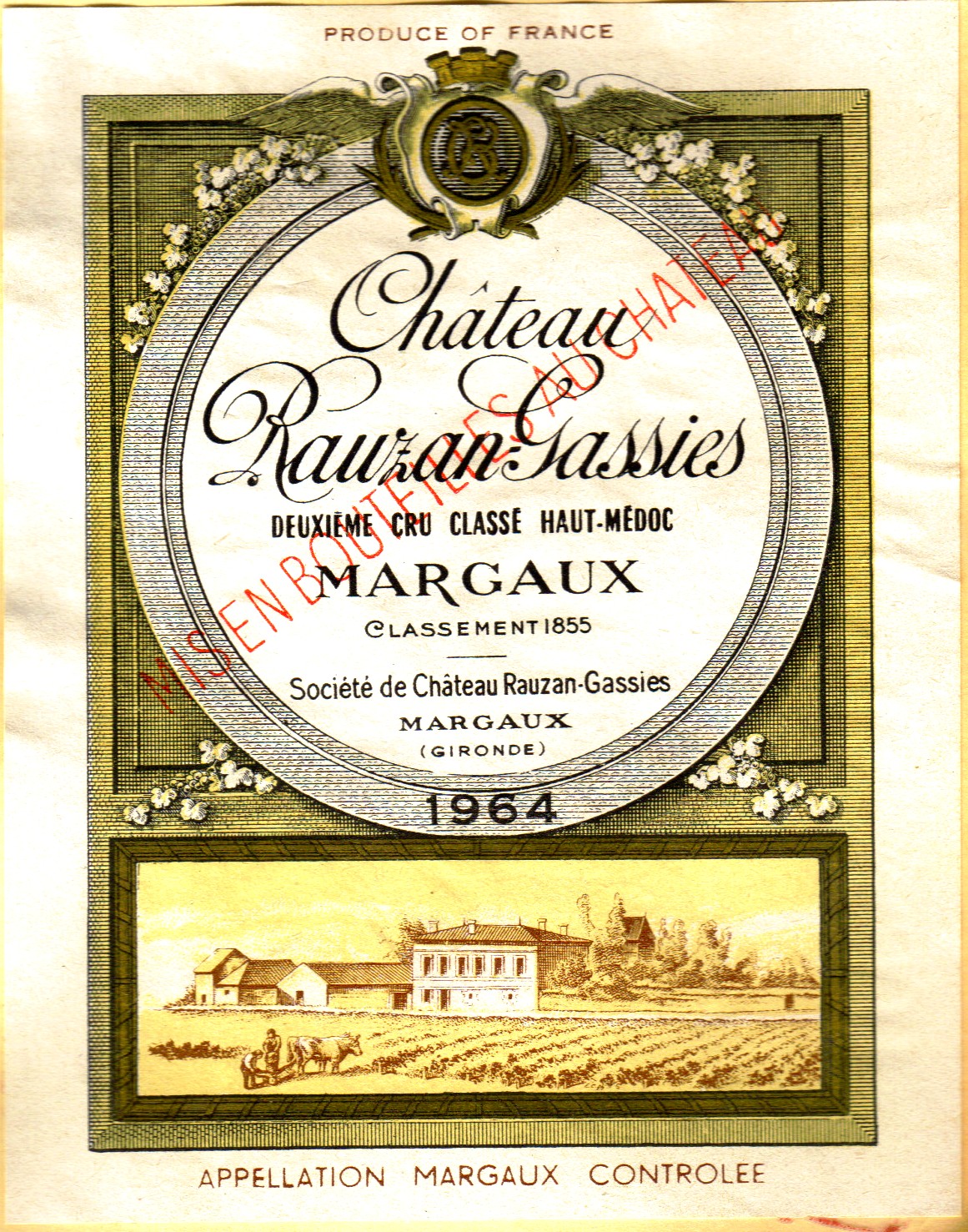
Deuxiemes Crus (Second Growths)

Chateau Rausan-Segla

Chateau Rauzan-Gassies

Chateau Durfort-Vivens

Chateau Lascombes

     Chateau Brane-Cantenac

Troisiemes Crus (Third Growths)

Chateau Kirwan

Chateau d’ Issan

Chateau Giscours

Chateau Malescot-Saint-Exupery

Chateau Catenac-Brown

     Chateau Palmer

Chateau Desmirail

Chateau Ferriere

Chateau Marquis-d’Alesme-Becker

Chateau Boyd-Catenac

Quatriemes Crus (Forth Growths)

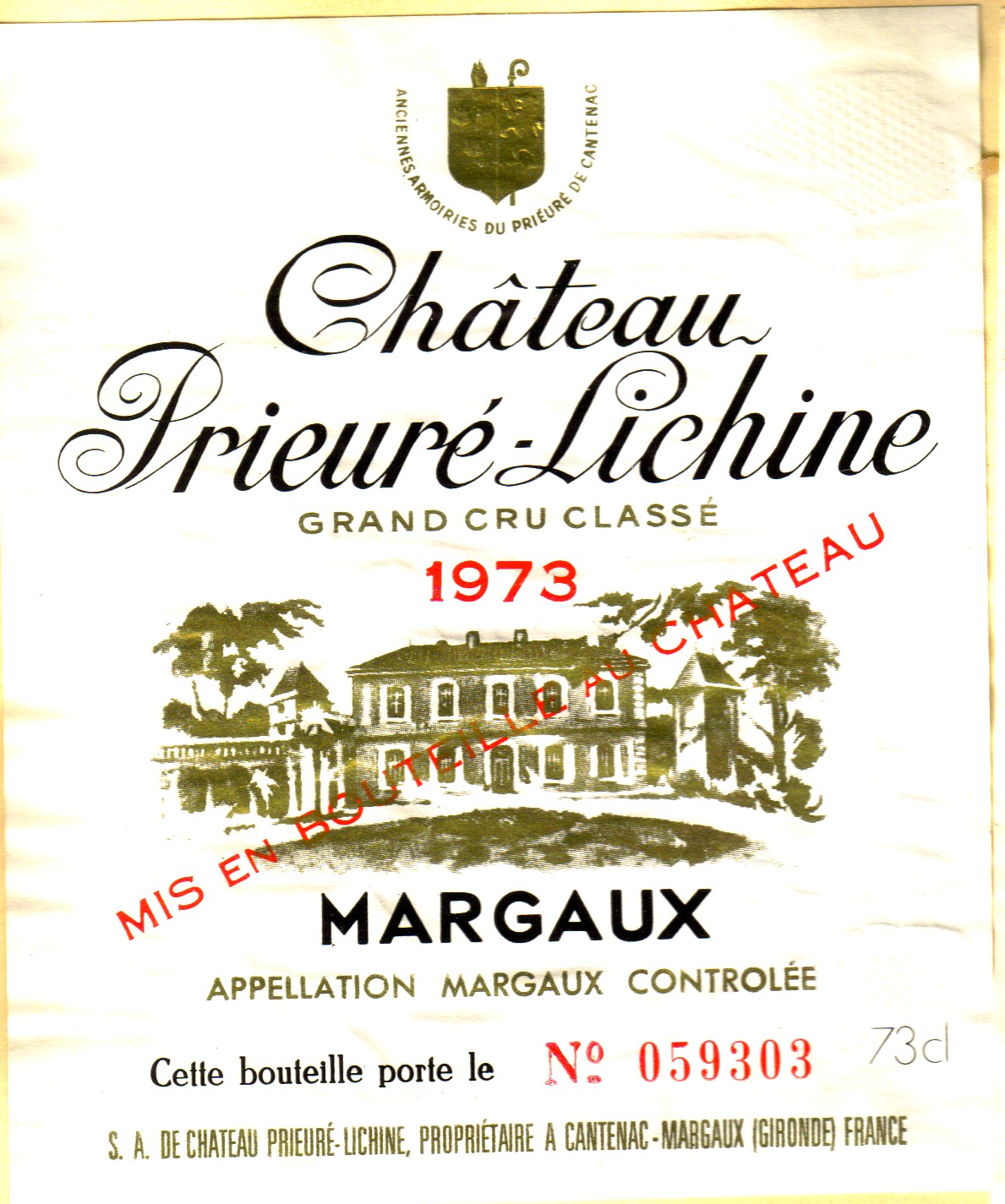
Chateau Pouget

Chateau Prieure-Lichie

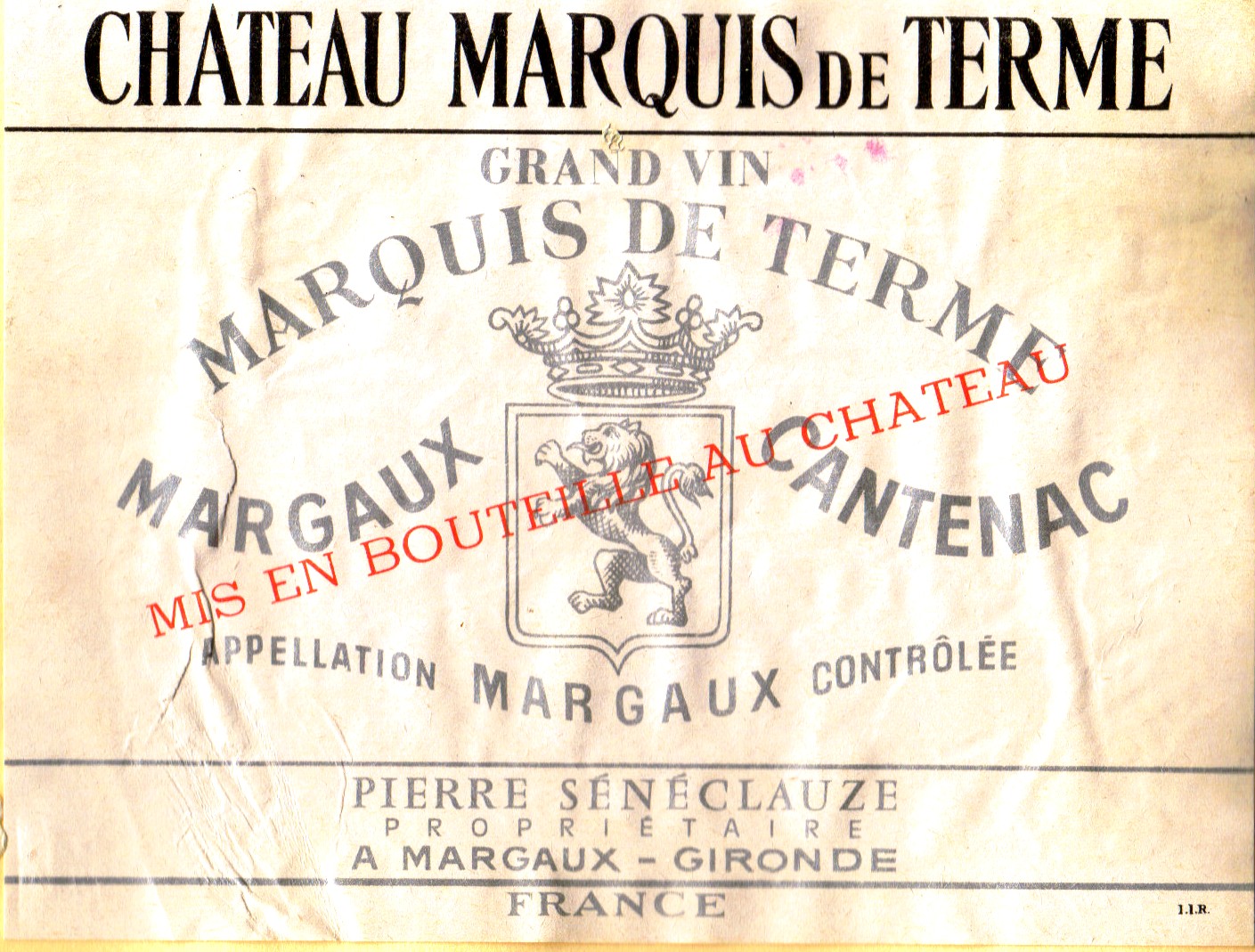
     Chateau Marquis-de-Terme

Cinquiemes Crus (Fifth Growths)

Chateau Dauzac

Some non-classified chateaus, with some of them from adjoining Communes that are entitled to have joint classifications in the Appelation Controlee with Margaux such as Moulis, Catenac and Labarde.


Posted in Wine | Tagged , , , , | Leave a comment

Haut-Medoc

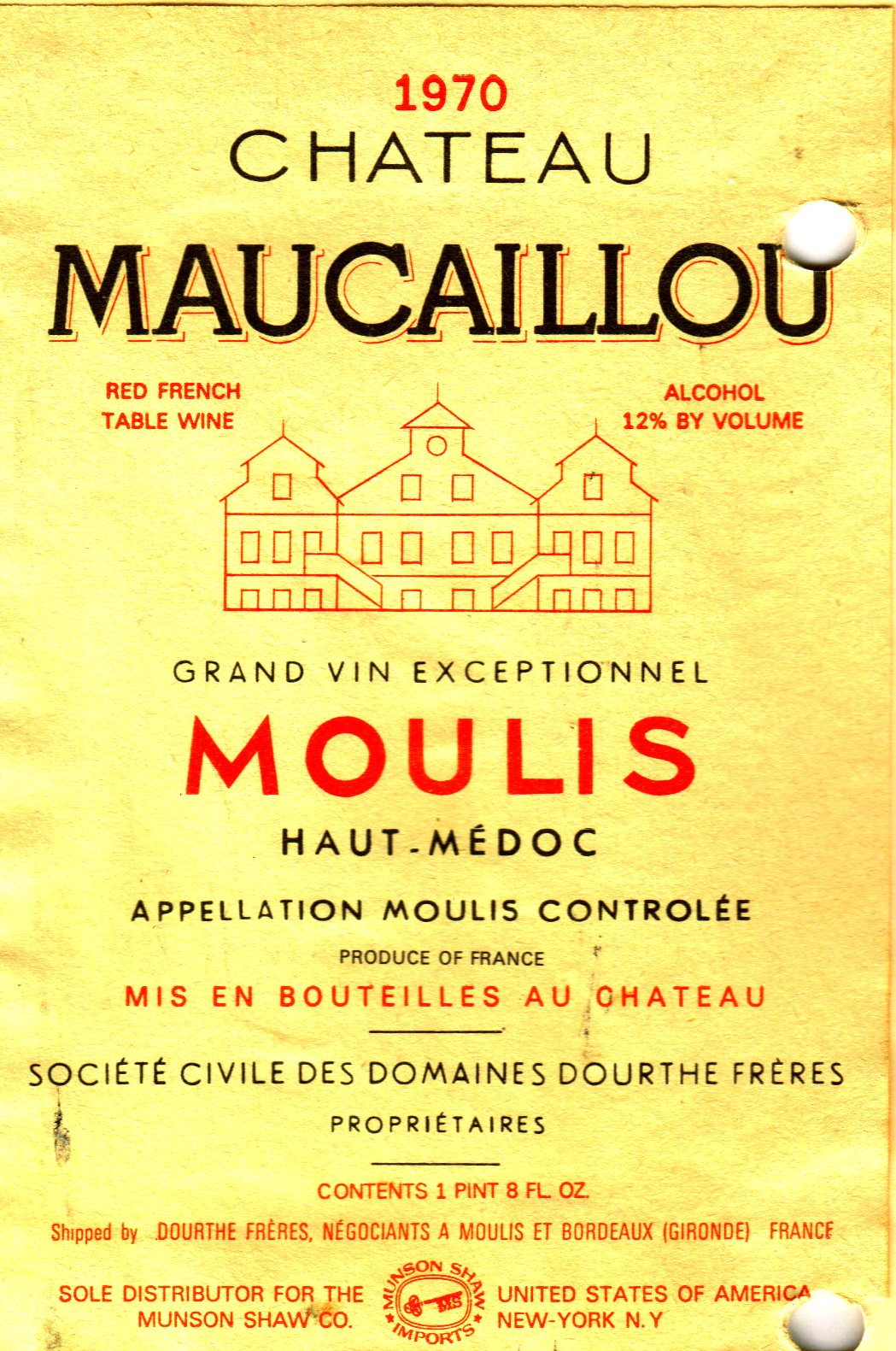
The upper levels of the terrain of Medoc, Haute- Medoc are where the majesty of Bordeaux wines is located.  The four great communes of Bordeaux are located in the Haute- Medoc (Pauillac, St. Estephe, St. Julien, and Margaux) and I will talk about each one as a separate entity.  With these four major communes in the Haute- Medoc is it any wonder that the other wineries would want to list themselves as belonging to this designation.  You may also see “crus exceptionels” and “crus bourgeois” which refer to wineries that have proved themselves over the years, but were not part of The Classification of 1855 for the Medoc.

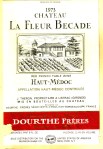
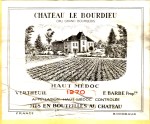
Once again here is just a collection of labels showing this designation.

Posted in Wine | Tagged , , , | Leave a comment

Medoc

This is the section that most people think of as Bordeaux.  This area extends about sixty miles from the city of Bordeaux.  It has only been about two hundred years of wine production for the Medoc.  Bordeaux wines were originally known from the commune of Graves which is adjacent to the city; these were the wines that were known as Claret in England.

The Medoc is divided into two parts.  Bas Medoc (Lower Medoc) and Haute Medoc (Upper Medoc) and this are based on the elevation of the terrain.   Those wineries located in the Bas Medoc usually use the designation of Medoc, so as not to sound inferior.  The wineries in the Haute Medoc capitalize on the designation.

Once again here is just a collection of labels showing this designation.

Posted in Wine | Tagged , , | Leave a comment