Fine Wine Source Club – September 2024

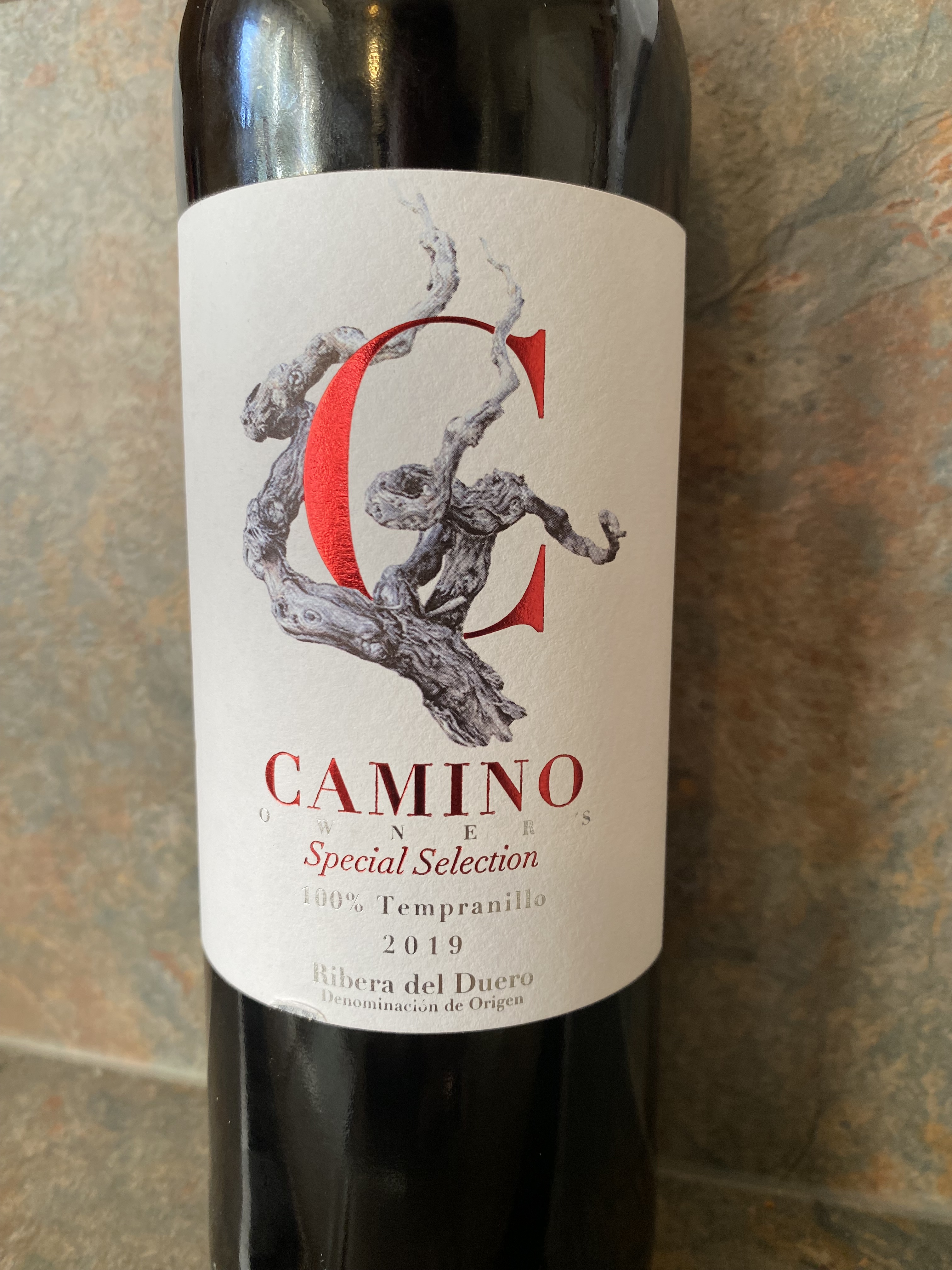
By the time that you read this article about the wine club selections at The Fine Wine Source in Livonia, Michigan, I will have hit another milestone and another decade as I will now be in my Seventies.  Someone told me that I am aging like a fine wine, but in my entire wine enjoying life, I still have not see a bottle of wine with a vintage of 1954, but hopefully there is still time.

The first wine that I will discuss represents the Old World and is a bottle of Trambusti Badiolo Chianti DOCG 2020.  Chianti Trambusti was founded by Orlando Trambusti in 1934.  Orlando was a wine lover and decided to begin his avocation into a vocation.  His first warehouse was opened in Greve in Chianti, and by 1939 the business moved to Impruneta, in the province of Florence and continued throughout the war years.  In 1956 moved to the Via Pistoiese, where it has remained to the day.  Orlando died in 1982, and his son Giovanni took over the reins, and even improved the quality and the business.  Giovanni was joined by his three children in the Nineties, and modernized the firm with new equipment, while still respecting the traditions of the region.  In the 2000’s, they purchased Tenuta Poggio ai Mandorli in Greve and restored it to its original splendor.  The estate is fifty-two hectares located at an altitude of 350m above sea level running through the heart of Chianti Classico on a pebbly, mineral-rich-southeast facing land enjoying the micro-climate of the region.  There is twenty hectares of Sangiovese, Merlot, and Syrah vineyards, with an average of twelve years on the vines; as well as twenty hectares of olive groves, some of which are over a hundred years in age.  Chianti DOCG by regulation must have seventy percent Sangiovese, and the balance is usually Tuscan varieties like Canaiolo, Colorino, Ciliegiolo, and Mammolo.  The wine undergoes fermentation and maceration in Stainless Steel tanks, and then aged for four months in oak barrels.  The wine is described as a bright ruby red in color and offers notes of cherries, cranberries, cocoa, and earthy topsoil.  On the palate, a medium-bodied wine with tones of dried cherries, raspberries, blending with firm tannins; with a mid-count finish of cherries, chocolate, and salty-metallic terroir. 

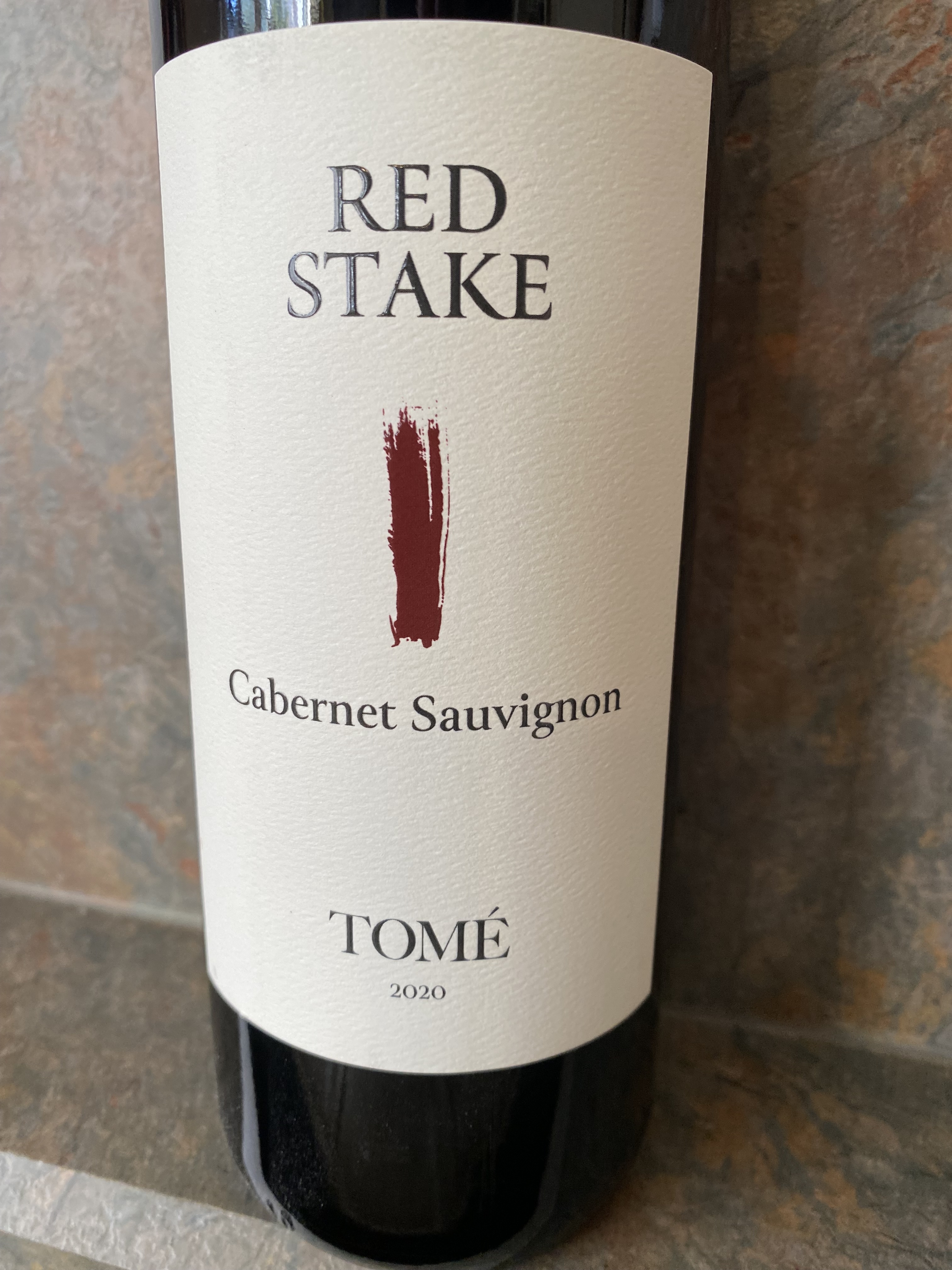
The wine representing the New World is Tomebrands “Lip Out” Riesling Ancient Lakes of Columbia Valley, WA 2021.  Robert Tomé is the founder and CEO of Tomebrands. Robert was born in Toronto, Ontario, Canada; his father was an immigrant from Friuli Venezia Giulia home of some of his favorite vineyards, and his mother is a third-generation Canadian of Scottish descent, from where he learned to love golf. His earliest memories of wine are the wines made in his family’s garage by his father and uncles.  Years later he found himself working at a golf club, where he developed a passion for the game, as well as the hospitality industry, where he eventually received a full scholarship and then a degree in hospitality and tourism.  By the nineties he was working full time in the wine industry, and in 2004 he launched his own wine importing agency in Canada.  In 2017, he sold his interest in the agency and fulfilled his dream and created Tomé Group of Brands, making wines from Washington State and in Italy. “Lip Out” Riesling is from the Ancient Lakes of Columbia Valley AVA, and it received its designation in 2012, though the region first started growing grapes since the eighties.  The wine is described as having notes of peaches, tropical fruits, white florals, citrus, and minerality.  On the palate there are tones of peaches, cream, green apples in a rich, well-balanced wine.  And a “Lip Out” is the bane of duffers, miniature golfers, and professionals, where after the putt, the ball circles the rim of the cup, and follows the circumference instead of sinking in the hole.        

Posted in Wine | Tagged , , , , , , , , , , , , , , , | Leave a comment

Echo, Chateau Lynch-Bages and Blanc

We were coming up to the second half of the wine tasting at The Fine Wine Source in Livonia, Michigan with the special host Pierre Louis Araud of Famille JM Cazes.  We were going to enjoy Echo de Lynch-Bages, a vertical of Chateau Lynch-Bages and the very rare Blanc de Lynch-Bages.  We started with Echo de Lynch-Bages Pauillac 2019.  This is the second label of Chateau Lynch-Bages and was originally known as “Haut-Bages Averous” taken from a former Pauillac estate owned by the family; the name was changed in 2008.  The name came from Greek mythology and the nymph Echo.  The wine is a blend of forty-six percent Cabernet Sauvignon, fifty-three percent Merlot, and one percent Cabernet Franc and aged for twelve months in one-year-old French Oak barrels.  Initial Fermentation and Maceration was conducted in vats, and Malolactic Fermentation was conducted one third in the vats, and two-thirds in barrels and first blends were done in December.  The wine had a nice deep garnet color and offered notes of red and black fruits, tobacco, sous-bois, and a whiff of smoke.  On the palate a fresh medium-bodied wine with tones of raspberries, currants, cassis, and mellow tannins, and completed by a good medium count finish of fruit and terroir.

We then had the pleasure of enjoying a vertical tasting of Chateau Lynch-Bages Pauillac 2018, 2014, and 2010; I listed the vintages in the sequence that they were poured.  Chateau Lynch-Bages 2018 was a blend of seventy-two percent Cabernet Sauvignon, nineteen percent Merlot, six percent Cabernet Franc, and three percent Petit Verdot; aged for eighteen months in French Oak, of which seventy-five percent was new.  Initial Fermentation and Maceration was done in vats for twenty-one days, while Malolactic Fermentation took place one-third in vats and two-thirds in barrels for about a month, and the first blends were begun in December.  A deep garnet color that offered notes of black and red fruits, spices, and sous-bois.  On the palate a rich and full-bodied wine that offered tones of cherry, blackberry, cassis, chocolate, rosemary, blended with silky tannins and a long finish of fruit and terroir. The Chateau Lynch-Bages 2014 was a blend of sixty-nine percent Cabernet Sauvignon, twenty-six percent Merlot, three percent Cabernet Franc, and two percent Petit Verdot; aged for eighteen months in French Oak, of which seventy-five percent was new.  The weather in the fall was so perfect that they extended the harvest period to fine-tune the ripeness of the old Cabernets.  This deep ruby colored wine offered notes of black and red fruits, coffee, and sous-bois.  On the palate a full-bodied elegant wine showed tones of warm alcohol in a “jammy black-fruit wine” with coffee, cedar and firm tannins that had a long finish of deep fruit and graphite (terroir).  We then had the Chateau Lynch-Bages 2010 which was a blend of seventy-nine percent Cabernet Sauvignon, eighteen percent Merlot, two percent Cabernet Franc, and one percent Petit Verdot; aged for fifteen months in French Oak, of which seventy percent was new.  A growing season of dry weather, without extremes and cool evenings.  A deep blackish-ruby colored wine offered notes of black and red fruit, cassis, spices, tobacco, and sous-bois.  On the palate this was a big full-bodied wine with tones of black fruit, cassis, chocolate, spices, lively acidity blended with fine-grained tannins leading to a long finish of fruit and terroir.  This was what I refer to as a “big and chewy” wine, and if you can’t tell, I really enjoyed this wine, and I think this wine is just starting to open up, it will still enjoy time in the cellar.

We finished off with a rather rare wine, and I was surprised at first to see it being the last of the wines for the tasting, but we took the lead from our host Pierre Louis Araud.  We then tried Chateau Lynch-Bages Blanc de Lynch Bages Bordeaux AOP 2022.   Blanc de Lynch-Bages was first released in1990 and is historically of the first white wines produced by a Grand Cru Classe in the Medoc.  It is grown on a six-hectare vineyard on the west side of the estate in eight different parcels on the classic Garrone gravel.  The wine is a blend of sixty-seven percent Sauvignon Blanc, twenty-two percent Semillon, and eleven percent Muscadelle; aged for six months in French Oak, of which fifty percent is new.  The fruit is hand-harvested and hand sorted, and seventy-five percent of the juice is vinified in individually temperature-controlled barrels, and they are stirred on the lees on a regular routine and aged for six months before bottling.  The wine is a pale yellow and offered notes of white florals, lemons, peaches, exotic fruits, orange rind, and spices.  On the palate pleasing tones of bright citrus, pear, green apple, lemon, big and balanced, leading to a mouth-watering finish that beckoned for more.  An absolutely wonderful wine, and it was a good thing, that my Bride wasn’t with me, as I would probably have to go back to work. 

Posted in Wine | Tagged , , , , , , , , , , , , , , , | Leave a comment

Pierre Louis Araud and Famille JM Cazes

The Fine Wine Source in Livonia, Michigan was having a special event, a wine tasting featuring wines from Famille JM Cazes, with Pierre Louis Araud pouring the wines and discussing the wines and the history and nuances of each wine.  He is the Commercial and Marketing Director for Chateaux Lynch-Bages, Haut Batailley, Ormes de Pez all under the umbrella of Famille JM Cazes.  Prior to his current position he had been with Moet & Chandon and their Private Client Director, Brand Manager for Moet & Chandon, Brand Manager for Baron Philippe de Rothschild and some other positions as well.  He was charming and a font of information, a true pleasure to be in his company.

Famille JM Cazes had an interesting history, Jean-Charles Cazes managed Chateau Lynch-Bages as a tenant farmer since 1933, and in 1939 acquired the property; and in 1940 he became the owner of Chateau Les Ormes de Pez.  Andre Cazes, who had been Mayor of Pauillac since 1951 (for over forty years) took over management of both properties in the Sixties, and in 1973 his son Jean-Michel Cazes came to assist his father.  In 1975 they began to modernize Chateau Lynch-Bages, an endeavor that took fifteen years to accomplish.  In 1988, they acquired Chateau Villa Bel Air in Graves; and the Chateau Lynch-Bages 1985 was “Wine of the Year” by Wine Spectator magazine.  In 1989 they created the Relais & Chateaus Cordeillan-Bages, which later acquired two stars from Michelin.  Then in 2002 in a joint venture with the Roquette family created Roquette e Cazes, grand vin of the Douro.  Jean-Charles Cazes took over the family vineyards in France and overseas in 2006, while he also acquired an estate in Chateauneuf du Pape.  The family organization has also opened assorted food and hospitality businesses, as well as acquiring many awards over the years.  And as a side note that I just found totally interesting; on 17 June 1985 astronaut Patrick Baudry carried a half-bottle of Chateau Lynch-Bages Pauillac 1975 on board the Discovery shuttle.

To finish off the tasting event, waiting for us at The Fine Wine Source in Livonia, Michigan was Echo de Lynch-Bages, a vertical of Chateau Lynch- Bages, and Blanc de Lynch-Bages.  Chateau Lynch-Bages is a Fifth Growth from the Bordeaux Classification of 1855, who many feel that it should be elevated.  The property is in the village of Bages in Pauillac and named after Thomas Lynch, a Bordeaux merchant of Irish lineage who had the property from 1749 to 1824.  The Cazes family has had the property since 1939, and has been respected as having some spectacular vintages since 1945.  The vineyards are on a plateau west of Pauillac on gravel, chalk, and sand soils; and there are over a hundred hectares planted and since 2006, the vineyards have been divided into two-hundred parcels to match the varietal to the terroir.  Sixty-eight percent is planted with Cabernet Sauvignon, twenty-six percent to Merlot, four percent to Cabernet Franc, and two percent to Petit Verdot.  Initial Fermentation and Maceration takes place in temperature-controlled Stainless-Steel vats with the use of extensive “pumping-over” for concentration and color intensity.  The old vat-house has traditional slatted floors, ropes, pulleys, and buckets, which give the advantages of gravity flow, which has been incorporated by many modern wineries.     

Posted in Wine | Tagged , , , , , , , , | Leave a comment

A Tasting with Famille JM Cazes

I had the good fortune to be invited for another wine tasting of some classic wines from the Medoc at my local wine shop The Fine Wine Source in Livonia, Michigan.  The Cazes family have been the owners of Chateau Lynch-Bages since 1939, and over the years they have spread their sphere in viticulture, tourism, and hospitality.  Our host for the event was Pierre Louis Araud representing Famille JM Cazes. 

We began by enjoying Chateau Ormes de Pez Saint-Estephe 2018.  The estate was formerly classified as a Cru Bourgeois Exceptionnel and when the classification was formally dropped in 2011, it became part of the marketing group Les Exceptionnels with five other former Cru Bourgeois properties.  Prior to the French Revolution, the property was part of the Domaine de Pez in Saint-Estephe, once defined by the elm trees (ormes) once growing on the estate in the hamlet of Pez.  After a succession of ownerships since the Revolution, the estate was purchased by the Cazes family in 1940.  The estate is thirty-five hectares of vineyards; fifty-four percent is Cabernet Sauvignon planted on gravelly soils, and thirty-seven percent is planted with Merlot on sandy clay soils, while the balance is planted with Cabernet Franc and Petit Verdot.  This wine is fifty percent Merlot, forty-one percent Cabernet Sauvignon, seven percent Cabernet Franc, and two percent Petit Verdot.  The fruit is hand harvested and hand sorted.  Initial Fermentation and Maceration lasts for about twenty days in Stainless Steel vats.  The wine was then aged for sixteen months in French Oak, of which forty-five percent was new.  A nice deep garnet red wine offering notes of red and black fruit, and a whiff of smokiness.  On the palate a medium-bodied wine with tones of black cherry and currants, with good acidity, fine tannins; followed by secondary tones of sous-bois, chocolate, graphite and a fine medium count of licorice and terroir.

The second wine of the tasting was Chateau Haut-Batailley “Verso” Pauillac.  Chateau Haut-Batailley is a Fifth Growth from the Classification of 1855 of the Medoc. The actual vineyard of Chateau Haut-Batailley was defined in 1942, when the estate was divided into two separate properties (Batailley and Haut-Batailley). The estate now has forty-one hectares of deep Garonne gravel and planted with Cabernet Sauvignon, Merlot, and Petit Verdot. In 2017 the Caze family took over the estate. “Verso” is the second label of the estate.  The wine is a blend of sixty-five percent Cabernet Sauvignon and thirty-five percent Merlot.  The fruit is hand-harvested, sorted, and destemmed from a twenty-two-hectare property on the estate.  Initial Fermentation and Maceration and vatting for three weeks, while Malolactic Fermentation began after the juice was transferred to one-year-old barrels for eight months.  The dark ruby-red wine offered notes of red fruit and spices and herbs.  On the palate this medium-bodied wine offered tones of currants, blended with other red fruits, oak, pepper, and fine-grained tannins and a medium count finish of fruit and a touch of terroir.

The last wine of this group was Chateau Haut-Batailley Pauillac 2019.  Chateau Haut-Batailley is a Fifth Growth from the Classification of 1855 of the Medoc.  The actual vineyard of Chateau Haut-Batailley was defined in 1942, when the estate was divided into two separate properties (Batailley and Hut-Batailley).  The estate has forty-one hectares of deep Garonne gravel and planted with Cabernet Sauvignon, Merlot, and Petit Verdot. In 2017 the Caze family took over the estate.  The estate now has forty-one hectares, because the Caze family planted an additional nineteen hectares, that had never been reinstated after Phylloxera, and these blocks are bordering Saint-Julien.  This wine is a blend of seventy-six percent Cabernet Sauvignon and twenty-four percent Merlot.   The grapes were hand-harvested, hand-sorted, and destemmed.  Initial Fermentation and Maceration and vatting for three weeks.  Malolactic Fermentation started in the vatting process and continued during the aging in French Oak, of which sixty percent was new, for fourteen months.  The deep ruby red wine offered notes of currants, cassis, and toasted oak.  On the palate this wine offered tones of black cherry, currants, with secondary notes of cocoa and vanilla, great acidity, silky tannins, and a nice long finish of fruit, oak, and terroir.  It was a treat to taste the first and second label wines from the same vintage.           

Posted in Wine | Tagged , , , , , , , , , , , , | Leave a comment

Ashes & Diamonds with Kashy Khaledi

We were coming to the end of a wonderful and charming wine tasting at The Fine Wine Source in Livonia, Michigan featuring the wines of Ashes & Diamonds Winery and being entertained by the proprietor Kashy Khaledi.  It is always a pleasure to do a winetasting with an owner or a winemaker, as it makes it much more personable and intriguing.

Kashy Khaledi is a creative executive in multimedia and advertising, noted for his achievements bridging culture and branding for clients such as Intel, Google, Microsoft, Mazda, and many others.  He has been nominated and won awards in his industry.  He has also turned towards another industry, as he launched Ashes & Diamonds Winery in 2017, and has already been recognized within the trade.  A California native, who with his wife and daughter enjoy such amenities of the state, like revival movies.  If his name sounds familiar, his father is Darioush Khaledi, who has Darioush Winery in Napa Valley, and while he could have followed in his father’s business, he started out in one business endeavor and then another.  Even the winery has his own take, as it is reminiscent of architecture that one could call California Modern from the 1950s and 1960’s. 

The final bottle of the tasting was Ashes & Diamonds Winery V. 1 Napa Valley 2019. This is their flagship wine and was a joint effort by winemakers Steve Matthiasson, Diana Snowden Seysses, and Dan Petroski.  The wine is a blend of forty-eight percent Merlot, forty-one percent Cabernet Sauvignon, and eleven percent Cabernet Franc.  The fruit has been sourced from select vineyards in Atlas Peak, Mount Veeder, and Ashes & Diamonds Estate Vineyard in Oak Knoll.  The vineyards are farmed organically and biodynamically emphasizing sustainable practices.  The fruit undergoes Maceration and Initial Fermentation in Stainless Steel for fifteen days with indigenous yeast.  The wine is then aged for nineteen months in French Oak, of which thirty percent is new.  There were four-hundred-twenty-two-cases produced.  The wine was a deep ruby red color and offered notes of red and black fruits, cedar, and that ethereal sous-bois, the French wine terms evoking autumn woods, white truffles, mushrooms, and organic soil.  On the palate there were rich tones of black cherry, plum, cassis, with secondary tones of oak, cedar, dried tobacco blending with silky tannins and finishing with a nice long finish of fruit and terroir.  A great wine for cellaring.

It was an interesting tasting as the wine was merged with Kashy Khaledi’s other businesses and interests as well.  The labels were created by graphic designer Brian Roettinger, who basically works on music album covers, and this is his first winery work.  The label with missing characters replaced with asterisks is used for the blends, outside of Vol. 1, which has it’s own look; while the block label of black and white indicates single vineyard wines.  The name Ashes and Diamonds pays homage to the Polish film of 1958, and the novel of 1948 by Jerzy Andrzejewski.  The original name comes from a 19th Century poem by Polish poet and artist Cyprian Norwid. As you will notice, we bought a case of wine after the tasting, but there are only eleven bottles there.  The last of the V. 1 will be delivered to The Fine Wine Source in about a month, as there was one case allotted to a firm in the Hamptons, and the balance will be sent to Livonia.           

Posted in Wine | Tagged , , , , , , , , , | Leave a comment

Ashes & Diamonds – Part Two

There were we were enjoying a wine tasting at The Fine Wine Source in Livonia, Michigan featuring Ashes & Diamonds Winery of Napa Winery conducted by the proprietor Kashy Khaledi.  The next two wines were made by his winemaker Diana Snowden Seysses who applies a “holistic approach” to wine production with a studied balance of Old-World tradition and New-World concepts.  She is a Napa Valley native and a Burgundian by adoption.  “The most memorable wines carry an echo of nature’s heartbeat.  They are the result of vineyard work without chemicals, on a thriving soil ecosystem, and native yeast fermentation with minimal handling in the winery.”

We had Ashes & Diamonds Grand Vin No. 4 Oak Knoll District 2017.  Oak Knoll District of Napa Valley AVA is in the southern part of Napa Valley near San Pablo Bay and is known for its cooler atmosphere and respected for the wonderful “Bordelais red wines” that thrive there.  It was first planted in the 1850’s and thrived until Prohibition and rediscovered in the 1960’s; it was awarded an AVA in 2004.  The wine is a blend of Merlot and Cabernet Franc from thirty-year-old vines grown on the gravelly clay loam of the estates vineyard.  The whole cluster fruit after harvest had Initial Fermentation and Maceration for seventeen days in Stainless-Steel tank using indigenous yeasts.  The wine was aged for nineteen months in French Oak of which thirty-seven percent was new; with a production of seven-hundred cases.  A ruby-red wine that offered notes of black and red fruit, chocolate, and a blend of baking spices along with toasted oak.  On the palate tones of blueberries and strawberries with medium acidity and tannins, finishing with traces of herbs and spices.

A couple of terms that seem to be bandied about nowadays “openness and transparency” are heard often, but it seems to be used to cloak secrets.  Ashes & Diamonds Winery believes in the concepts.  They actually print technical information on the back labels of the wines, which I find quite refreshing.  In the old days, and even today, some wineries think that they are working on the Manhattan Project and all information is proprietary.  I appreciate the notes.

The second wine that we enjoyed made under the auspices of Diana Snowden Seysses was the Ashes & Diamonds Winery Mountain Cuvee No. 4 Saffron Vineyard Mount Veeder 2019.  Mount Veeder is 2,700 feet high and marks the boundary between Napa and Sonoma counties.  The vineyards are planted on the rocky, clay-rich remnants of an ancient seabed, these soils and the steep slopes provide a terroir where the grapes must struggle for survival.  Even as difficult as it is, there are about fifty wineries there.  Originally planted in the 19th Century, it fell into decline during Prohibition and was rediscovered in the 1960’s; and was awarded an AVA in 1990.  Saffron Vineyard is organically farmed by Lisa Chu, located above the fog inversion line and the temperatures are often fifteen degrees cooler than the valley.  The vines were planted in 2000 in thin soils of uplifted marine sediment and fractured shale.  The wine is a blend of Merlot, Cabernet Sauvignon, and Cabernet Franc.  The fruit undergoes Initial Fermentation and Maceration for fourteen days in Stainless Steel tanks and indigenous yeasts.  The wine was aged for nineteen months in French Oak, of which thirty-five percent was new; three-hundred-five cases were produced.  A deep garnet colored wine that offered notes of red and black fruits, cinnamon, and toasted oak.  On the palate a well-balance wine where there were tones of plums, and dark fruits, cocoa, soft-fine-grained tannins, finishing with a nice medium count of baking spices and terroir.   

Posted in Wine | Tagged , , , , , , , , , , | Leave a comment

Ashes & Diamonds – Part One

There was a daily double happening at The Fine Wine Source in Livonia, Michigan as there was two special wine tastings in the same week.  The first tasting featured Kashy Khaledi of Ashes & Diamonds Winery.  In 2017, he launched Ashes & Diamonds Winery in Napa Valley.  He had an appreciation for wines and created his own winery, learning from his father Darioush Khaledi of Darioush Winery.  Since opening his own winery that is very reminiscent of California chic architecture of the Fifties, he has gone on to receive accolades from the wine industry.  He uses two winemakers: Steve Matthiason and Diana Snowden Seysses.

The first three wines were made by Steve Matthiason who has a M.S. from UC Davis and has consulted for such historic vineyards as Stag’s Leap Wine Cellars, Spottswoode Winery, the Araujo Estate and Dalla Valle Vineyards. The first wine was Ashes & Diamonds Winery Blanc No. 8 Napa Valley 2022.  The wine is a blend of sixty-four percent Semillon and thirty-six percent Sauvignon Blanc, with the fruit coming from three vineyards in Napa Valley’s Oak Knoll District and Yountville. The wine is barrel fermented and aged for nine months in French Oak of which seventeen percent was new and they produced two-thousand cases.  The wine is a pale-yellow and offers notes of citrus fruits, and tropical florals, with a refreshing lemon and lime influence.  On the palate a balance wine with tones of green apple, honeysuckle, apricot, and a medium finish of mineral terroir.

The second wine we had was Ashes & Diamonds Vin Rouge, No. 5 Santa Cruz Mountains NV and is a Bordeaux blend style wine.  It is seventy-two percent Cabernet Sauvignon, fifteen percent Merlot, and thirteen percent Cabernet Franc; and it is mostly 2019 vintage with some wine from 2018 and 2017.  The fruit is from the Bates Ranch Vineyard in the Santa Cruz Mountains planted in 1972 at an elevation of 2,100 ft. elevation and sloping. The ranch practices organic dry farming on well-drained silt over iron-rich volcanic soils.  The varieties are co-fermented with nine days of maceration, using indigenous yeasts, and aged in neutral French Oak; with six-hundred-seventy-five-cases produced.  A deep garnet red wine that offers notes of black cherry and black currant, with traces of old leather and cocoa.  On the palate rich tones of black cherry, cassis, blueberry, and vanilla with tight tannins and a medium count finish of fruit and terroir.     

The last of the Steve Matthiason wines that we had was the Ashes & Diamonds Cabernet Franc Napa Valley 2019.  The wine is a blend of eighty percent Cabernet Franc and twenty percent Merlot and the fruit was harvested from vineyards in the cooler south side of Napa Valley: Los Carneros, Oak Knoll District, and Yountville and the vineyards were selected because of their volcanic clay and sandy loam soils.  The fruit underwent twenty days of Maceration in Stainless Steel Tanks.  The juice was then transferred to French Oak barrels, of which twenty-three percent was new and aged for twenty months; there were six-hundred-sixty cases produced.  The wine is a deep garnet color and offered notes of black and red berries, smokiness, and dried herbs.  On the palate a medium-bodied wine with tones of raspberry, strawberry, cherry, cassis black pepper, and vanilla with great balance and medium tannins and a medium finish with fruit and terroir. To me it was more Continental in approach than Domestic and very flavorful.    

Posted in Wine | Tagged , , , , , , , , , , , , , | Leave a comment

An Accomplishment

Believe it or not, I started The Wine Raconteur on 4 May, 2012 and I am just shy of 2,400 articles and I am still having fun; and I now average about a thousand readers or visitors each week.   I have tried over the years different social media platforms, in my quest to become a “blogger.”  I didn’t know what I was doing then, and I still am not sure that I know what I am doing now.  On 21 March, 2017 I was cajoled into trying Instagram, and it has increased my readership, and in a couple of days I will have transcribed all of my articles from my blog on Instagram, though it usually takes two or three posts to get it all posted, because there is a character-count per entry.  It has taken over 4,800 posts with photos to do this, usually once in the morning and another post in the evening. Soon it will be in sync, and then I can post one third of a blog article every night, because my blog is posted every third night at 01:10 GST.

Normally, every evening I have also been posting a “story” photo advertising my current blog entry, while I was posting older articles in the main body and they were usually title “From My Current Blog.”  Now that I am going to be caught up, I have decided that I will post my “story” in the morning and it will now be captioned “From My Cellar.”  I normally post a photo of an open bottle with an adjacent glass of wine to show that I have really drank the wine.  I am starting to believe that there are maybe a dozen bottles of Chateau Petrus and DRC wines that are always appearing in photos, but always sealed.  Wine should be opened and enjoyed, but yes, my Bride and I like to collect wines, so you can see a really eclectic wine cellar.  On the occasions when I show an unopened bottle of wine, it is usually a new acquisition and it is photographed on a ledge in our breakfast nook.  For this new series, I am actually going to photograph the bottle in the cellar, where it is resting.  And I may add, that not every bottle is going to be stellar, but hopefully every bottle will be consumed, or as I like to say to a waitress, the bottle evaporated.

My blog from what I have gathered from other wine bloggers, has legitimate numbers and since it doesn’t generate an income, I am happy however it goes.  The reason for my catering to Instagram, is that I have not asked anyone to follow me, and I am hovering around nine-thousand followers, and if I wasn’t lazy and indifferent and really promoted it, the numbers could be staggering, but I am pleased.  I have acquired some followers that have truly become friends over the years, as we discuss wines, and I am very thankful for Google Translator App, as English is not the only language encountered on Instagram.  While the politics is lessened on Instagram, the encounters with potential scammers has increased.  From multiple daily requests to invest in cryptocurrency from “new friends.”  Daily requests from twenty-something orphans that ask for amounts of money from $50.00 to $20,000 and all seeming to use the same script.  The other annoyance are individuals that attempt to use Instagram as a dating service.  I use another search app, because after awhile you begin to notice that the photos some of them use, are of pornography actresses, so I usually write back with the truth about their photo, before I block them.  This all adds to the daily fun, as I write my blog, and it is still enjoyable, and it keeps me from laying down on the sofa watching television.  I hope this will explain the subtle changes that you may notice and thank you for your continued support.    

Posted in Uncategorized | Leave a comment

Three Massican Wines

While I was at The Fine Wine Source in Livonia, Michigan; a wine sales representative had dropped off three wines in hopes of getting them on a shelf in the store. At this point in time, I think that I should mention that even though I am at the store often, I do not work there.   Though the owner poured me some of the wine along with his staff to get a group concept of the wine, and it was greatly appreciated.  Massican Wines is the only white wine producer in Napa and they produce white wines that are stylistically “Mediterranean,” even though they are made in Napa Valley.  Massican white wines are made from ten grape varieties planted in thirteen vineyards in the North Coast, using sustainable and organic practices.  At the moment they do not have a tasting room or an official “winery.”  Massican was founded by owner and winemaker Dan Petroski in 2009, he sold Massican to Gallo Luxury Wine Group in August 2023.

Massican Wines Sauvignon Blanc California 2023 carries the California AVA because it comes from the following vineyards: Juliana (Pope Valley), Alta Vista (Carneros) Fish (Calistoga), and John Anthony (Carneros); Napa County (84%) and Sonoma County (16%).  Inspired by the wines of Friuli, from northern Italy.  The fruit is harvested at daybreak, with whole-cluster pressing, then the juice is settled overnight, decanted in the morning, and then fermented with both native and cultured yeasts, while being blasted with “really loud music.” The fermentation and aging of the wine was done in twenty percent Stainless Steel barrels, and the balance in Stainless Steel tanks; with a total production of 2,456 cases.  A very soft straw-yellow wine that offered notes of lemongrass, green apples, lemons, and jasmine flowers.  On the palate a bracingly dry wine that offered tones of pineapple, grapefruit, lime zest, good salinity, with a medium finish of wet stones, and chalk.

We then tried the Massican Wines Pinot Grigio California 2023 and their first attempt at this classic northern Italian wine.  The wine is a blend of eighty-eight percent Pinot Grigio and twelve percent Cortese.  The wine carries a California AVA because the Pinot Grigio fruit came from the Thompson Vineyard of Dry Creek and the Lost Slough Vineyard in Lodi; while the Cortese was harvest from Lost Slough Vineyard and hence the wine was eighty-eight percent Sonoma and twelve percent Lodi.  The fruit is harvested at daybreak, with whole-cluster pressing, then the juice is settled overnight, decanted in the morning, and the fermented with both native and cultured yeasts, while being blasted with “really loud music.”  The Pinot Grigio was fermented in large neutral French Oak wood tanks (foudre) and the Cortese was fermented in smaller wood barrels; with a total production of 1,740 cases.   A very pale straw-yellow wine that offered notes of citrus fruit, yellow florals, and almonds.  On the palate tones of lemons, limes, green apples, and a short finish of wet stones (terroir).  Ideal for snacking or a casual dinner.

The final wine of the tasting was Massican Wines “Annia” California 2023 named after the founder and winemaker’s mom and she was born in the Massican hills (Monte Massico) just north of Napoli in the Campania region of Italy; and this is the flagship wine of the winery.  This is the fifteenth vintage.  The wine carries the California AVA because the grapes are in Napa (34%) and Sonoma (66%).  The wine is a blend of forty-three percent Tocai Friulano, thirty-four percent Ribolla Gialla, and twenty-three percent Chardonnay.  Tocai Friulano is harvested from the following vineyards: Nichelini (Chiles Valley, Alta Vista (Carneros), Bowland (Russian River), and Hudson (Carneros).  The Ribolla Gialla is harvested from the Vare/Bengier Vineyard (Oak Knoll), and Bowland Vineyard (Russian River); while the Chardonnay was harvested from the Alta Vista Vineyard (Carneros).  Hence the fruit was farmed in Napa (34%) and Sonoma (66%).  “Annia” was fermented in neutral French Oak (55%) and the balance in Stainless Steel barrels and tanks with each varietal handled independently until they are blended six weeks before bottling; with a production of 3,717 cases.  A pale golden-yellow wine that offered notes of fruit blossoms, lemons, honeysuckle, jasmine, and chamomile.  On the palate a slightly tart and refreshing wine that had tones of lemons, peaches, and tangerines that leads to a medium to long finish of pepper, chalk, and wet stones.  A very interesting wine.   

Posted in Uncategorized | 2 Comments

A Trio of Oldies

While I was at The Fine Wine Source in Livonia, Michigan there were three recent wines that they wanted me to try, from a horde from a long-retired restaurant, that had been stored away and forgotten about.  It is not a collection one would expect to find.

The first wine that I tried was Chateau Mazeris Canon-Fronsac 1981.  Chateau Mazeris has had a presence since 1769 when the chateau was built and they have developed twenty-three hectares for the pursuit of winemaking. The family of Cournaud is in the fourth generation at the estate.  Canon-Fronsac goes back to when Fronsac was a duchy of Cardinal de Richelieu in the 17th Century who introduce the wines to the royal court at Versailles. The original appellation in 1939 was the Cotes de Canon Fronsac and later in 1964 shortened to Canon-Fronsac, for still, dry red wines.  The region is west of Libourne, while Saint-Emilion and Pomerol are east of Libourne. While the district has some of the alluvial soils by the Dordogne, most of the soils are more sandstone and limestone which helps the vines in hotter weather.  The wine is basically eighty percent Merlot and twenty percent Cabernet Franc.  The fruit is traditionally harvested in the morning to preserve the freshness. Initial Fermentation and maceration are for about four weeks in concrete tanks with thermoregulation.  The wines are then aged for twelve months in vats and partially in French Oak barrels.  This forty-three-year-old wine was still a garnet red, but with a brown cast and offered slight notes of fruit and spices.  On the palate, one could see that the tones of fruit were showing its age, still drinkable, but not noteworthy.          

The next wine that was poured was Chateau Brame-Les-Tours Saint-Estephe 1979.  My curiosity was piqued as Saint-Estephe is one of the Communes of the Medoc that I don’t encounter that often.  Chateau Brame-Les-Tours is part of the larger Chateau Laffitte-Carcasset.  Chateau Laffitte-Carcasset was established in 1759 in a section of central Saint-Estephe known as Le Carcasset.  In 1781 it was bought by Jean Laffitte and took on his name over the centuries. I could not find much about the estate, though it seems to be held in high esteem for their wines.  For a forty-five-year-old wine this wine was still deep garnet in color and offered some notes of fruit, though faint.  On the palate the wine was totally mature, but lacking the vibrancy that the Saint-Estephe wines that I have encountered usually offer, though I could sense that there was still a bit of savory tones left to this proud wine.     

The last of the aged trio was Chateau Lynch-Moussas Pauillac 1981, a Fifth Growth from the famed Classification of the Medoc of 1855.  Chateau Lynch-Moussas was once part of the large estate of Comte Lynch (and a former hunting lodge) that was divided in two in 1824, the other part became Lynch-Bages.  The chateau was founded in the 18th Century by a member of the Lynch family.  The “Moussas” name dates back to the 16th Century The property was purchased in 1919 by the Casteja family, who at the time also owned Duhart-Milon, and a member of the family has been in charge of the property since, though it is now part of the Borie-Manoux portfolio.  The estate is about fifty-five hectares of vines planted on silica and gravel over limestone; and planted around seventy-five percent Cabernet Sauvignon and twenty-five percent Merlot.  The wine is aged for about eighteen-months in oak, of which about half is new.  At an age of forty-three this wine still had a nice garnet color and still some notes of dark fruit.  On the palate it was a very mature wine with a blending of the tannins, fruit, and the acidity all becoming one.  Of the three wines, this wine had held its own the best, and I know that I have a few that are of this era or older that I should open and taste as well.    

Posted in Wine | Tagged , , , , , , , , , , | 4 Comments