Fine Wine Source Club Selections – October 2024

We had a busy day this morning, even finished all of the Christmas shopping and then we stopped to pick up our wine club selections from The Fine Wine Source in Livonia, Michigan; plus, we wanted to be nosy and check out the addition to the store.  One of the key lessons that I learned years ago, is that if you moved your initial location, even by a block, you end up losing customers. I know it sounds crazy, but it was an axiom that I heard constantly for all the years I was in business.  They were able to acquire the store adjacent to them and expand with an internal arch from store to store, and still maintain the original address.  More selling space and even a dedicated tasting area and counter, instead of everyone huddled around a barrel. 

The first wine representing the Old World is Bodegas Nexus & Frontaura Camino Owner’s Special Selection Ribera del Duero 2019.  Nexus & Frontaura was established in 1840 by the Gonzalez family, when the first vineyards were planted in the Toro region.  Bodegas Frontaura and Nexus Bodegas produce wines from the prestigious appellations in Castilla y Leon: Toro, Ribera del Duero, and Rueda.  Camino Pardo Alvarez is from the original Gonzalez family, a union of a Castilian father and an Asturian mother.  Sine 1999, she has been active in production, viticulture, and enology, and in the international marketing of the wines.  Bodegas Nexus was established in 2000.  In 2004 she became the General Manager of Marques de Valdelecasas, Bodegas Frontaura and Nexus.  Ribera del Duero rose from basic obscurity in the 1980’s to one of the most important wine regions.  For red wines Tempranillo is the main varietal, though some blending is allowed.  The region uses the same aging rules as found in Rioja. The vineyards are planted on sandy-clay and loam soils.   The vineyard is sixty-five-hectares, forty in full production and twenty-five with new, and young vines.   This wine is made exclusively from Tempranillo grapes, aged for three months in French Oak.  The wine offers notes of blackberries and other dark fruits, with hints of chocolate, oakiness, smoke, and sous-bois.  On the palate this medium-bodied wine offers tones of blackberry, plum, prune, blended with soft tannins, good acidity, and a juicy finish with some terroir.

The wine representing the New World is Tomé “Red Stake” Cabernet Sauvignon Columbia Valley 2020.  Robert Tomé is the founder and CEO of Tomebrands. Robert was born in Toronto, Ontario, Canada; his father was an immigrant from Friuli Venezia Giulia home of some of his favorite vineyards, and his mother is a third-generation Canadian of Scottish descent, from where he learned to love golf. His earliest memories of wine are the wines made in his family’s garage by his father and uncles.  Years later he found himself working at a golf club, where he developed a passion for the game, as well as the hospitality industry, where he eventually received a full scholarship and then a degree in hospitality and tourism.  By the nineties he was working full time in the wine industry, and in 2004 he launched his own wine importing agency in Canada.  In 2017, he sold his interest in the agency and fulfilled his dream and created Tomé Group of Brands, making wines from Washington State and in Italy.  The fruit came from the Frenchman Hills of Columbia Valley and was a smaller crop of smaller berries which boded well for the vintage. They began with whole berry fermentation, with manual batonnage about three times a day; and the Initial Fermentation lasted for fourteen days for maximum extraction. The wine was then gently pressed and then aged on the lees for twenty-four months in French Oak, of which twenty-five percent was new; nine-thousand bottles were produced.  The wine is described as having note of black cherry, cassis, and new leather.  On the palate, the wine is described as having tones of dark cherry, blackberry, dark currants, and baking spices; “an elegant Old World style with a nod the New World.  For you non-golfers, a “Red Stake” refers to the stake on a golf course that delineates a water hazard.    

Posted in Wine | Tagged , , , , , , , , , , , , | Leave a comment

Marvin’s Marvelous Mechanical and Greenfield Village

My Bride and I like to visit museums, I know for a fact that I just can lose myself wandering around and some times we even rack up some points on her “fit-bit watch.” There was and is a unique museum that I have wanted to visit for ages, and recently I heard that the people that own the building, want to tear everything down and rebuild, with no concern for the museum.  I am talking about Marvin’s Marvelous Mechanical Museum, which is one man’s interest and collection of all types of mechanical amusements, and they all work. In 1932 Sam Yagoda and his wife, opened their first family friendly drug store and in 1937 bought a larger store, and still in business and run by there son Marvin.  The museum outgrew the store and is now housed in a 5,000 square foot building with vintage coin-operated machines, from the earliest to brand new incarnations.  Everywhere you look there is chachkas, on the ceilings, the walls, in nooks, even a child size carousel.  The big draw is that they cater birthday parties for children, and the parents probably have as much fun as we did.  You can even take selfies, in the original setting with a photo booth.  And did I mention that admission is free, and they are open every day.  After so much entertainment, I wanted a hot Pastrami on Twice-baked Corn Rye and a Selzer.  So, you will get a photo of the ongepatchkit instead.

Another day, we went to Greenfield Village to take our daily walk.  Greenfield Village is part of “The Henry Ford” which when I was a kid there was Greenfield Village and the Henry Ford Museum, which is now the Museum of American Innovation. The two of them on together must be among the top ten museums and tourist destinations in the country.  When I was a kid, we would ride our bikes from Detroit to the grounds and tour one of the two museums each trip.  It got to the point where I could have become a docent there. Now my Bride and I have year-round passes and we probably get there at least once a month for a date.  I mean there is eighty acres of a grand outdoor museum, with a steam-engine train ride around the circumference, a steamboat on their own lake, and even rides on Model T cars, that zip around the streets.  Henry Ford bought historic buildings of all types, had them meticulously taken apart and rebuilt on the streets of his village.  Thomas Edison’s Menlo Park laboratory and grounds from New Jersey, along with his laboratory from Fort Myers, Florida.  The Wright Brothers Bicycle Shop, the homes of writers, poets, musicians, schools, machine shops, and artisan shops; there is even a working farm.   

Since the weather was great, we wanted to walk outside, as the Village is suspended during the winter months.  They are still adding to the collection of structures, as a few years ago they added the outdoor Detroit Central Market, and then they recently added a new restaurant adjacent to the market called Stand 44, where the celebrated local huckster Mary Judge sold her goods.  My Bride had the Grilled Chicken Salad with Romaine lettuce, grape tomatoes, cucumbers, garbanzo beans, pickled red onion, Kalamata olives, and a creamy Asiago dressing. I had a Shaved Roast Beef, Jack horseradish cheese, arugula, roasted red peppers, horseradish sauce on an onion roll. Everything in the restaurant was recyclable.  We also had cans of wine, which I think was my first ever and both made by Leelanau Cellars in Michigan.  My Bride had the Leelanau Cellars Summer Sunset Rose Bubbly MI NV “this semi-sweet Rosé seamlessly merges strawberry, melon and rose flavors for an airy taste of summer in a bright fizzy finish.”  While I had the Leelanau Cellars Great Lakes Red Bubbly MI NV “the concord grape you grew up with in its pure, rich flavor blended into a sweet, vibrant and juicy red wine all wrapped up in a delightfully carbonated bubbly drink.”  These wines are made for quaffing, and I couldn’t finish my selection.  I hope that the next time I encounter a can of wine, it will be more craft-like and less like soda-pop. 

Posted in Dining, Wine | Tagged , , , , | Leave a comment

An Auslese and Two from Sauternes

I was very surprised and elated after tasting six dry wines at my local wine shop The Fine Wine Source in Livonia, Michigan when they poured three famed after dinner wines. One German and two from France.  I have to admit that as I am maturing, I am appreciating after dinner wines, especially when they are not cloying.

The German wine was Weingut Carl Ehrhard Rudesheimer Berg Rottland Riesling Auslese 2017 from the Rheingau. The Rheingau was first settled by Celts, followed by the Romans in the First Century.  Rudesheim is a town on the northern banks of the Rhine River and there are seven vineyards rated by the VDP as Grosse Lage (First Growths) and the best are west of the town with on the steep slopes with southern exposure and Berg Rottland is one of them.  Here is one of the steepest slopes and the soil is slate, quartzite, gravel, and scattered loess.  Weingut Carl Ehrhard is an historic family estate and winery founded in 1815 and is now organic and biodynamic.  All fruit is hand-harvested, Initial Fermentation occurs spontaneously from indigenous yeasts in large neutral oak barrels.  The juice remains in the barrels on their lees for over a year, and they like to release the wine seventeen months after harvest with no fining or filtering.  The wine had a nice golden color and offered notes of ripe peaches and apricots, white florals, and honey.  On the palate a rich full-bodied wine that had tones of ripe fruit, a touch of citrus with balanced acidity and a long finish of honey and terroir.   

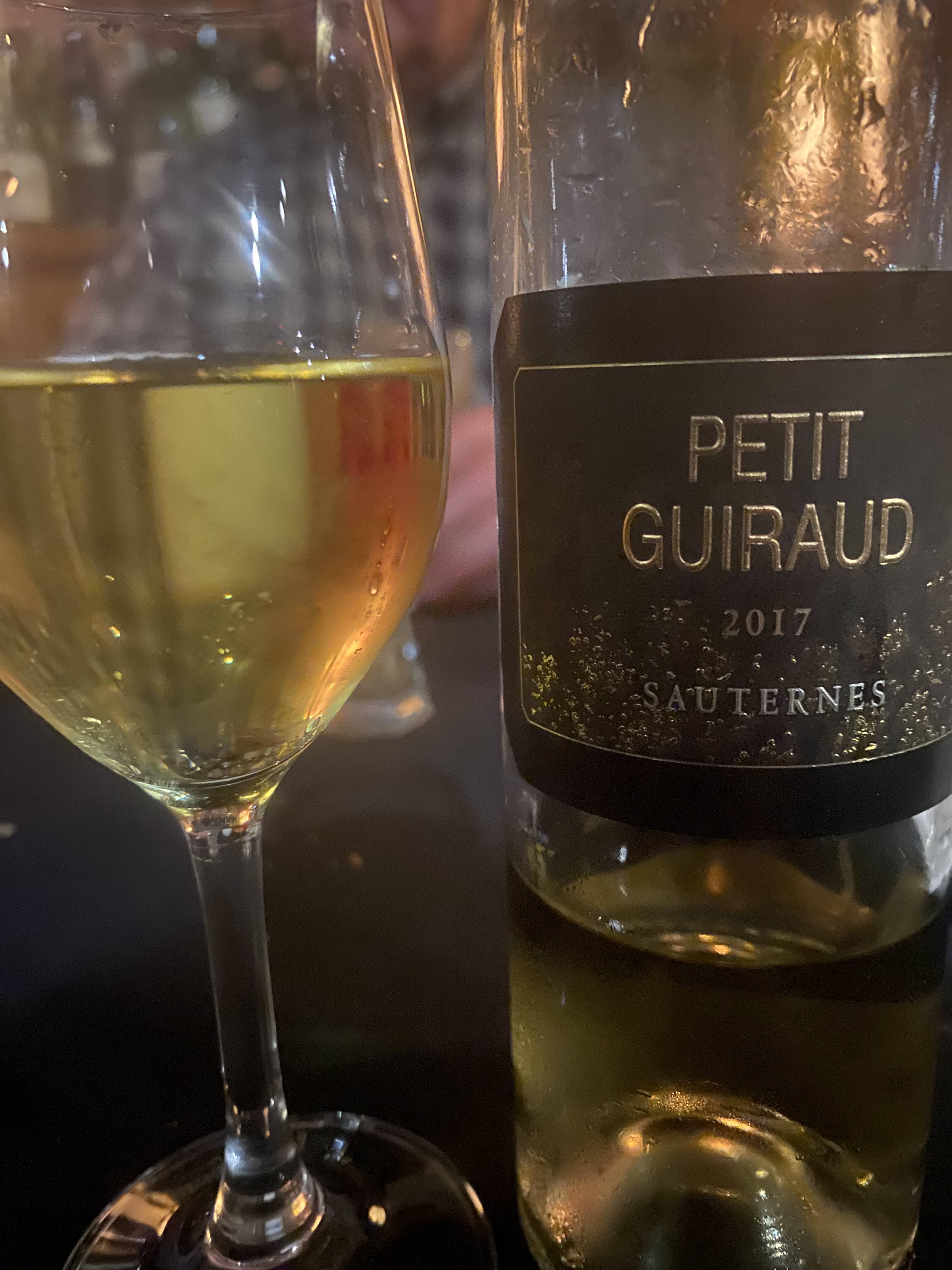
I then had a wine, that I have never had before, in fact, I wasn’t even aware of it.  I guess I live a sheltered life.  I had a chance to try Chateau de Fargues Sauternes 2006 from Chateau d’Yquem and I heard it referred to as “d’Yquem Jr.”  Chateau de Fargues has been with the Lur Saluces since 1472 and today they only produce one wine, a classic interpretation of Semillon and Sauvignon Blanc from its vineyards around the village of Fargues at the center of the appellation. Originally, they produced both red and white wines at the twenty-five-hectare estate, but in 1928, they replanted for only white on clay-gravel soils over a layer of clay and hardpan soil.  The first vintage was produced in 1943, and released in 1964.  The fruit is hand-harvested and sorted to separate the “noble rot” from the “gray rot” and each day’s selection is pressed and fermented in oak barrels, with about thirty percent new).  Racking takes place four times a year and the wine is tasted to see if they have a vintage year, and if so, the wine continues aging in oak for thirty months, with an additional six in the bottle.  There were no vintages for 1972, 1974, 1992, and 2012.  While Chateau d’Yquem was the only and still only Grand Premiere Cru, Chateau de Fargues was absent from the 1855 classification for Sauternes and Barsac, since they only started producing in 1943.  While the Lur Saluces family had the chateau for three-hundred-years before they bought Chateau d’Yquem, and then recently sold it in 1999, the two estates were always under the same strict quality standards hence the “d’Yquem Jr.” This beautiful amber colored wine offered notes of sweet tropical fruits, florals, jasmine, saffron, and some “sous-bois.”  On the palate a full-bodied wine with layers of candied fruits, quince, figs, saffron, and honey, beautiful acidity and a nice long finish caramel and terroir.

Then we had Chateau d’Yquem Sauternes 2021 and I have never had a young wine from them before, so I was intrigued.  The winery is the only Premiere Grand Cru of Sauternes and has maintained that status ever since.  The estate was owned by the Kind of England in the Middle Ages and has produced late-harvest wines since the late 1500s.  The Lur Saluces family had ownership from 1785 until 1999, when it was sold to LVMH.  The one-hundred-three-hectare estate is located on the highest hill in Sauternes, planted on coarse gravel over a clay subsoil, which encourages “noble rot.” The wine is seventy-five percent Semillon and twenty-five percent Sauvignon Blanc. The fruit is hand-harvested and it takes about 6 weeks and multiple passes to get each berry at optimum level, and each basket is only an hour away from the winery and each day’s harvest is in a separate new oak barrel to undergo Initial Fermentation and maturation.  After eight months the wine in each barrel is tasted to determine if it will continue in the process, those that make the cut are aged for an additional twenty months, with each barrel getting topped off every two weeks, and racked fifteen times to remove heavy lees, the lighter lees are removed during fining.  Nine times in the last century, the entire year is sold anonymously in bulk, if the wine doesn’t achieve the expectation. This new vintage was the color of honey and offered notes of pineapple, pear, and tangerine, along with florals, cedar, and almonds.  On the palate there were tones of fresh ripe fruit, candied lemon and candied orange and a nice long finish of honey and terroir.  I was interested in trying to decide what flavors would develop and acquire complexity as the wine ages and deepens in color; only time will tell.  

Posted in Wine | Tagged , , , , , , , , , , , , , | Leave a comment

An Alba, an Amarone and a SEGC

It was a great day when I stopped by The Fine Wine Source in Livonia, Michigan as there were some wonderful wines being poured.  It is now the only way to shop for wines and the selection is always great, because they curate their wines, before they ever get on the shelves.  And I have to say that I have a fondness for Italian wines, and Saint-Emilion was one of my first go-to wines as a kid.

The first wine of this set was Azienda Agricola Commendatore G.B. Burlotto Dolcetto D’Alba DOC 2022.  G.B. Burlotto is a small estate in the Piedmontese village of Verduno; known for their wines of Nebbiolo variety and a major owner of the Monvigliero Cru, considered by many to be the greatest of all Barolo wines.  The estate was founded in 1850, one of the first to win medals, pioneered the selling of Barolo wines in the bottle and he was awarded the title of Commendatore.  Giovanni Batista Burlotto passed away in 1927, and it wasn’t until his great-great-grandson Fabio Alessandria, as the winemaker brought back their fame.  The Dolcetto variety is considered the third popular red in Italy after Nebbiolo and Barbera.  The grape produces low acidic wines that are to be enjoyed in their youth.  Dolcetto D’Alba is one of seven Dolcetto-focused DOC wines in Piedmont, and was granted status in 1974 and the vineyards overlap Barolo and Barbaresco on slopes with sandy, calcareous, and tufa-rich soils where Dolcetto thrives.  The winery is very traditional with grapes crushed by foot, and very long maceration periods. The fruit is hand-harvested and transported in small boxes; the bunches are only partially de-stemmed, and during maceration pumping over and punching down are done daily.  After Malolactic fermentation, the wine ages for nine months in Stainless-Steel tanks.  The ruby-red wine offered notes of blueberries, cherries, lavender, mint, and other spices.  On the palate this medium-bodied wine offered tones of blueberries, plums, and spices blended with low acidity and ripe tannins, and a medium count finish of fruit and almonds.

We then went with Villa Ca’Vendri Amarone della Valpolicella DOCG 2020 made by Ville di Antane.  Ville di Antane has twenty hectares in the Antane district of Valpolicella.  The wine is a blend of forty percent Corvina Veronese, thirty percent Corvinone and thirty percent Rondinella.  The fruit is hand-harvested in small boxes where they dry for a period of about four months. The Apassimento Method is unique for Amarone wines and results in very concentrated, “raisiny” full-bodied wines with low acidity.  The wine has a slow Initial Fermentation and Malolactic Fermentation before being aged in small barrels for about eighteen months.  A deep ruby-red colored wine that offered notes of dark cherries, plums, figs, and hints of chocolate, tobacco, and spices.  On the palate a full-bodied wine with tones of blackberries, currants, vanilla, licorice, balanced acidity, smooth tannins and a medium-count finish of fruit and terroir.

The last of the red wines was Chateau La Confession Saint-Emilion Grand Cru 2016 part of Jean-Philippe Janouiex Domaines.  The family business was created by Joseph Janouiex of a Bordeaux winemaking dynasty in 1898.  Jean-Philippe created his own branch of the business in 1994 with wineries in Saint-Georges-Saint-Emilion, Saint-Emilion Grand Cru, Pomerol and Bordeaux Superieur.  Chateau La Confession is a seven and a half hectares estate on a clay-limestone soil with forty-year-old vines.  The wine is a blend of seventy-two percent Merlot, and twenty-eight percent Cabernet Franc.  The fruit was loaded into small open wooden vats without crushing, with punching of the vats every three hours, then every eight hours, and finally once a day, until the Initial Fermentation had taken place during the maceration for about thirty days.  Malolactic Fermentation took place in half new barrels and half in old barrels, with maturing on the lees for six months.  The wine had a deep reddish-purple color and offered notes of black fruit, violets, oak, spices, cigar box, smoke, and sous-bois.  On the palate a lush full-bodied wine with tones of plums, cherries, blackberries, blending with polished tannins with traces of pepper, eucalyptus, and ending with a medium count finish of nuts and terroir.  A delightful wine that still should get some cellar time.           

Posted in Wine | Tagged , , , , , , , , , , , , , , , , , , , | Leave a comment

Lignier-Michelot and Clos du Val

In case you think that I didn’t have any wine tastings while I was celebrating turning seventy, I did, and will take three articles for the nine wines that I had at The Fine Wine Source in Livonia, Michigan.

The first wine that I had was Domaine Lignier-Michelot Bourgogne Blanc Cuvee Axelle 2022. The Lignier family has cultivated vines in Morey-Saint-Denis since the early Twentieth Century, including Premier Cru and Grand Cru vineyards. They sold their fruit to negociants unti 1992, when they began bottling some of their own wines. The domaine has over eight hectares of vines in their holdings with several plots older than fifty years. Virgile Lignier represents the third generation of his family and took over since the 2000 vintage. No pesticides or herbicides are used and low yields are maintained through vigilant green pruning. This cuvee is based on Chardonnay, and the only white wine produced by the estate and named after his daughter; on a half-hectare plot on clay soil. Grapes are completely destemmed and undergo a five-day cold maceration, followed by naturally occurring fermentation.  It is aged for twelve months with light stirrings, and using thirty percent new French Oak barrels. A very pale golden color wine that offered notes of white fruits, tropical fruits, citrus, and vanilla.  On the palate there were tones of melon, peach, pineapple, lemon, and oak with balanced acidity, and a nice medium finish of fruit, honey, and flint (terroir).

We then had Domaine Lignier-Michelot Bourgogne Rouge 2021. The Lignier family has cultivated vines in Morey-Saint-Denis since the early 20th Century, including Premier Cru and Grand Cru vineyards.  They sold their fruit to negociants until 1992, when they began bottling some of their own wines.  The domaine has over eight hectares of vines in their holdings with several plots older than fifty years.  Virgile Lignier represents the third generation of his family and took over since the 2000 vintage.  No pesticides or herbicides are used and low yields are maintained through vigilant green pruning.  This wine is from a plot that is just over one hectare of Pinot Noir planted in the 1960’s on deep clay, just outside the limits of their Chambolle-Musigny Village appellation and their Morey-Saint-Denis appellation.  They use organic methods, but have not been certified. The fruit is a mix of destemmed and twenty-five percent whole cluster that undergo cold maceration for five days, followed by indigenous yeast fermentation.  The wine is aged for twelve months, with about thirty percent new French Oak and finished unfiltered.  A dark cherry-red wine that offers notes of red and black fruits, cassis, violets, cedar, and sous-bois.  On the palate a medium-bodied wine that had tones of cherries, strawberries, but blended with more earthy tones of mushrooms, old leather, pepper, and a medium finish of terroir.  

We then followed with Clos du Val Cabernet Sauvignon Napa Valley 2022.  Clos du Val is a family-owned estate located in the Stags Leap District AVA, established in 1972 by John Goelet and was one of the wineries that participated in the 1976 Judgement of Paris.  He also has vineyards in Yountville and Carneros, while his Goelet Wine Estates owns the Taltarni and Clover Hill wineries in Australia, and Domaine de Nizas in Languedoc.  The winery is now into its third generation in the family.  A unique personality of his vineyards is that they are not tilled, but have permanent grass planted in the mid-rows.  In 2012, they upgraded their facilities and made changes to their practices to make a more “New World” fruit-forward wine style of wine.  They also began harvesting later, reducing yields, and relying on estate-grown fruit, which reduced their production of Cabernet Sauvignon by almost half.  The wine is a blend of seventy-seven percent Cabernet Sauvignon, twelve percent Merlot, five percent Malbec, four percent Cabernet Franc, and two percent Petit Verdot.  The wine is aged for twelve months, and using thirty percent new French Oak.  The wine is a deep purple-red and offered notes of blackberry, plum, violets, and vanilla spices.  On the palate rich tones of cherry, blackberries and blueberries, cassis, almonds, dark chocolate mixing with good acidity, supple tannins, and a good medium count finish of fruit and spices.     

Posted in Wine | Tagged , , , , , , , , , , , , , , , , | Leave a comment

My Seventieth Birthday

As I have been told over the years “It is better to be seen, than viewed.”  I heartily agree and though the brain may not agree, the body does feel the years at times.  There is not much that I can do about it, other than extend the revelry longer every year and look forward to the next one.  I am still trying to enjoy every day and have a good time.  We have one son that has lived here, his entire life along with his family, though he is talking more and more about warm weather.  Another son and his family have just moved back to the area, and that leaves my Favorite Daughter, who would move back, I think, predicated on colleges for her sons.  The joys of fatherhood.  And lest you think it was just me, the party was still designed to celebrate the September celebrants.

My Bride was getting the whole house ready for the party, of course we did have to replace the chairs in the breakfast nook, and she overdid the seats, I am not sure if First Class on Trans-Atlantic flights are this wide.  Oh well, we have the living room and the family room for spreads of munchies and it keeps everyone from trying to squeeze into the nook.  We had gone to a local cheese purveyor and she got a little carried away, but it was all good, but she did corner the market on the chocolate-cheese; she doesn’t like fudge, but she adores the cheese and to me, they taste so similar.  She also had several other munchies to enjoy as well.  We began with one of her favorite whites before dinner, Vite Colte Villata Roero Arneis DOCG 2022; which is owned by Terre da Vino in the heart of the Piedmont.  Depending on the market this wine can be found either as Vite Colte or as Terre da Vino.  Roero DOCG is a small district in the hills of the Piedmont, known for its refreshing whites made from Arneis, and for their bold red reds made from Nebbiolo. The district is named after the Roero family, who were powerful bankers in the Middle Ages.  The classic Roero Bianco must be at least ninety-five percent Arneis, the other five percent can be any other local white varietal.  They tend to grow the vines on the northern slopes of the hills, while Nebbiolo grows on the southern side on loose soils with a strong presence of silica.  For a while, the grape almost became extinct, as all the interest was in the red wines.  The grape can be difficult to grow and was often grown alongside the Nebbiolo, because its fruit was sweeter and the birds would feed on the white grapes and leave the red grapes alone.  Traditionally a dash of Arneis was added to the Nebbiolo to soften the tannins, similar to how Viognier is used in parts of the Rhone. This wine was made from hand harvested grapes and it undergoes cold maceration and spends ten days on the lees in Stainless Steel.  The wine is a pretty straw color, and the nose offered pears, lime zest, and white florals.  The wine on the palate is very crisp and fresh with the notes of white fruit, a burst of tangerine and a tinge of hazelnut with a touch of minerals, peaches, and honey in the finish.

The main course of the dinner, besides the cakes and desserts was Lamb sautéed with Mushrooms and Armenian Pilaf.  I went into the cellar and did a very substantial raid, for the occasion and chose a wine that I have never had, so it was my first.  I opened and decanted Chateau Cheval Blanc 1’er Grand Cru Classé Saint-Emilion Grand Cru 1992.  Vines have been recorded as planted since the 14th Century, but really took place in the 19th Century when core plots were added from purchases from the nearby Figeac estate, and eventually with replanting plans the wine is known for being about half Merlot and half Cabernet Franc.  The estate began after gaining its first medal at the 1862 Universal Exhibition in London, and that was just the start, and thus paved the way for the chateau to be built.  The estate is in the northwest sector of the region, bordering Pomerol and had thirty-nine hectares, divided into forty-five plots; of which fifty-two percent is Cabernet Franc, forty-three percent Merlot and five percent Cabernet Sauvignon.  The plantings are based on the patchwork of soils (about half and half) of either clay or gravel over sedimentary rock. In the first classification of Saint-Emilion in 1955, it was awarded the highest possible rating – Premier Grand Cru Classé A.  After 166 years of continuous family ownership, Bernard Arnault (LVMH) and the late Baron Albert Frere jointly purchased the estate.  In 2022, the estate famously withdrew from the listing; though it is still regarded as one of the greatest wines of the Bordeaux region.  After a small harvest in 1991, the 1992 harvest was considered quite generous.  It was the first year for the winery employed small crates for the manual harvesting and sorting of the fruit.  The wine was aged from sixteen to eighteen months in new French Oak.  I used my Durant to uncork the wine, and the cork was in very good condition, and decanting the wine for its age was necessary as I could visually see sediment in the bottle.  The wine had a beautiful deep ruby color with no evidence of foxing or browning.  The nose offered mild notes of dark fruits, florals, espresso, and tobacco.  On the palate the fruit and tannins had merged, and there was a muted taste and finish, and in hind-sight, I probably should have opened the wine five years earlier, and the fruits would have been lusher.  I still savored it, knowing that it will probably be the last and only wine from this estate that I will ever encounter.          

Posted in Dining, Wine | Tagged , , , , , , , , , , , , , | 2 Comments

Tom Jones at Caesar’s Windsor

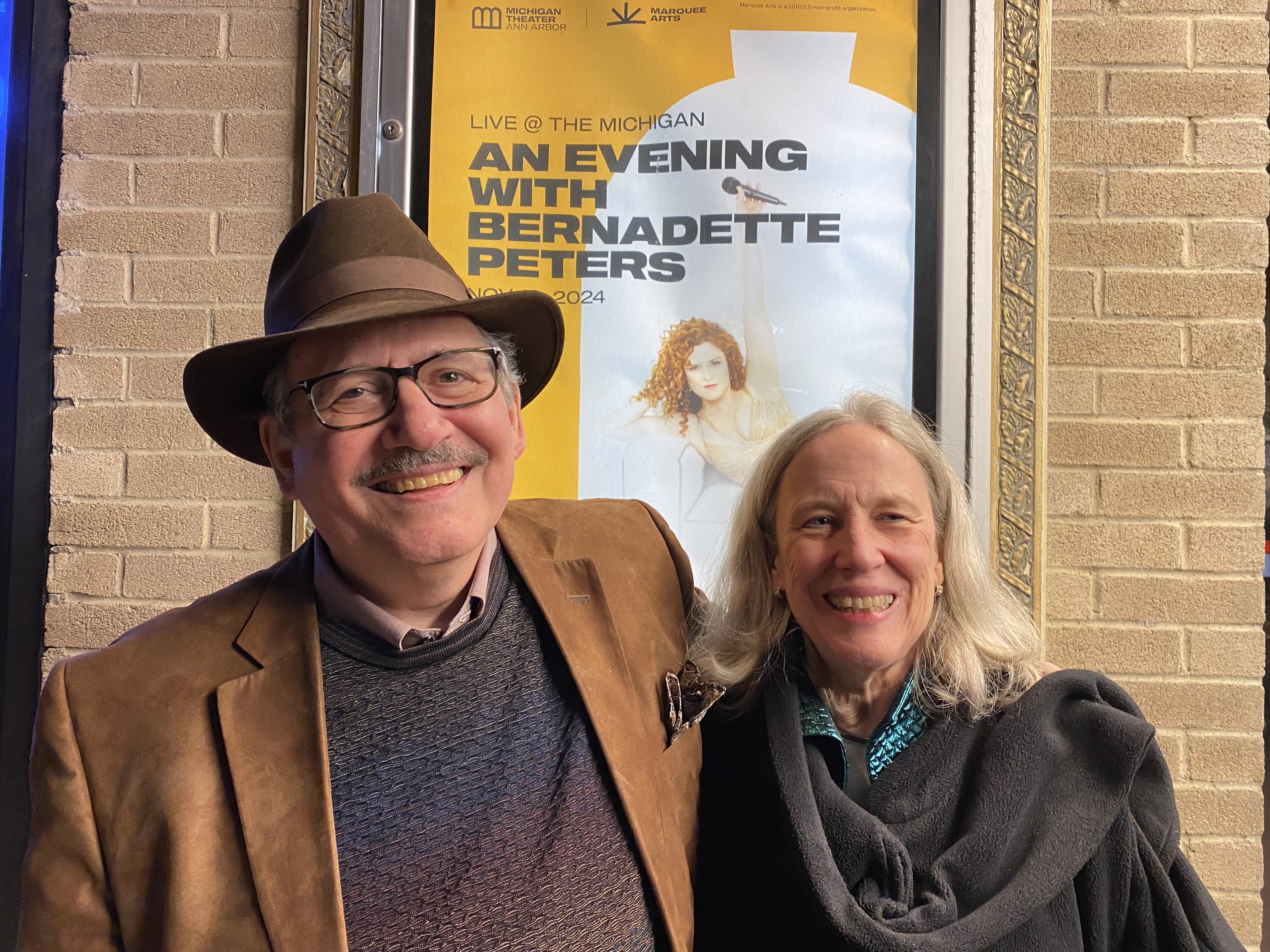
I am of the age when Tom Jones entertained and the women used to run up to the stage and throw their thongs or panties at him, which I might add wasn’t seen on his television show.  On our way to Caesar’s Coliseum, we did loiter at Riverside Park in Windsor, admiring the coastline of Downtown Detroit, as I wondered what changes will occur in the near future.  My Bride also got excited looking at some of the antique engines that were on display, because in an earlier life she worked for Grand Trunk Railway, which was the American version of Canadian National Railway and she still has a fondness for trains.  As for me, I can appreciate the trains, but I was happy that walking to the Coliseum was just a few blocks, compared to walking from one casino to another in Las Vegas.

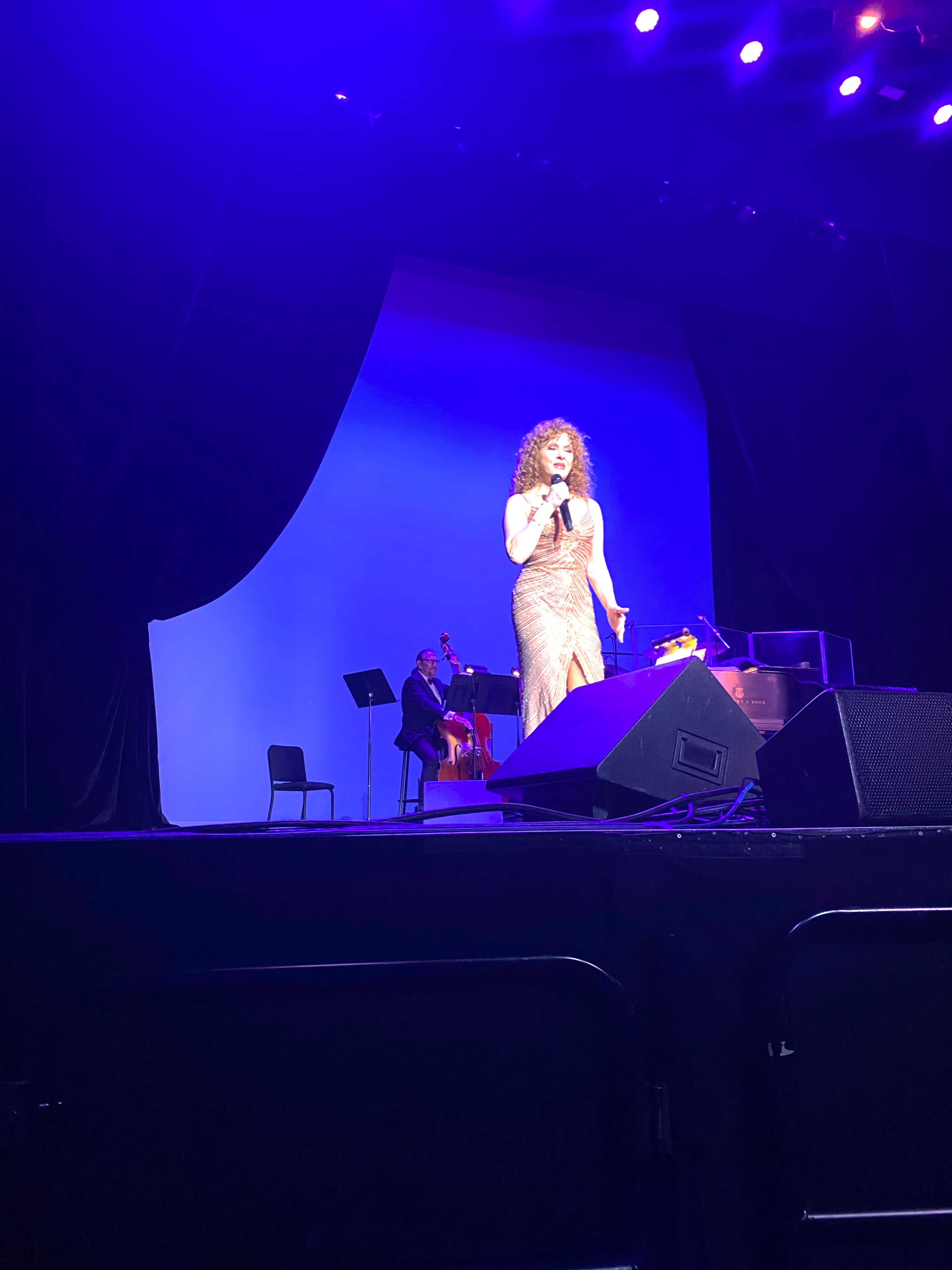
I was remembering the only other time that I had seen Tom Jones and that was at Caesar’s in Vegas, back in the old days, when the men wore suits and the women wore dresses, if not gowns to see a star.  It was also back when you could get a “line pass” if you were fortunate, and the dinner show of Surf & Turf was a filet and lobster tail.  Not to mention a bottle of G.H.Mumm & Co. Cuvee Rene Lalou (vintage unknown).  Our table was adjacent to the stage, the staff was clearing off the tables, just leaving the Champagne, Icer and glasses, when the lights dimmed and a huge illuminated staircase appeared and you heard “This is Tom Jones.” It may not have been as dramatic now, but as I was looking around, there wasn’t a bad seat in the house, especially courtesy of the monitors.  At 84, he was still belting out the songs, in his full baritone voice that wasn’t the worse for the age, and the show was called “Ages & Stages” and it showed how he was enjoying tunes that one didn’t associate with him, though there were plenty of his standards as well.  We were on the aisle, and there were mature women dancing in the aisles, he was still rocking it.  Though, as I looked, the youngest members of the crowd were probably in their forties, and there were plenty of his contemporaries in the audience, and he sang for almost two hours with no dancing or an opening act.  It was real entertainment and made us nostalgic. 

There was no Mumm’s, mostly beers, but I got us some very generous pours of Colio Estate Select Chardonnay Ontario VQA NV in plastic glasses.  Colio Estate Wines is in Harrow, Ontario, Canada in the heart of Essex/Pelee Island Coast Wine Country and they are the first licensed winery in Southwestern Ontario.  The winery was created by three Italian bricklayers, who attempted originally to get help from Udine, but eventually got help locally.  There is really a dearth of information on their website, but this is a bulk wine that carries the Ontario VQA appellation, instead of the Lake Erie North Shore designation.  There is a photo of Stainless-Steel tanks, and since the wine was young, fresh, and crisp I will safely go out on a limb and aver that the wine never saw an oak barrel, unless there are some for ambience in the winery.  The wine was a pretty golden color and offered notes of tropical fruit and citrus.  On the palate there were tones of white fruits, citrus and a tinge of pineapple, it was crisp and an easy drinking (quaffing) wine and fine for the venue.  It was a charming evening, and a shame that the original purchasers of the tickets could not attend, as it was well worth the price of admission.        

Posted in Wine | Tagged , , , | 2 Comments

Dinner Overlooking Riverside Park

People are always writing to me “what is your favorite wine” and I always respond that it depends on the moment.  While I was celebrating my Birthday Week/Month we were the surprise recipients of a couple of tickets to go see Tom Jones at Caesar’s Casino in Windsor.  This was not on our horizon, until the last moment and because of the situation, I truly wish the original owners could have enjoyed the show, but life is not always obliging, so we bought the tickets from them and they were really great seats.  We found out that the other couple that were with the original ticket holders had not booked dinner reservations and of course the restaurants at the casino were booked.  My Bride found some place while she was watching television, and told me the following morning.  I had never heard of the place, and then I found out that within walking distance was a great Italian restaurant that was a favorite of my late father, and I booked that.  Then I found out that there were two other couples from the original ticket purchases, and they wanted the original restaurant that my Bride had booked and they up the reservation to eight; so, I had to cancel my reservation. 

My father’s family lived for years in Windsor, so I kind of knew the area, and if you gave me a week or so, I could even speak the language like a native.  I mean I know what a chesterfield is (a coat or a sofa located in the “parlour”), a draught shell (a shell is a regular glass that would contain a draft beer, and in the old days were bought by the tray, as a shell was a dime), the Beer Store (government approved dispensaries for the purchase of retail beer, operated by each Province, they also maintain liquor stores and wine stores), and “fags” (an old English colloquialism meaning a tailor-made cigarette, as opposed to a hand-rolled cigarette); not to mention that I remember when they actually had licensed taverns and bars.  We ended up at Eastwood’s Grill N Lounge overlooking Riverside Park, which runs along the Detroit River and then a view of Downtown Detroit.  Now I can make clear my statement that I drink the wine of the moment, as they only had about five different wines, all in magnum bottles. We got there first, before the crowd and my Bride had a glass of Pelee Island Winery Pinot Grigio NV.  Pelee Island is in Lake Erie across from Kingsville, Ontario and there has been winemaking on the island for over one-hundred-fifty-years with seven-hundred acres devoted to vines.  This wine is made in conjunction with Mélange International, as the wine is a blend of seventy-five percent international Pinot Grigio and twenty-five percent domestic Pinot Grigio. A bulk wine that is probably made in Stainless Steel tanks from whatever country or province the wine was originally produced in.  The wine had a golden-yellow color and offered notes of white florals.  On the palate there were tones of white fruits, citrus, with light acidity and a short finish of tart fruit and minerals.  It was an easy-quaffing wine.    

My Bride was very happy that they had Cajun Butter Salmon, grilled Atlantic Salmon brushed with Cajun butter and served with garlic mashed potatoes and sauteed fresh vegetables.  I had the Honest Lager Fish and Chips, haddock dipped in a Walkerville Honest Lager (a local craft beer, and Walkerville was where the old Hiram Walker headquarters and facility (Royal Canadian and Canadian Club) was located) batter, served with hand-cut fries and Cole-slaw.  The others all ordered across the menu, and it was good sound tavern food.  My Bride continued with her Pinot Grigio and I changed over to a glass of Toro Bravo Verdejo/Sauvignon Blanc La Mancha DO 2023 by Wines and Company of Spain.  Toro Bravo is one of six different brands produced by Wines and Company and they are all vegan and sustainably grown and this label was funded in 2010.  La Mancha is the largest delineated wine region, not only in Spain, but in Europe.  The vineyard is 700-800 meters above sea level, with nutrient-poor and limestone-rich soil and known for scarce rainfall.  The wine is seventy percent Verdejo and thirty percent Sauvignon Blanc. The wine undergoes a fermentation period of about twelve days and then the wine is stored in Stainless Steel tanks until bottling.  The wine was a dark straw-yellow in color and offered notes of white fruit, lemon zest, florals, and vanilla.  On the palate this light-bodied wine had tones of peaches, pears, rhubarb, and a short finish of chalk terroir.   

Posted in Dining, Wine | Tagged , , , , , , , , , | Leave a comment

Aventura

I am like a little kid, especially for birthday celebrations, and my Bride pampers me, because she knows that there is truth when I tease her that she is a creature of habit, as we would probably only go to one restaurant and she would have the same meal every time.  She knows that I try to keep abreast of the restaurant scene, so she asked me if there was any place that I would like to try for my birthday.  There have been times, when that could be a lethal question.

I suggested Aventura, a Spanish restaurant in downtown Ann Arbor, and off we went; and yes, I always look out of place wandering around the streets there.  I don’t know if it was a positive or a negative, but the restaurant had us sit right at a window setting, so that pedestrians could see a couple dressed for dinner.  Now, I am not sure if you have ever been to a “Tapas” restaurant, but you order a bunch of small plates and the dishes come out as the kitchen gets them done, I have never asked, if one could have the meal structured.  We started with Pintxo Donostiarra (crab, tuna, spring onion, egg, aioli, Cristal bread), Setas a la Planxa (seared wild mushrooms, garlic, lemon, truffle oil, parsley), Pimentos de Padron (shishito peppers, Romesco, crispy garlic, lemon), and Croqueta de Jamon (Serrano ham croquettes, Romesco).  We had to have two different wines, because of the variety of dishes.  The white was Fento Wines Bico da Ran Albarino Rias Baixas 2022 by Eulogio Pomares.  Fento Wines was created in 2012, originally only in Rias Baixas, but they are also now in the Dao region of Portugal. The vines are planted in the sandy granite soils of Galicia, and come from small winemakers under the guidance of Eulogio Pomares.  The fruit comes from the Valle del Saines just off an estuary. The fruit is harvested in the morning, the must is cold fermented, cold stabilized, and filtered. A soft golden color wine that offered notes of white fruits, and citrus.  On the palate tones of melon, pear, and lemon in a well-balanced wine that ended with great mouth-watering salinity and terroir.

We finished off our Tapas dinner with Gambas al Ajillo (grilled prawns, garlic, Fresno pepper, parsley, olive oil, baguette), Datiles con Chorizo (bacon wrapped and Chorizo stuffed dates, quince, Dijon mustard). Rodaballo Y Caviar (grilled turbot, brown butter Miso, sturgeon caviar, Pippara pepper escabeche) and Peras al Rioja (poached pears in Rioja wine, vanilla ice cream, hazelnut crumble).  The red wine that we went with was Granja Nuestra Senora de Remelluri “Lindes de Remelluri Vinedos de Labastida” Rioja 2019.   Remelluri is a family winery near Labastida in the Alavesa zone of Rioja and known for their use of Tempranillo.  The estate was founded by monks in the 14th Century, though the vineyards probably preceded that time. The estate has changed ownership over the years, but in 1967 it was purchased by Jaime Rodriguez, and in 2010 his children took over.  Fruit from established contract growers in the nearby village goes into the wines sold under the Las Lindes de Remelluri label.  Each is named for the village in question: Sanillas de Buradon, Labistida, Rivas de Tereso, San Vincente de la Sonsierra, Pecina and Abalos.  The vinification for these wines is essentially the same, using native yeasts, little new oak is used, light filtration and fining and ten months in French Oak.  For comparison the Labastida vineyards lay at a higher altitude, hence the wine is higher in acidity and lower in alcohol than the San Vincente; consequently, each designation will be unique.  A deep blackish-purple wine that offered notes of dark fruits, raisins, and sous-bois.  On the palate there were strong, muscular tones of dark fruit, vanilla, oak in a savory, chewy wine with tight tannins and a good medium count finish of fruit and terroir.

Posted in Dining, Wine | Tagged , , , , , , , , , , , , | Leave a comment

A Taste of Monterey – Fall 2024

Sometimes it pays to ask, like back on 10 February 2003 when we were walking around Cannery Row, but a nice pristine version, compared to the writings of John Steinbeck.  I got carried away, but we had eaten at the famed Sardine Factory and stumbled onto “A Taste of Monterey” where they had wine tastings, a wine club, and they could legally ship to Michigan.  We had a governor that was eventually sued and lost the ability to maintain Michigan as a felony state for wine shipments to one’s home; now she is trying to eliminate people having gas stoves for cooking, I guess some people have an innate need to suppress and create problems for other people. We joined, and eventually we could stop sending cartons of “olive oil” to my place of work from California trips.

Four times a year, we receive three bottles of wine from their “Reserve Wine Selections.”  The first wine is Mesa Del Sol Syrah Arroyo Seco 2017.   Mesa Del Sol Estate Retreat & Winery is located on an upland promontory at the junction of three major watersheds, and has been a favorite place for travelers for over a century.  There is a small stone water house and a portion of one of the cabins that date back to the 1800’s and it is believed to be a stop for the overland conveyance from the Mission San Antonio to the Carmel Valley.  The hot dry air of the Arroyo Seco Highlands became a health center for those suffering from tuberculosis and other similar ailments.  One of the more prominent visitors back then was Teddy Roosevelt.  In 1927, a California Senator Fred Weybret purchased the property for his family and the new main home was built in 1936, and the family resided there until his death in 1945.  The property then was purchased by a noted lettuce baron from Salinas, who named the property Mesa Del Sol, adding more buildings, gardens, and a pool for his family.  In 1998 another Salinas agricultural family purchased the property, they planted the vineyards and a trout pond was reinstalled.  Since the gentleman’s death his widow has continued to restore the fourteen-acre vineyard estate, won awards for the wines, and has crops of fragrant Provence Lavender that is used in sachets, lotions, and oils.  While the property was settled in 1899, the first vines were planted in 1999, and they now have three-thousand vines encompassing eight varietals. They produce 350 cases per year.  The wine is described as “lively and elegant on the nose, palate, and finish. Hints of elderberry and currant, lavender, black pepper, and sweet tobacco along with soft and lovely tannins on the finish.”

We then received a bottle of Lepe Cellars Petit Verdot San Antonio Valley AVA 2020. Miguel Lepe studied enology and viticulture at California Polytechnic State University – SLO. He began his career working for various well-respected wineries across California’s Central Coast and South America. Passionate abouot his craft, Miguel’s hard work and dedication has led him on a new journey – creating Lepe Cellars to showcase the best of Monterey County wines.   They take great pride in blending the best of Old World and New World techniques, enabling the wine to develop naturally over time and allowing the journey to be kept as pure as possible, highlighting the region’s true terroir. The goal is simple: to capture the true expression of the vines by farming in a way that respects the biodiversity within the land. They are able to achieve our sustainable and natural approach by spending our time in the vineyards where winemaking begins. From here there is a continuous flow into the cellar where low-intervention artisanal methods are used to express a sense of place surrounding the Monterey wine region.  The wine is described as having “elegant aromas of wild strawberry, savory soy, and light licorice show on the nose of this pure varietal.  Dark plum and cherries show up on the first sip, with a bit of earthy forest floor woven with pepper, oak, and tannin creating a velvety, rich texture.”

The last bottle in the carton was a Bernardus Cabernet Sauvignon Monterey 2018.  Bernardus Winery and Vineyards was founded by Ben Marinus Pon over twenty-five years ago with the intention of creating premier wines in the Carmel Valley.  His intent was to produce single vineyard designated wines and a Bordeaux blended wine.  Bernardus has three estate vineyards: Marinus planted with Cabernet Sauvignon, Merlot, Cabernet Franc, Petit Verdot and Malbec; Featherbow planted with Petit Verdot and Cabernet Sauvignon; and Ingrid’s Vineyard planted with Chardonnay and Pinot Noir.  All fifty-four acres of estate vineyards are in the Carmel Valley AVA.  To compliment the estate vineyards Bernardus also has contracts with vineyards the Arroyo Seco, Santa Lucia Highlands, and others in the Monterey County. I am sorry to say, that Mr. Pon passed away in September of 2019 and his vision will be continued by Robert van der Wallen the current owner, who also understand the passion that Mr. Pon had for his winery.  As a non-wine note, they have recently opened Bernardus Golf in Holland, and it will be the host for the Dutch KLM open.  The wine is a blend of ninety percent Cabernet Sauvignon and ten percent Merlot.  The fruit for this wine was picked early from selected blocks, fermenting them at cool temperatures, and using special yeasts which enhance fruitfulness.  The wine was aged for six months in twenty-eight-year-old neutral French Oak tanks to allow the fruit to shine.  The wine is described as “the 2018 Cabernet exudes spicy aromas of red berry and cranberry.  The palate beautifully reflects the aromas showing juicy red fruit flavors with a subtle, refreshing acidity.”  

Posted in Wine | Tagged , , , , , , , , , | Leave a comment