Another Blog Anniversary

On 4 May 2012, I began this chapter of my life, writing about my enjoyment of wines.  I realize in the big picture, it doesn’t amount to much, but I have had fun, and hopefully in the now thirteen years, others have found some articles that have made them smile. The first year, I actually wrote an article every day, just to get used to writing since it had been many years when I was a student and had to write. After the first year, I made my life easier and published every other night, and a little over a year ago, I became a slacker and now publish every third night. This will be my 2,455 post on the blog, which is also down on Facebook, and I started an Instagram account and now all the locations get published on the same evening and it will be number 5,057 there.   Now I am still a student, but I am not writing to curry a grade, but for my own satisfaction.  The conceit of my writing is that I envision myself talking to another at a table, as we are sharing a bottle of wine.  I don’t lecture about wine, but I write about how the average person decides on a glass of wine, sometimes very unexciting and sometimes extremely exciting; it just depends on the venue and the mood of the moment.

Over the years I have had plenty of people point out the fact, that I have no credentials or designations, that I have never been in the wine trade; and how dare I write about wine.  Those points are all true, and that is why I have never attempted to lecture to anyone about wines, I will make suggestions, sometimes I may grimace and make faces, and I know that is terrible, but everyone has to learn about wines, in their own manner.  I like to say that even bulk wines can be the steppingstones for the curious to find out what the better wines can taste like.  I certainly did not start drinking wine at the top of the heap, in fact, growing up in Detroit which is a factory town, there were only a handful of restaurants that really had a wine carte in my youth, and I really started my exploration when I was sixteen, it is amazing how a well trim mustache makes one look older.  I remember growing up having the chance to savor home-made “Dago Red” wine made in people’s basements and fined with eggs whites, and for years, that particular after taste haunted me.  And after all of these years, I have bestowed with the honorary title of “Street Somm” as I am sure that I could never pass an exam, as I am too ornery and bit of a curmudgeon at my age to attempt such scholarly pursuits.

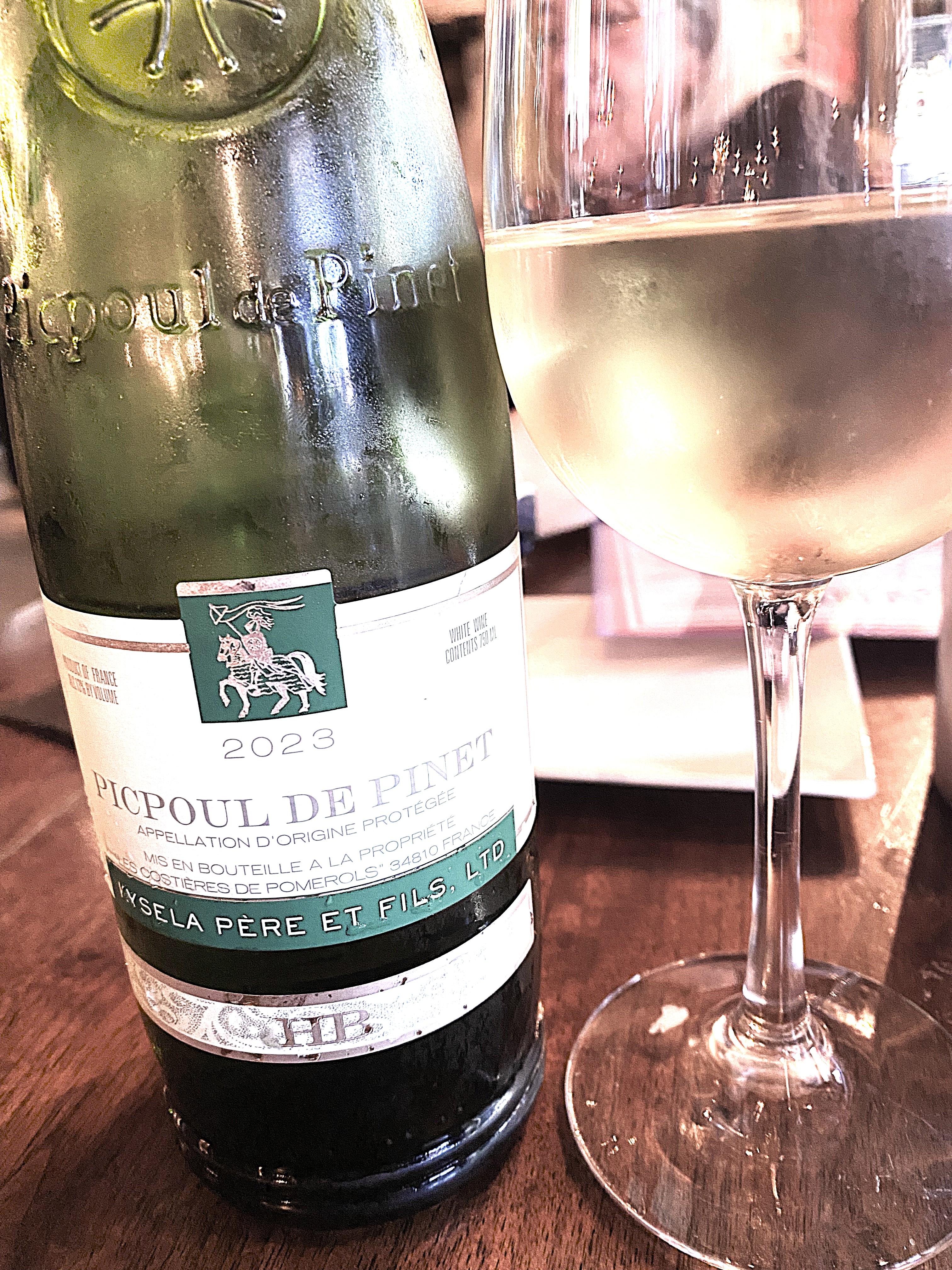
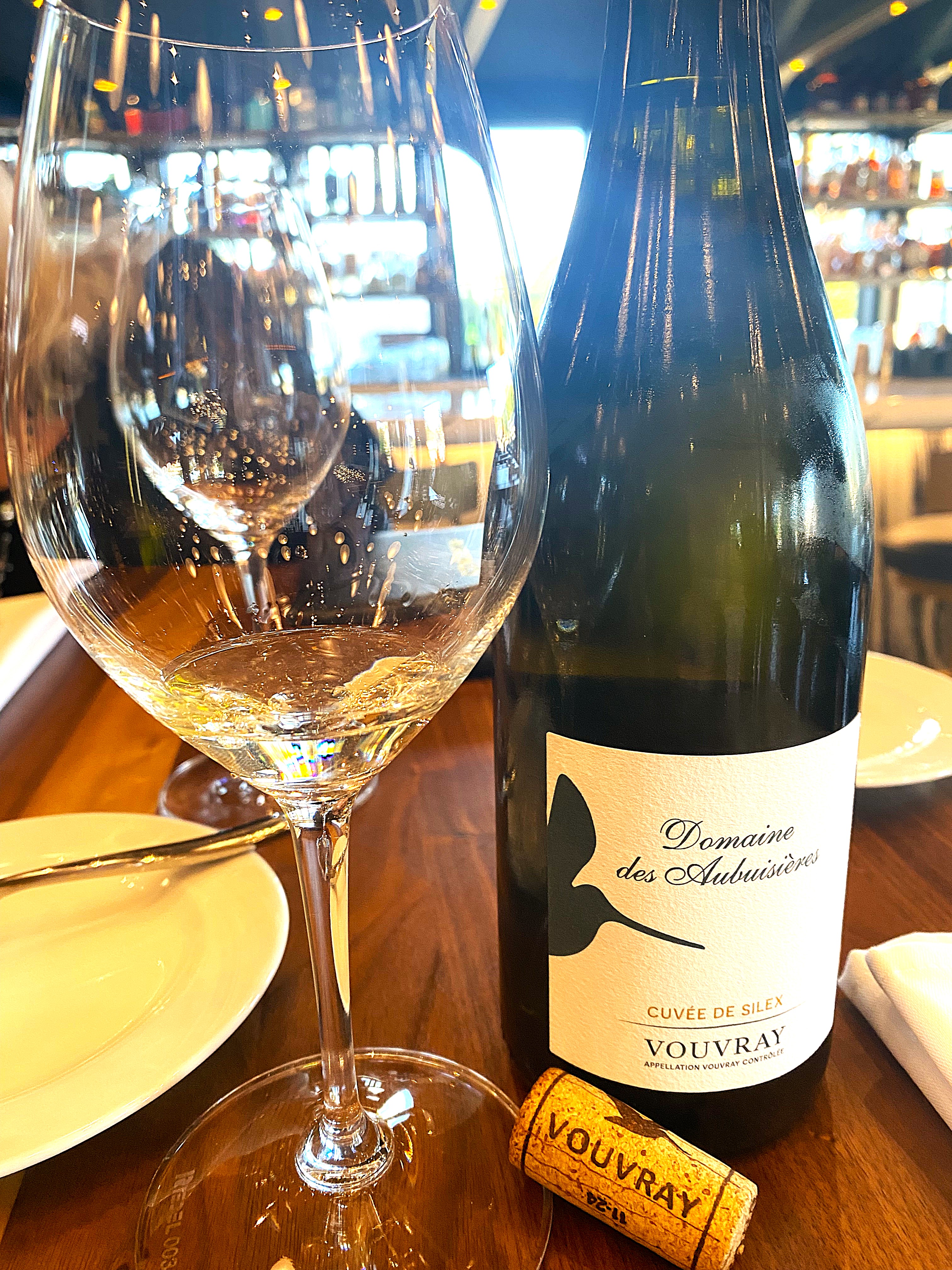
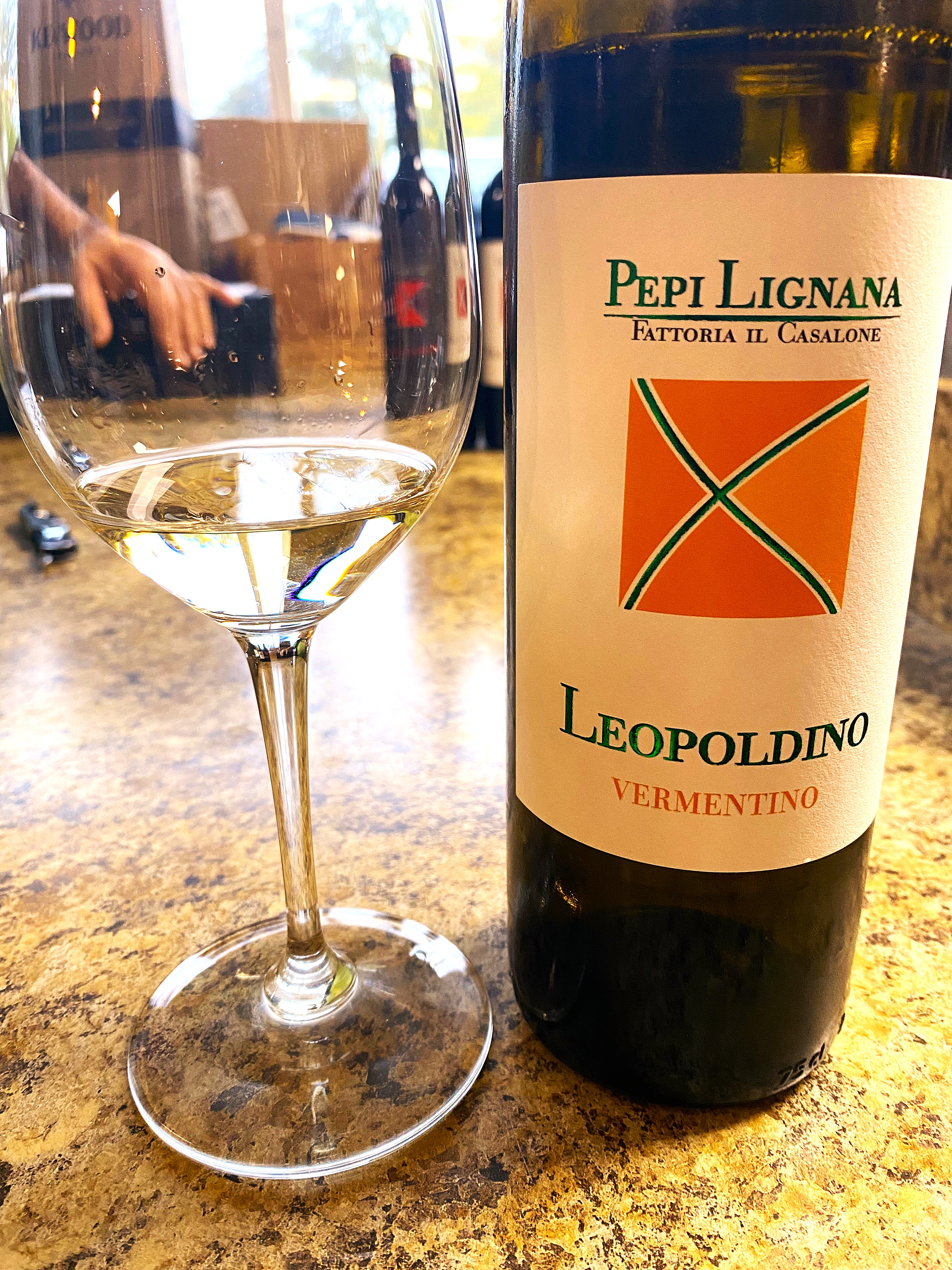
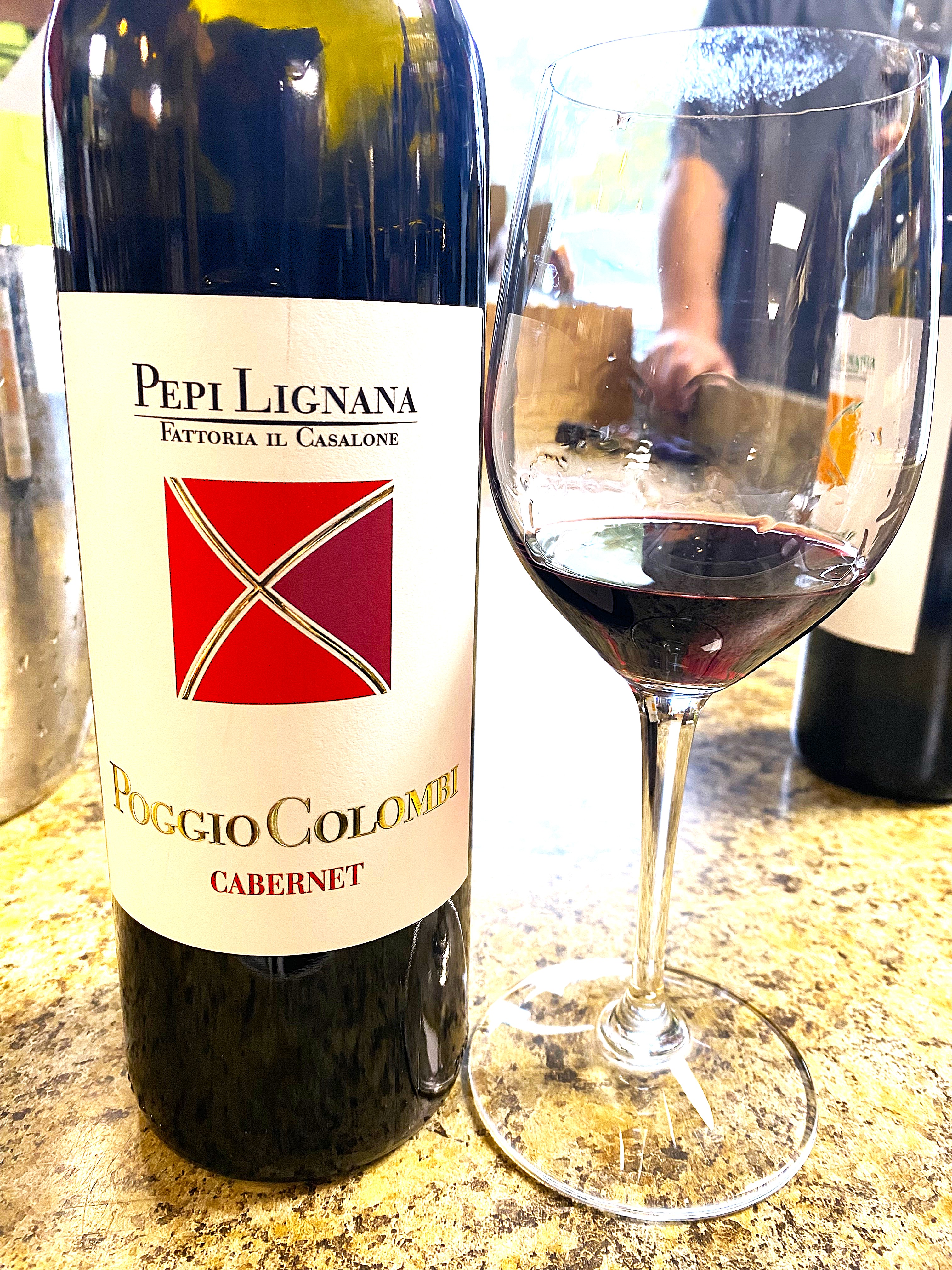
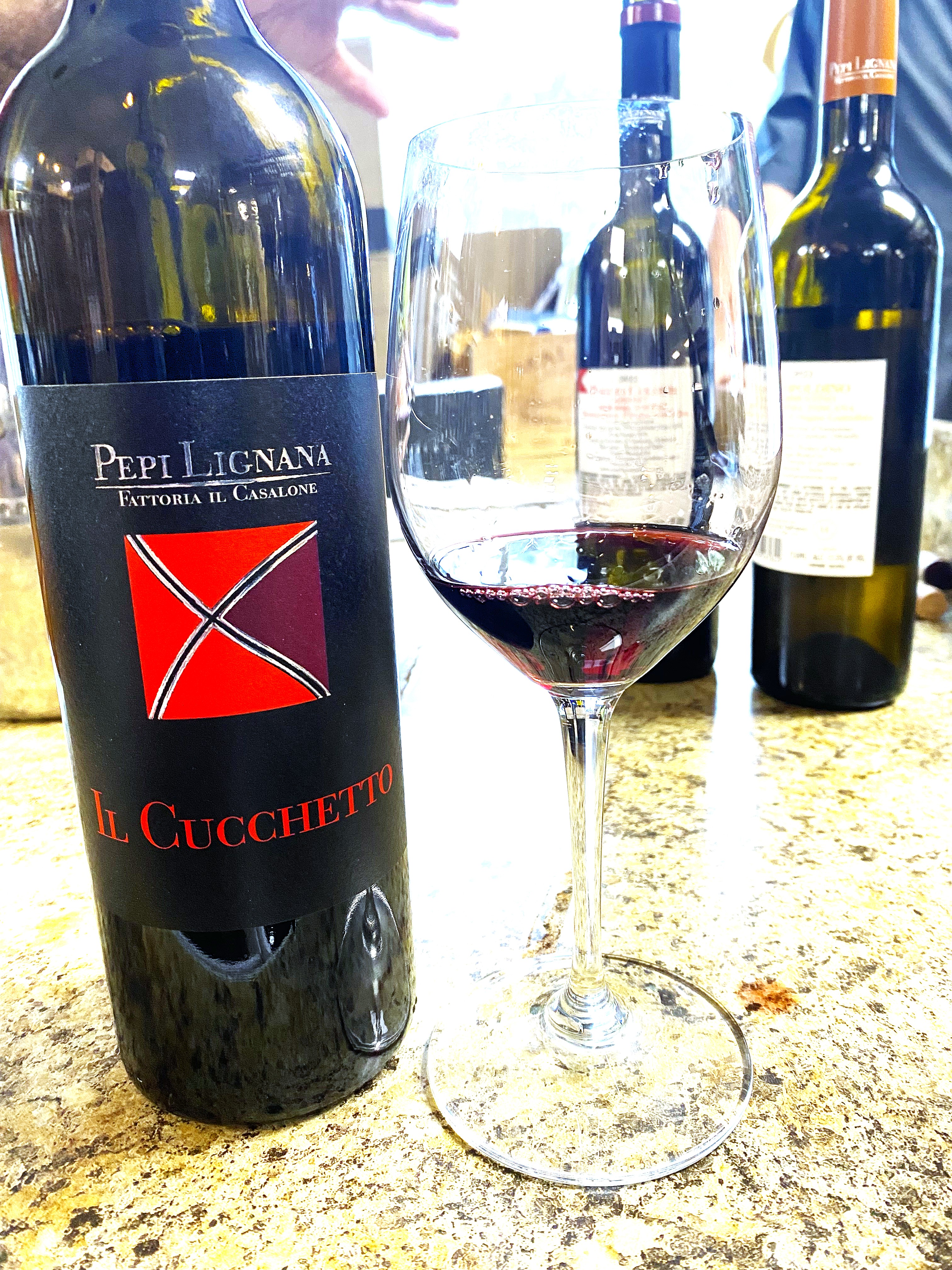
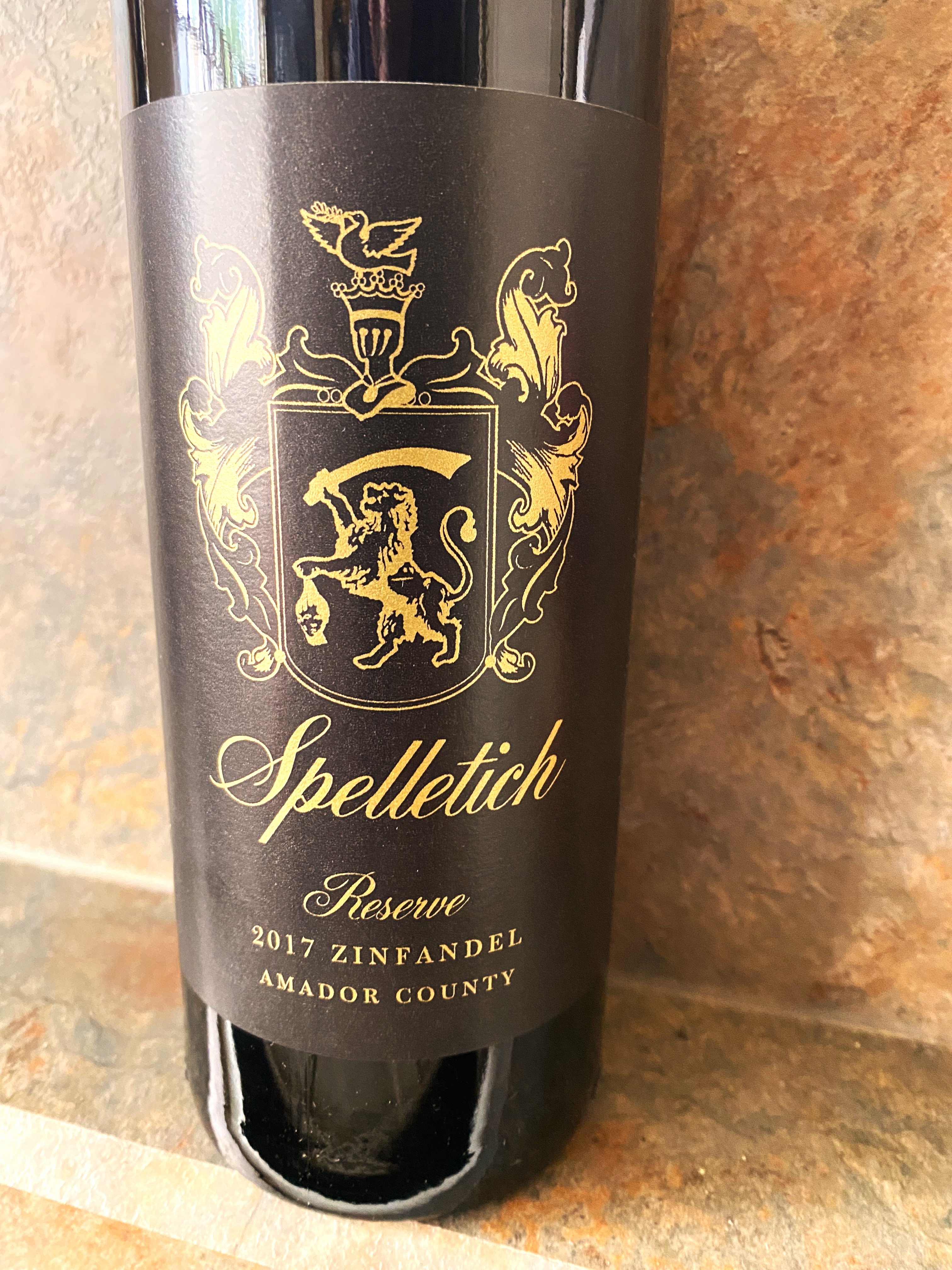
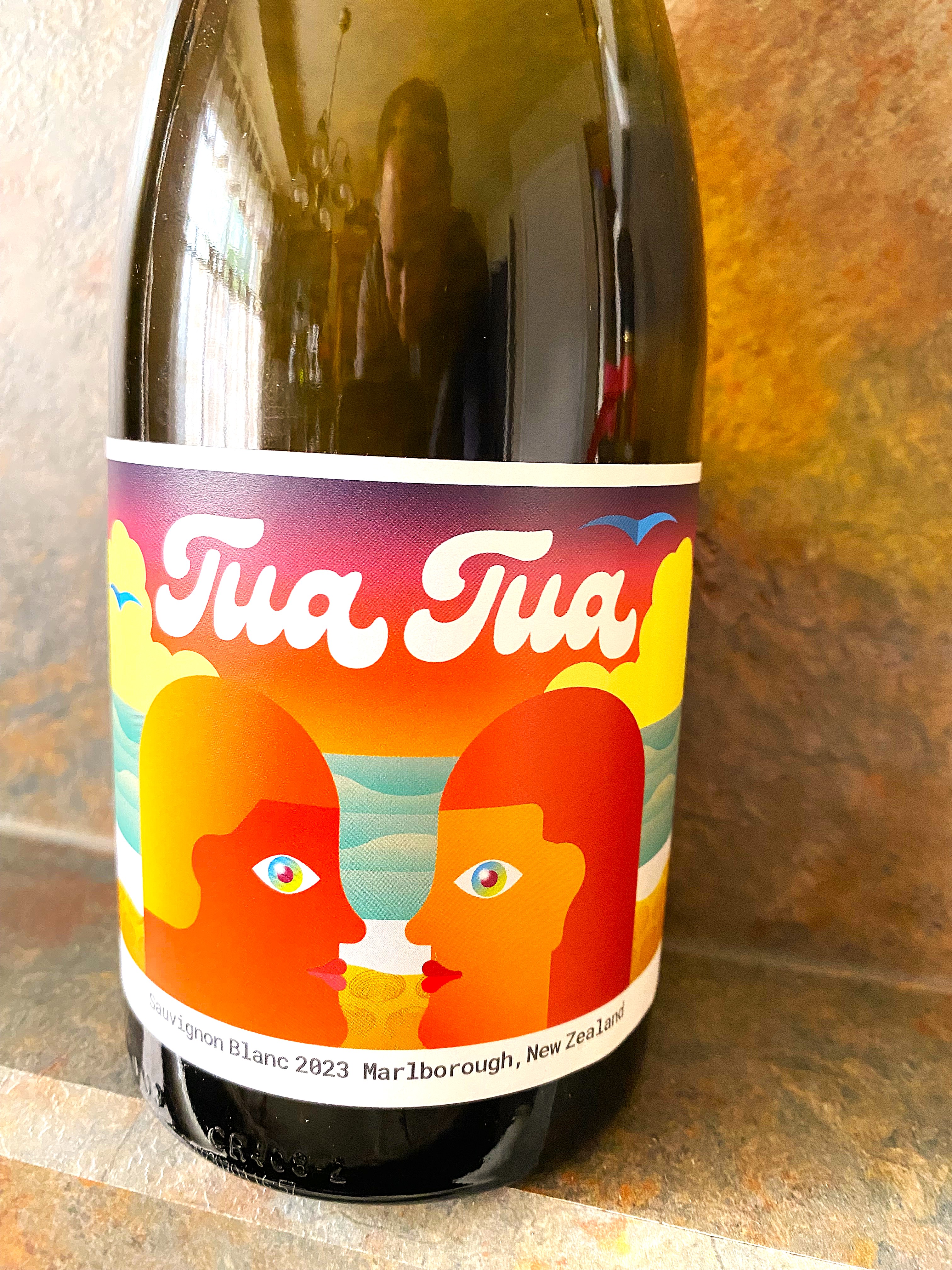
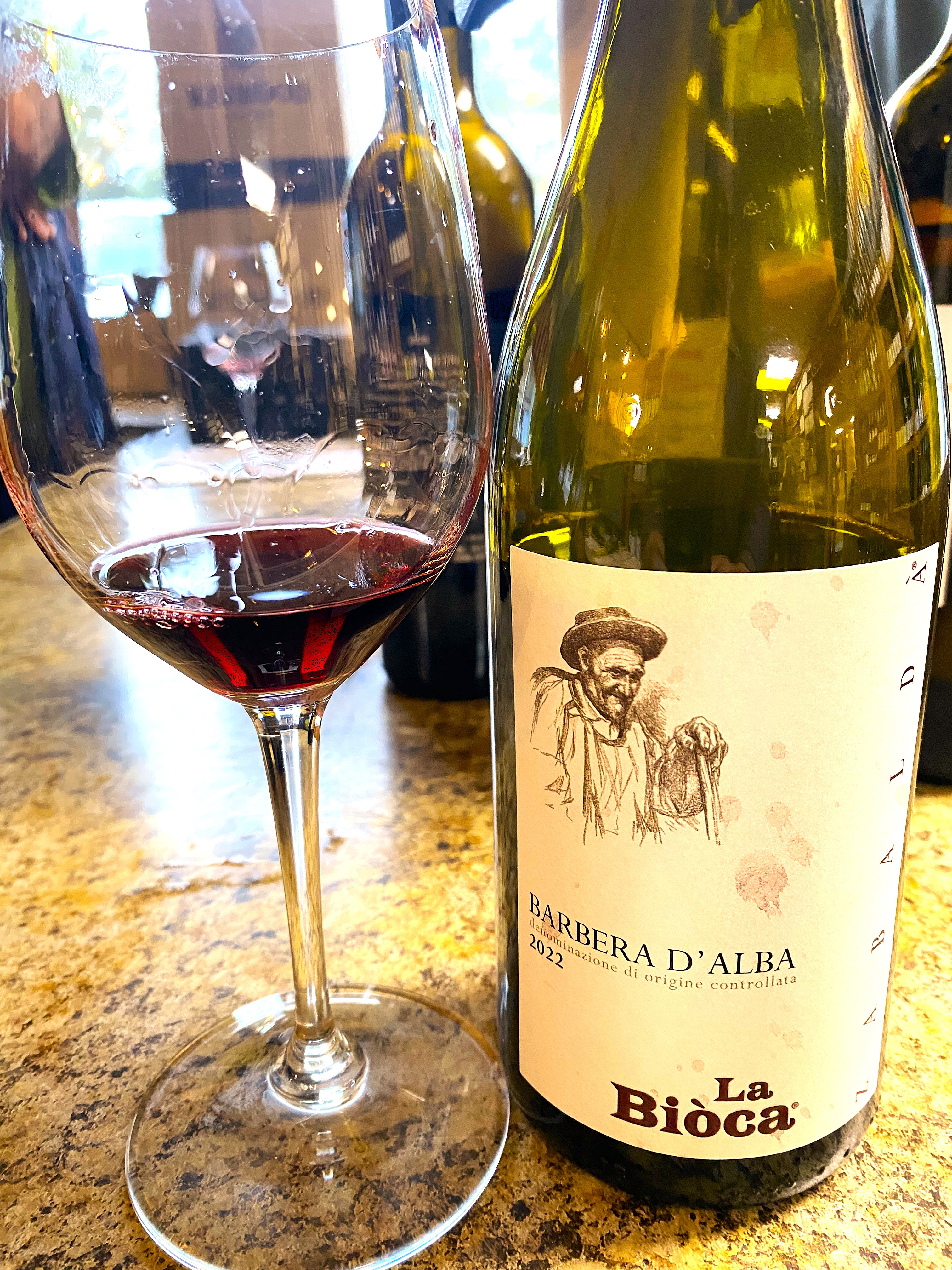
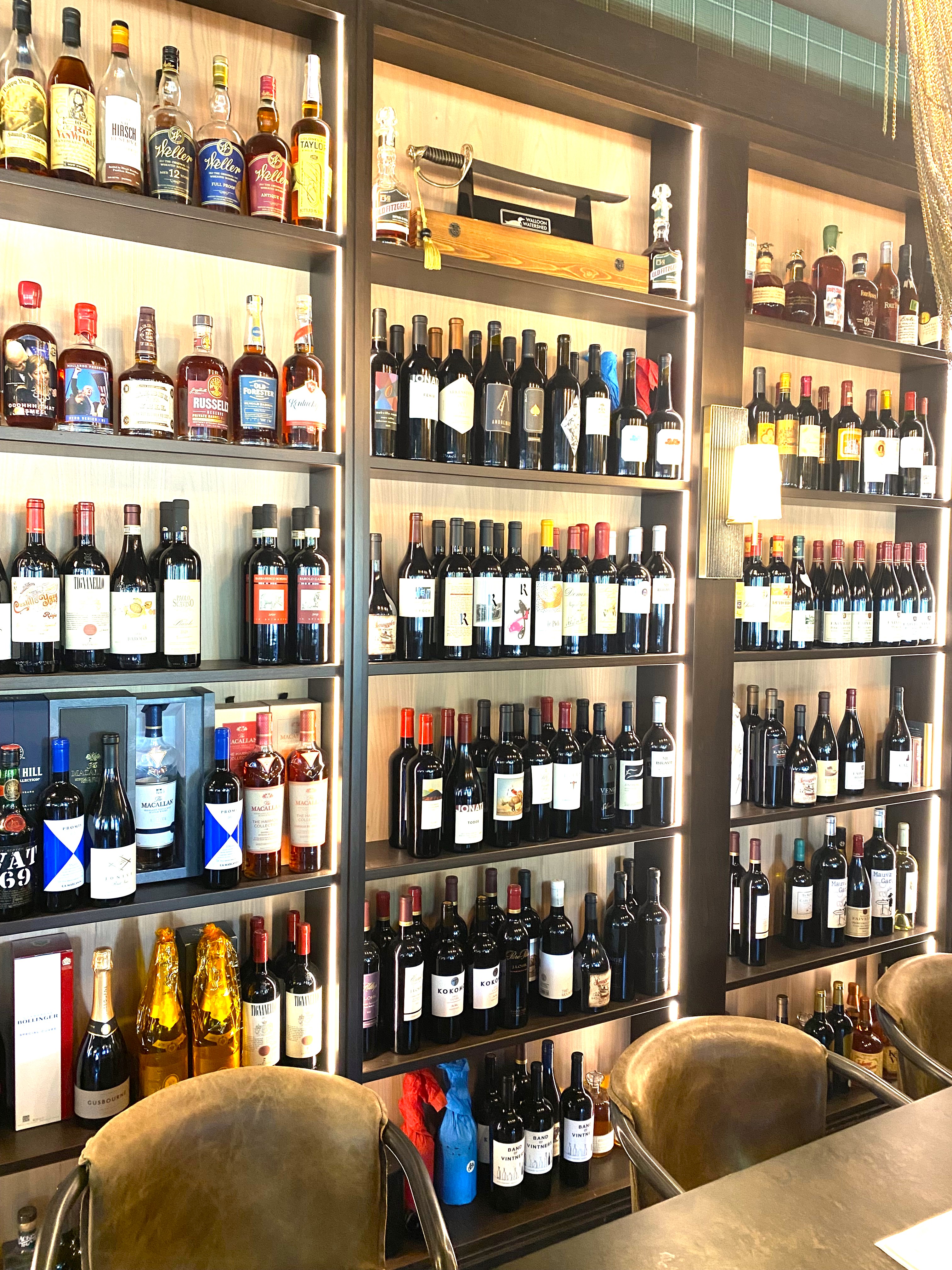
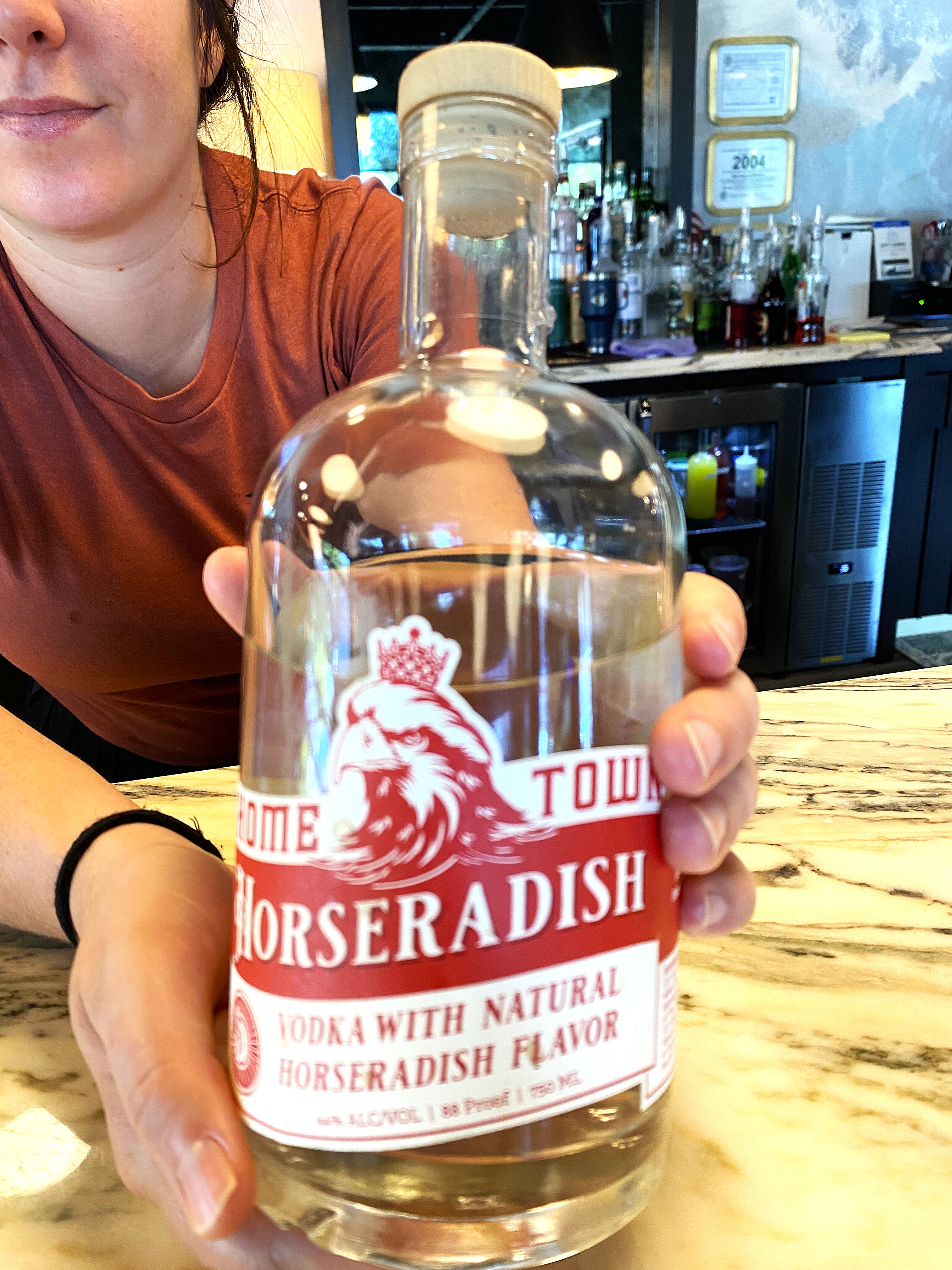
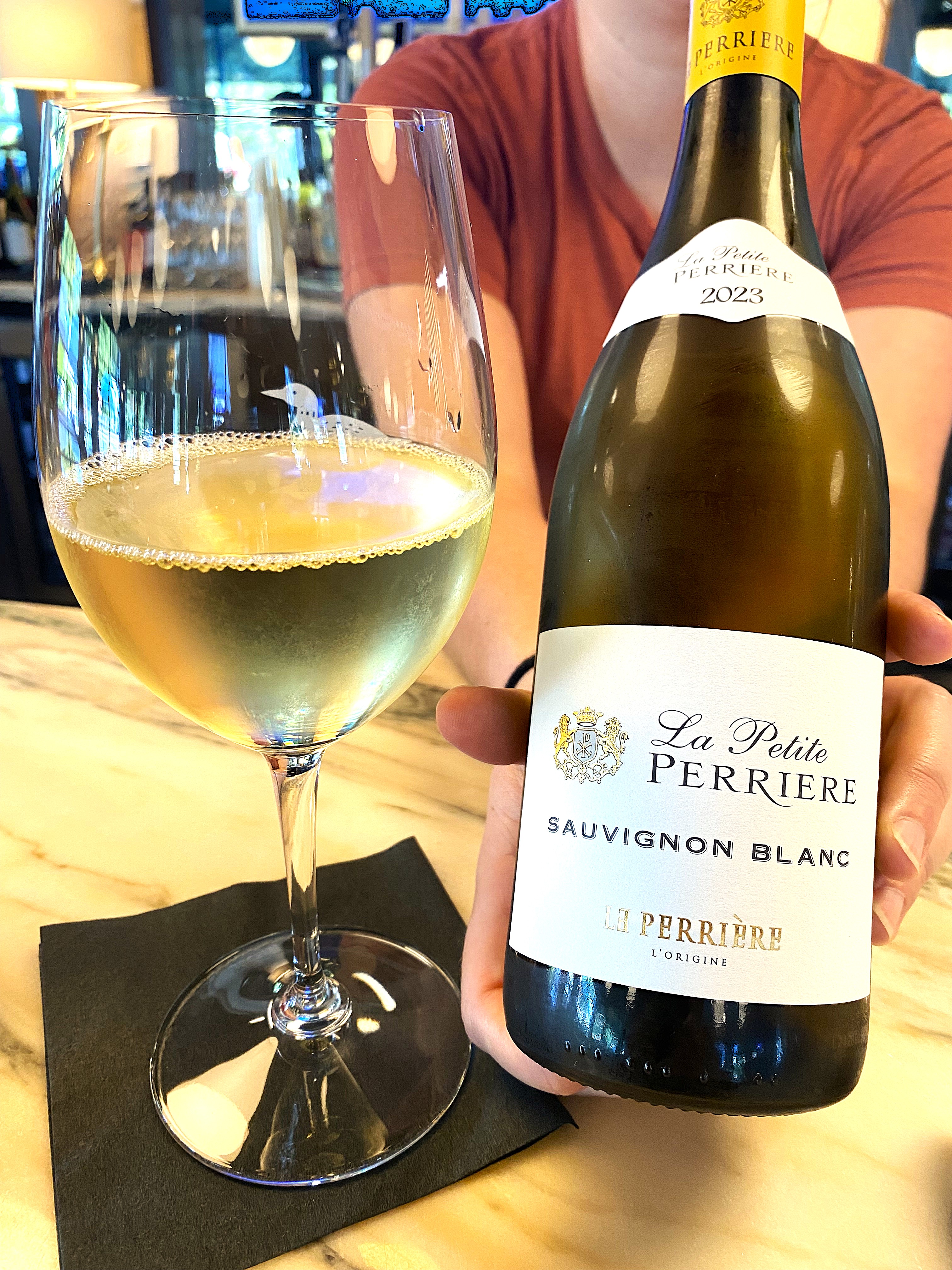
Though I am proud of the fact that I am now starting another year of writing my anecdotes and my assessments of wines.  When I grew up, learning from people that had  wine knowledge, a great review was “that is a delightful Medoc” or “that is what every Chianti should taste like.”  People didn’t gush about cocktails, beer or wine, back in the day, as it sounded pretentious or putting on airs.  Actually, growing up, there were probably more beers or glasses of Chevas consumed with a steak, then there were bottles of wine.  I persevered, because as a teenager I was enraptured how wine was presented in cinema, as something special and I thought that I should discover this special Nectar of the Gods.  To this day, I am still learning and discovering, though now I endeavor to pass on my thoughts to others, right, wrong or indifferent.  And there are times, when I even drive my Bride to drink, as she has to wait, until I take that photograph of the bottle and the wine glass for the blog.  

Posted in Uncategorized | 4 Comments

Easter 2025

For years, I have written about the large family gatherings we would have for holidays and birthdays.  It gradually became that way, as my Bride, before we met, was the daughter that was always cooking with her mother for events, and my Bride was the first of the five daughters that bought a house, and she made sure that it was big enough to handle the crowds.  This went on for years, but now, the families are starting to splinter, because our nieces and nephews are getting married and the families are having smaller dinners with just their immediate family.  We ended up having five for dinner, but my Bride still persevered with traditions and she even got me an Easter basket, candies, cookies and all the stuff that disappeared from the house during Lent.  Though she really spoiled me and bought me a set of Laguiole Steak Knives, the ones with a bumblebee at the tang.  I have admired these from the first time we used them at Casanova’s in Carmel-by-the-Sea, and the following year, when we went there, they were using a different set of knives, because the knives had been stolen by patrons, how sad.  Yes, my Bride does spoil me.

We started off in the living room having appetizers, as I am still old-fashioned and like using our living room for family and friends.  She placed some Hummus with garlic, flat bread, crackers and some cheeses.  One of the cheeses, was a big hit, but the label from the shop didn’t reveal much, other than it was cow’s milk, had a hard red rind and it was a “lemon cheese” and no there wasn’t any leftover for me to indulge in, the next day.  We served Domaine Daulny Reserve Sancerre 2022 from the Loire.  Etienne Daulny owns fifteen hectares of vines divided into about fifty different plots within Sancerre and none of these wines see Malolactic fermentation.  Most of the aging occurs in Stainless Steel, but about twenty percent is aged in well used six-hundred-liter “puncheons” and then the wines are blended at the end.  A nice straw-colored wine that had notes of grapefruit, lemon and herbs.  On the palate, tones of a classic Sancerre, a bit racy, well balanced with a nice long crisp finish with terroir.

For the main course, my Bride made my (our) favorite Easter dinner, Roast Lamb with Root Vegetables.  This is really “comfort food” for me and I also enjoy the root vegetables roasted with the meat.  She also made for the first time some Southern Fried Chicken for our one grandson, that doesn’t like lamb.  My Bride doesn’t like fried food or even frying food, but for a grandson, she would even bend her rules.  It didn’t look picture perfect, but it was moist and tender and what more can you ask for; and the strange thing was, the grandson didn’t come for dinner as he was ill, and I was going to share with him a special wine, it will just have to wait, until the next dinner.  With Lent being over, my Bride made dessert especially for herself, but a true classic for the Detroit area.  She made Cream Puffs and served them with ice cream and Sanders Hot Fudge.  I gave my Bride a couple of choices for the wine for dinner and she chose Cain Vineyard & Winery Cain Five Napa Valley 1999, of course nowadays the wine carries the Spring Mountain District AVA, which was granted in 1993, but it was not as well-known as Napa Valley.  Since I first introduced my Bride to Cain Five, it is her first choice for any true celebration.  Cain began in 1980, when Jerry and Joyce Cain purchase the 550 acre McCormick Ranch (sheep) with the intention of making a big mountain “Napa Cabernet blend.”  The first vintage was released in 1985, and all was going great for them until they lost the winery, heritage barn, housing and the 2019 and 2020 wines by the “Glass Fire,” and they have rebuilt.  This wine is a blend of sixty-one percent Cabernet Sauvignon, nineteen percent Cabernet Franc, ten percent Merlot, six percent Petit Verdot and four percent Malbec; of the forty-four lots, twenty lots were selected for this wine. The fruit is hand-harvested, destemmed, whole berries, manual pressing, lot by lot, using indigenous yeast, with maceration going for ten days to five weeks for the lots.  The wine was aged for twenty-one months in French Oak including Malolactic Fermentation, with minimum fining and no filtration.  For a twenty-six-year-old, the wine was a deep black-ruby offering notes of blackberries, cedar, tobacco, sage and sous bois. On the palate after being open for over an hour, this full-bodied wine displayed rich tones of blackberry, spices, still very tight and silky tannins, well-balanced with a very long-count finish of fruit and terroir, we no signs of being old.   

Posted in Dining, Wine | Tagged , , , , , , , , , , , , , | Leave a comment

Bordeaux Wine Tasting – Part Four

We were coming up to the end of the Bordeaux Wine Tasting at The Fine Wine Source in Livonia, Michigan, as I looked at the printout furnished for the tasting.  As I always count the wine selections to figure  out how I will write my blog for these events. 

The last wine on the printed list was for Chateau Gruaud Larose Saint-Julien 2022 and is a Second Growth from the 1855 Classification.  Saint-Julian commune has no First Growth wines but has eleven classed growths and is located between Pauillac and Margaux.  Chateau Gruaud Larose was formed from three merged estates in1757 by Joseph Gruaud, who left the property to a Monsieur de Larose in 1771.  From 1865, the property was split into separate estates, as a result of inheritance, but reunited in 1935. It was bought by the current owners, the Merlaut family, in 1997; and their Groupe Taillan owns numerous other Bordeaux properties.  The estate is eighty-two hectares and the vines are planted on a soil that is a mix of gravel, pebbles, sand, clay and humus over a subsoil of assorted clays, sand and pebbles; and the vines average forty-six years of age.  The estate is 100% managed according to the principles of Organic and Biodynamic Agriculture; they even maintain a herd of three-hundred sheep to keep the grass under control in the winter, as well as a source of compost.  The fruit is hand harvested and undergoes a double selection process while still in the field and the tanks are initially by plot and varietal, of which fifty percent is oak, and fifty percent is concrete for Initial Fermentation and maceration; the wine is then aged for eighteen months in French Oak.  The wine is a blend of eighty-three percent Cabernet Sauvignon, fourteen percent Merlot and three percent Cabernet Franc.  The black-purple colored wine offered notes of cassis, black fruits, licorice and cedar.  On the palate this full-bodied wine displayed tones of cassis, black cherry and other dark fruits, well balanced and featuring tight tannins and a long-count finish of fruit and graphite (terroir).  This wine probably needs ten to twenty years in the cellar to truly open.

While there were ten wines on the printed sheet featured in the tasting, there was an eleventh wine that was served and the was Chateau de Fargues Sauternes 2006 from Chateau d’Yquem and I heard it referred to as “d’Yquem Jr.”  Chateau de Fargues has been with the Lur Saluces since 1472 and today they only produce one wine, a classic interpretation of Semillon and Sauvignon Blanc from its vineyards around the village of Fargues at the center of the appellation. Originally, they produced both red and white wines at the twenty-five-hectare estate, but in 1928, they replanted for only white on clay-gravel soils over a layer of clay and hardpan soil.  The first vintage was produced in 1943 and released in 1964.  The fruit is hand-harvested and sorted to separate the “noble rot” from the “gray rot” and each day’s selection is pressed and fermented in oak barrels, with about thirty percent new).  Racking takes place four times a year and the wine is tasted to see if they have a vintage year, and if so, the wine continues aging in oak for thirty months, with an additional six in the bottle.  There were no vintages for 1972, 1974, 1992, and 2012.  While Chateau d’Yquem was the only and still only Grand Premiere Cru, Chateau de Fargues was absent from the 1855 classification for Sauternes and Barsac, since they only started producing in 1943.  While the Lur Saluces family had the chateau for three-hundred-years before they bought Chateau d’Yquem, and then recently sold it in 1999, the two estates were always under the same strict quality standards hence the “d’Yquem Jr.” This beautiful amber colored wine offered notes of sweet tropical fruits, florals, jasmine, saffron, and some “sous-bois.”  On the palate a full-bodied wine with layers of candied fruits, quince, figs, saffron, and honey, beautiful acidity and a nice long finish caramel and terroir.

Then as a special bonus a twelfth wine was poured and it was Chateau Troplong Mondot Premier Grand Cru Classe Saint-Emilion Grand Cru 2022.  Chateau Troplong Mondot was established in the late 1800s when Raymond-Theodore Troplong bought and expanded the Mondot estate.  The estate was classified as Premier Grand Cru Classe B in Saint-Emilion in 2012.  Over the course of years, ownership and management has changed and Michel Rolland was the consultant winemaker and the wine was known for its deep color and full-bodied style.  IN 2017, the estate was sold to the French Insurance Group SOCR and they brought in Aymeric de Gironde formerly at Pichon Baron and Cos d’Estournel to manage the estate, as well as many other changes with no owners.  The original estate had thirty-three hectares and they have since increased the holdings by another ten hectares.  The property is situated on well-draining limestone and clay soil, interspersed with chalk and flint; and is located on a higher elelvation compared to most of the region.  The new wine making team is returning to more classic winemaking and less manipulation.  This wine is a blend of eighty-five percent Merlot, thirteen percent Cabernet Sauvignon and two percent Cabernet Franc.  The fruit is hand-harvested and stored in a cold room before the gentle winemaking procedure begins, and the wine is aged for eighteen months in French Oak.  The blackish-ruby colored wine offered notes of dark cherries, plums, hibiscus, cedar and vanilla.  On the palate this full-bodied wine displayed tones of rich dark fruits, silky tannins and ending with a nice long-count finish of fruit and chalky minerals (terroir).   

Posted in Wine | Tagged , , , , , , , , , , , , , | 5 Comments

Bordeaux Wine Tasting – Part Three

While we were all enjoying another fine wine tasting at The Fine Wine Source in Livonia, Michigan the crowds as always grow, even though we are supposed to block our times, that tends to get a little loose, as those that came in at one time, want to retry a couple of the wines before placing an order and others come in a little earlier to get a jump-start, while some just have the good fortune of coming in without any knowledge of the tasting, but are handed a glass.

The time group that I was with proceeded on with the tasting with Chateau Haut Marbuzet Saint-Estephe 2022, and as I was checking my notes I have this wine from the 2000 vintage in my cellar.  The estate was founded in the 18th century, but has received notice since 1952 when it was acquired by Herve Duboscq and is now produced by H. Duboscq et Fils.  The estate is located between Chateau Montrose and Cos d’Estournel and is about forty hectares of gravel, clay and limestone soils with a view of the Gironde, with vines that average about thirty years in age. The property was one of the original Crus Bourgeois name in 1932 and promoted to Crus Grand Bourgeois Exceptionnels in 1978; and confirmed as one of the nine Crus Bourgeois Exceptionnels in 2003, the winery is regarded as being comparable to many of the Cru Classe wines. The wine is a blend of fifty percent Merlot, forty percent Cabernet Sauvignon, five percent Cabernet Franc and five percent Petit Verdot.  The fruit is picked as late as possible, and vinification occurs in large oak vats for Initial Fermentation and for Malolactic Fermentation and then the wine is aged for eighteen months in all new French Oak.  The deep ruby-red wine offered immediate notes of oak and then black cherry and blackberry, hibiscus, chocolate and pepper, spices and minerals.  On the palate this creamy textured wine displayed tones of the dark fruits and smokiness and a dash of espresso, blended with rich dusty tannins culminating to a long count finish of full fruit and terroir.

The next wine was Chateau Haut-Bages Liberal Pauillac 2022 under the watch of Claire Villars Lurton who was awarded the Revue du Vin de France Winemaker of the Year in 2024.  The winery is a certified organic and biodynamic Bordeaux producer and is a Fifth Growth from the 1855 Classification of the Medoc and Graves. The winery began in the 18th Century and was named after the Liberal family, negociants who owned the property and helped establish the reputation.  The name of the property is first for the Liberal family and the topographical lay of the land “Bages” is a large plateau in Pauillac; and it is located between Chateau Latour and Chateau Pichon Baron.   At one time the wine was made at the neighboring Chateau Pontet-Canet, when both properties were owned by the Cruse family, and it was sold in 1983 to the Taillan Group, headed by Jacques Merlaut.  Since 2000, Merlaut’s granddaughter Claire Villars- Lurton has owned and managed the property with her husband under the G&C Lurton group.  The estate is thirty hectares on deep gravel over a limestone base.  The wine is a blend of eighty percent Cabernet Sauvignon and thirteen percent Merlot; and the fruit is hand-harvested.   Vinification begins in a mix of Stainless-Steel vats and concrete vats, and fermentation on skins for about twenty-one days.  The wine is then aged for sixteen months in a mix of forty percent new French Oak, forty percent once used and twenty percent in ovoid concrete tanks and amphorae.  The dark ruby-red wine offered notes of black cherry, cassis, currants, pencil shavings (graphite) and cocoa.  On the palate this full-bodied wine displayed tones of dark fruit and dusty tannins, with good acidity, balance and a long count finish of fruit and terroir.

We then enjoyed Chateau Durfort-Vivens Margaux 2022, a Deuxiemes Crus (Second Growths) from the 1855 Classification of the Medoc.  The estate was one that was visited by Ambassador Thomas Jefferson, before he became the President of the United States who rated the chateau just under Lafite, Latour, and Margaux. Like many other estates after the French Revolution, the chateau had many different owners until it was purchased by the Lurton family in 1937, who also at the time had a stake in Chateau Margaux.  In 1962, Lucien Lurton bought the estate and in 1992, his son Gonzague took over, who revamped the cellars and converted the estate to organics and biodynamics.  They now have a range of wooden and concrete vats sized to specific vineyard parcels.  The estate is fifty-five-hectares of vineyards planted on deep gravel soil over a sand and clay base.  This wine is a blend of eighty-four percent Cabernet Sauvignon and sixteen percent Merlot.  The fruit was hand-harvested during three selective passes.  Initial Fermentation was done with indigenous yeasts, with twenty-one days of maceration with pumping-over done daily.  The wine was then aged for eighteen months using seventy percent new French Oak and thirty percent in amphorae.  This was a deep ruby-red wine offering notes of black fruit, cigar box, cocoa, spices and minerals.  On the palate this full-bodied wine displayed tones of black fruit, well-balanced, blended with tight tannins and a nice long count finish of fruit, terroir and a dash of spice; needs a few more years in the cellar.

Posted in Wine | Tagged , , , , , , , , , , , , , , | 3 Comments

Bordeaux Wine Tasting – Part Two

What could be better than enjoying a Bordeaux wine tasting at my favorite wine shop The Fine Wine Source in Livonia, Michigan?  As usual, I just have to respond to the text announcement and say what time and how many, and if the time I picked is good, all is great, otherwise they might suggest another time; and of course they are always pleased if I am with my Bride, but this time I was stag.

I will continue with the tasting with Chateau Montlandrie Castillon Cotes de Bordeaux 2022.  The estate was purchased by Denis Durantou in 2009 of L’ Eglise Client, sadly he passed away in 2020, but his daughter, Noemie, who worked alongside her father has continued to produce the wine.  The estate is an eleven-hectare vineyard on limestone and clay soil with twenty-five-year-old vines, originally sold as Cotes de Castillon and the appellation changed to Cotes de Bordeaux Castillon.  This wine is seventy-five percent Merlot, twenty percent Cabernet Franc and five percent Cabernet Sauvignon.  The vineyard is set up for fifteen parcel plots, and the parcels are vinified in fifteen small temperature-controlled, Stainless-Steel vats of assorted sizes.  The Initial Fermentation and the Malolactic Fermentation occurs in these vats.  The wine is then aged for fourteen months in French Oak, of which thirty percent is new.  The deep purple wine offered notes of black and red berries, violets, truffles, cocoa, licorice and gravel.  On the palate this medium-bodied wine displayed tones of rich fruit, good acidity, with grainy tannins and medium-count ending of fruit, graphite (terroir) and a saline finish.  

We progressed to Chateau Bonalgue Pomerol 2022; the Bourotte-Audy family has owned the estate for almost the last one hundred years.  Jean-Baptiste Audy is a family-run negociant firm based in Libourne and they own properties in Pomerol, Lussac-Saint-Emilion and Lalande de Pomerol.  They own Clos de Clocher, Chateau Bonalgue, Chateau Monregard La Croix, Chateau du Courlat, and Chateau Les Hauts=Conseillants.  The company was founded in 1906 and is now run by the great-grandson Jean=Baptiste Bourotte.  Chateau Bonalgue was built by a Napoleonic captain and his estate is the embodiment of Pomerol terrain; clay, gravel, sand and iron-ore (which helps retaining heat, and allows the fruit to mature early).  The estate is just over nine hectares and is planted with ninety percent Merlot and ten percent Cabernet Franc, but this wine is ninety-five percent Merlot and five percent Cabernet Franc.  The wine undergoes Initial Fermentation and Malolactic Fermentation and is aged in French Oak, of which half is new, for eighteen months.  A deep red purple wine that offered notes of dark fruits, violets and licorice.  On the palate this full-bodied wine displayed tones of blackberry, black cherry and currants blended seamlessly with velvet tannins and terminating with a long count finish of fruit and terroir.

We then went and enjoyed Chateau Fieuzal Pessac-Leognan Rouge 2022, a classified Cru Classe de Graves in 1959.  Chateau de Fieuzal is named after the family that owned the property until 1851.  After the family sold the estate, it was broken into two separate chateaux, and it was until 1995 that the estate was re-unified and is now owned by Brenda and Lochlan Quinn.  In 2006 they hired Hubert de Bouard of Chateau Angelus as a consultant winemaker and a new winery was opened in 2011; with Stephen Carrier as the winemaker.  The estate is about seventy-five hectares, and the vineyards are planted with a mix of Cabernet Sauvignon, Cabernet Franc, Petit Verdot, Sauvignon Blanc, Semillon and Muscadelle; planted on soils of gravel, clay and sand.  The vines on average are about thirty-five years of age, but some of the Petit Verdot plantings date back to 1908.  The wine is a blend of fifty percent Cabernet Sauvignon, forty-five percent Merlot and five percent Petit Verdot.  The red grapes are fermented in both Stainless-Steel and French Oak barrels, then blended and aged for about twelve months in French Oak.  This ruby red wine offered notes of red and black fruits and sous bois.  On the palate this full-bodied wine displayed tones of red and black plums, and tones of licorice, well-balanced and with ripe tannins and ending with a long-count finish of fruit and terroir.  

Posted in Wine | Tagged , , , , , , , , , , , , , | Leave a comment

Bordeaux Wine Tasting – Part One

I was back at The Fine Wine Source in Livonia, Michigan for another wine tasting and this time it was all wines from the Bordeaux region and eleven of the twelve wines were from the 2022 vintage. 

The first wine of the tasting was Chateau Marjosse Bordeaux Blanc Entre-Deux-Mers 2021 and as I mentioned, this was the only non-2022 vintage of the tasting. Their signature wine is a white wine, and they also produce a red with a Bordeaux AOC.  The chateau is owned by Pierre Lurton, who is also the managing director of Chateau Cheval Blanc and Chateau d’Yquem.  He began winemaking there for the Deleuze family in 1990 when the estate had twelve hectares, and later after some other commitments he bought the estate in 2013 and began upgrading almost immediately.  The estate is now sixty-five hectares, and the white wine vines average over thirty-five years of age.  The wine is forty-five percent Sauvignon Blanc, forty-five percent Semillon, and a ten percent blend of Sauvignon Gris and Muscadelle.  The grounds are sloping hillsides that rise to about sixty meters on sand with clay and limestone.  The juice in vinified in temperature controlled egg-shaped cement vats and used five-hundred-liter oak barrels.  The wine is a pale straw-yellow colored wine that offers notes of green apple, grapefruit, citrus, and white flowers.  On the palate tones of green apple and grapefruit that are bright and crisp; very youthful and alive and refreshing.  

The second wine and the start of the red wines and the 2022 vintages, was featuring Chateau Marjosse Bordeaux Rouge 2022.  While the estate is in the Entre-Deux-Mers region of Bordeaux, traditionally the reds carry the Bordeaux appellation. The Chateau is owned by Pierre Lurton who is also the managing director of Chateau Cheval Blanc and Chateau d’Yquem.  He began winemaking at Marjosse in 1990, he eventually bought the property in 2013.  The estate began at twelve hectares and is now sixty-five hectares, and he has also renovated the vineyards, the winery and the stone manor house; the red vines average about twenty-five years in age.  The wine is a blend of seventy-five percent Merlot, ten percent Cabernet Franc, ten percent Cabernet Sauvignon and five percent Malbec.  A deep purple wine that offered notes of black currants, black cherries, blackberries, mulberries and a slight trace of florals.   On the palate this medium bodied wine displayed tones of black fruits, well-balanced with ripe tannins, and the finish was a medium count length and ending with juicy fruit and fruit forward.

We then tasted Chateau La Tour de Bessan Margaux 2022 from Marie-Laure Lurton and officially known as Societe Civile Grands Crus Reunis.  A wine company based in the Medoc was founded in 1992 by Marie-Laure Lurton and it comprises two properties: Chateau La Tour de Bessan in Margaux and Chateau de Villegeorge in the Haut-Medoc. The two properties were originally purchased by her father Lucien Lurton in the Seventies from Clauzel family.  Chateau La Tour de Bessan dates to the 13th Century and the fortified tower in Soussans.  The estate has thirty hectares of varying gravel soils and clay in blocks spread out in three communes within Margaux; and the estate earned its Cru Bourgeois classification in 2003.  The wine is a blend of fifty percent Merlot, forty-four percent Cabernet Sauvignon and six percent Petit Verdot; and the average age of the vines are twenty-five years.  The wine undergoes a period of Maceration for about twenty days and then aged in French Oak barrels (of which thirty percent is new) for about fourteen months.  The dark ruby wine offered notes of blackberries, plums, florals, licorice and cedar.  On the palate this medium-bodied wine displayed tones of both black and red fruit blended with fine tannins and a nice medium count finish of fruit and spices.

Posted in Wine | Tagged , , , , , , , , , , , , , , , , | Leave a comment

Fine Wine Source Club – April 2025

As always, it is a pleasure for me to visit the staff at The Fine Wine Source in Livonia, Michigan.  For just under thirty dollars a month, we get two wines, one from the Old World and one from the New World, and I also get a chance to see how the new addition is coming. 

The wine representing the Old World is Chateau Gaillarteau Bordeaux Rouge 2022 from the Dubourg family.  The winery is in Mourens, in the Entre-Deux-Mers district in the Bordeaux region.  The Dubourg family is committed to using traditional methods of harvesting and maintaining the vine; as well as modern methods of winemaking with micro-oxygenation and thermos-vinification.  The district Entre-Deux-Mers is only used for white wines, while the red wines use the more generic and encompassing Bordeaux Rouge.  The vines for this estate are about twenty-five years of age and planted on alluvial soil, which is clay and limestone.  The wine is a blend of Merlot, Cabernet Sauvignon and Cabernet Franc. The wine is fermented and aged in Stainless-Steel vats.  The wine is described as being deep purple in color and offering notes of blackberry, plum and black cherry and with hints of cedar, spice and tobacco.  On the palate this medium-bodied wine displays tones of dark fruit and spices blending well with soft tannins and a rich finish.

  The wine representing the New World is Three Wine Company Old Vines Zinfandel Contra Costa County 2021.  Three Wine Company is a family winery focused on sustainable growing with Matt Cline and his wife keeping everything running smoothly.  He has a passion for preserving the historic varietals of the region, Zinfandel, Mataro and Carignane.  In 2014, Cline and an alliance with the City of Oakley, environmentalists, and historians stood up to the State of California to save historic and high-quality vineyards.  This vineyard is a relic of growers and winemakers from previous generations and is found in their “field blend” of ancient vines still producing fruit, and of mixed heritage.  Contra Costa County AVA is directly east of San Francisco to the Sacramento-San Joaquim River Delta (and Contra Costa is Spanish for “opposite shore”).  At the beginning of the 20th Century, a significant proportion of the county was vineyards, but during Prohibition, many vineyards were replanted.  Hence there are gnarled old vines planted over a hundred years ago on deep free-draining, sandy soils; the defining feature of the terroir.  The county has a hot climate that is moderated by the bays, which allows it to have a long growing season.  The wine is a blend of seventy-seven percent Zinfandel, fourteen percent Petite Sirah, six percent Carignane, and three percent Alicante Bouschet.  The wine is described as a deep inky-purple wine that offers notes of currants, dried cranberries and dried herbs.  On the palate this firm-bodied wine displays tones of red fruits, orange zest, white tea, and white pepper blending with grippy tannins, rough wood and a dry finish of fruit and terroir.  

Posted in Wine | Tagged , , , , , , , , , , , , | Leave a comment

Three Splits from the Cellar

While my Bride and I were in recovery mode, believe it or not, we were not in the mood to drink wine.  We did, but not in our usual way, and we certainly were not going to restaurants.  Not a cheerful time, but we managed.  If you follow me on a couple of social media sites, you may have noticed that I have been showcasing a different wine each day from the cellar, not to brag, but to remind myself what is down there.  I have also been going through our collection of splits (it might not be the technical term, but it is what I use when talking about half-bottles).

We were basically having quick and easy dinners like a salad, followed by a filet with potatoes and a vegetable.  The first bottle that I will discuss is a bottle of Galante Vineyards Cabernet Sauvignon Red Rose Hill Vineyard Carmel Valley 2001.  The Galante family has a long personal history in Monterey County of California.  Jack Galante’s great grandfather, James Frank Devendorf, was the founder of Carmel-by-the-Sea in 1900, and later built the Pine Inn and the Highlands Inn (which we have enjoyed a couple of times).  In 1969, Jack’s parents purchased a seven-hundred-acre cattle ranch in what was then rustic Carmel Valley.  In 1983, the Galante family began growing premium wine grapes on the property, specializing in Cabernet Sauvignon.  In 1994, Jack Galante built a winery and used his grapes to produce his estate bottled wines.  Red Rose Hill Vineyard sits above a large swathe of crimson rose bushes, higher up on the side of the valley to take advantage of the daily swings of temperature and the long growing season.  This wine was pure Cabernet Sauvignon, and I didn’t want to take any chances, and I used my Durand working with a twenty-four-year-old.  The cork came out in one piece, and after a half-hour of breathing, the wine was perfuming the kitchen all by itself and competing with the dinner being made.  The wine still had a deep color, with just a trace of brownish red at the rim.  The nose was  black cherry and earthy, while the tannins had softened and were very mellow, the fruit was still rather fresh which pleased both of us and there was a nice long finish that evoked the terroir, and brought me full circle to the earthiness of the nose.  It is kind of hard to describe an almost twenty-four-year-old wine, if one has never had it before, because so many of the modern wines are big fruit bombs and they never get a chance to be cellared.  The cellar has been the perfect addition, as even the splits, which normally don’t age as well, have been pleasant surprises.

Another dinner, we enjoyed a split of Duckhorn Vineyards Howell Mountain Merlot Napa Valley 1995.  Duckhorn Vineyards was one of the pioneers of Merlot in Napa Valley when everyone else was interested in Cabernet Sauvignon. Howell Mountain is one of the most prestigious sub-region AVAs in Napa Valley, and they were awarded the designation in 1984, Napa Valley was awarded their designation in 1981. There is no actual Howell Mountain, but it is a long and narrow hillside (mountain side) and named after the Howell Mountain Township, which is up above Calistoga. Since we had bought the wine at the winery and I am such a pack rat, which has helped over the years with writing about wine, I actually found the winery tech sheet. The wine is 76% Merlot, 14% Cabernet Sauvignon and 10% Cabernet Franc; and 96% of the fruit was harvested from Howell Mountain and the rest was from Napa Valley. The wine spent twenty months in French Oak of which half was new. I was a little concerned about the cork on a thirty-year old, but the Durand was the proper tool for the job.  The nose was delightful and filled the room during the decanting period. The color had softened and was not as deep as a young Merlot would have been, as it had a little brown in the mix. The taste was sublime, the tannins had all mellowed out and there was so much sediment that had been caked on the side of the bottle and at the bottom that we only had a glass each. 

The last split that I will discuss was Chateau Jacques Blanc “Cuvee du Maître” Saint Emilion Grand Cru 1999.  The Blanc family has been part of the Saint Emilion annals since the completion of the Battle of Castillon in 1453.  The estate changed hands in the end of the 18th Century and totally rebuilt and recognized as one of the leading producers in Saint Emilion.  Since 1930 the Castle and estate changed hands several times and the property is now at twenty-one hectares.  There are new owners that took over in 2012 and they have already increased the property by another six hectares.  The Saint Emilion Grand Cru classification began in 1955 and the latest version of it was done in 2012 and there are plenty of rules and there have been plenty of opinions about the rules and politics of the region from all that I have gathered.  The wine is a blend of Merlot and Cabernet Franc and probably close to a three to one ratio and aged for about year in oak.   This was another fine version of a Saint Emilion wine and a region that has been close to my heart since I was a teenager and this wine drank well, with no worries for a twenty-six-year-old.  The color was still dark with no foxing, though the nose was softer, there were still notes of cassis and violets.  On the palate, the tones of fruit displayed were muted, the tannins were mellow and a nice medium-count finish of the wine with a trace of terroir.

Posted in Dining, Wine | Tagged , , , , , , , , , , , , , | Leave a comment

Italy Wine Tasting – Part Six

We were coming up to the final two wines for this tasting at The Fine Wine Source in Livonia, Michigan.  It was getting a bit more crowded still, and I have to explain that the tasting was not a sit-down affair, it reminds me more of some of the  tastings at wineries, where the pourers actually remembered where each person was in the line-up for the next wine.  While I shuffled over a few feet to make room for some new to the tasting, I had time to admire some of the wine crate work that had been done in the new part of the shop.

The last two wines were from Corte San Benedetto in the Valpolicella district in the Veneto region.  The penultimate wine of the tasting was Corte San Benedetto “Camporal” Amarone Della Valpolicella Classico Riserva DOCG 2009.  The Lavarini family sold their property in Arbizzano di Negrar in the mountains of Lessinia, in the ancient rural court, hence the name of the winery, and bought land in a small town named “Camporal” in the hills of Marano di Valpolicella.  This was at the end of the 1800s and they produced enough wine for the family and the locals.  After World War II, the demand for wine increased and the estate grew, as well as growing additional varieties and even a small experimental grove of cherry tree and “Camporal” became a research center as well.  The wine is a blend of sixty percent Corvina Veronese, twenty-five percent Corvinone and fifteen percent Rondinella.  The fruit came from their vineyards in Negrar and Marano di Valpolicella, in the heart of the Classica region on soil that is clay and limestone.  The average age of the vines are forty years of age.  The fruit is hand-harvested in mid-September and placed in small wooden crates to dry, the classic “Appasimento” process. Around the end of January, the grapes are softly pressed and left to ferment slowly.   The wine is aged in oak tonneau (large casks) for three years, and then in Slavonian Oak barrels for another four years.  The deep garnet wine offered notes of stewed black cherries and prunes, potpourri and lavender, and sweet spices.  On the palate this was a full-bodied wine displaying tones of black cherries, blackberries and raisins, with traces of tobacco and blending harmoniously with velvet tannins and ending with a long-count finish of warm fruit and tannins. 

The last wine of the wine tasting was Corte San Benedetto Recioto Della Valpolicella Classico DOCG Veneto 2018.  Recioto is a sweet dessert wine only produced from the delineated Classico viticultural zone and made according to the rules of the DOCG.  The wine is sixty-five percent Corvina Veronese, ten percent Corvinone and twenty-five percent Rondinella.   The fruit is hand-harvested in mid-September and place in small wooden crates to dry, the classic “Appasimento” process.  Around the end of January, the grapes are softly pressed, and left to ferment slowly.  Once the alcoholic content reaches 13%, the fermentation is stopped (decanting, filtration, temperature control) to keep the wine sweet. It is then placed in oak barrels for six months.  The dark ruby red wine offered notes of black cherry, black plums and raspberries.  On the palate this full-bodied wine displayed rich warm tones of the dark fruits and a long lingering finish that almost seemed to beckon some dark chocolate and/or caramel. 

Posted in Wine | Tagged , , , , , , , , , | Leave a comment

Italy Wine Tasting – Part Five

The turnout for this Italian Wine Tasting was getting more jovial at The Fine Wine Source in Livonia, Michigan as the crowds increased.  They were trying to have people come in at certain times of the day, but I think the word leaked out and it was definitely standing room only.

We next had a wine by Enrico Santini “Montepergoli” Bolgheri Superiore DOC Toscana IGT 2018.  The winery was founded in 1998 and is now a family-run business with fourteen hectares of vineyards in the heart of the Bolgheri district.  This wine is a blend of twenty-five percent Merlot, forty percent Cabernet Sauvignon, twenty percent Syrah and fifteen percent Sangiovese.  The vineyards have an East/Southwest exposure.  The fruit is manually harvested with careful selection of bunches.  The grapes go through the vinification process separately.   The Initial Fermentation takes place in a controlled temperature with indigenous yeasts and m the maceration process is for about twenty-eight days.  The wine then ages for a minimum of eighteen months in oak barrels, of which forty percent is new.  Then the wine is aged in bottles for an additional eighteen months before being released.  A deep red wine with notes of blackberries, currants, plums with smoky aromas, tanned leather, cloves, black pepper and toasted oak.  On the palate this medium-bodied wine displays tones of the dark fruits, spices and rich tannins and then a medium count finish of fruit and spices.

And the last four wines were all from the Valpolicella region of the Veneto district.  First we had the Bertani Valpolicella 2023.  Bertani was founded by two brothers in 1857 with a winery in Grezzana, Valpolicella Valpantena.  They now have more than 200 hectares across the Verona region.  The wine is a blend of eighty percent Corvina Veronese and twenty percent Rondinella.  The fruit comes from the Tenuta Novare vineyards in the heart of the Valpolicella Classico area and from the Valpantena vineyards near Grezzana.  There is two distinct soils, one of white limestone and the other of red limestone with Iron and Manganese.  After destemming and crushing the must is fermented in wide and shallow Stainless-Steel tanks while on the skins.  The wine is then aged in concrete vats covered with glass bricks, which allows constant temperature and micro-oxygenation.  The wine is aged for about eight months, followed by an additional three months in bottles, before distribution. This was a red colored wine that offered notes of redcurrants plums, raspberries and sour cherries and some pepper and cinnamon.  On the palate this medium-bodied wine displayed tones of red fruit blended with soft tannins and a short finish of fruit and spices.

We then followed with a tasting of Villa Ca Vendri Amarone Della Valpolicella DOCG 2021 by Ville di Antane.  In a revered wine region that is rooted in the last century, or longer, three young spirits lived their dream and about ten years ago began their winery in the Valpantena valley of the Verona region.  They have twenty hectares of vineyards surrounding the winery, with slopes that face east to west.  The wine is a blend of Corvina Veronese, Corvinone and Rondinella.  The fruit is harvested manually into small boxes where they dry for a period of three to four months.  This Appasimento Method is unique to the Amarone Della Valpolicella wines, and results in very concentrated raisiny full-bodied wines with low acidity.  The fruit then undergoes a slow fermentation and then Malolactic Fermentation before being aged in small barrels for twelve to eighteen months.  A deep garnet red wine that offered notes of plums, cherries and raspberries.  This is a full-bodied wine that on the palate displayed tones of soft and rich fruits with velvety tannins and a nice lingering finish of fruit.      

Posted in Wine | Tagged , , , , , , , , , , , , , , , , , , , , , | Leave a comment