It is that time of the month to pick up the curated club selected wines from The Fine Wine Source in Livonia, Michigan. I know that sometimes it seems like I live there, but I promise you that I don’t, but there are always wonderful wines to discover.
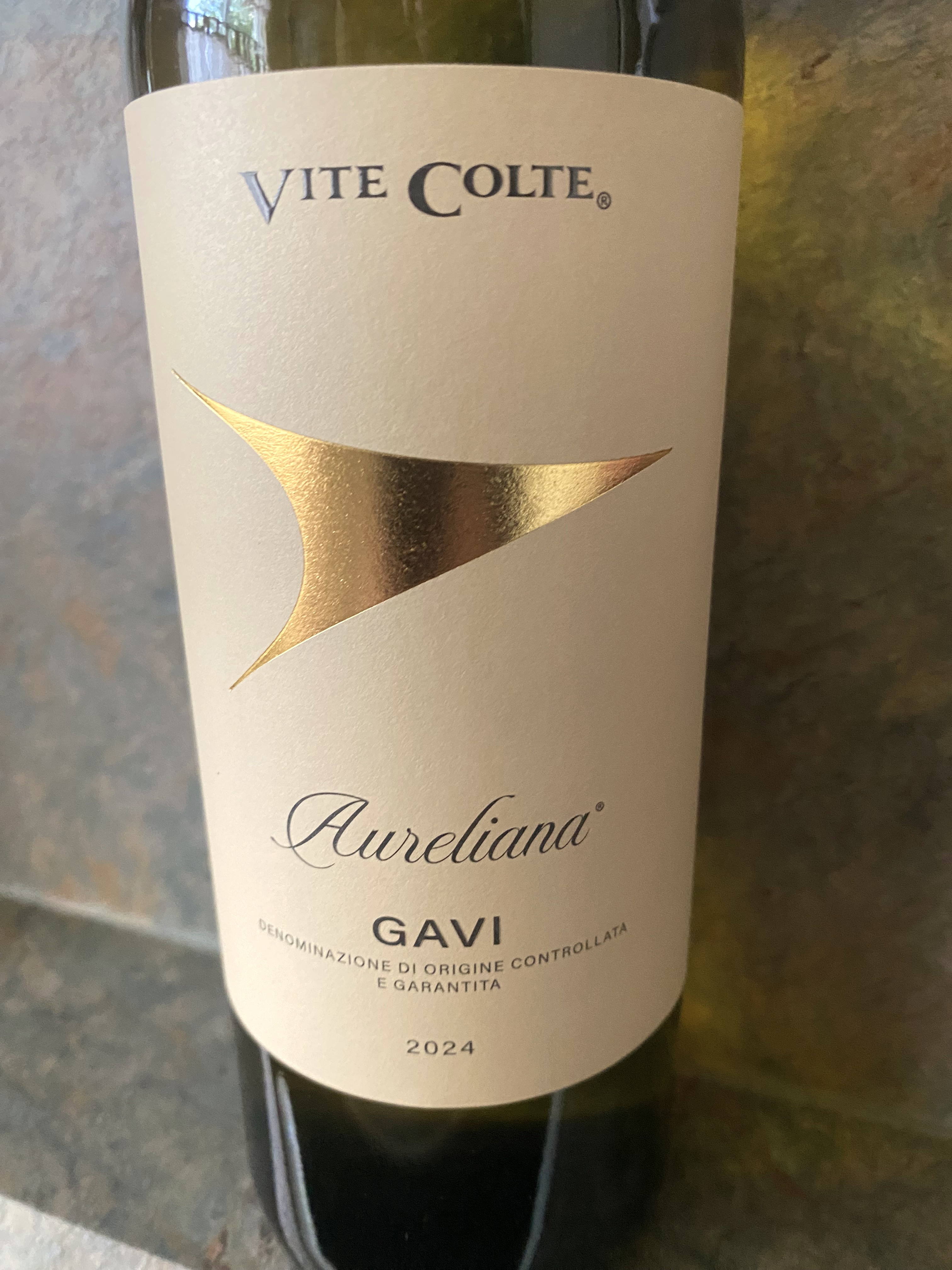
The wine representing the Old World is Vite Colte Gavi “Aureliana” Piedmont, Italy 2024; and depending on the market the wine could be labeled as Terre da Vino brand. The winery was founded in 1980 and is situated below the most prestigious Barolo cru vineyards, and the architectural design has been reviewed by many modern architecture periodicals. The wine is pure Cortese grape and comes from vineyards with alluvial soils with silty clay sediments and interspersed with reddish brown grit. The grapes are soft pressed, and the must ferments in temperature controlled Stainless-Steel vats, followed by a short aging period on the lees, also in Stainless-Steel vats to maintain the freshness and the fruit. The soft straw-yellow wine offered notes of green apples, ripe pears, white florals, freshly cut hay and a touch of anise. On the palate this medium-bodied wine displayed tones of the green apples and pears, well-balanced with crisp acidity and ending with a medium-count finish of fruit and subtle minerality.
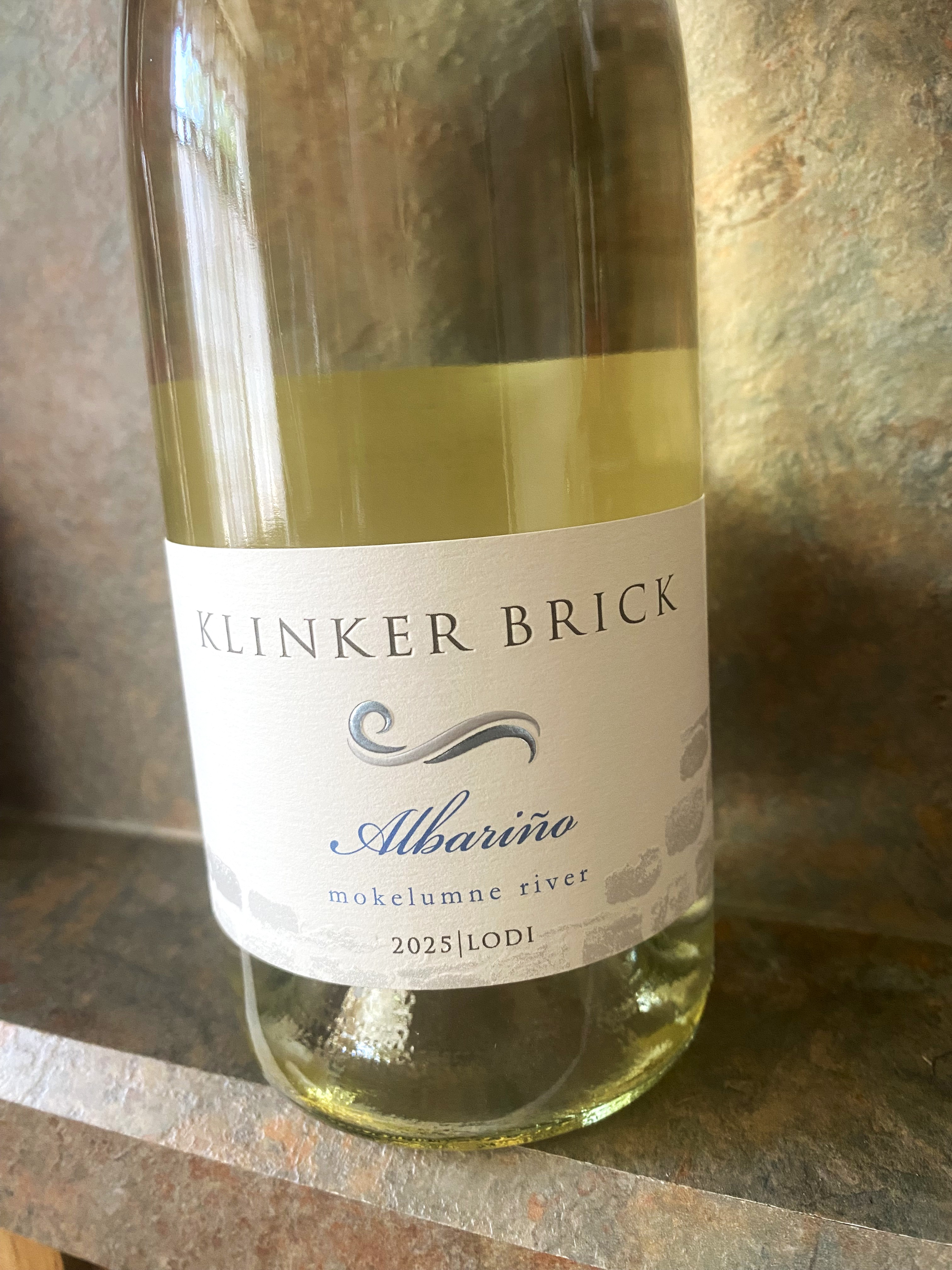
The wine representing the New World is Klinker Brick Albarino Lodi-Mokelumne River, California 2025. Klinker Brick Winery is in its Sixth Generation, but they began as grape farmers and would sell their fruit originally to the home wine makers and Zinfandel was the main crop in this area. Eventually they began selling the crops in the latter part of the 1900’s to other wine makers and eventually they took the plunge themselves as there was a strong demand for their crops. They have about sixteen plots of land, mostly along what is known as the Lodi-Mokelumne River as well as some in the Clements Foothills. They produced their first bottle of Zinfandel in 2000, and their first Syrah in 2001. The term “Klinker Brick” refers to the dense, dark-colored bricks once used in Lodi’s historic buildings; known for their strength, individuality, and durability. While Albarino is thought of an Iberian wine, the sandy loam soil along with the hot and cold exchange that is found in Lodi works for this varietal, as well as the other grapes that they grow. A very pale golden wine that offers notes of stone fruit, pear and honeydew followed by Meyer Lemon zest and then traces of minerals. On the palate this medium-bodied, well-balanced wine displays tones of green apple, peach and pears this crisp, dry wine opens with mouthwatering acidity and then ends with a medium-count finish of fresh fruit, zest and hints of terroir.
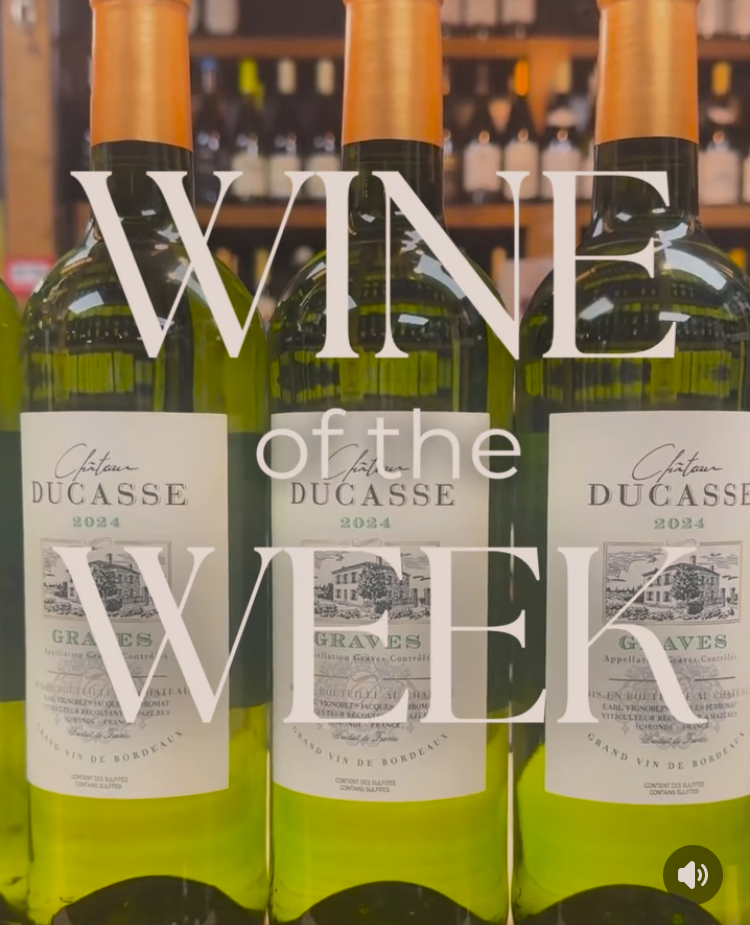
Another enjoyable addition to the rather low-key presentation of The Fine Wine Source is the on-line appearance of the current Wine of the Week. This week is Chateau Ducasse Graves Blanc 2024. The estate makes both dessert and dry white wines, and they have been considered great value for decades. The soil is clay and limestone on fissured bedrock. The wine is seventy percent Semillon and thirty percent Sauvignon Blanc and the vines average about thirty-five years of age and is thirteen hectares in size. The Maceration, Initial Fermentation and Malolactic Fermentation was done in Stainless Steel and then aged for six months in Stainless Steel as well. The pale straw-colored wine offers the classic notes of grass and some lime. On the palate fresh citrus and a touch of apple, balanced and dry with a nice finish of terroir.


