This last wine tasting was one for the books at The Fine Wine Source in Livonia, Michigan as the selection just kept coming. When all of the wines are curated by the owner and his staff, there never is a bad wine.
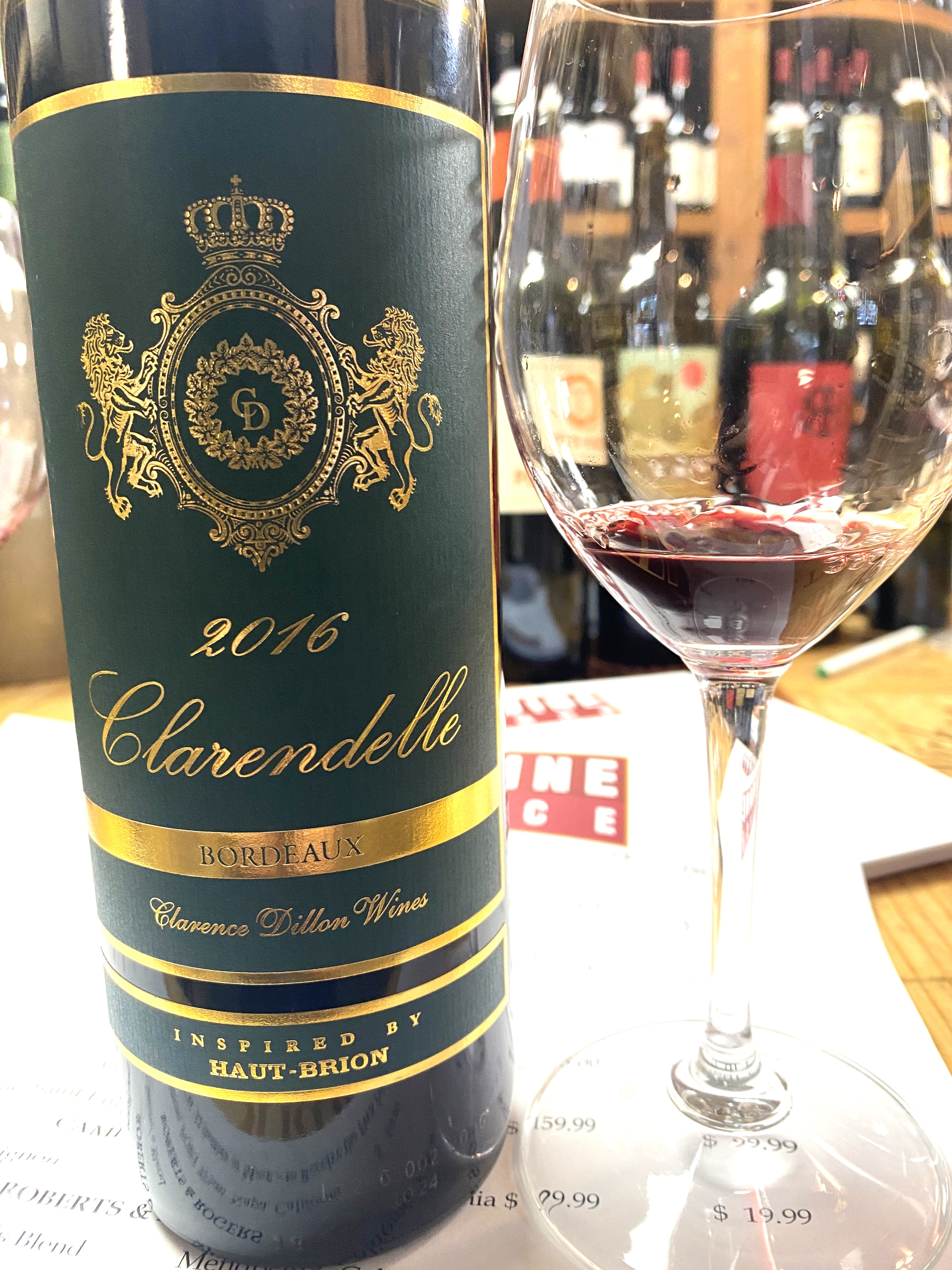
We next enjoyed Clarendelle Rouge Bordeaux 2016, “Inspired by Haut-Brion” by Clarence Dillon Wines in conjunction with the winemaking team from Chateau Haut-Brion. The wine is created by Prince Robert de Luxembourg and named in honor of Mr. Clarence Dillon, his great-grandfather who acquired Chateau Haut-Brion in 1935. The family also produces La Mission Haut-Brion and Quintus; and the goal of this wine to produce subtle elegance in age-worthy wines at an affordable price. The wine is a blend of eighty-four percent Merlot, ten percent Cabernet Sauvignon and six percent Cabernet Franc; and has been aged in oak. This deep claret wine offered notes of red cherry, raspberry, black currants and violets. On the palate this medium-bodied wine displayed fruit-forward flavors blended with velvety tannins, well-balanced with a medium count finish of fruit.
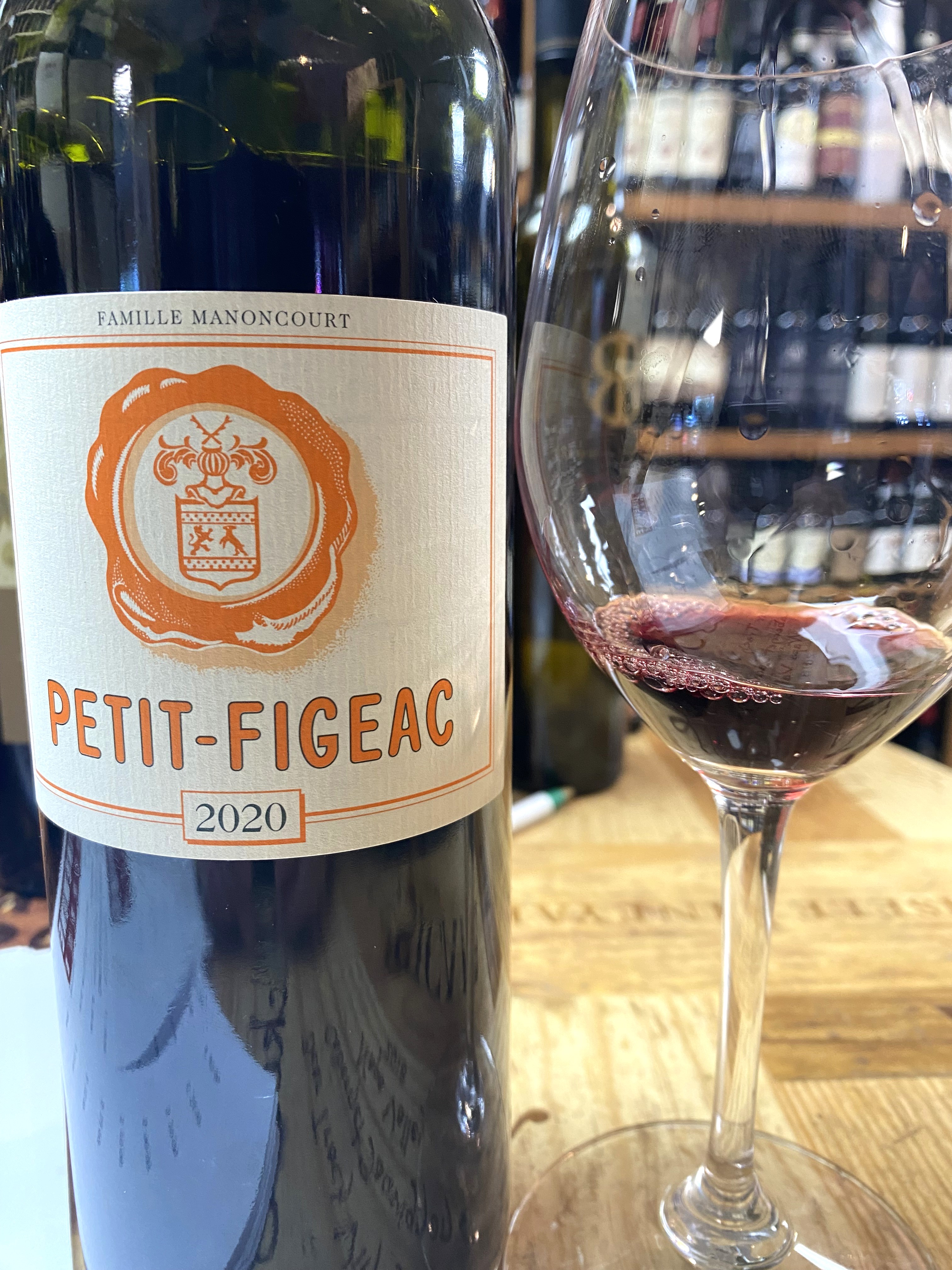
We proceeded to Chateau Figeac Petit-Figeac Saint-Emilion Grand Cru 2020. In 1945, Chateau Figeac was one of the first Bordeaux estates to have a second wine, and it was La Grange Neuve de Figeac, named after a particular plot in the estate. In 2012, the second wine was labeled Petit-Figeac and is now made from fruit from various plots across the estate. The production of the Grand Vin is 100, 000 bottles, the production of Petit-Figeac is 40,000 bottles. Petit-Figeac is harvested, vinified, and bottled to the same standards as Grand Vin, just with younger vines. The wine is a blend of fifty-eight percent Merlot, thirty-three percent Cabernet Sauvignon, and nine percent Cabernet Franc. The wine is aged from fifteen to eighteen months in oak, with about twenty percent new. The deep red wine offers notes of black and red fruit, florals, and spice. On the palette great tones of cherries, plums, spices blended with polished tannins; a medium-bodied red wine with a good finish of terroir.
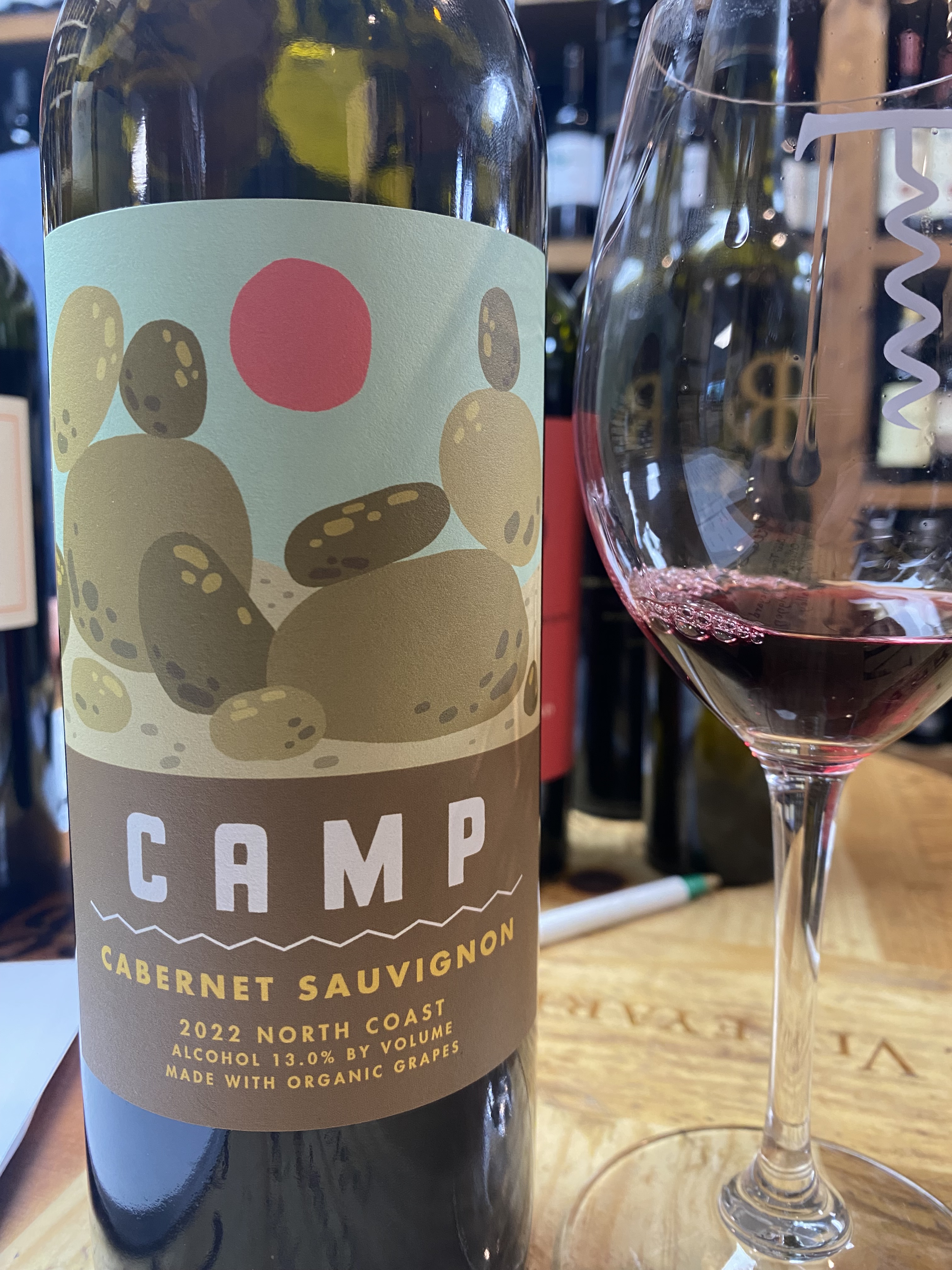
We then enjoyed Camp Cabernet Sauvignon North Coast 2022, a part of Hobo Wines. Hobo Wines began in 2002 with two barrels of Dry Creek Valley Zinfandel; with no business plan and a reckless abandon to be in the business. By 2020 they were producing a thousand or more barrels of wine, but still with no business plan, but a better grasp on the industry. The Camp label started in 2011 to showcase Sonoma County, and made with certified organic grapes. The Cabernet Sauvignon fruit is sourced from Redwood Valley, Dry Creek Valley and Sonoma Valley and the Merlot is from Hopland and Sonoma County, and all the vineyards are certified organic. They use indigenous yeasts for Initial Fermentation and for Malolactic Fermentation. The wine was aged for thirteen months in a mix of Stainless Steel vats and neutral French Oak, with a minimum of twice daily punch downs or pump overs. A deep red wine that offered notes of black cherry, blackberry and sous bois. On the palate this medium-bodied wine was not a typical California juice-bomb, but led with dark fruit, then some red fruit, blending with silky tannins and a medium-count finish of fruit and a dash of pepper.

 The Wine Raconteur
Not only do these sound delightful, the labels are great too. Camp is especially whimsical and lighthearted! 👏
I agree, some of the labels are totally fascinating, and I even try to save them, either to start decorating another wall in the basement, or just for my scrapbook. Thank you.
– John
That’s a great idea! Very multi-purpose! 👍
That’s a great idea! Multi-purpose! 👍
Excelente 💯
Thank you very much.
– John