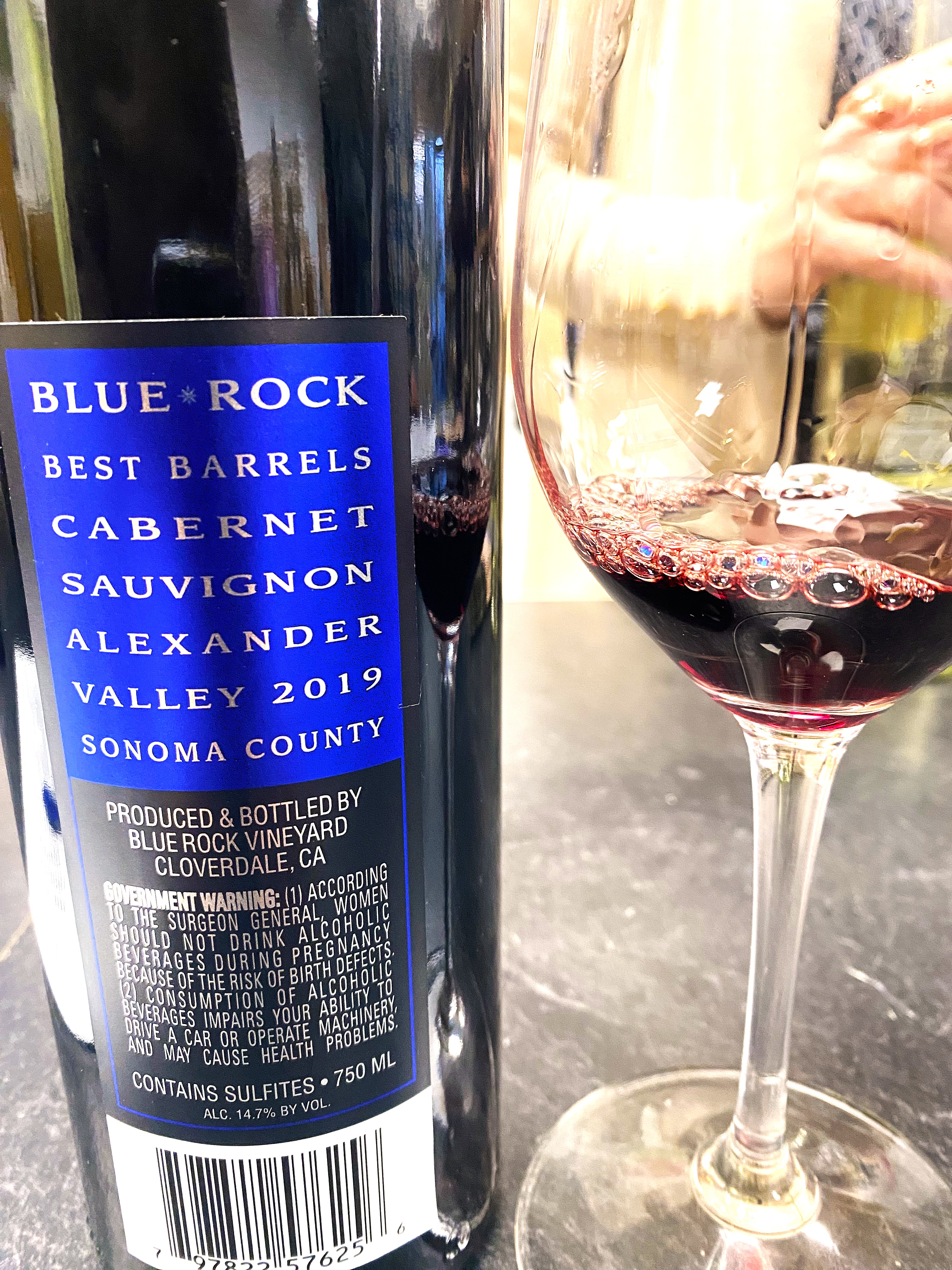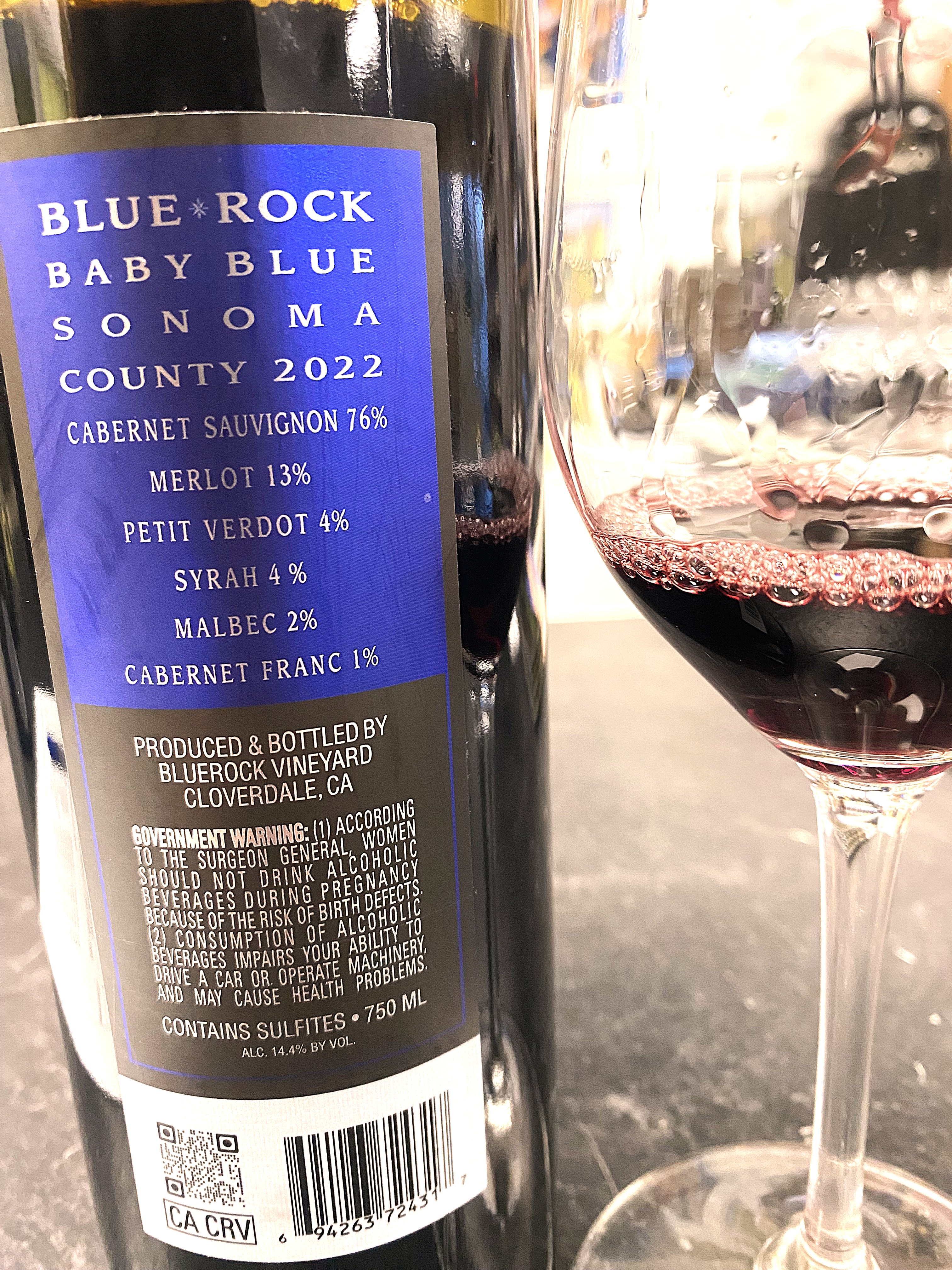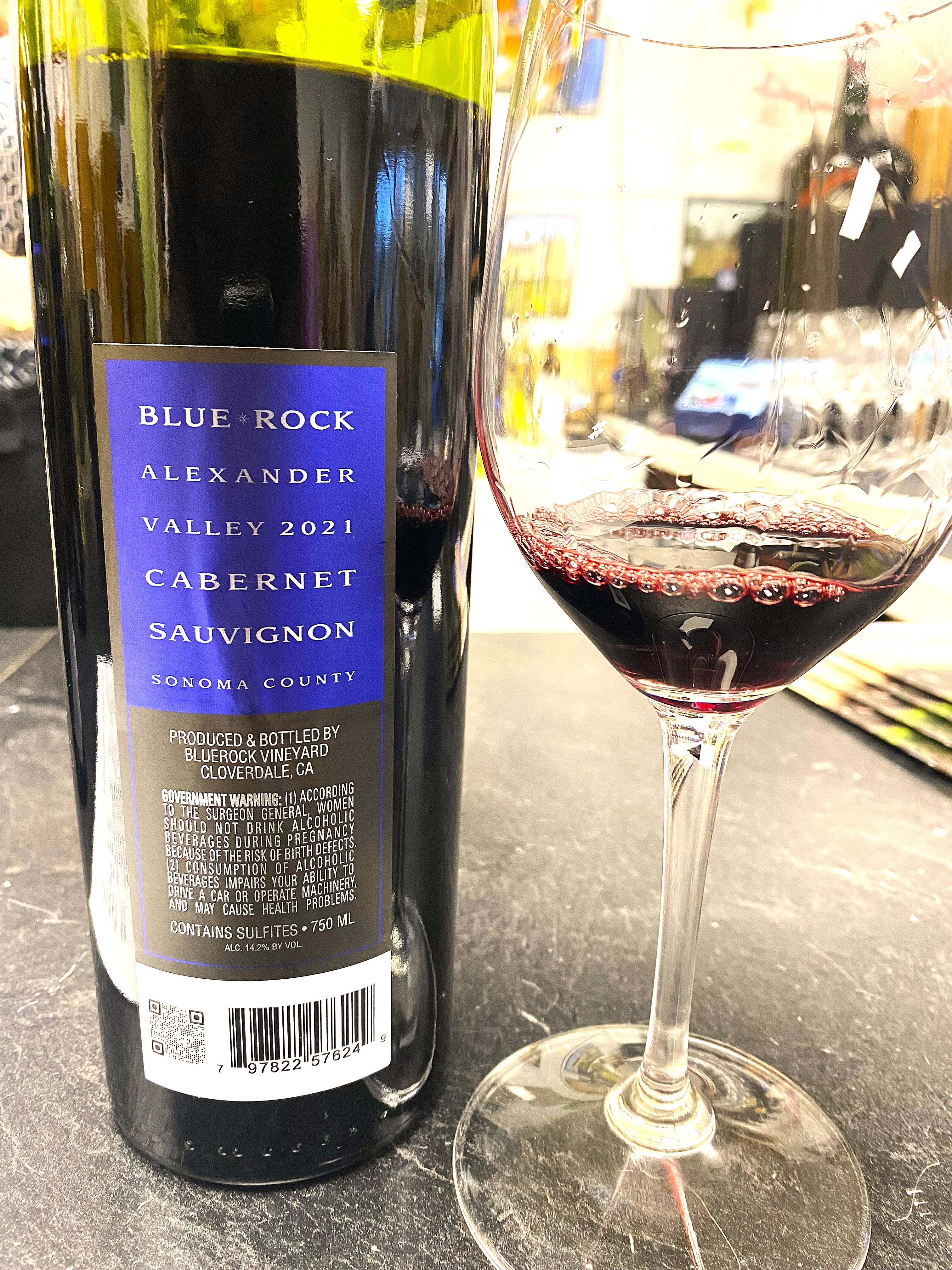
The Fine Wine Source Club – September 2025

Now in the midst of my monthlong birthday celebration we also picked up our monthly club wines from The Fine Wine Source in Livonia, Michigan and we did have some wine tastings during the month as well and I am like a kid in the proverbial candy store.

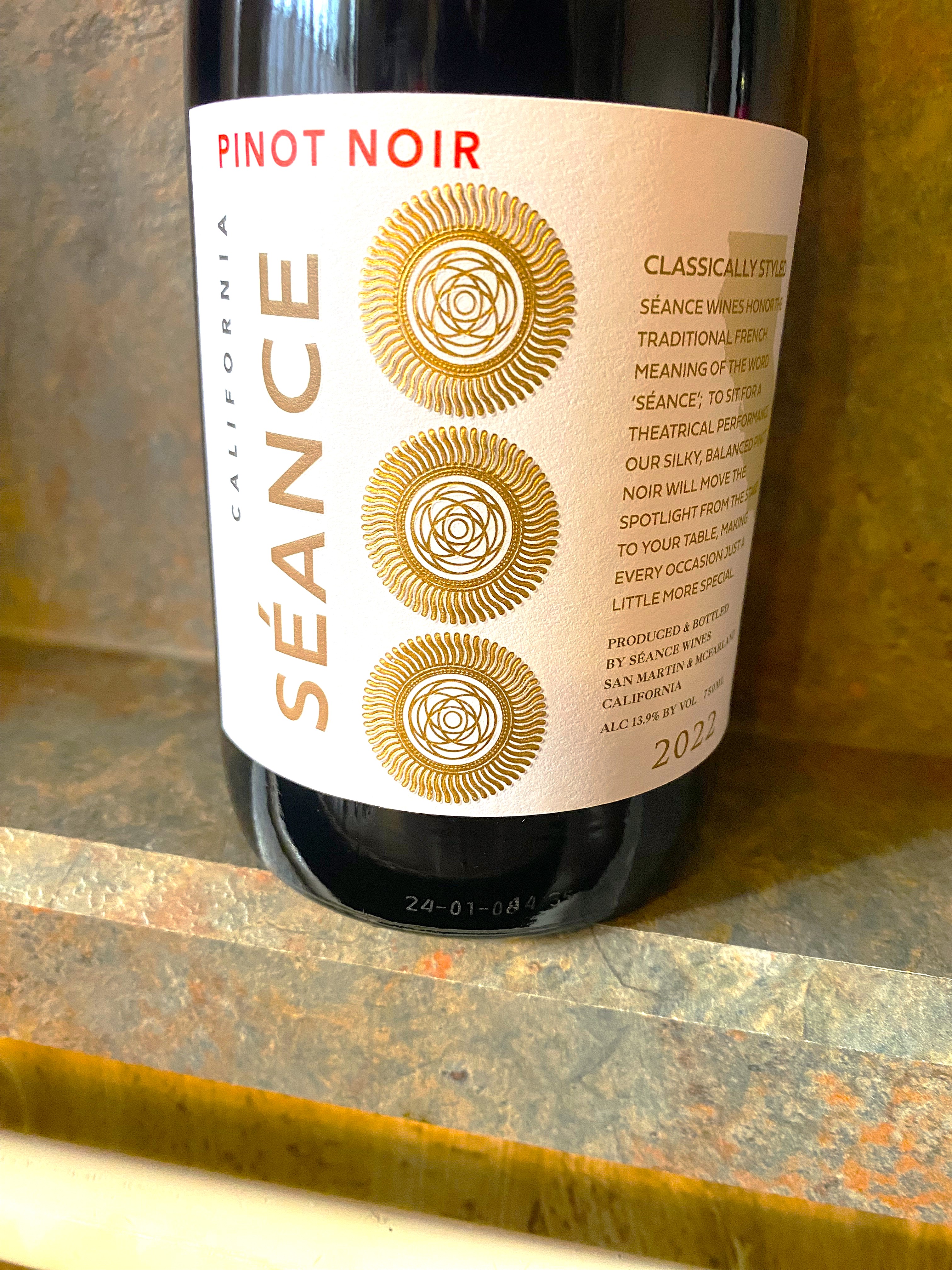
The first wine is the Spelletich Cellars Zinfandel Reserve Amador County 2017 from the Spelletich Family Wine Company.  Spelletich Family Wine Company started in 1994, and their first three wines were: Cabernet Sauvignon, Chardonnay and Bodog Red (which became their immensely popular blend thirty years later).  They have three brands and a thriving custom crush business.  They produce about two hundred fifty cases per year from grapes sourced from Napa vineyards.  The custom-crush arm of the company which produces wine for clients from crush-to-bottle and everything in between.  A family-owned business with three generations working together.  This wine is pure Zinfandel from Alviso Vineyard in Amador County and was aged for twelve months in a blend of American and French Oak.  A medium garnet red wine that offers notes of dark plum, black cherry, blackberry, prunes along with cedar, chocolate, coffee, caramel and cinnamon.  On the palate this full-bodied, well-balanced wine displays tones of blackberry, dark cherry, boysenberry, prunes, chocolate in a “jammy” wine with integrated tannins and finishing with a medium-count finish with fruit, chocolate and tobacco leaf.

The second wine from the club is Tua Tua Sauvignon Blanc Marlborough, New Zealand 2023 by David Clouston.  In a small coastal village in New Zealand there is a legend about a mysterious seashell called Tua Tua.  It is said to represent good luck and prosperity and is kept and revered as a talisman.  David Clouston crafts distinctive, innovative Marlborough wines that reflect the valleys where they are grown.  His grapes are grown on the clay soils of the high-density planted Brookby Hill Vineyard along with select sites in the Awatere and Wairau Valleys.  His winemaking techniques include native fermentation, aging in concrete egg tanks, large oak cuvées, a range of French Oak barrels, and clay amphora.  The wines are bottled, unfiltered and unfined to preserve complexity and texture.  This wine is pure Sauvignon Blanc and is described as a delicate straw-like hue that offers notes pineapple guava, elderflower, currants and wet stones.  On the palate this medium-bodied, well-balanced wine displays tones of kiwi, passion fruit, pineapple, pink grapefruit and ending with a medium-count finish of fruit and lime zest. 

And while we were there picking up the club wines, we were also poured some a tasting of La Bioca “Zabalda” Barbera D’Alba 2022. La Bioca is a small vineyard estate comprised of nine hectares located in the hills of Langhe, in the municipalities of Monforte d’Alba, Novello, La Morra and Barbaresco.  Zabalda is named after the prior owner of the vineyard and is pure Barbera.  Barbera is usually thought of after Barolo and Barbaresco and is thought of as an alternative to the other two.  All around Alba are rolling hills and Barbera vines thrive on the chalky, limestone-rich clay soils, and the best vineyards are sites closest to Barolo.  This wine is pure Barbera, the fruit is manually harvested, destemmed and cool fermented in temperature-controlled Stainless-Steel tanks for about eight days and then an additional maturation for six months. A reddish-purple wine that offered notes of cherries, raspberries, and blueberries with additional notes of lavender and roses.  On the palate this dry, medium-bodied wine displayed tones of the fruits, juicy acidity with fine tannins and ending with a medium-count finish of fruit and spices.

Posted in Wine | Tagged , , , , , , , , , , , , , , , , , , | Leave a comment

Walloon Watershed

We were on our way for dinner, but as we were leaving Boyne Valley Vineyards, they asked where we were going to eat, and they suggested that since we were going to be in the neighborhood, we should stop at Walloon Watershed and check out the newest wine bar and tavern.  We had some time before our dinner reservation, and I am always interested in checking out a new place of interest.

We found Walloon Watershed in the heart of Walloon Lake Village and a very easy walk to the lake, I mean, even I would not build up a sweat walking there.  While it was in a brand-new small strip center, the tavern itself evoked the charm of the village.   My Bride parted company with me, as she saw a coffee shop and that is one of her beverages of choice, so she left me to my own devices.   They had a well curated wine carte, locally produced craft beers and as they proclaimed, “meticulously crafted cocktails.”  I was intrigued and I had to walk around a bit, being the curious person that I am.  It was a very comfortable shop, with a private room for ten for a small gathering, and they offered small artisanal plates for sharing.  I even saw an interesting bottle of Hometown Horseradish Vodka with Natural Horseradish Flavor that was made by Detroit City Distillery from pure Michigan corn vodka.  I thought would be ideal for Bloody Mary’s or for our brother-in-law who hails from Canada, especially for his Caesar of Bloody Caesar where Clamato Juice is substituted for Tomato Juice.

As I was waiting for my Bride to finish with her coffee next door, I opted for something chilled and Maison La Saget La Petite Perriere Sauvignon Blanc Vin de Table 2023.  The Saget family has been producing wines from both sides of the Loire River for nine generations since 1790.  They only produce wines that are either Sauvignon Blanc or Pinot Noir, using fruit from their estate as well as long- term partnerships in the south of France.  Their vineyards are certified for biodiversity, with careful management of fertilizers and water conservation.  The harvested fruit is half manually picked, and the other half is mechanically harvested, pressed and clarified for twenty-four hours.  The wine undergoes cold maceration and then fermentation in temperature-controlled Stainless-Steel tanks for eight days. The wine is then aged on fine lees for around four months and then bottled to maintain freshness.  The pale-yellow colored wine offered notes of peach, mango, lemongrass, white florals, citrus, and camphor.  On the palate this light to medium bodied, well-balanced wine displayed notes of grapefruit, lemon, lime and minerals, ending with a medium-count finish of fruit and a saline finish. 

Posted in Wine | Tagged , , , , , | Leave a comment

A Quick Stop at Boyne Valley Vineyards

My Bride likes to drive, as compared to me, who only likes driving on freeways away from municipalities; my Bride was a Road Warrior, since I have known her.   As she was driving on main roads in northern Michigan, she pulled into another winery after we left Petoskey, and the winery was Boyne Valley Vineyards.  I mean they are really a relatively new winery, because by the time this article is published, it will be around their Fifth Anniversary.  Now, if you are thinking that I am pulling a fast one on you, let me explain that I have mentioned Boyne before.  There is a Boyne, Boyne Highlands, Boyne Mountain and Boyne Falls in Michigan and while I have mentioned a couple, we have not been to them all. The winery backs up to a scenic one-hundred-thirteen-acre nature preserve.  My Bride thought she had found another winery for us to explore, and as we “bellied” up to the tasting bar, the tasting manager said, that she remembered us, because I write a wine blog.  I wonder what gave me away, was it the note pad that I produced, the questions that I started asking, or was it that I may be the only individual up north with a sport coat and a Panama Straw hat.

We tasted the white wines that were being poured that day.  The wines are aged in plastic tanks for four months.  We had the Boyne Valley Vineyards Estate Itasca White Wine Tip of the Mitt AVA Michigan 2024.  Itasca is a Cold Hardy Grape that was bred at the University of Minnesota in 2002 and released in 2017.  There are some years that the berries turn a pinkish shade, but it is still considered a white variety.  It is a crossing of Frontenac Gris and Seyval.  A soft yellow colored wine that offered notes of pear, melon, citrus and honey.  On the palate this light-bodied wine displayed tones of pear, and melon with moderate acidity and had a short-count finish of fruit and lemon zest.  We also had the Boyne Valley Vineyards Cayuga White Michigan 2023.   Cayuga is also a Cold Hardy grape that is a French American hybrid, found in the Finger Lakes and in Michigan, Vermont, Pennsylvania and Massachusetts.  It is a crossing of Schuyler and Seyval Blanc that was bred in 1945 but not released until 1972. This pale straw-yellow colored wine offered notes of lemon zest and green melon.  On the palate this light-bodied wine displayed tones citrus and melon, some acidity and ending with a short-count finish of fruit and foxing.  We also had Boyne Valley Vineyards La Crescent Tip of the Mitt AVA Michigan 2024.  La Crescent is a Cold Hardy grape developed by the University of Minnesota and is a crossing of Saint-Pepin and a Muscat Hamburg.  This soft yellow colored wine offered notes of pineapple and lemon zest.  On the palate this semi-dry light-bodied wine displayed tones of tropical fruits, stone fruit, and citrus fruit with light acidity and a short-count finish of fruit and lemon-zest.

While we were tasting and discussing wines, I learned that the fruit is manually harvested by friends and family of the winery. The last wine that I will mention is Boyne Valley Vineyards Frontenac Bliss White Wine Tip of the Mitt AVA Michigan 2023.   This wine was aged for four months in plastic tanks, but with the addition of Oak Staves in the tanks.  Frontenac is another French American Cold Hardy grape developed at the University of Minnesota in 1978 from a crossing between Landot Noir (itself a cross between Landal Noir and Villard Blanc) and a native local wild  grape; and it was released in 1996 as Frontenac.  In 1992 a mutation occurred on a Frontenac vine at the Minnesota Horticultural Research Center resulting in a gray grape called Frontenac Gris.  A further mutation occurred and was released in 2012 as Frontenac Blanc.  This wine is a blending of Frontenac Gris and Frontenac Blanc.  This yellow-colored wine offers notes of white fruit, vanilla, caramel and spices.  On the palate this semi-dry light-bodied wine with moderate acidity displayed tones of green apples, stone fruit and a short-count finish of fruit and vanilla. 


Posted in Wine | Tagged , , , , , , , , , , , , , , , , | Leave a comment

A Leisurely Day in Petoskey

We were now in Petoskey, which is a little more than a hop, skip and a jump from Mackinaw Island, but then everything tends to be more spread out in the northern part of Michigan. You may have heard of the Petoskey stone, which is a piece of fossilized coral that has become a stone, that one can still find on the beaches in the area; someone I know even has jewelry made with them and has even bought others gifts featuring the stones. We arrived early in the morning, and we did our usual 5K walk around the downtown area.  She did buy some Christmas presents, as well as she had some shopping requests.  I really got nervous as her favorite kitchenware shop had a completely new color themed collection of Mackenzie-Childs, but she showed miraculous restraint.  I also unfortunately showed restraint as well, as there are two independent menswear shops, actually the whole downtown is independent shops.  The merchants even remembered me from prior shopping trips, and here, I thought I was such a quiet unassuming guy.  Since my hernia operation, I tried on a sport coat from my favorite Italian couture line, and it fit, oh happy day, but with all the work we have ordered for the outside of our house, I didn’t need to spend another thousand dollars for my wardrobe, maybe next time. 

I was touted to try another restaurant in Petoskey, but that will be another time, as they are only open for dinner and we were going to have lunch while we were there.  We decided to go and have lunch at Chandler’s, which is below and adjacent to Symons General Store, which opened in 1956, in the oldest brick building in the city.  Normally, we have our meals in the wine cellar, which is part of the basement of Symons, but for lunch we either had to eat in a courtyard or in a tavern across the courtyard from Symons, we went into the tavern.  We already had plans for a big dinner, so we just wanted to keep our hunger pangs to a minimum.  My Bride had the Crab Cakes with lump crab, fresh herbs, micro greens, bruleed lemon slices and roast red pepper remoulade.  I had the Beef Tenderloin Tartare with egg yolk, capers, red onion, parsley, arugula, Parmesan crostini, Dijon mustard, lemon infused olive oil and cracked pepper.  

Some of you, may think I am going crazy, but I chose a white wine for the both of us, as I thought it would be refreshing on a hot, sunny August afternoon and the piquancy and zest I figured could hold its own against the Tartare.   We had a bottle of Joseph Mellot Sancerre La Chatellenie Loire 2023.  While Joseph Mellot estate was established in 1969, Pierre-Etienne Mellot established his Domaine in 1513, and it has been in the family ever since.  Sancerre is only fifty miles from Chablis in the Burgundy region, and the soil is similar to the Kimmeridgian soils of that region.  The soils of Sancerre are broken down to three types: chalk, limestone-gravel and silex (flint) and it is the silex that gives Sancerre the “gunflint” aroma that is distinctly Sancerre.  The wine is pure Sauvignon Blanc and comes from an estate of eighteen hectares, and the average age of the vines is twenty-five years.  The fruit is mechanically harvested, and then destemmed, macerated for a short period and then pneumatically pressed.  Cold Fermentation in done in temperature-controlled Stainless-Steel tanks for about fifteen days and then the wine is aged on the lees before bottling.  The pale golden colored wine offered notes of yellow pears, green apples, lemon citrus, herbs and spices and wet flint and stones.  On the palate this medium-bodied wine had bright acidity and displayed tones of pears, peaches, and apples with a mineral vein prevalent throughout the entire taste, culminating with great salinity and a medium to long finish of citrus and minerals   

Posted in Dining, Wine | Tagged , , , , , | Leave a comment

A Return Visit to the Carriage House

While on Mackinac Island as we were walking down the main street, we (?) periodically had to stop and shop and buy gifts.  Thankfully, I talked her out of buying the mandatory fudge and caramel corn purchases as it was very hot that day, and I reminded her that we can just as easily purchase the identical items in our backyard, so to speak.  Though she did find some cute earrings of the Mackinac Bridge which tickled her fancy. 

We finally got to the Iroquois Hotel and their Carriage House to have a meal.  We got there early, so that I could take off my sport coat and cool off at the bar with a couple of glasses of wine by the glass, that I just ordered, because I found it intriguing that they had it, without telling my Bride and she was happy at the bar with it, after our customary walk back from Mission Point.   The Hotel Iroquois is a charming three-plus-story structure, that could have been a home at one time, or it could have been a boarding home, but it is a reminder of another era.  That last time that we were there, the view of the Straits of Mackinac were basically blocked out by bulldozers and other construction equipment, and my Bride was not exactly thrilled about that memory, but I reminded her that we were extremely thrilled with the food and wine.

We started off by sharing the Smoked Whitefish Dip, I mean when you are up in northern Michigan smoked whitefish in any offering is a given.  I remember once, we drove out of way to purchase some Smoked Whitefish Dip from the fishery that had furnished it to a restaurant that we were at.  My Bride had the Grilled Shrimp and Asparagus Salad, which was Mixed Greens, Artichoke Hearts, Asparagus, though she requested Parmesan Cheese instead of Feta, with a Lemon-Caper Vinaigrette.  I had the Ceviche of Lobster, Shrimp, Scallops and Avocado; I have to admit that I have been ordering more dishes of this sort lately.  We then shared an order of the Iroquois Hot Fudge Ice Cream Puff, who can resist a Hot Fudge Sundae?  

When we were sitting at the bar, I kept the wine a secret that we were having by the glass, to see if she remember it, as we had originally had it at the Las Vegas Food & Wine Festival that occurred while we were visiting the families, She did remember it, very fondly and wanted to get a bottle of it, since we haven’t seen it since that event that.  We first had glasses at the bar, and then we ordered a bottle for our meal, but my Bride asked if we could have flutes for our Honey Bubbles Sparkling Moscato Italy NV from Asti and Veneto. Honey Bubbles Wine not only makes a wine, but they are donating proceeds to help combat “Colony Collapse Disorder” which is a malady affecting Honey Bee populations around the world, in fact in 2014 twenty-three percent of the American Honeybee Colonies died per the Huffington Post.  Bees are lauded as the cross pollinators of crops and their survival is crucial not only for viticulture, but for all plants.  Honey Bubbles Sparkling Moscato sources their fruit from Asti and Veneto in Italy, but during my research I discovered that originally the company was based in New Mexico, USA.  The wine is a blend of fifty percent Muscat Canelli (Muscat Blanc a Petit Grains) and fifty percent Muscat of Alexandria.  The sparkling wine is made using the Charmat Method which is very common in the region.  A prolonged tank fermentation results in less residual sugar (half of most Moscato wines) and higher alcohol by volume (double of most Moscato wines) which makes Honey Bubbles a semi-sweet sparkling wine.  The wine we had in Las Vegas was Rosé and this wine was Blanco.  This soft yellow colored wine with medium-size bubbles offered notes of tangerines, honey, peaches, white florals and orange zest.  On the palate this medium-bodied semi-sweet wine displayed tones of a bubbling mousse of citrus, honey good acidity and ending with a pleasant short to medium count finish of fruit, honey and zest.   

Posted in Dining, Wine | Tagged , , , , , , , | 5 Comments

A Start of a Month of Birthday Celebrations

We have had a strange year, and the year is not over yet, but my Bride decided that I needed to have some getaway time, so we went to the northern part of the lower peninsula of the State of Michigan.  I guess we both needed a change of scenery, so what better way than a quick trip to Mackinac Island, where time does stand still.  We took a hovercraft from the mainland to the island with the Mackinac Bridge to our left, and as we got closer, we could even see the longest porch according to Guiness at the Grand Hotel.  The island has no automobiles, except for emergency vehicles, so horse-drawn carriages, bicycles (and I guess there is now some debates going on as there are some E-bikes that are getting the locals riled) and the old trusty shoe leather.  As we walked, we passed Fort Mackinac up on a bluff still protecting the island from enemy armadas.  We also passed an art museum, the Butterfly house, many Bed and Breakfast establishments, hotels, stores, restaurants, taverns, a couple of marinas, and many private homes.  According to the last census, there is a year-round population of 867 hardy souls.   

We took a leisurely walk to the far end of the downtown district and went to Mission Point which started out as Mackinac College created by Rex Humbard and was a non-denominational Bible school.  The dormitories are now used by all the seasonal help that work in all the different businesses on the island, and the actual school, became a resort.  We walked down to Bistro on the Greens, which is downhill from the resort and overlooking the Straits of Mackinac on a small par-three putting course, which in the evening is illuminated and fun.  The Bistro has some bar food and drinks which is more than adequate, as the island is for good times.  My Bride wanted a Margarita, which I think made the Gods send a swarm of bees to the Bistro while we were there.  Actually, I think the bees are part of the locals, they just got more concentrated as more food and drinks were being served.

As for me, someone had to have a glass of wine for the sake of this blog, so I had Battuello Vineyards Sauvignon Blanc, St. Helena, Napa Valley 2024.  In 1906, Matteo Battuelo arrived at Ellis Island and eventually found his way to St. Helena in Napa Valley, originally farming grapes, prunes and walnuts.  By 1912, he was successful enough to have his wife join him and they farmed and raised two children. After over a hundred years and the fourth generation, the estate has expanded, and the family is thriving.  The wine is from estate grown fruit grown sustainably, and eighty cases were produced.  Fermentation and aging was done in Stainless-Steel tanks to maintain freshness.  The soft pale golden yellow colored wine offered notes of apples, melon and honeysuckle.  On the palate this medium-bodied, well-balanced wine displayed grapefruit, melons and citrus ending with a short-count finish of fruit.   


Posted in Wine | Tagged , , , , | Leave a comment

Spanish Wine Event – Part Four

We were now down to the last three wines for the Spanish Wine Event at The Fine Wine Source in Livonia, Michigan.  Of course, it is almost with bated breath, as we were all looking forward to these wines and to determine the quantities that may be desired. 

Those that were acquainted with Spanish wines, immediately recognized the R. Lopez de Heredia Vina Tondonia Reserva Rioja DOCa 2001.  This winery is considered by many to be one of the world’s great wine estates.  It was founded in 1877 and the Tondonia Vineyard is so famed that it is now part of the winery’s name.  The vineyard is over one hundred hectares and provides fruit for the winery’s top red and white wines.  The vineyard is along the Ebro River, and the soil is a mix of alluvial clay with a high limestone content. The winery is in La Rioja Alta and near Haro and is one of the oldest in the entire region. The winery only uses fruit from their own vineyards, and they have acquired a respected special guaranty. The wine is seventy percent Tempranillo, twenty percent Grenache and five percent Mazuelo.  Since this wine is a Reserva, it is aged for ten years in used oak, and the wine is racked twice a year and fined with fresh egg whites, then it is bottled and stored for another six months minimum before being released.  This was a pretty cherry-red color and offered notes of cherries, strawberries, rose petals old leather, sous-bois and spices.  On the palate a very rich velvety, well-balanced wine that displayed tones of red and black fruit mellowed with firm chalky tannins, ending with a nice long finish of fruit and terroir.

The penultimate wine of the session was also from Rioja, and it was a Remirez de Genuza Reserva Rioja DOCa 2017 from Rioja Alavesa.  This winery was founded by a former wine-broker Fernando Remirez de Ganuza in 1989 when he acquired top-quality plot in Rioja Alavesa.  His estate has vineyards in six different locations in this sub-region and has more than eighty hectares devoted to Tempranillo, Viura and Malvasia.  Rioja Alavesa is the smallest of Rioja’s three sub-regions and the only one in the Basque, instead of “La Rioja.”  The average age of the vines are roughly sixty years across the board.  They have implemented a revolutionary new technique, where the manually harvested, grapes are allowed to settle for a day, and then they are sorted by the “hombros” (grape bunch shoulders) from the “puntas” (bunch tips).  Only the hombros are selected for the Reserva wines to ensure richer color and tannin; then the grapes are destemmed.  They use small basket presses for soft fermentation of the red wines, and they are wrapped to avoid oxidizing the skin.  The wine undergoes Initial Fermentation in Stainless-Steel and Malolactic Fermentation occurs during the twenty-six-month barrel-aging in new French and American Oak. It is all this special attention that the winery is referred by some as “the Chateau Latour of Rioja.”  The garnet-colored wine offered notes of black and red fruit, rose petals, sous-bois and spices.  On the palate this full=bodied and well-balanced wine displayed tones of ripe cherries, black pepper, vanilla and secondary tones of tobacco, earth blending with firm tannins and ending with a long-count finish of ripe fruit and terroir.  

We had a bottle of Bodegas Alto Moncayo Garnacha 2021.  Bodegas Alto Moncayo was founded in 2015 in Campo de Borja DO in the Aragon region of Northern Spain; and Campo de Borja DO was granted in 1980.  While it was recognized recently as a designation, the area was recognized for wines back in the times of the Roman Empire.  The winery is a partnership of the Andalucía winemaker Jorge Ordenez, the Australian winemaker Chris Ringland and Bodegas Borsao one of the largest and most influential producers in Campo de Borja.  The winery was founded in 2002 with the concept of increasing the appreciation for Garnacha (Grenache).  This is a big Grenache (Garnacha) wine that shows off the forty- to seventy-year-old vines and Grenache is the flagship of the winery, and it is the King of grapes for this region of Spain.  This wine was aged for twenty months in new barrels, and it is a heady 16 proof. I think that some of the people were surprised that this was the final wine, but it was very big.  This deep garnet-colored wine offered notes of blackberry, black currants, sage, cocoa, coffee, licorice, balsamic and smoke.  On the palate this full-bodied and well-balanced wine displayed tones of black fruits, dark chocolate, blending with bold tannins and ending with a long-count finish of cherry and chocolate. 

Posted in Wine | Tagged , , , , , , , , , , , , , , , , | 2 Comments

Spanish Wine Event – Part Three

The wine tasting at The Fine Wine Source in Livonia, Michigan was getting plenty of attention about the Spanish wines being offered, including a twenty-one and a twenty-five-year-old wines being poured.  

We started the next part of the tasting with Bodegas Urbina Seleccion Rioja DOCa 2000.  Bodegas Urbina has been in Cuzcurrita del Rio Tiron for over one hundred fifty years, when they started in 1870.  Urbina started making wine with vineyards still being used today, and the famed Rioja Alta district and their prized singular Vale del Angel Vineyard.  This wine is pure Tempranillo from select plots on limestone and sand; fermentation was started with indigenous yeasts; it was aged in a mix of French and American oak for sixteen months plus fifteen or more years in Stainless-Steel before bottling.  Organically grown fruit from vines that are over fifty years of age.  The deep ruby colored wine offered notes of black cherry, blackberry, violets, spices, tobacco, gravel and sous-bois.  On the palate this full-bodied, well-balanced wine displayed tones of silky fresh fruit, lively acidity blending with gentle tannins and ended with a long-count finish of fruit and terroir.

Our next wine was Bodegas Urbina Gran Reserva Especial Rioja DOCa 2004.  Bodegas Urbina was founded in 1870 and today their annual production is fifty-thousand bottles of wine, and they have the capacity to store their wines, until they feel the wines are ready to be enjoyed.  They have seventy hectares, and the winery is run by the fourth generation in the Rioja Alta district.  This winery is noted for releasing mature wines which don’t require additional cellar time for the consumer.  This wine is made from their best Tempranillo gapes, with a dash of Graciano and Mazuelo blended in as well.  They use organic fertilizers, indigenous yeasts and avoid weedkillers and pesticides. The grapes for this wine are manually harvested from forty-plus-year-old vines.  The wine undergoes Initial Fermentation in Stainless steel, then the wine is aged for twenty-four months in a mix of seventy-five percent American Oak and twenty-five percent French Oak for twenty-four months.  The wine is then aged in Stainless-Steel and finally bottled and stored for up to four years before release.  The release is determined by the winemakers, and not according to a preset calendar.  This deep ruby colored wine offered notes of black fruit, violets, spices, truffles, leather and minerals (sous-bois).  On the palate this full-bodied, well-balanced wine displayed tones of black cherry, black currants, some smokiness, bright acidity blending with savory and smooth tannins and finally ending with a long-count finish of fruit and terroir.

The next wine was from another region of Spain, and we tasted Dominio de Pingus “PSI” Red Ribera del Duero 2022.  The estate was founded by Peter Sisseck, a Danish oenologist who was previously in Bordeaux and the first vintage was in 1995 and developed a “cult-status” from the initial reviews of Robert Parker.  The estate consists of several small parcels of old vines in various plots of vines that are at least sixty-five years of age on terrain that is either gravel and sand over chalk or mostly clay with very small yields of fruit. The “PSI” is more of a classic interpretation of Tempranillo from Ribero del Duero, and the grapes are from selected local growers who must implement biodynamic vineyard techniques and are paid similar in structure to a cooperative.  The wine is named after the 23rd letter of the Greek alphabet and a new winery was created in 2007 just for this label.  The wine is made from Tinto Fino or Tinta del Pais, a local variant of Tempranillo and ten percent Grenache from selected plots in twenty-one different villages.  The wine undergoes a long and gentle maceration for extended extraction. The wine is then aged in concrete tanks and used oak barrels for eighteen months.  The deep ruby colored wine offered notes of cherries, blueberries, blackberries, raspberries, licorice and spices.  On the palate this full-bodied, well-balanced wine displayed tones of black cherry, pomegranate along with good acidity, blending with tones of leather, spices, and fine tannins ending with a long-count finish of fruit and terroir.   

Posted in Wine | Tagged , , , , , , , , , , , , , , , , | Leave a comment

Spanish Wine Event – Part Two

I must say that when The Fine Wine Source in Livonia, Michigan has a special tasting event for its club members, it is one not to be missed.  I have to admit that I have always had a soft spot for Spanish wines, because when I was first teaching myself and learning about wines, as a student in high school, I could always afford Spanish wines, Gran Reserva wines would top out at about five dollars. 

The last of the chilled wines was Garduno Tempranillo Rosé Castilla La Mancha 2023. Garduno is a wine label by Abadia Real, which is produced by Bodegas Avelino Vegas, a winery situated in the Vino de la Tierra de Castilla y Leon region of Spain.  Established in 1950, Bodegas Avelino Vegas has a longstanding tradition of crafting wines that reflect the diverse terroir of Castilla y Leon.  Tempranillo is locally known as Tinta de Toro or Tinto Fino and is favored for its vibrant fruit flavors and balance acidity, which makes it also attractive for making rosé wines.  This wine is produced using the saignée method, where a portion of juice is bled off from the red wine fermentation to create a rosé, which gives the wine more structure and depth.  This pinkish-salmon colored wine offers notes of strawberries, raspberries, citrus and floral scents.  On the palate this medium bodied, well-balanced wine displayed tones of fresh red fruits, lemon zest and a short crisp finish that I found very refreshing and would be a great patio or first wine offering at a party.

The first red wine was the CVNE “Cune” Crianza Rioja DOCa 2020 from the Rioja Alta. Compania Vinicola del Norte de Espana (CVNE which from a typo became Cune) is an historic wine producer founded in 1879 near the Haro railway station and has been in the same family ever since.  They own 545 hectares of vineyards, which is about half of their production, and the balance is supplied by contract growers.  The complex has twenty-two buildings including the original premises and a separate plant designed by the Eiffel studio and completed in 1909. There has been a Crianza wine produced every year since the company was founded.  The wine is a blend of eighty-five percent Tempranillo, fifteen percent Garnacha Tinta and Mazuelo (Carignan). The fruit undergoes Initial Fermentation in temperature-controlled Stainless-Steel tanks to preserve the fruit characteristics for twelve days.  Then, the grapes are pressed, and Malolactic Fermentation takes place in the tank, afterwards the wine is aged in American Oak for one year, with an additional year in the bottle. The garnet-colored wine offered notes of cherries, raspberries, currants and vanilla.  On the palate this medium-bodied, well-balanced wine displayed tones of black cherry, black currants, spices and vanilla blending with supple tannins ending with a medium-count finish of fruit and spices.

The next red wine was a Sierra Cantabria Rioja Gran Reserva DOCa 2015.  Sierra Cantabria was founded in 1870 by the Eguren family and was originally known as Bodegas Eguren in the Rioja Alta district.  The winery is in the heart of the town of San Vicente de la Sonsierra. They have nineteen vineyards totaling sixty-five hectares.  The rules for Gran Reserva, the red wines must undergo a total of five years of aging with at east two years in barrel.  The wine is a blend of ninety-eight percent Tempranillo and two percent Graciano.  The fruit is hand-harvested from estate vineyards over thirty years of age and the grapes are destemmed.  The wine is aged for twenty-six months in American Oak, of which twenty-five percent is new. This dark garnet colored wine offered notes of dark cherries, blackberries, chocolate, toasted nuts, truffles, tobacco, cedar and sweet spices.  On the palate this full-bodied, well-balanced wine displayed tones of black cherry, blackberry, cassis, dark chocolate, cloves, and a whisper of lavender blending with silky tannins ending with a nice long-count finish of dark fruits and spices.  

Posted in Wine | Tagged , , , , , , , , , , , , , , , , , , , , | 5 Comments

Spanish Wine Event – Part One

The Fine Wine Event in Livonia, Michigan offered to its Wine Club members an invitation to a tasting of Spanish wines, including one from 2000.

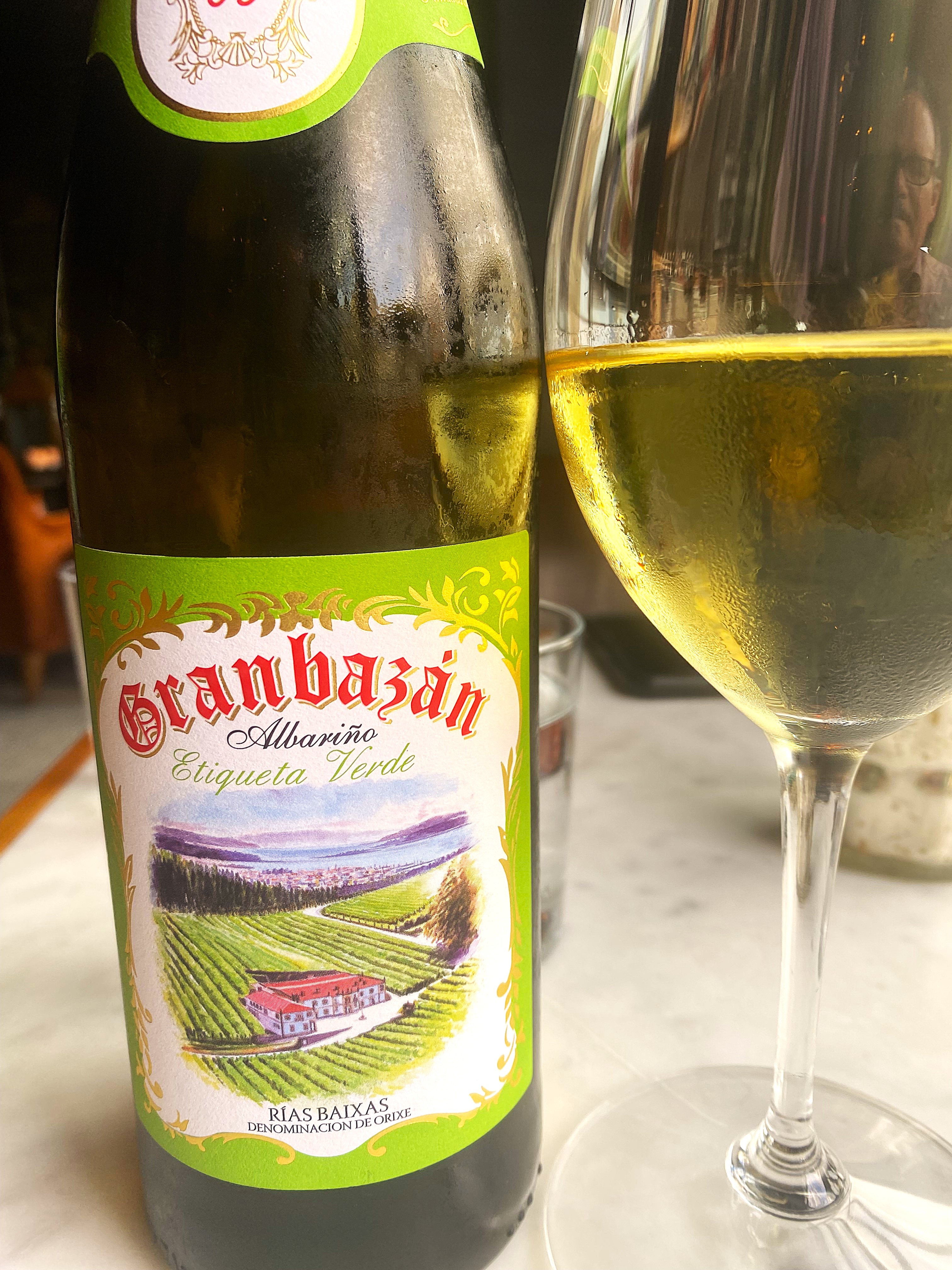
We started the tasting off with Bodegas Agro de Bazan Granbazan Etiqueta Verde Albarino Salnés Valley Rias Baixas 2023.  Bodegas Granbazan is considered a crown jewel of the region with its pronounced French chateau influence.  Albarino has been praised in the area since the days of the Galician kingdom.  The wine is pure Albarino from vines that are over thirty-five years of age, grown on high granite soils on the banks of an estuary with strong Atlantic influence.  The fruit is de-stemmed and undergoes cold maceration for six to eight hours, with controlled fermentation in Stainless Steel tanks.  The wine rests on fine lees without batonage and then bottled four to five months after fermentation is complete.  A bright yellow wine offering notes of stone fruit, tropical fruits and white floral flowers.  On the palate there were tones displayed of white stone fruit, mandarin, touches of marzipan with refreshing acidity and a good medium count finish of salty air (salinity).

The next bottle of wine that was poured for us was Bodegas Agro de Bazan Granbazan Etiqueta Ambar Albarino Rias Baixas DO 2022.  The winery does not talk about themselves that much about their history, but they were proud to mention that the vines for this wine were over forty years of age from the Tremoedo Estate in the Salnes Valley.  The fruit was destemmed, soft pressed and a cold maceration for eight to ten hours in Stainless Steel.  Then it was allowed to rest on the lees with batonage (stirring of the juice and lees), fermentation and then aging for eight months, still in Stainless Steel.  A golden-yellow wine with notes of yellow plums, persimmon with citrus and a touch of lime zest and orange blossoms. On the palate this medium bodied wine displayed tones of the yellow plums, persimmons, in a creamy texture with bright acidity and a good medium to long finish of fruit and salinity.

The third and final white wine was R. Lopez de Heredia Vina Tondonia “Vina Gravonia” Crianza Blanco Rioja DOCa 2016.  R. Lopez de Heredia is regarded as one of the world’s greatest wine estates and was founded in 1877 and its Tempranillo-based wines from the Tondonia Vineyard is so acclaimed, that it is now part of the company’s name. Their white wine is made from Viura (the local name for Macabeo) with a small amount of Malvasia.  While this wine is a Crianza, which according to Rioja designation, White Crianza wines must be aged for two years, but only six months is needed to be in casks. This wine is made by their rules, and it is aged in oak barrels for four years, racked twice a year and fined with fresh egg whites.  It is then rested unfiltered in bottles until it is deemed to be released.  A pale gold-yellow colored wine offering notes of cashews, roasted almonds, saffron, white truffles, honey, dried lemons and beeswax.  This is a full-bodied wine with bright acidity that displays tones of being savory rather than fruity with a creaminess that displays nuts in the flavor and finishes with a very long finish of nuts and terroir.  A very distinctive white wine.   

Posted in Wine | Tagged , , , , , , , , , , , , , , , | 3 Comments