A Couple of Jumbos

Chianti is the only wine (outside of Champagne and Communion Wine) that was popular and common in my neighborhood of Southwest Detroit.  It was not uncommon to know several of the older men who made wine in their basement and this was referred affectionately as “Dago Red.”   Chianti is the most famous and known wine in the world.  In Italy Chianti was from the region of Tuscany.  At one time Tuscan region produced more wine then was made in the United States of America.


Chianti ran from thin poor excuses of wine that were found in the wicker wrapped bottles called fiascos and used to be found in pizzerias to extremely rich and velvety lush wines.
The worst of the problem is that all of these wines were called Chianti.  This was a problem that the vintners in Tuscany were faced with.  About eighty years ago a “Consorzio” was formed to protect the good name of Chianti and an inner district was created called Chianti Classico, which is about fifteen percent of all Chianti produced.   They created a special emblem of a black cockerel on a gold background, and another label with a gold ring around the first circle that reads Chianti Classico Riserva.  The Riserva requires three years of aging before bottling.


I had the honor of furnishing the wine for a gathering, and I found these two one gallon bottles of Verrazzano Chianti Classico.   These bottles are the equivalent of five regular bottles of wine.  In comparison a jeroboam, which is a classic bottle measurement is equivalent to four bottles of wine.  These bottles were the hit of the party, and changed my thoughts of Chianti ever since.  Another day and another time I will discuss more Chianti and Chianti Classico wines that I have encountered.

Posted in Wine | Tagged , , , , | Leave a comment

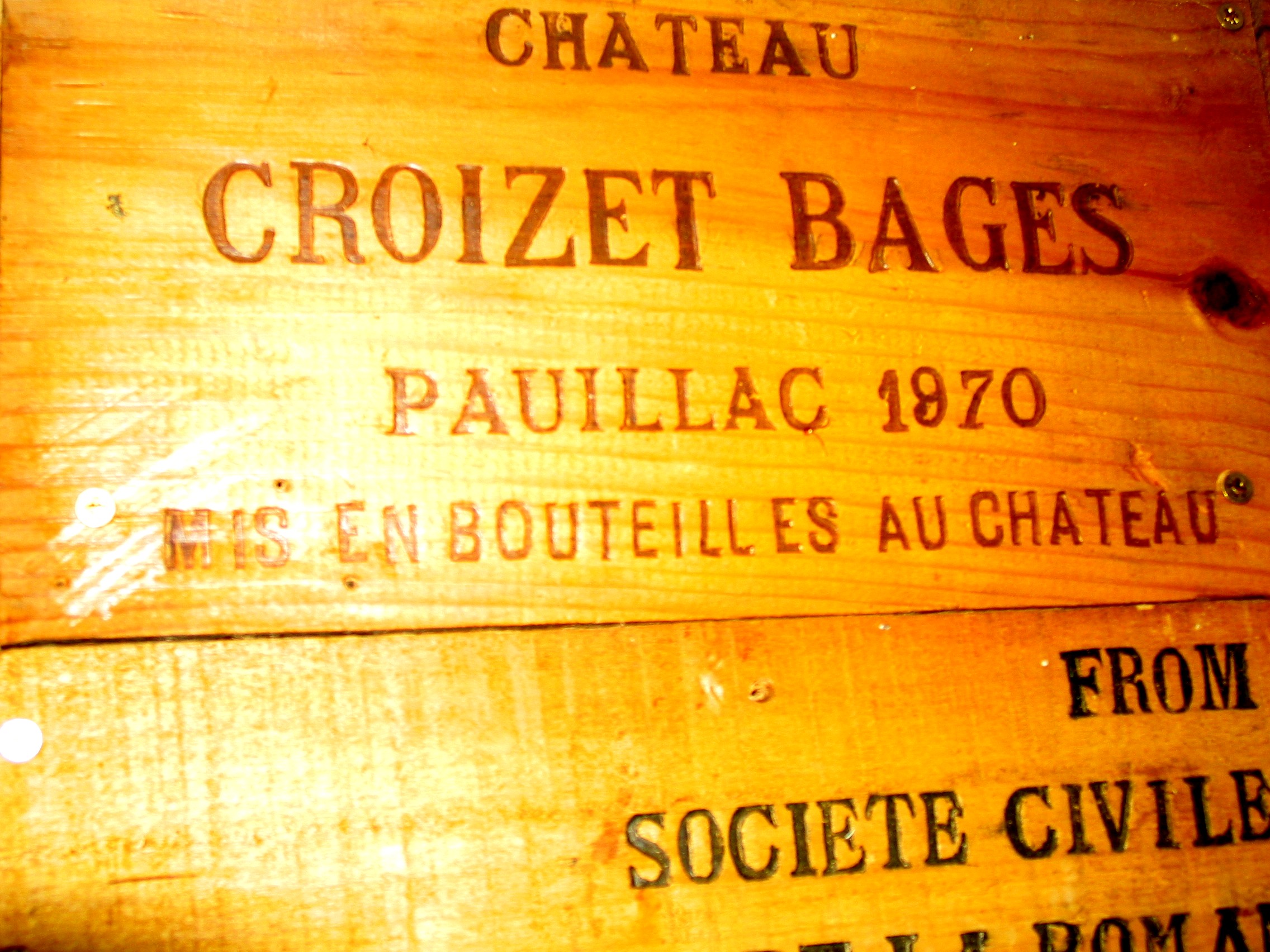
Chateau Croizet-Bages

This was a classified Bordeaux wine that I found in a nightclub when I was in college, and I would periodically keep reordering it.  It was so good and it was affordable even at my wages.   I would take a date out for dancing and get a bottle of wine for the evening.  I would enjoy the company, the music, the ambience and of course the wine.  Chateau Croizet-Bages is a Fifth Growth in the classification of the Medoc and it is from the Commune of Pauillac.


By knowing the different communes of Bordeaux, I would look at a wine list and search for a commune that I could afford.  Chateau Lafitte-Rothschild was out of my league, but this was a wine that I could indulge in.  Come to think of it, I indulged in it quite a bit.


It had all the qualities of a Bordeaux wine, the deep color, the full rounded robust taste, a good nose and full of tannin, which is should have as it was not that old when I was enjoying it.   It was the first of many consistent tasting wines that I had encountered.   Everyone that tried it with me thoroughly enjoyed this wine.


I enjoyed this wine so much, that it was the first major purchase of wine that I made.  I bought a case of it through a wine merchant that I knew.  At this point in my wine studies, I had never bought a case of one wine; I used to buy mixed cases to take advantage of case discounts.


I have tried it over a couple of decades now and I am still happy with the way the wine is still aging.  I have a couple of bottles left, and I will report on them, as I uncork them.

Posted in Wine | Tagged , , , | Leave a comment

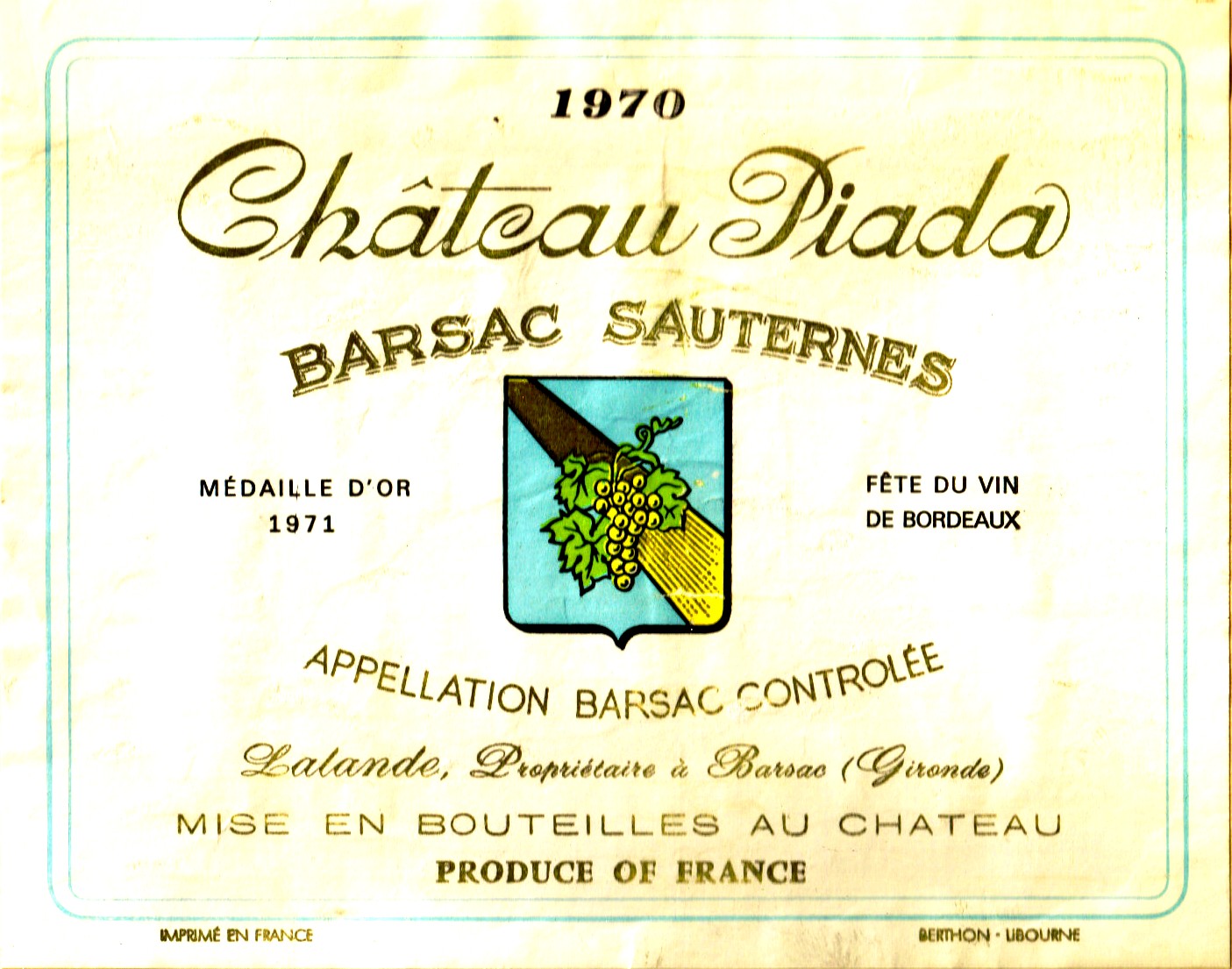
Sauternes and Barsac

Sauternes is one of the famous white wines of the Bordeaux region, and is acclaimed as a great dessert wine.   Always make sure that you are buying Sauternes and not Sauterne.  Sauterne is used by other country winemakers to designate their dessert wine, but it is not Sauternes.   Sauternes and Barsac are adjacent and each has its own Appelation, though some Barsac wines list themselves as Sauternes.   You may also see a designation Haut-Sauternes; this is not a legal designation or reference to a geographic area, usually just a marketing method to mean a sweeter wine from the regular wine.


Sauternes wines are produced differently from other Bordeaux wines.  There is a mold, referred to as the “noble rot” which creates shriveled grapes with a higher concentration of sugar per grape (and this does not occur every year).   When this occurs the production of wine diminishes, but the finished product is legendary.  Even if you don’t like sweet wines, a Sauternes/Barsac wine should be tried at least once in your tasting life.


Sauternes for years was traditionally served with fish dinners in France and Great Britain, for the most part this pairing has ceased, and it is now customary to serve with dessert.   It is a wine with a long heritage and had its own Classification of 1855 for Sauternes and Barsac.


Grand Premier Cru (First Great Growth)


Chateau d’Yquem


Premiers Crus (First Growths)


Chateau La Tour-Blanche


Chateau Haut-Peyraguey


Chateau Lafaurie-Peyraguey


Chateau de Rayne-Vigneau


Chateau de Suduiraut


Chateau Coutet

Chateau Climens


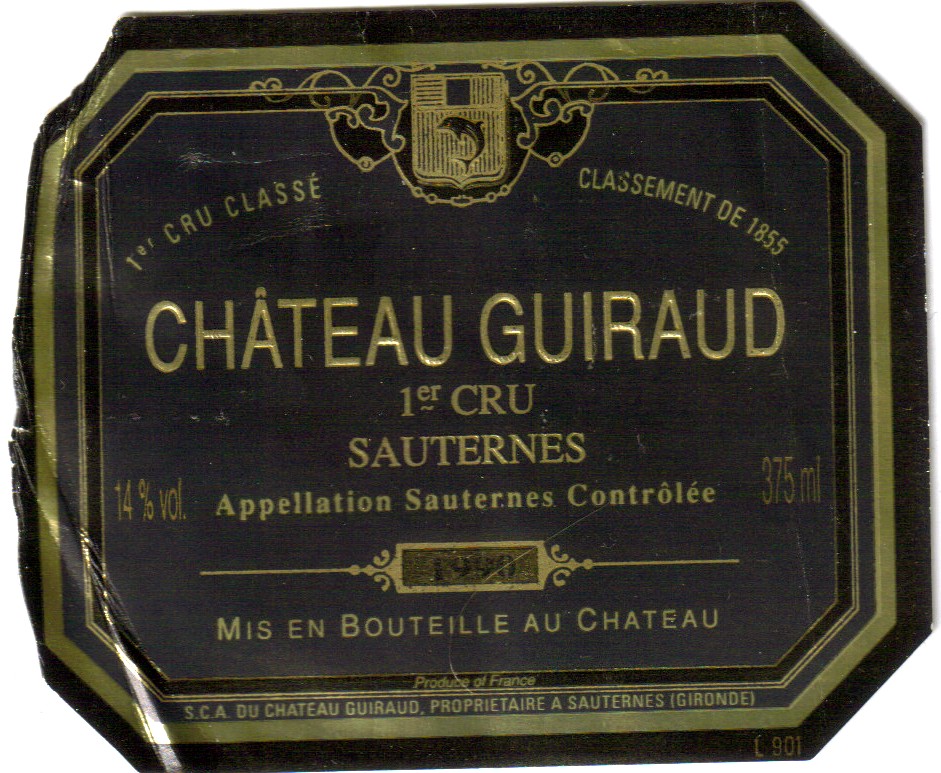
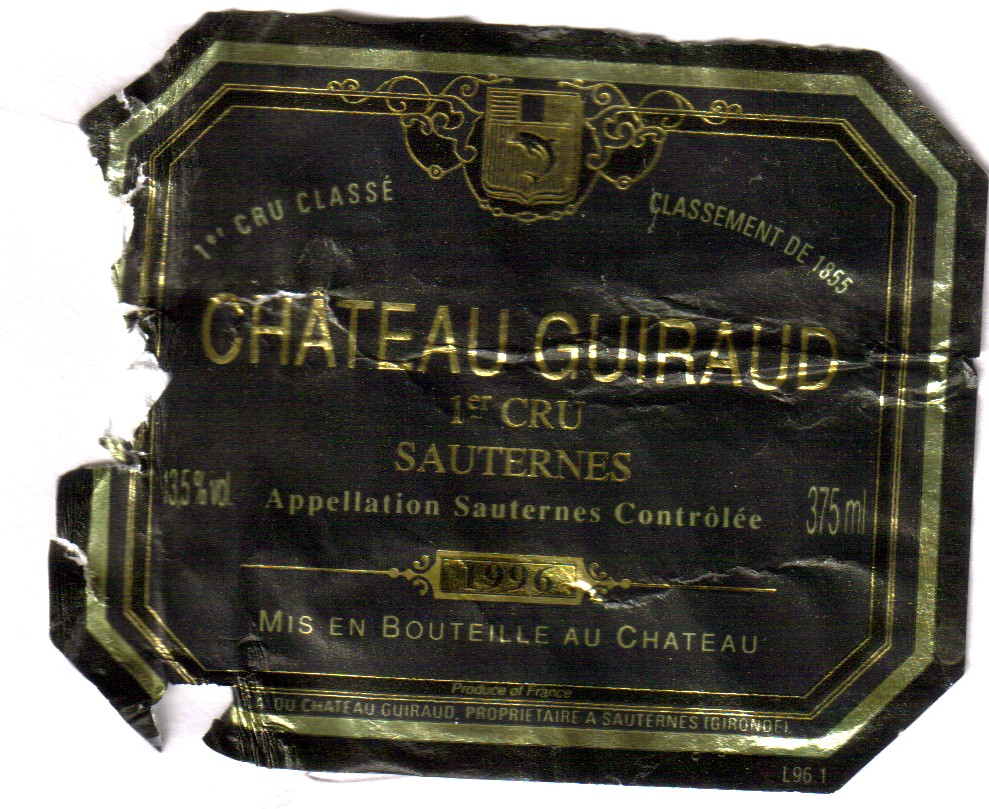
Chateau Guiraud


Chateau Rieussec


Chateau Rabaud-Promis


Chateau Sigalas-Rabaud


Deuxiemes Crus (Second Growths)


Chateau Myrat


Chateau Doisy-Daene


Chateau Doisy-Vedrines


Chateau D’Arche


Chateau Filhot


Chateau Broustet


Chateau Nairac


Chateau Caillou


Chateau Suau


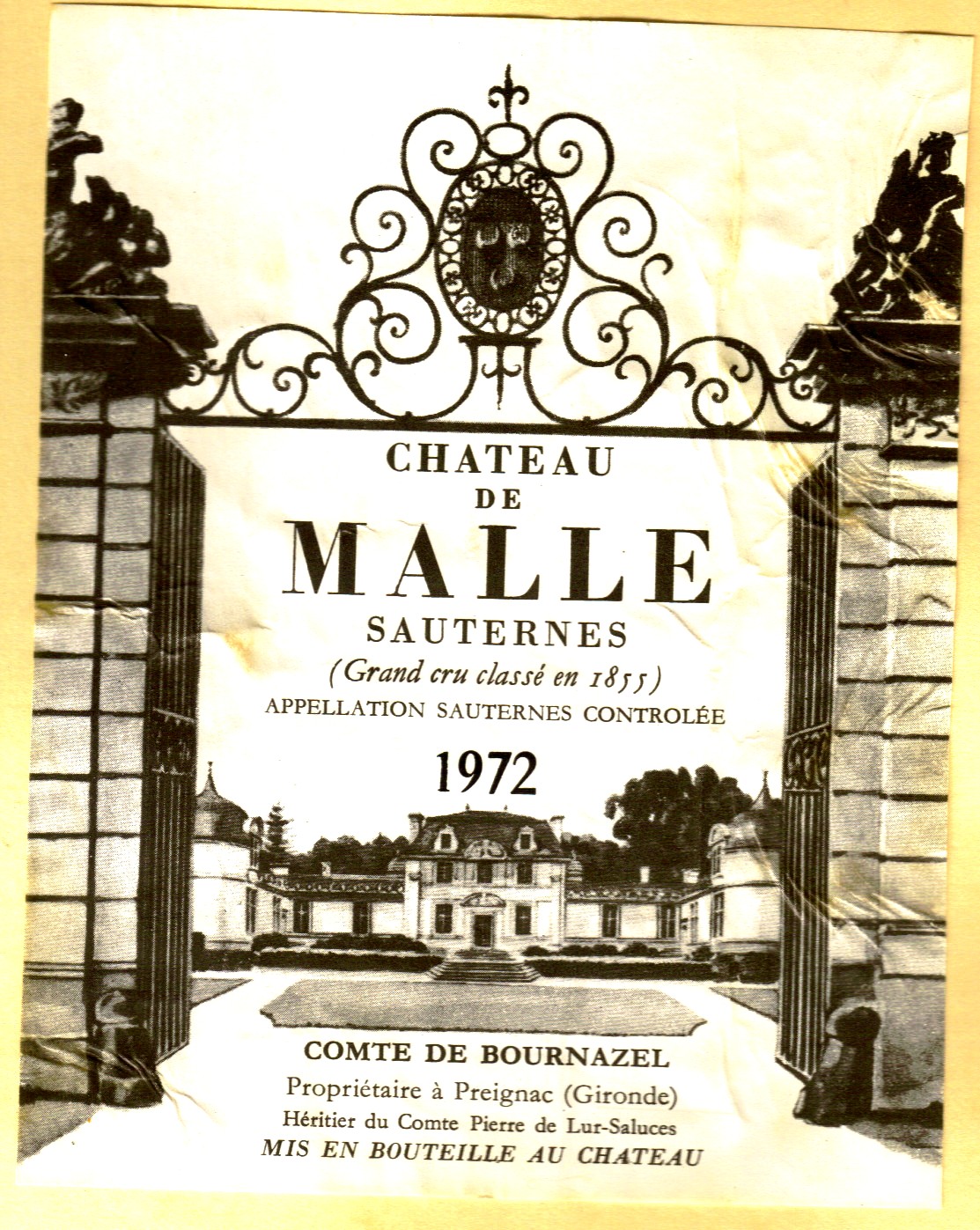
Chateau de Malle

Chateau Romer


Chateau Lamothe


You may also find some Petite Chateaus that were not listed in the classification, but deserving of a taste.


Posted in Wine | Tagged , , , | 9 Comments

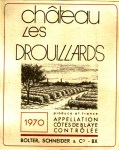
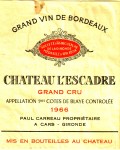
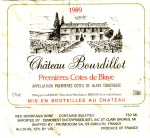
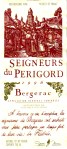
Bourg, Blaye and Bergerac

In music one often hears of the three B’s, off to the side of Bordeaux is another set of three B’s. The Cotes de Bourg, the Cotes de Blaye and Bergerac are productive wine districts on the wrong side of the Gironde (which encompasses Bordeaux).  These two areas were producing wines before the Medoc was even planted.  They are classic made wines known as Claret.  They unfortunately have been totally eclipsed by the Medoc and even the Bordeaux wines.


They are a full, round and fruity wine that are made to be aged, but seldom are they, as they are considered a “lesser” wine.  When the economy gets rough, one sees more of these wines and then they disappear when the economy gets stronger.


The Cotes de Blaye are white wines for the most part, the reds are Appelation Controlee Premieres Cotes de Blaye.  The Cotes de Bourg is known for their red wines


Bergerac is in the hinterlands of the Bordeaux region.  They are known for their production of red and white wines, including a dessert wine.  Some people refer to the Bergerac wines as “Vin de carafe” a step above table wines, but sometimes that is all one needs for a casual dinner or party.


These tend to priced very reasonably even in the restaurants when one can find them, and are a bargain at a wine shop that knows their value.

Posted in Wine | Tagged , , , , | 2 Comments

Pomerol

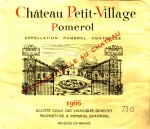
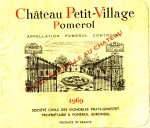
The adjoining district to Saint-Emilion, though it only produces about 15% of the wine of that Saint-Emilion does.  About eighty years ago, Pomerol got its own designation separate from its larger neighbor.  It was not included or even considered in the classification systems and to this day it has not been, other than having its own designation.


The wines have an earthiness and a distinctive character different from its larger neighbor or in fact from all the other Bordeaux wines.  The individual chateaus are much smaller, hence the production is less, making the wines harder to find in restaurants or even in wine shops.  It is worth the effort to try to find some of the wines and to enjoy them.


The greatest of all Pomerol wines is Chateau Petrus, which I am sorry to say I have not yet had a chance to enjoy.  The wines of Chateau Petrus are considered to be in the same ranking and price as the first growths of the Medoc.   Their production is around three thousand cases a year, which is very small compared to other wineries; and not enough for the demand of this legendary wine.

Posted in Wine | Tagged , , | Leave a comment

Saint-Emilion (Part Two)

Beyond the classified properties of Saint-Emilion are many gems to discover at very reasonable prices.  As you look at a wine list you will see this designation listed and keep scrolling on the list until you find one that is either affordable or sounds interesting.  I do believe you will be happy with your selection.


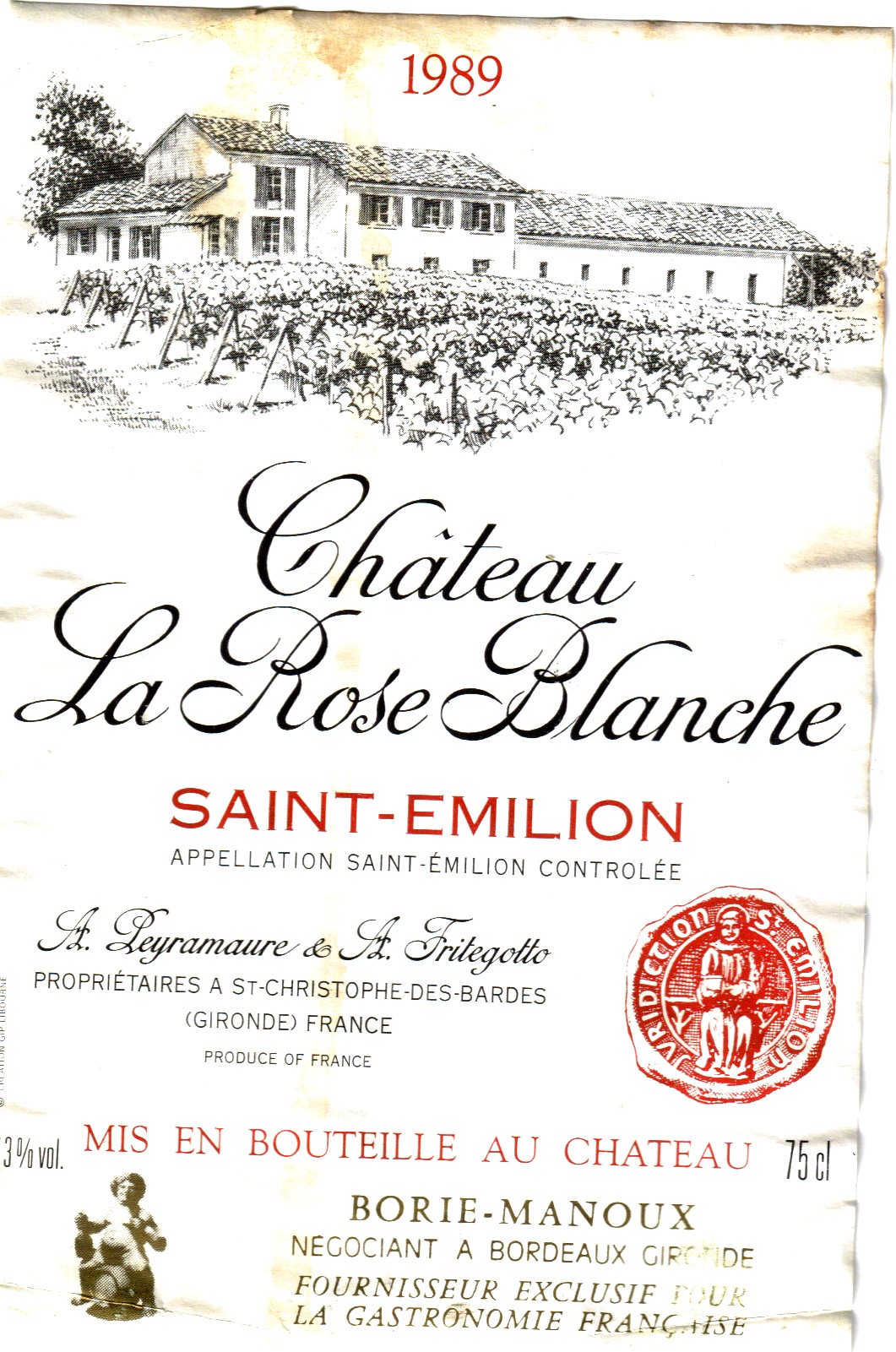
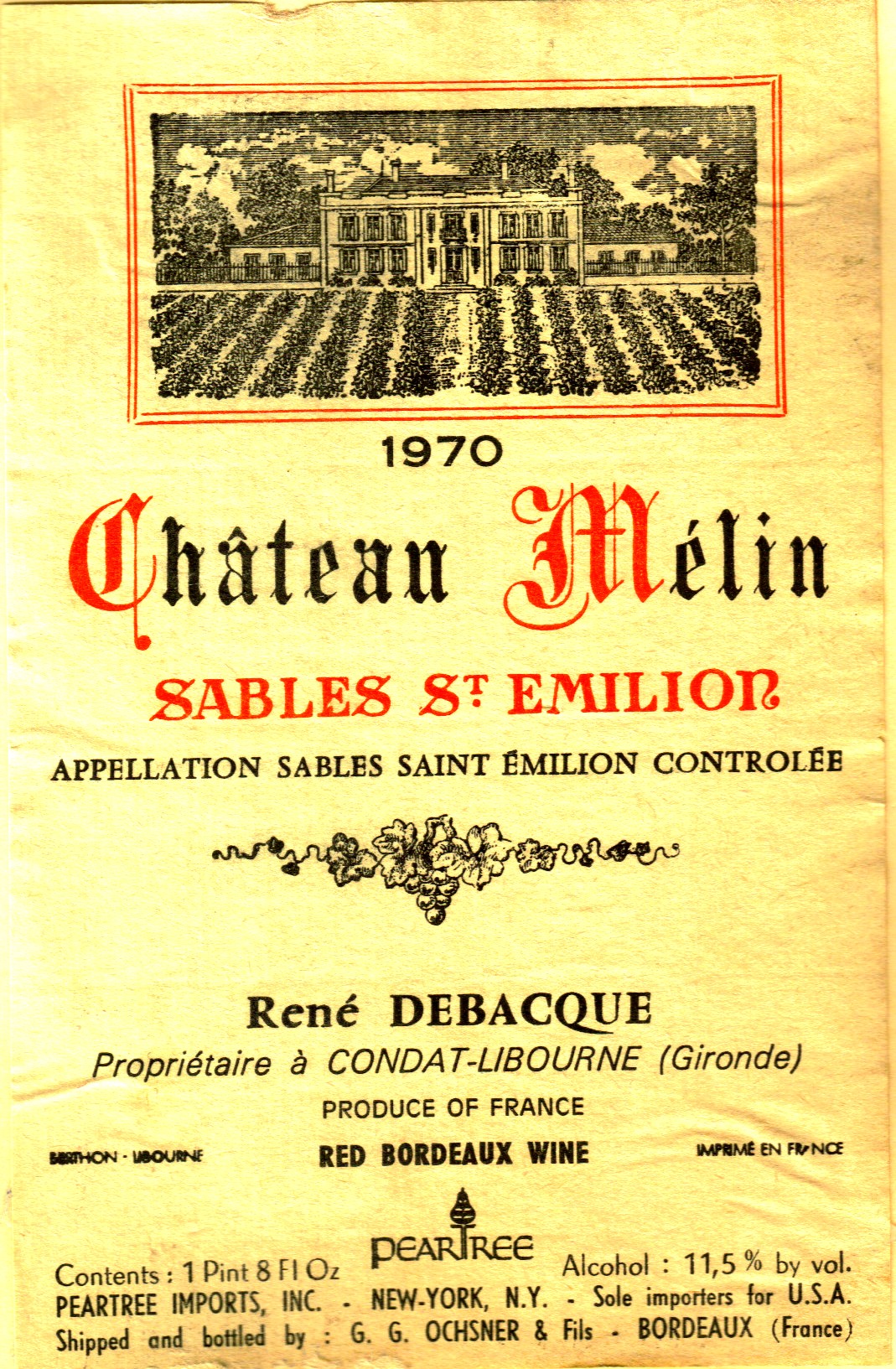
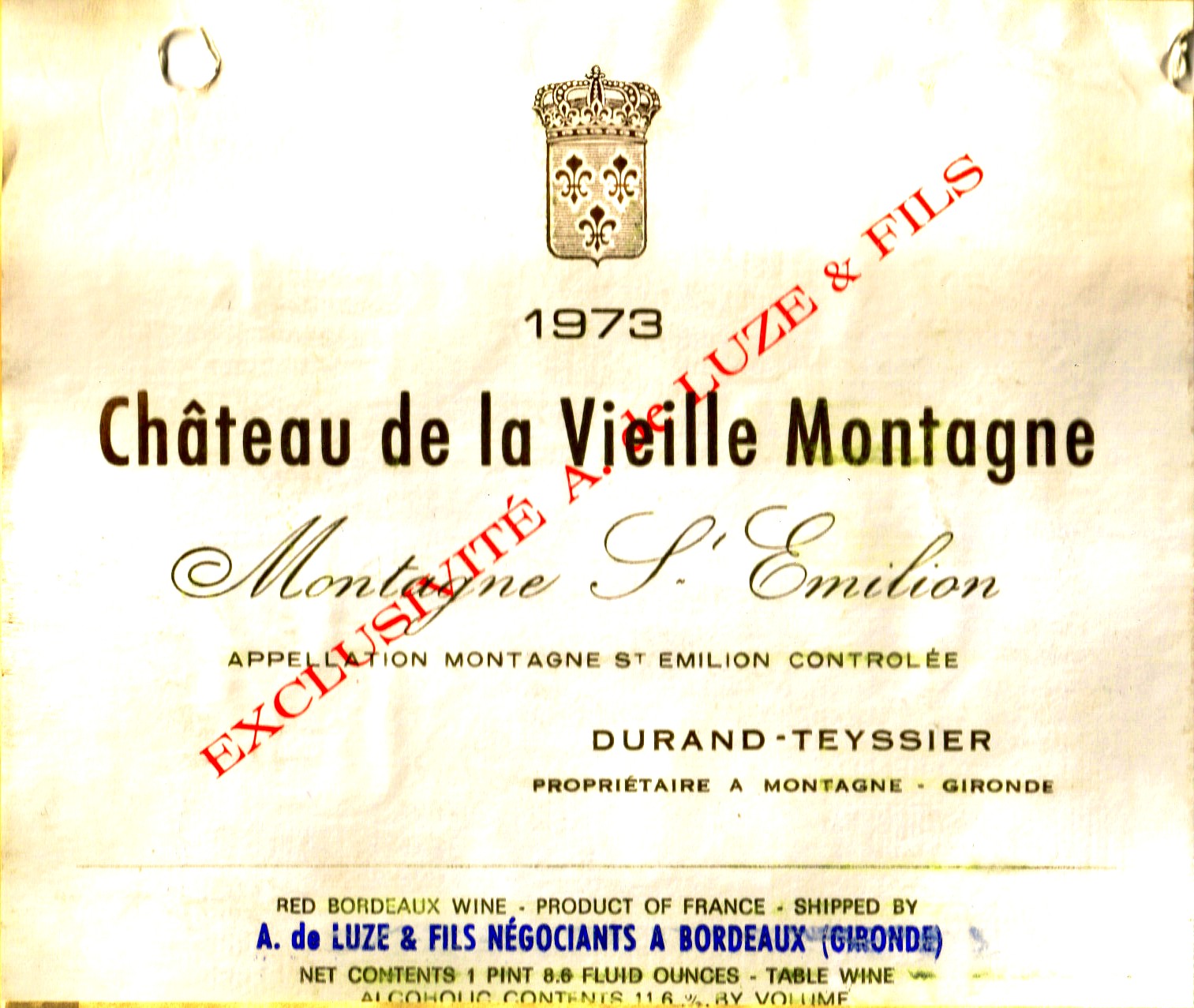
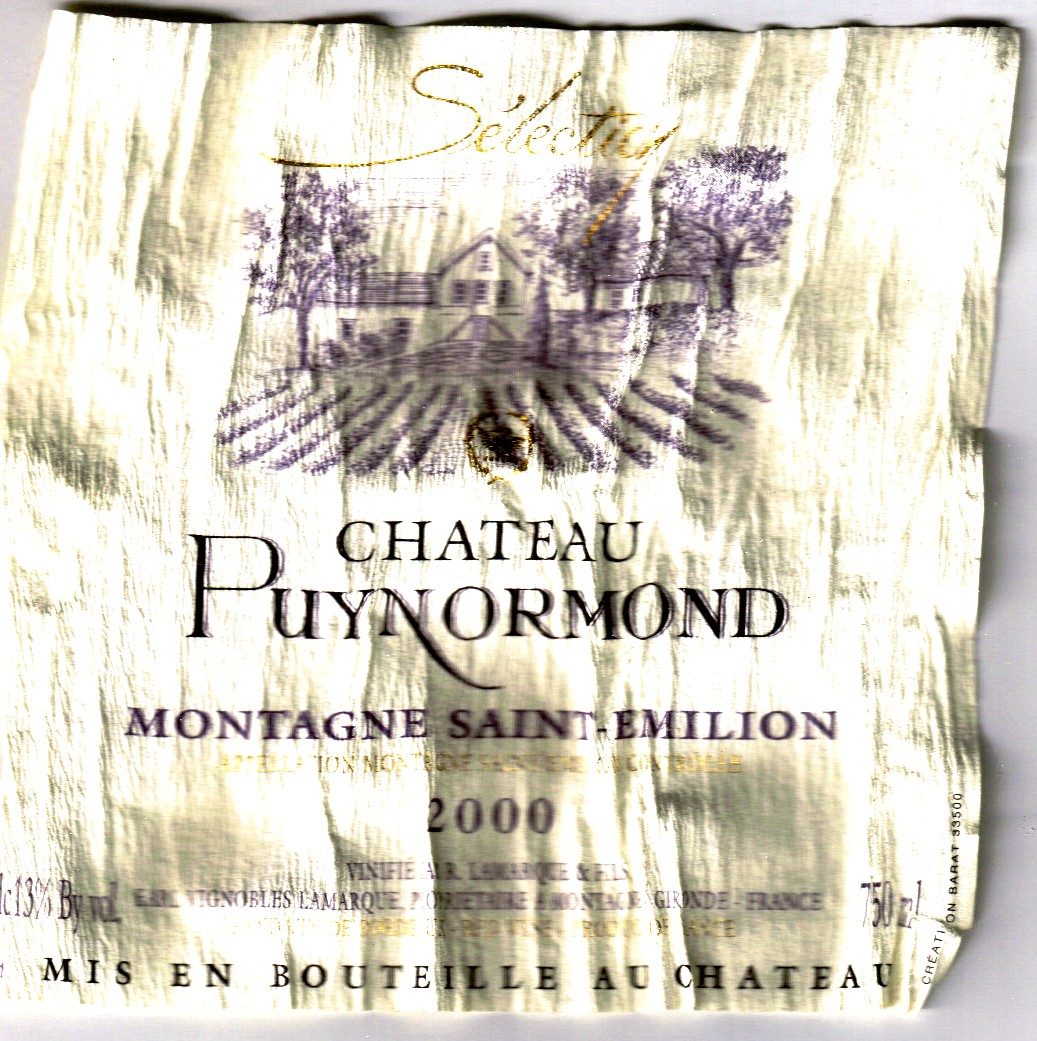
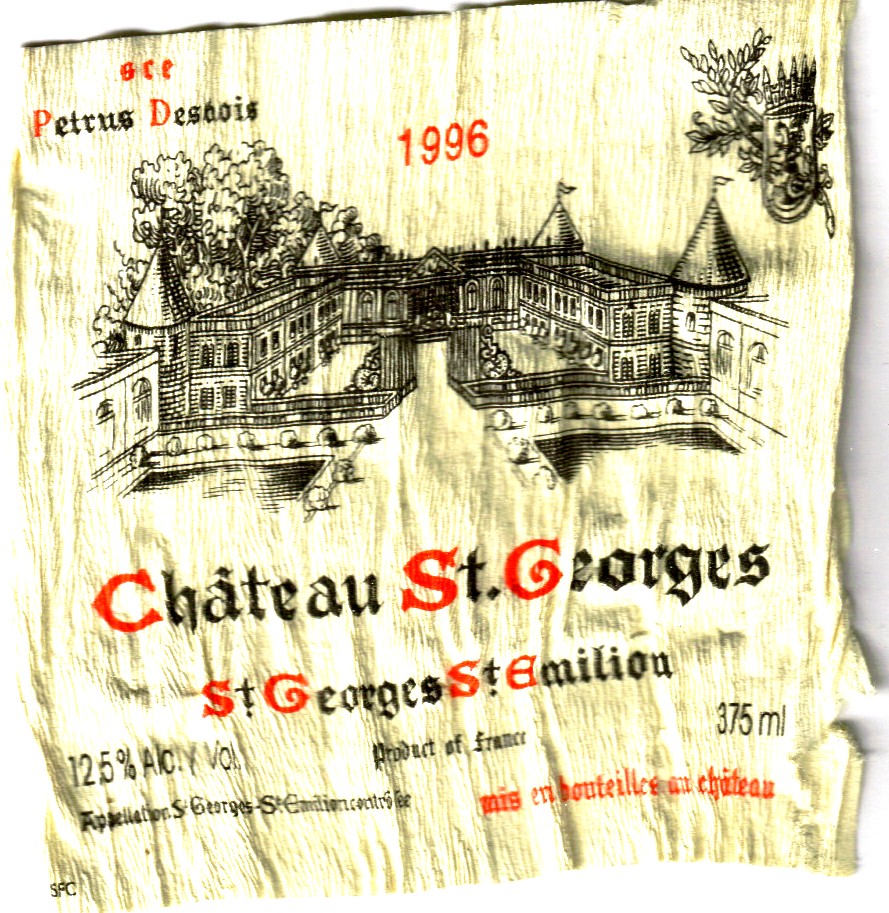
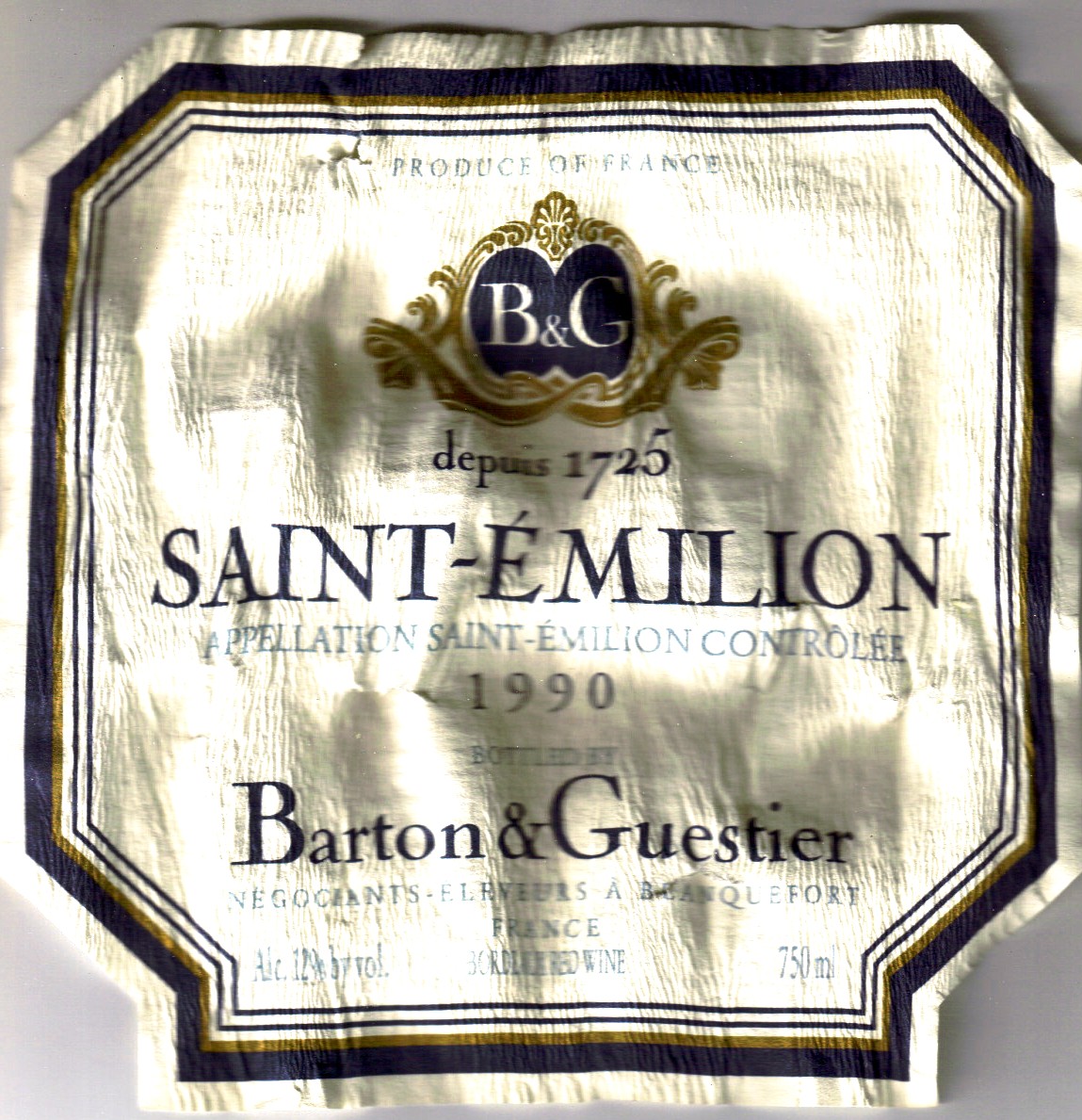
You may also look for some of the smaller communes that have appended Saint-Emilion to their Appelation Controlee.  Two of these are Sables-Saint-Emilion, Saint-Georges-Saint-Emilion and Montagne-Saint-Emilion.   Also look for the Negociants blended wines.


Sables-Saint-Emilion

Montage-Saint-Emilion


Saint-Georges-Saint-Emilion

Negociant Blends


Posted in Wine | Tagged , , | Leave a comment

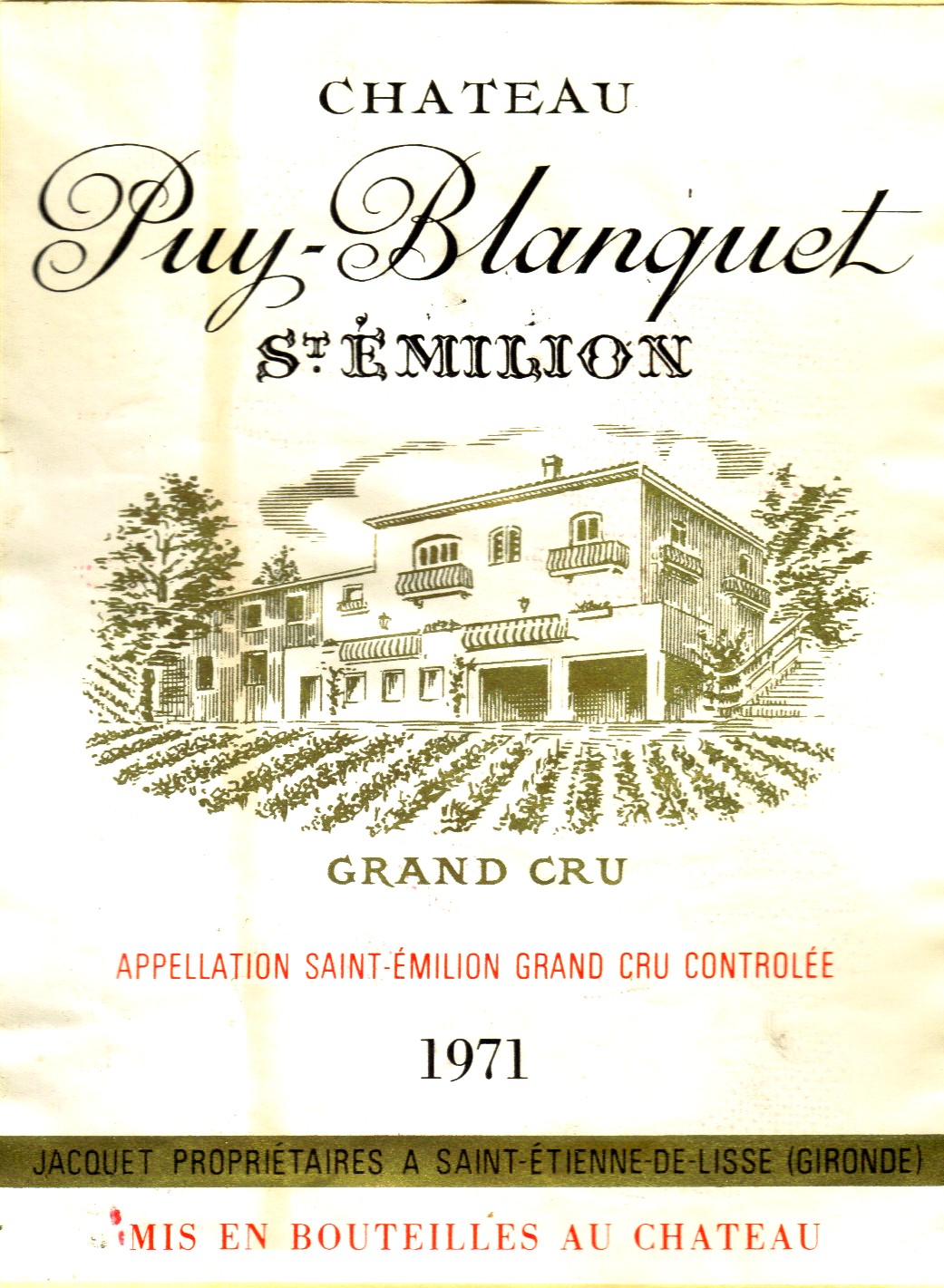
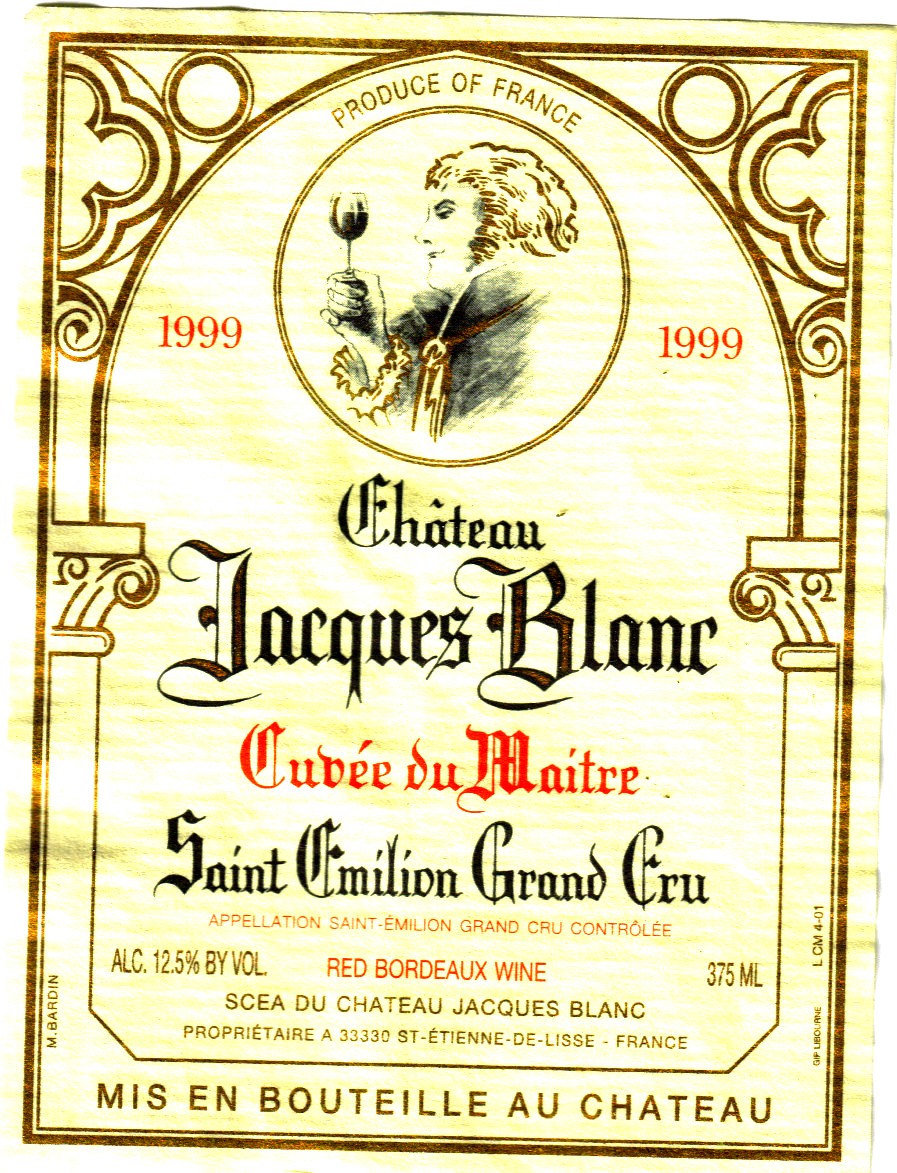
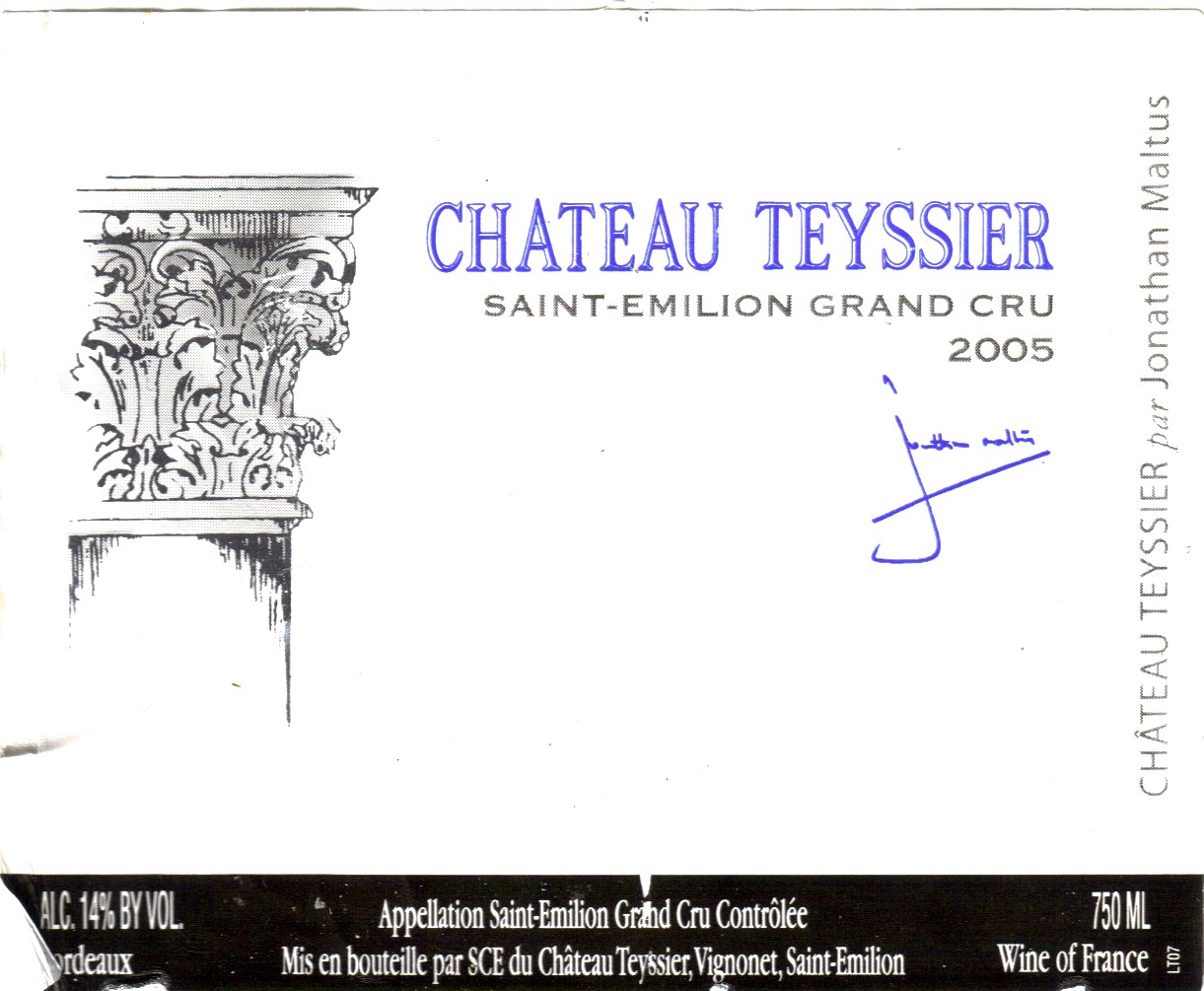
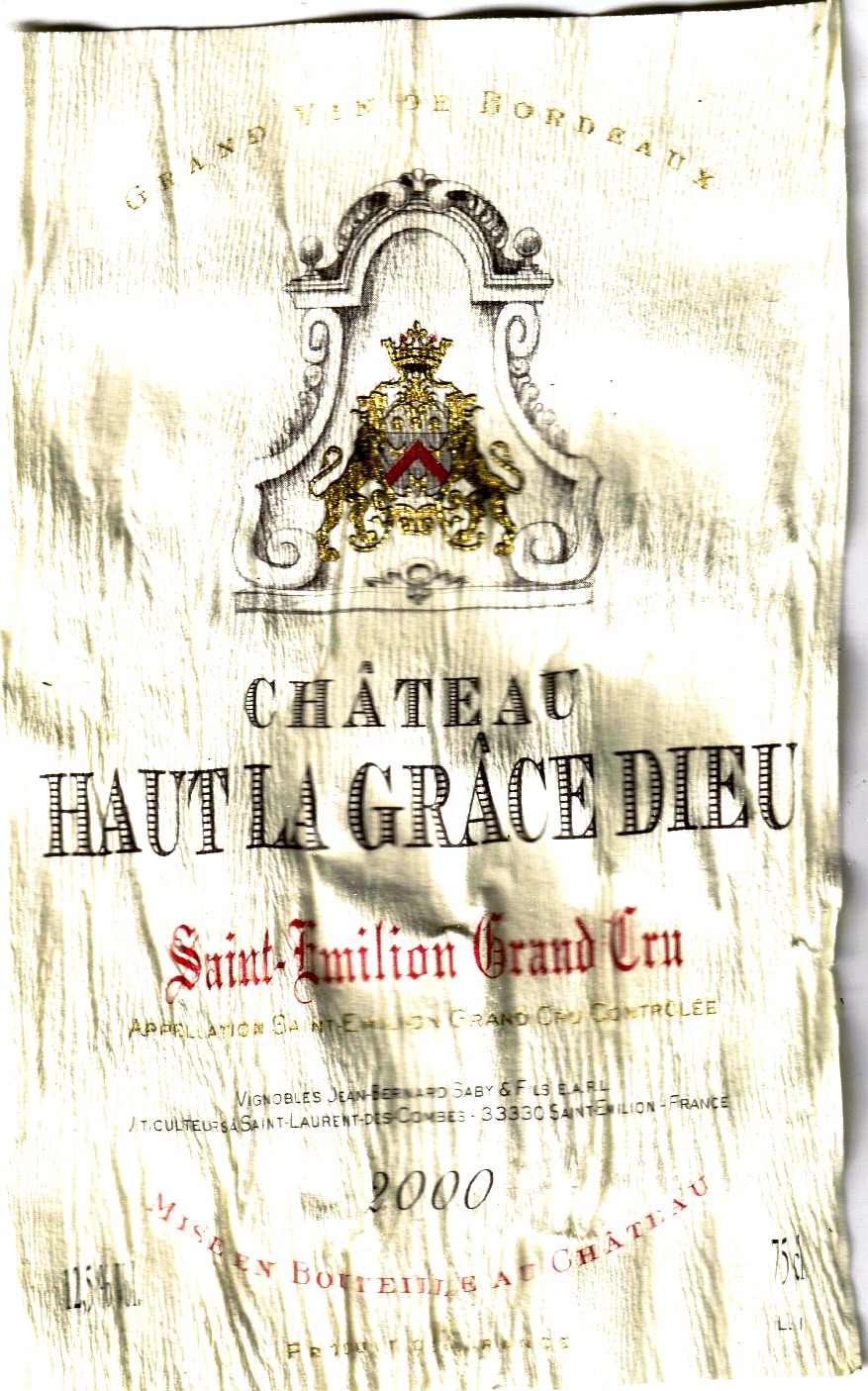
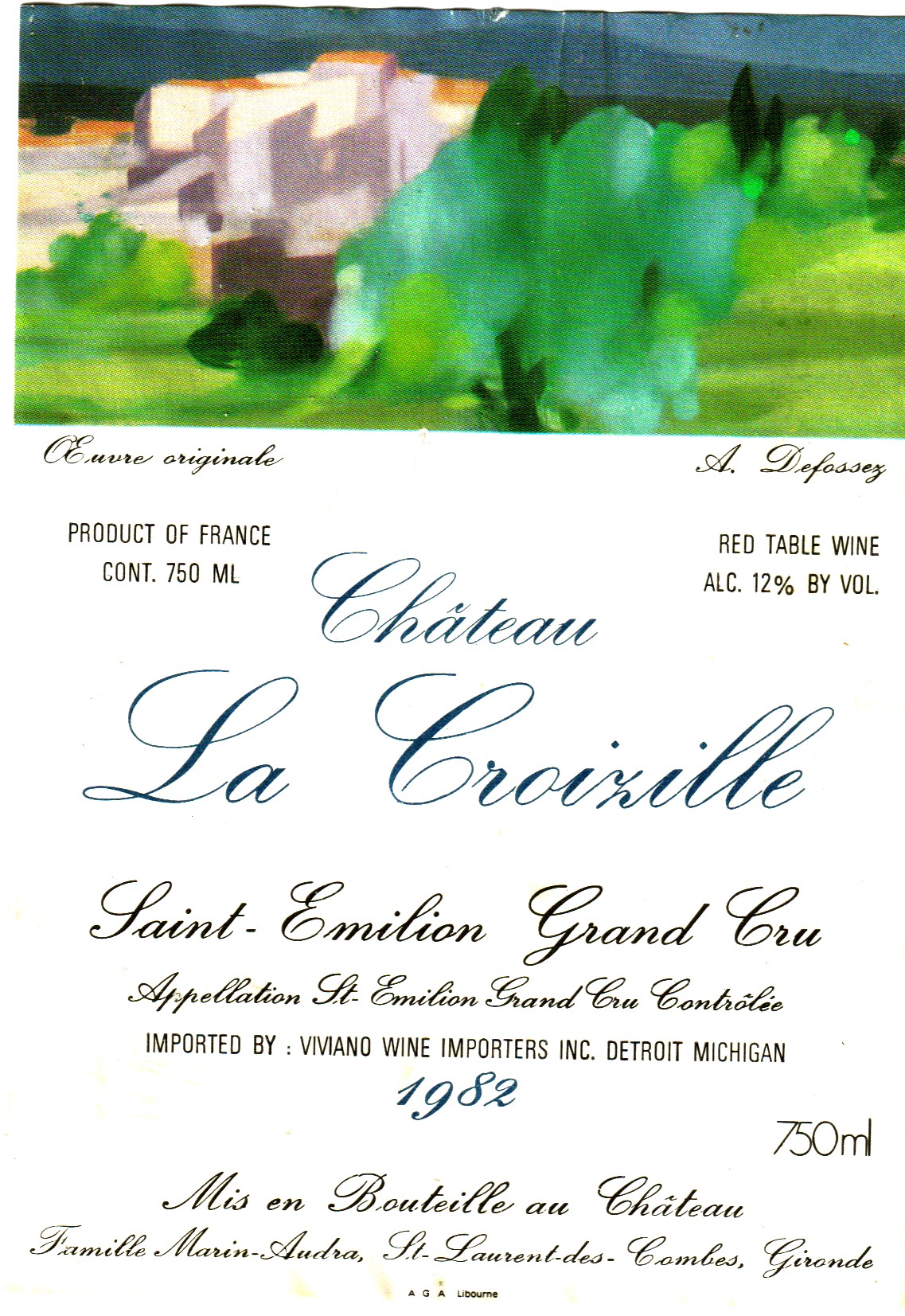
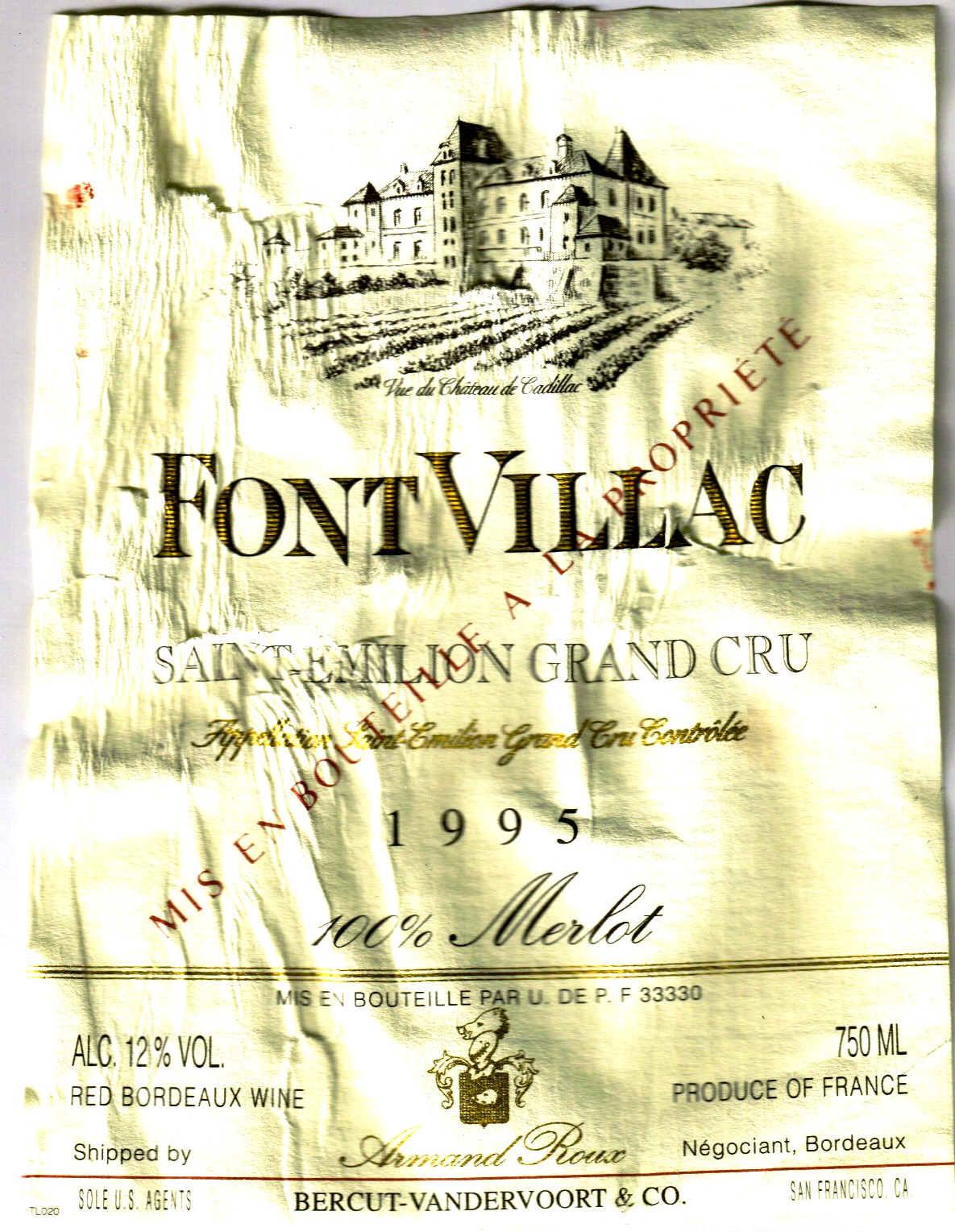
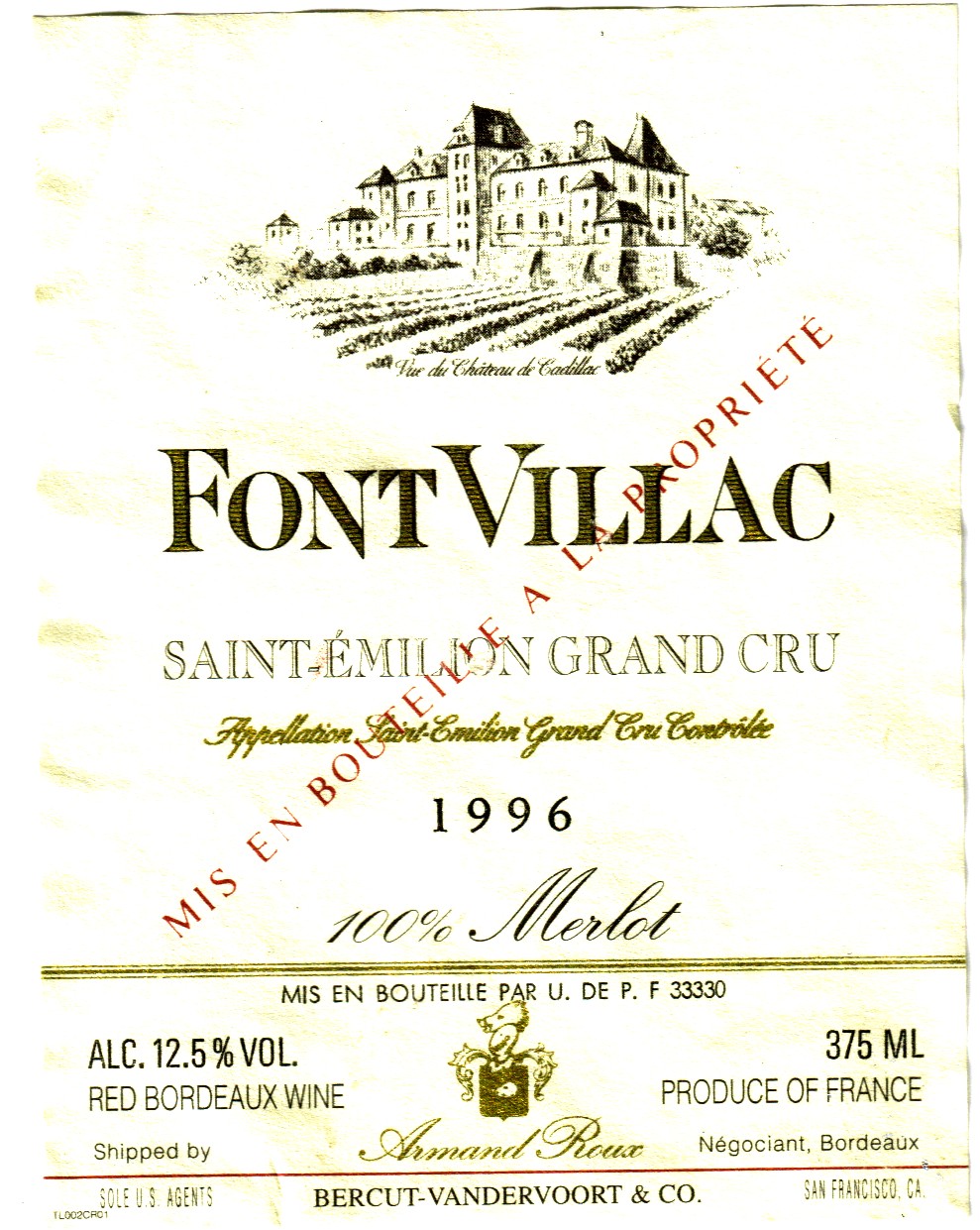
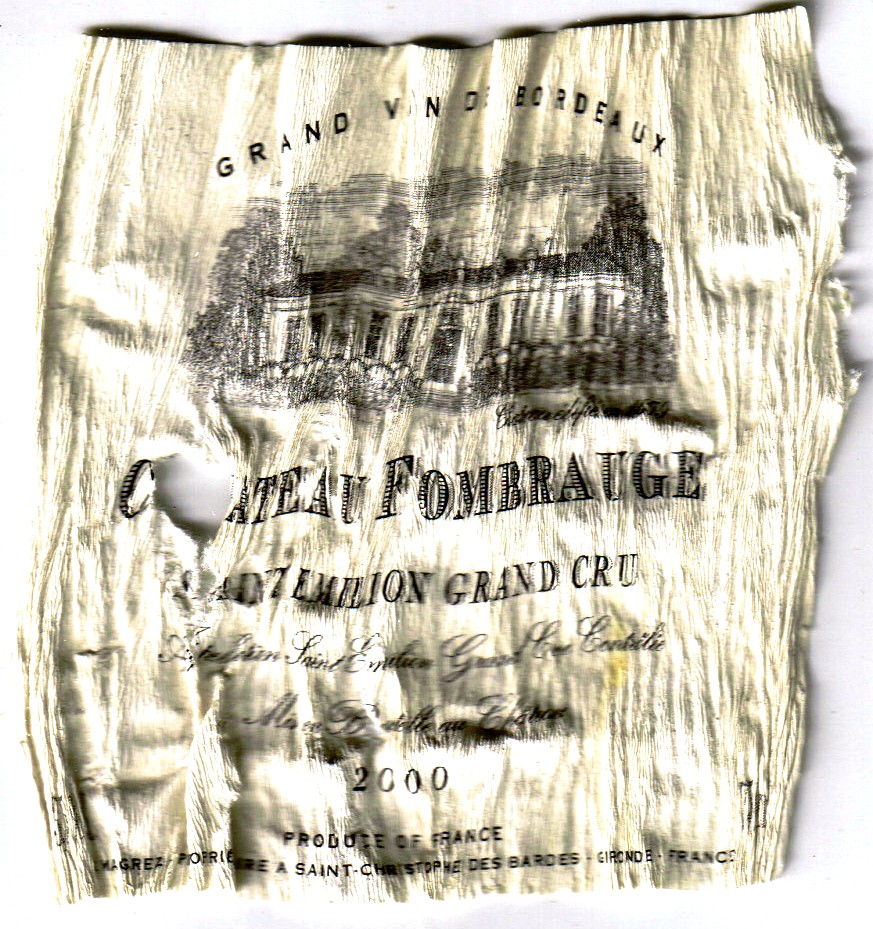
Saint-Emilion

This is one of the earliest “appellation” districts that I discovered and one of my favorites to this day.   It is still grouped under the umbrella of Bordeaux, but it tends to be more wallet-friendly and a great bang for the buck.  Saint-Emilion is referred to as the “Burgundy” of Bordeaux as it tends to be softer and suppler and it tends to age quicker than the Medoc.  Saint-Emilion also produces more wine than the Medoc, so it is a large area, which offers great flexibility and study, not to mention years of quality tasting and enjoyment.   That is not to say that the wines are cheap, the top two wines in the classification tend to rival the best of the Medoc both in quality and price.

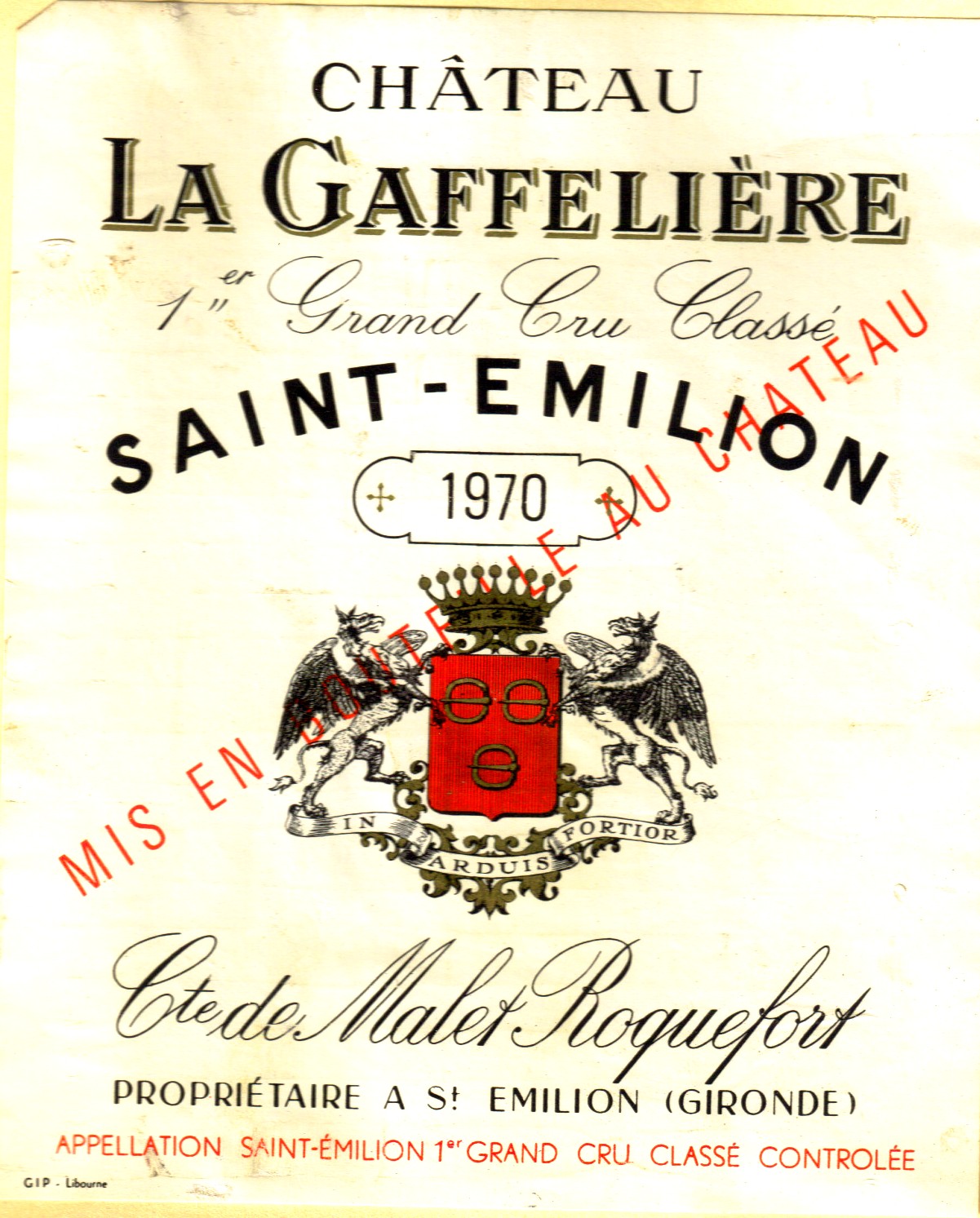
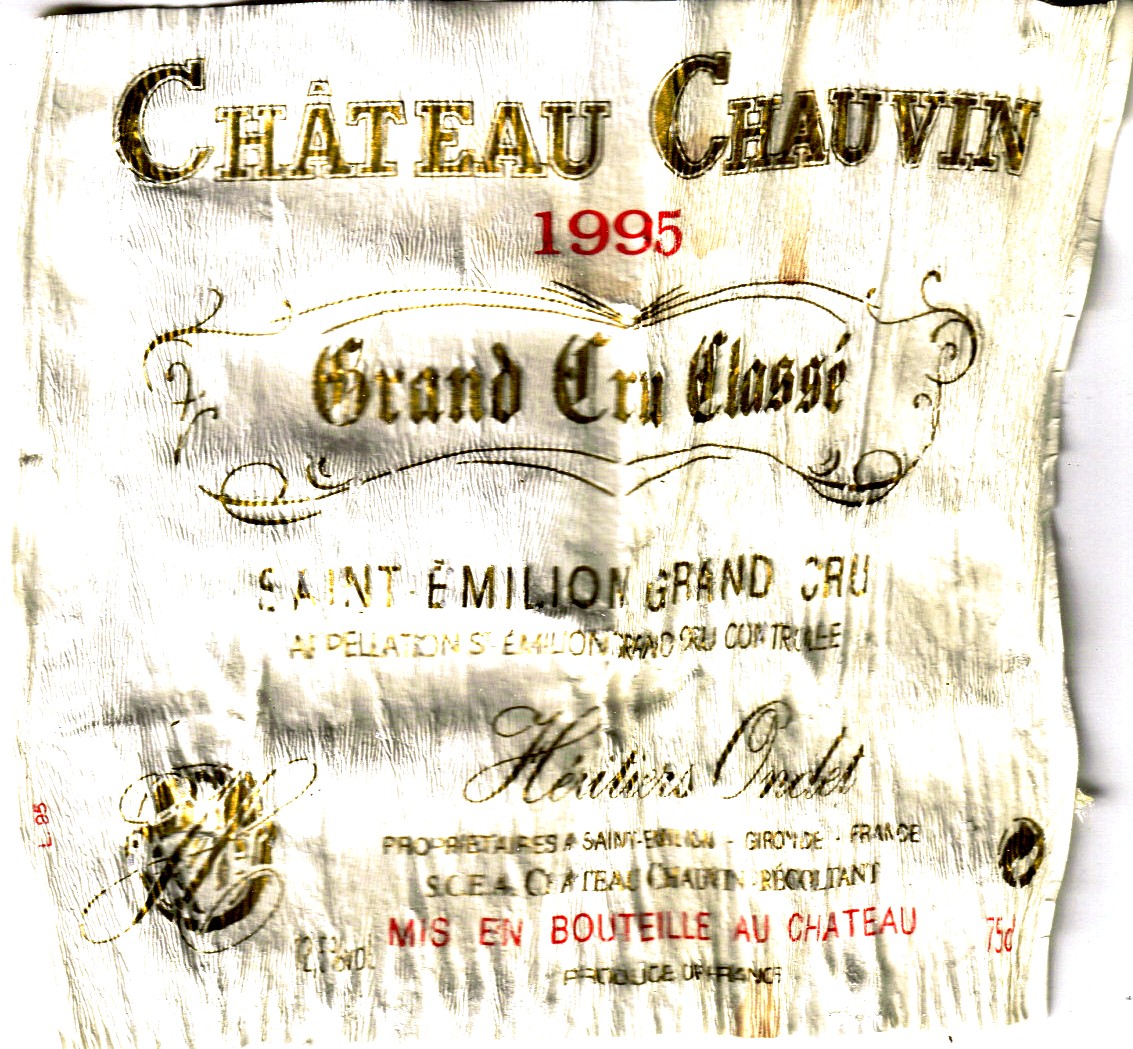
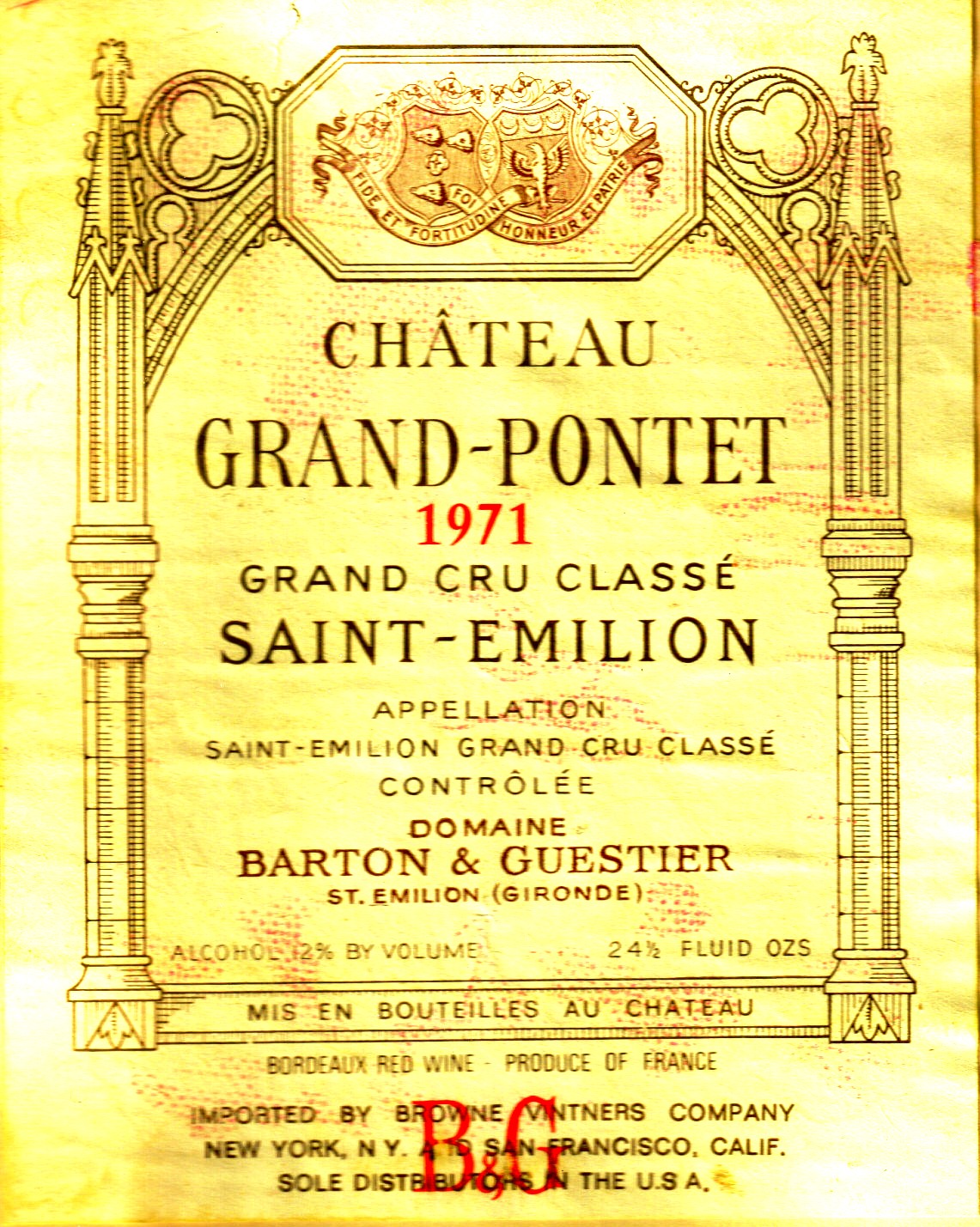
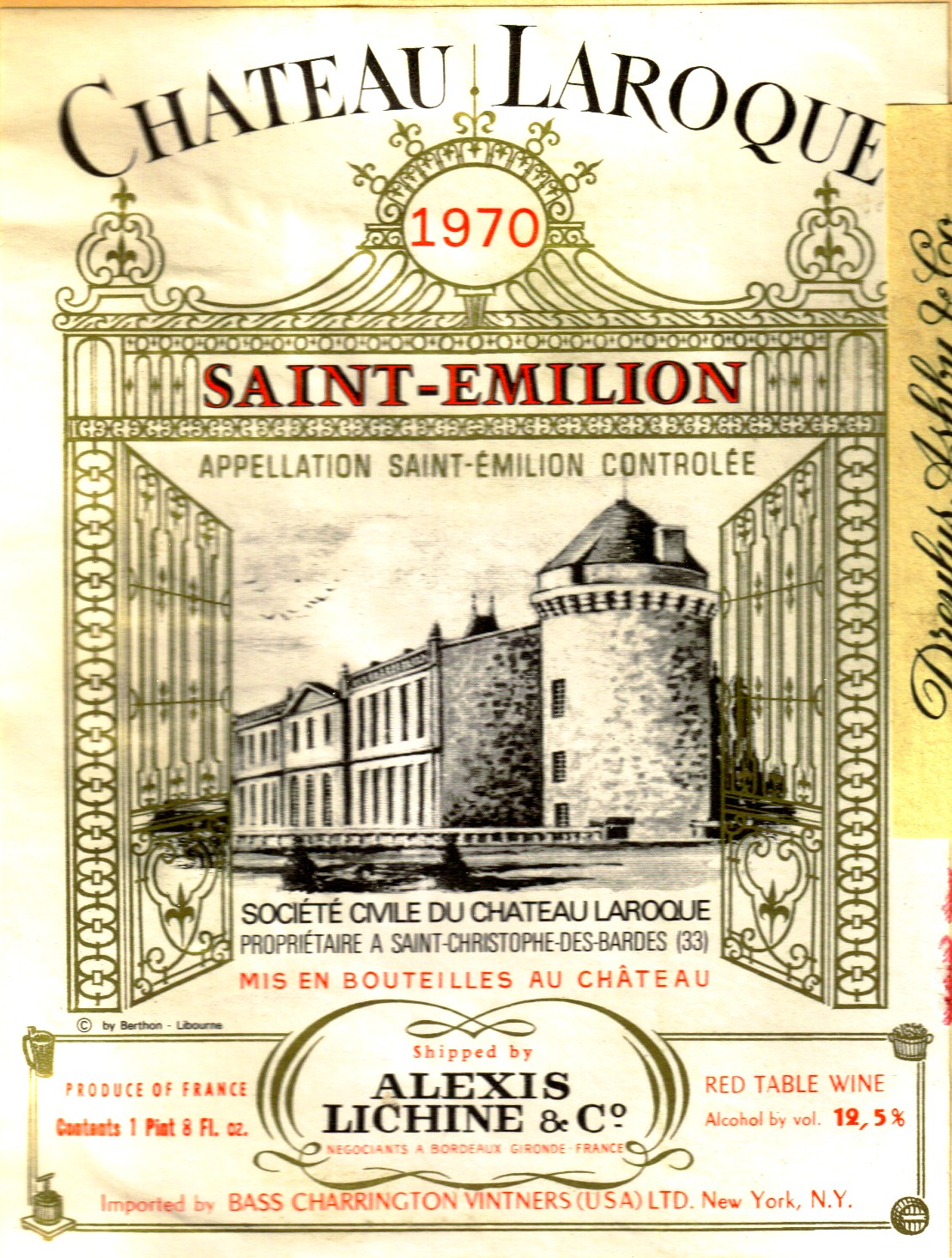
The wines were originally classified in 1955 then again in 1996 and once more in 2006.  Whether this is all from politics or not, I leave to pundits more informed than I.   The listings are Premiers Grands Crus Classes – A, Premiers Grands Crus Classes – B, Grands Crus Classes and then many unclassified properties that have the haughty accolade of Grand Cru.  This has been allowed through nuances in the “appellation” laws.  It does not infer a wine of great quality or special terroir but just another grouping in the gray shade of the rules.  There are also five small appellation controlee communes that have affixed Saint-Emilion to their designation.

I will break this listing into two entries, because there are a lot of wineries to be covered.  I think that you will find any of the wines of Saint-Emilion to be enjoyable and will enhance any meal that they are paired with.
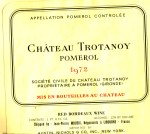
Premiers Grands Crus Classes – A

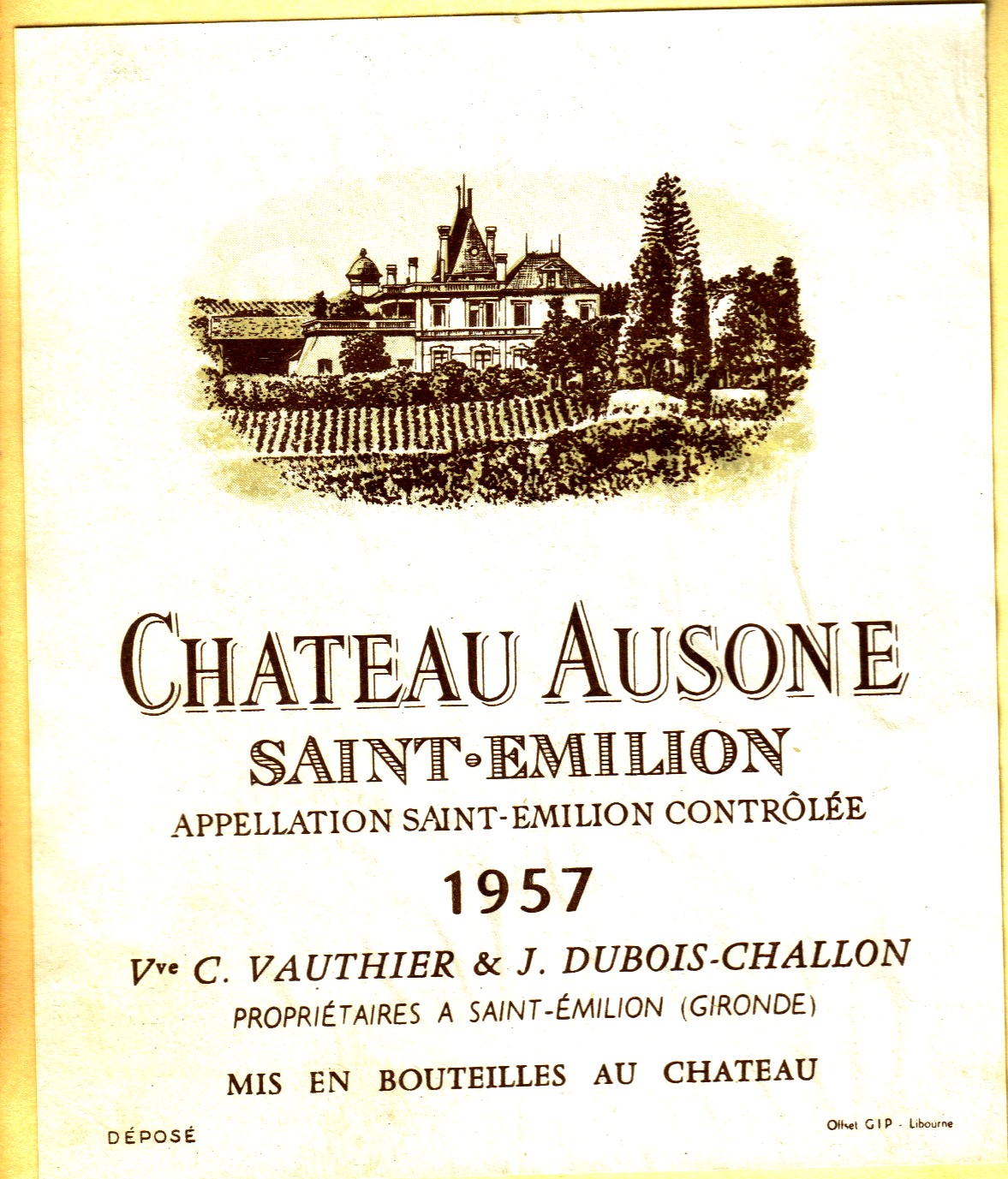
Chateau Ausone

Chateau Cheval-Blanc

Premiers Grands Crus Classes – B

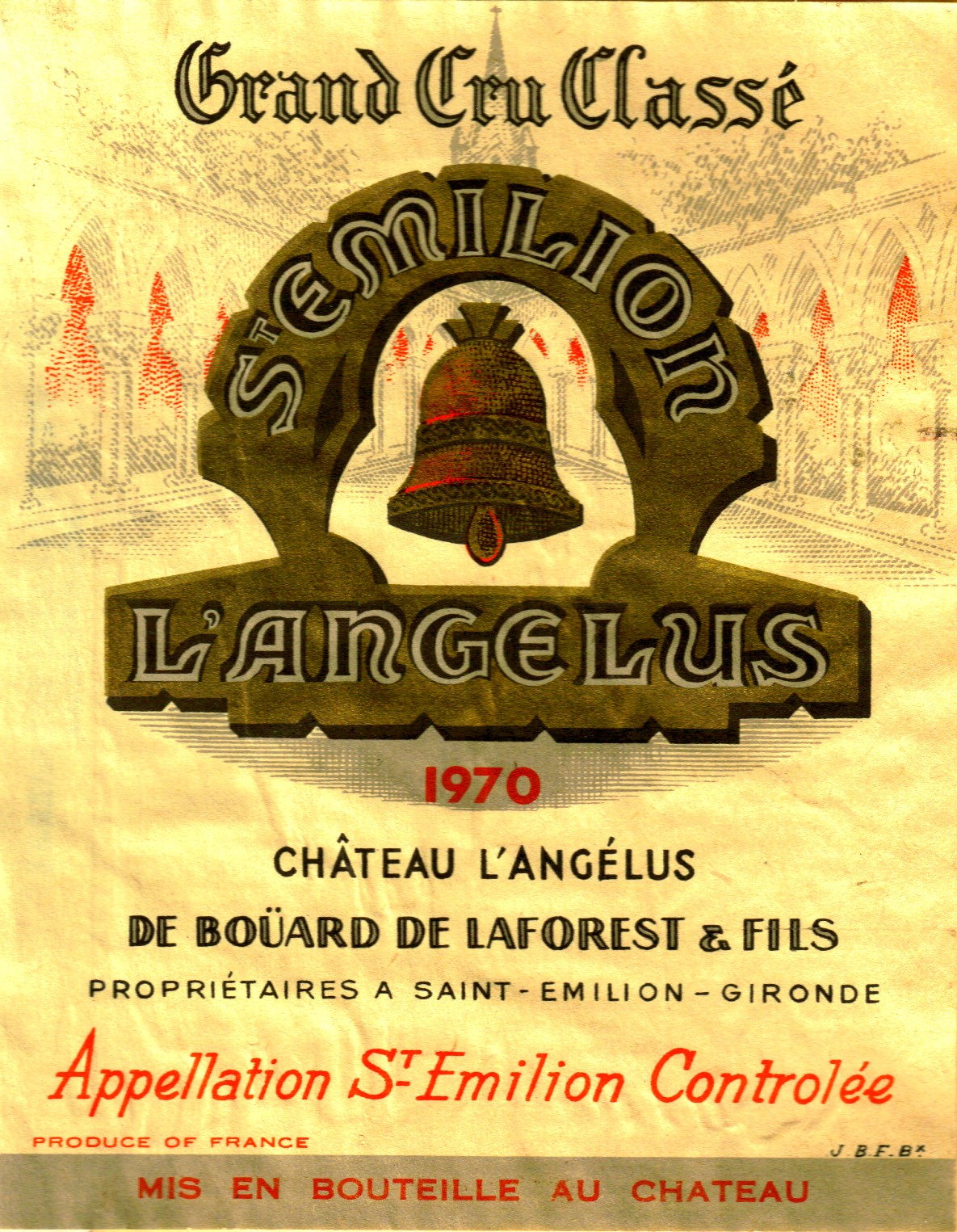
Chateau Angelus

Chateau Beau-Sejour Becot

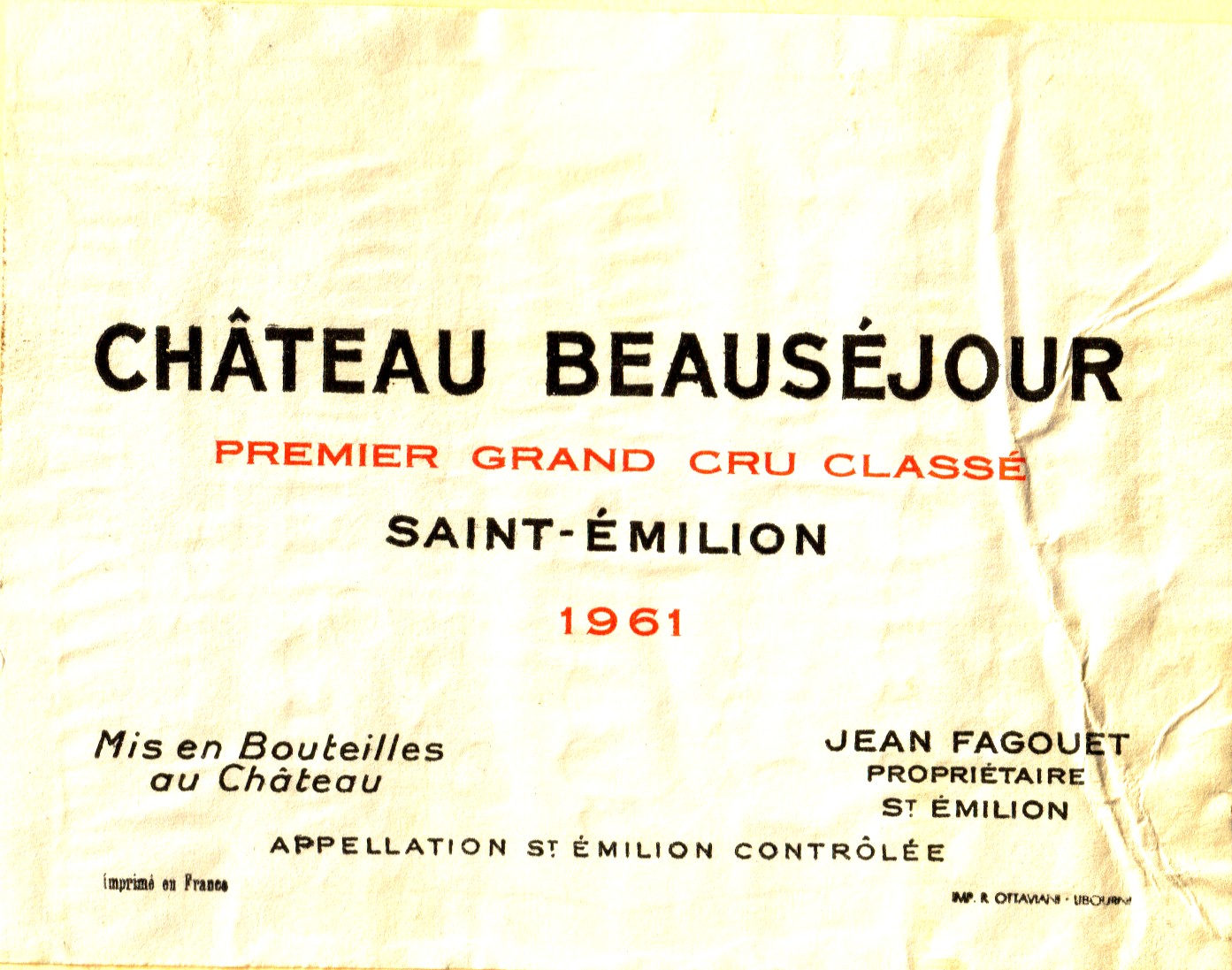
Chateau Beausejour (Duffau-Lagarrosse)

Chateau Belair-Monange

Chateau Canon

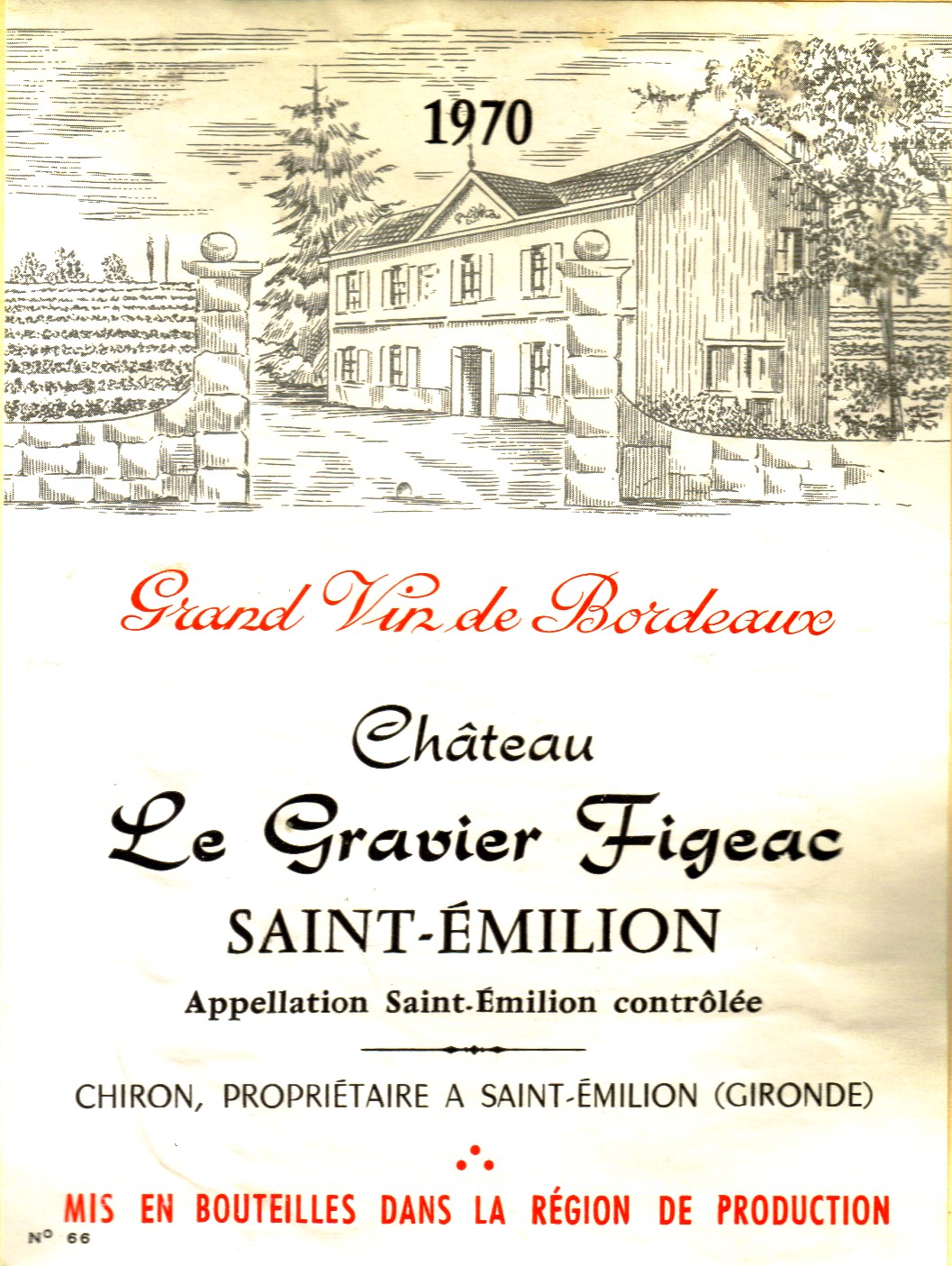
Chateau Figeac

Clos Fourtet

Chateau La Gaffeliere

Chateau Magdelaine

Chateau Pavie

Chateau Pavie-Macquin

Chateau Troplong-Mondot

Chateau Trottevieille

Grands Crus Classes

Chateau L’Arrosee

Chateau Balestard La Tonnelle

Chateau Bellefont-Belcier

Chateau Bellevue

Chateau Bergat

Chateau Berliquet

Chateau Cadet-Bon

Chateau Cadet-Piola

Chateau Canon-la-Gaffeliere

Chateau Cap-de-Mourlin

Chateau Chauvin

Chateau La Clotte

Chateau Corbin

Chateau Corbin-Michotte

Chateau La Couspaude

Convent des Jaacobins

Chateau Dassault

Chateau Destieux

Chateau La Dominique

Chateau Faurie-de-Souchard

Chateau Fleur-Cardinale

Chateau Fonplegade

Chateau Fonroque

Chateau Franc-Mayne

Chateau Grand-Corbin

Chateau Grand-Corbin-Despagne

Chateau Grand-Mayne

Chateau Grand-Pontet

Chateau Les Grandes-Murailles

Chateau Guadet St-Julien

Chateau Haut-Corbin

Chateau Haut Sarpe

Clos des Jacobins

Chateau Laniote

Chateau Larcis-Ducasse

Chateau Larmande

Chateau Laroque

Chateau Laroze

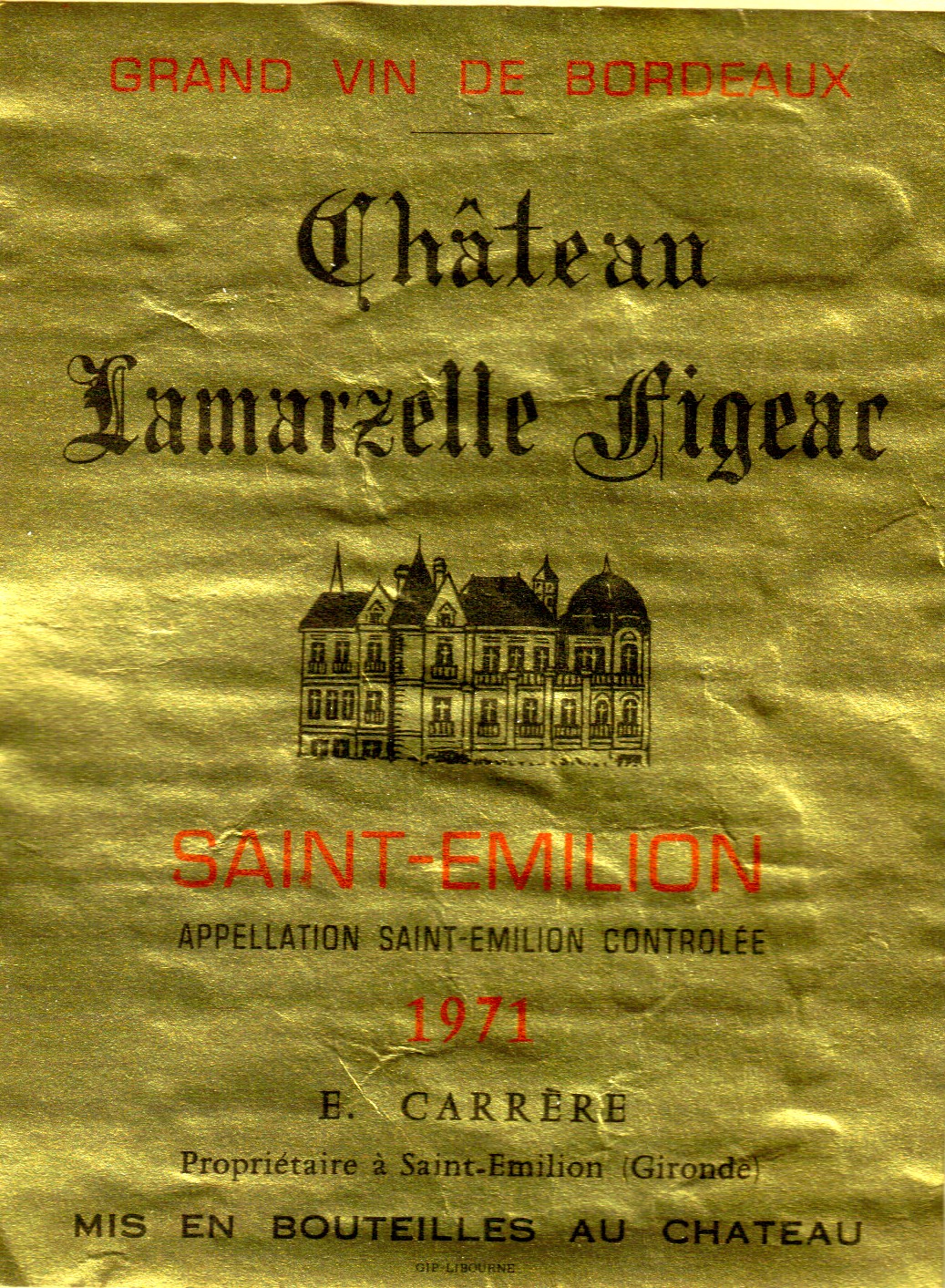
Chateau La Marzelle

Chateau Matras

Chateau Monbousquet

Chateau Moulin-du-Cadet

Clos de l’Oratoire

Chateau Pavie-Decesse

Chateau Petit-Faurie-de-Soutard

Chateau Le Prieure

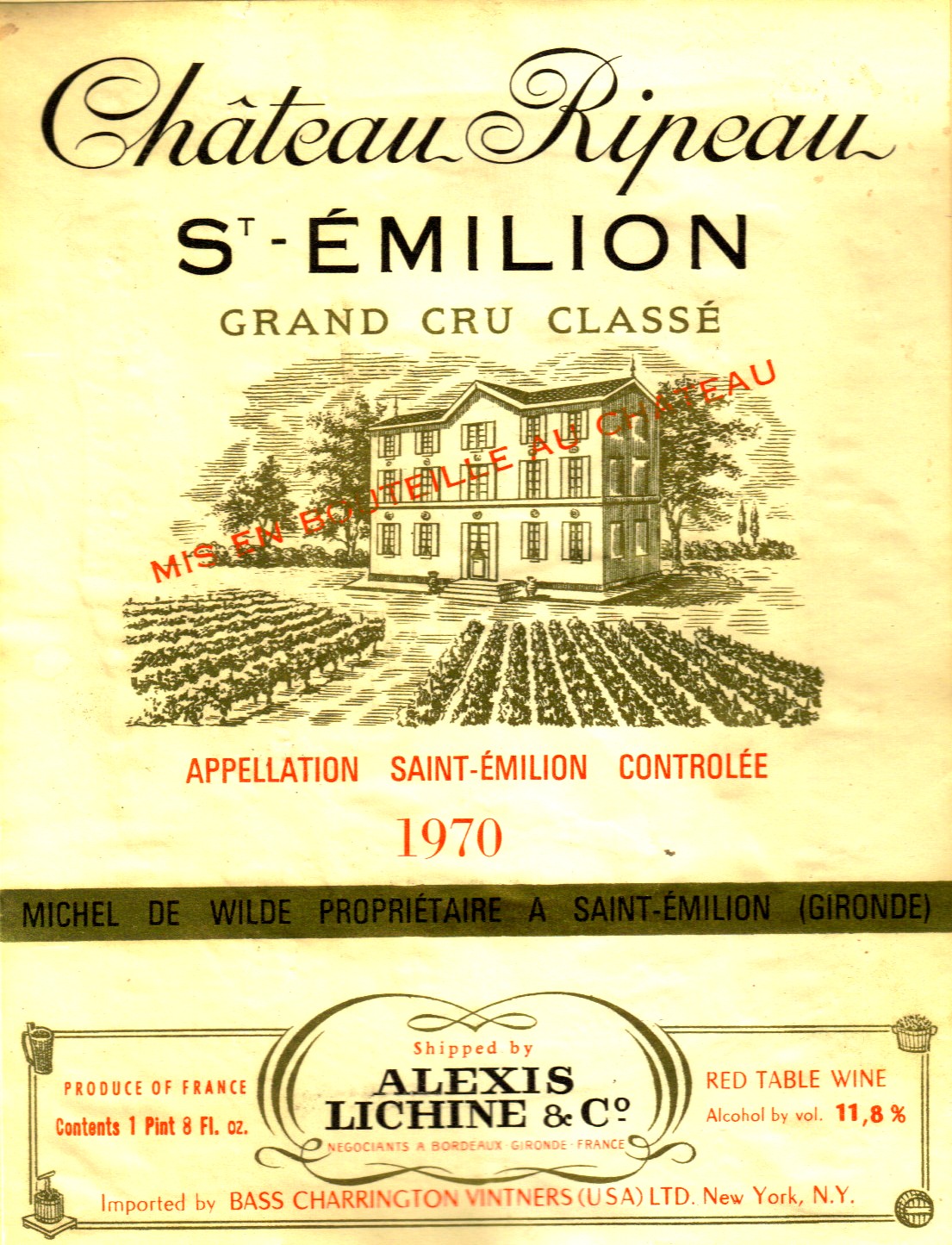
Chateau Ripeau

Chateau St-Georges-Cote-Pavie

Clos St-Martin

Chateau La Serre

Chateau Soutard

Chateau Tertre-Daugay

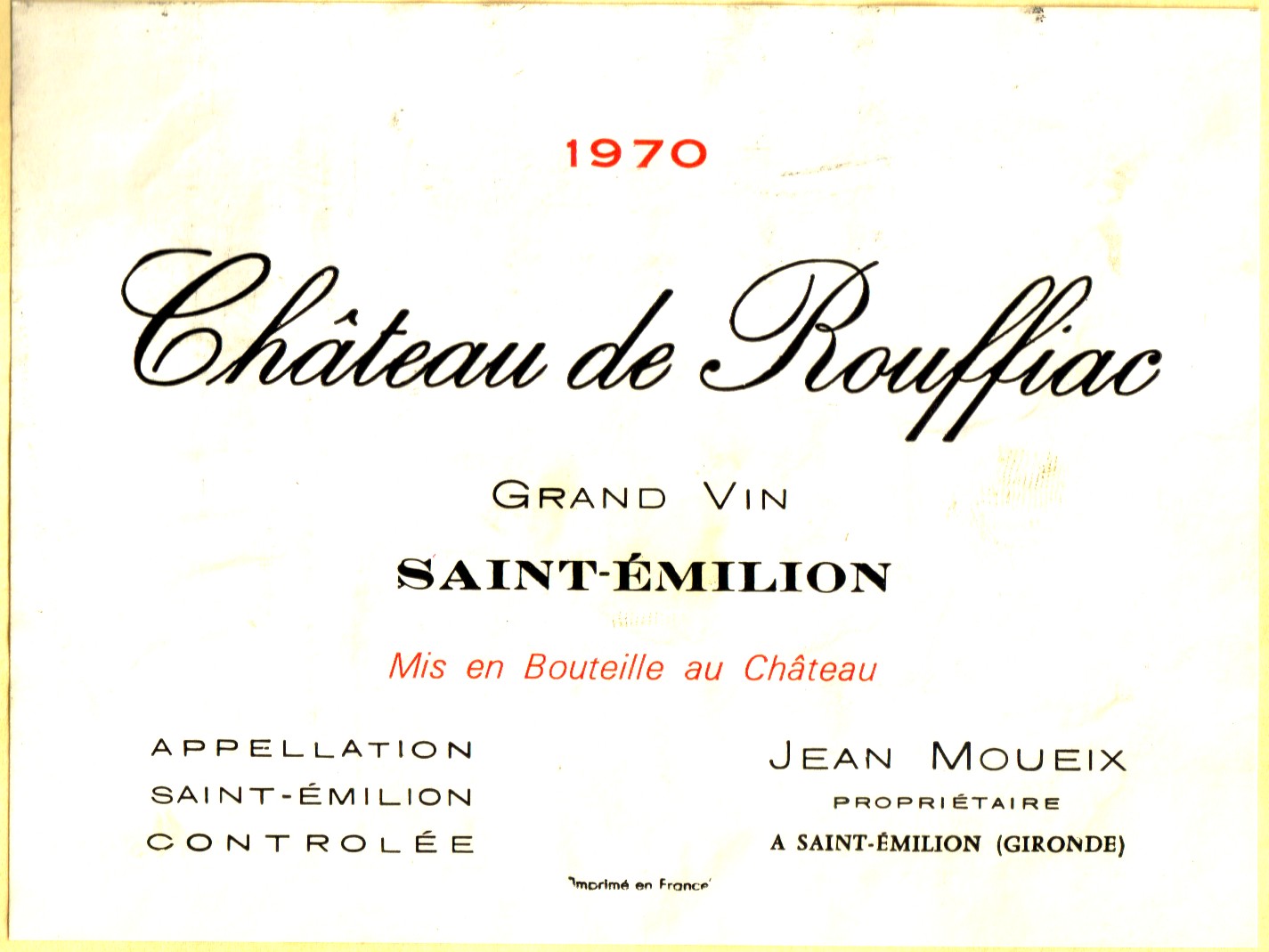
Chateau La Tour-du-Pin-Figeac (Moueix)

Chateau La Tour Figeac

Chateau Villemaurine

Chateau Yon-Figeac

Posted in Wine | Tagged , , | Leave a comment

Plymouth Art Fair

Here in Michigan there are numerous Art Fairs across the state. Some are very large like the Ann Arbor Art Fair, to very small community Art Fairs.  The Plymouth Art Fair is one of the largest in the state and is located right center in the Downtown area.  It encompasses several blocks included the park which is part of the Downtown.

My Bride and I went there for a leisurely evening to see the assorted art work and crafts being offered.  It is more for the enjoyment of looking as we no longer have any space on our walls for any additional art.  After all of these years, we have accumulated more art, then we can even show.
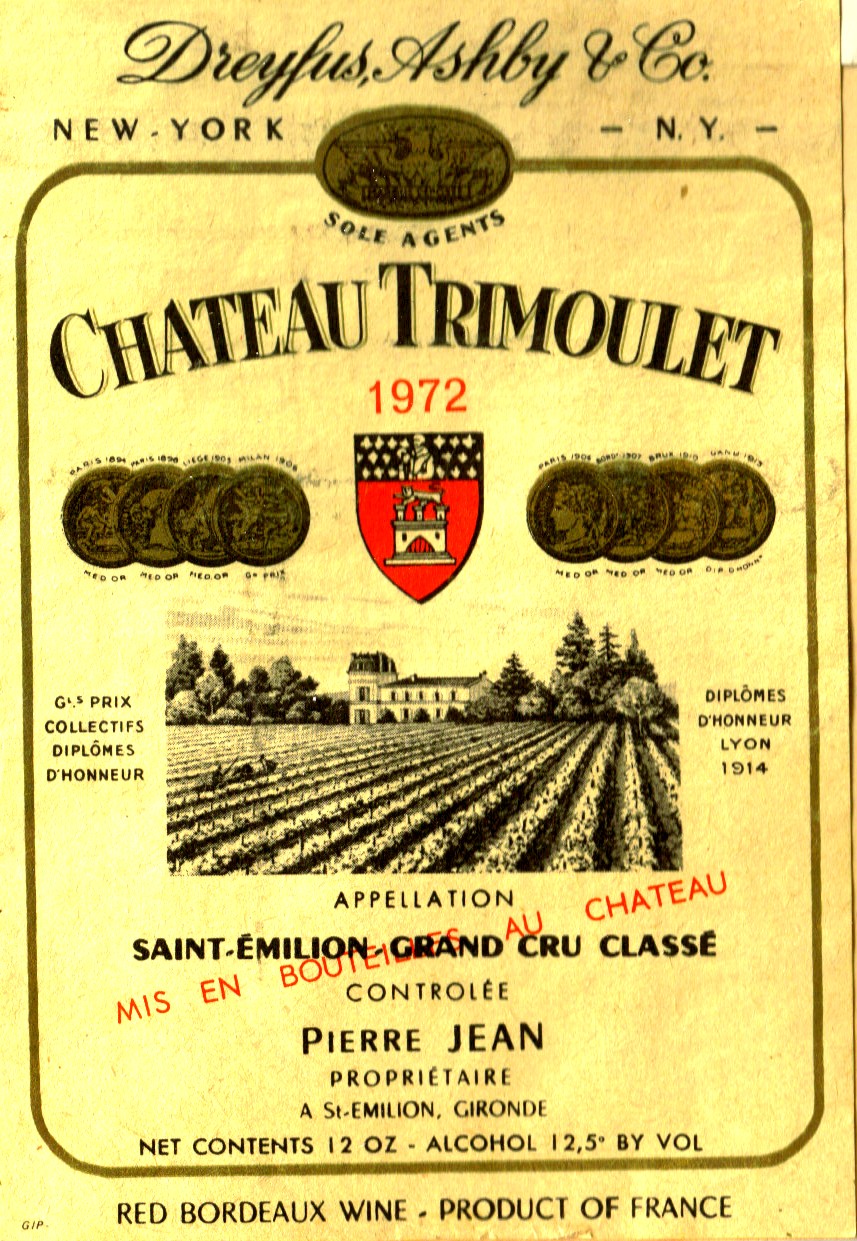
After walking the twelve blocks or so, of exhibits we decided to have dinner and make a night of it.  Plymouth has many restaurants, so that was not a problem; it was deciding which one to try.   There was a wine bar that had recently changed names and we had enjoyed stopping there for a glass or two of wine with some small plates to accompany the wine.  Since the change of names, the restaurant not only expanded the wine list, but the choices of dining as well.

Zin Wine Bar and Restaurant was doing a brisk business that evening, in spite of the heat wave that our area has endured recently.  We sat down, and had some much needed ice water and started looking at the menu and the wine list.   The meal aspect was quite easy to select as my Bride had opted for a “Michigan Spinach Salad” and a Seafood Ceviche; and I chose the Duck Confit.  There were many wines that were being served by the glass or by the bottle, and they also offered a “tasting pour.”  I do like a Viognier wine, but I decided to try a “taste” prior to ordering a bottle of it.  When it came, the flowery nose of the wine was stronger then I wanted for the dishes that were going to come.  Since we were still cooling down from the weather I opted for a bottle of Crossroads Sauvignon Blanc from Marlborough.  It was chilled properly and had that crispness that was just right for the food and to help us cool down.

After a fine meal, our server suggested a dessert and we decided to try two options.  One was a chocolate mousse that was flash frozen using Nitrogen gas, so that it started crispy and as it warmed it became even creamier.  The other dessert was a “Beggars Purse” which was a pastry puff filled with a lemon mascarpone filling.  We were impressed by both and couldn’t decide which of the two the better choice was.  I would also be remiss if I didn’t mention that the quality of the service was excellent.  We look forward to trying “Zin” again.

Posted in Wine | Tagged , , , | 3 Comments

Graves and Graves Superieures

This district adjacent to the city of Bordeaux and the original area that the term Claret referred to, as it is older than the Medoc for winemaking and wineries.   This area is also known for making white wines as well as red wines.  The Graves District (whose name is derived from the gravelly soil) has wines listed as Graves and Graves Superieures.   Just as in the basic listing of Bordeaux wines, the only difference is the alcohol degree.

The wines were classified in 1953 and then again in 1959.  There was no ranking, just a classification of Crus Classes (Classified Growths) for both red and white wines.  Even though there are no rankings Chateau Haut-Brion is considered in the same ranks as the First Growths of the Medoc.

Crus Classes (Classified Growths)

Red Wines

Chateau Bouscaut

Chateau Carbonnieux

Domaine de Chevalier

Chateau de Fieuzal

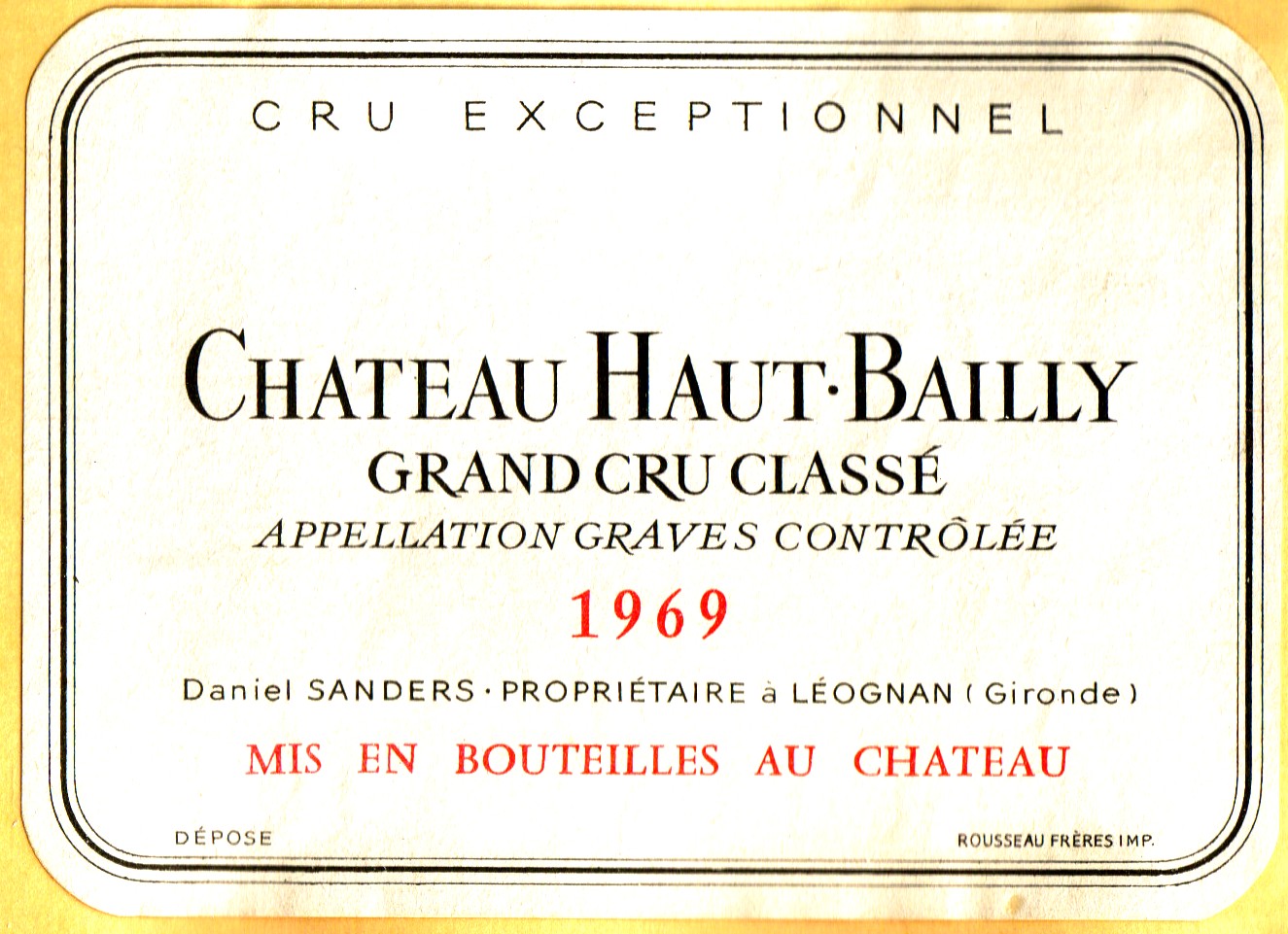
Chateau Haut-Bailly

Chateau Haut-Brion

Chateau La Mission-Haut-Brion

Chateau La Tour-Haut-Brion

Chateau Kressmann La Tour

Chateau Malartic-Lagraviere

Chateau Olivier

Chateau Pape Clement

Chateau Smith-Haut- Lafitte

White Wines

Chateau Bouscaut

Chateau Carbonnieux

Domaine de Chevalier

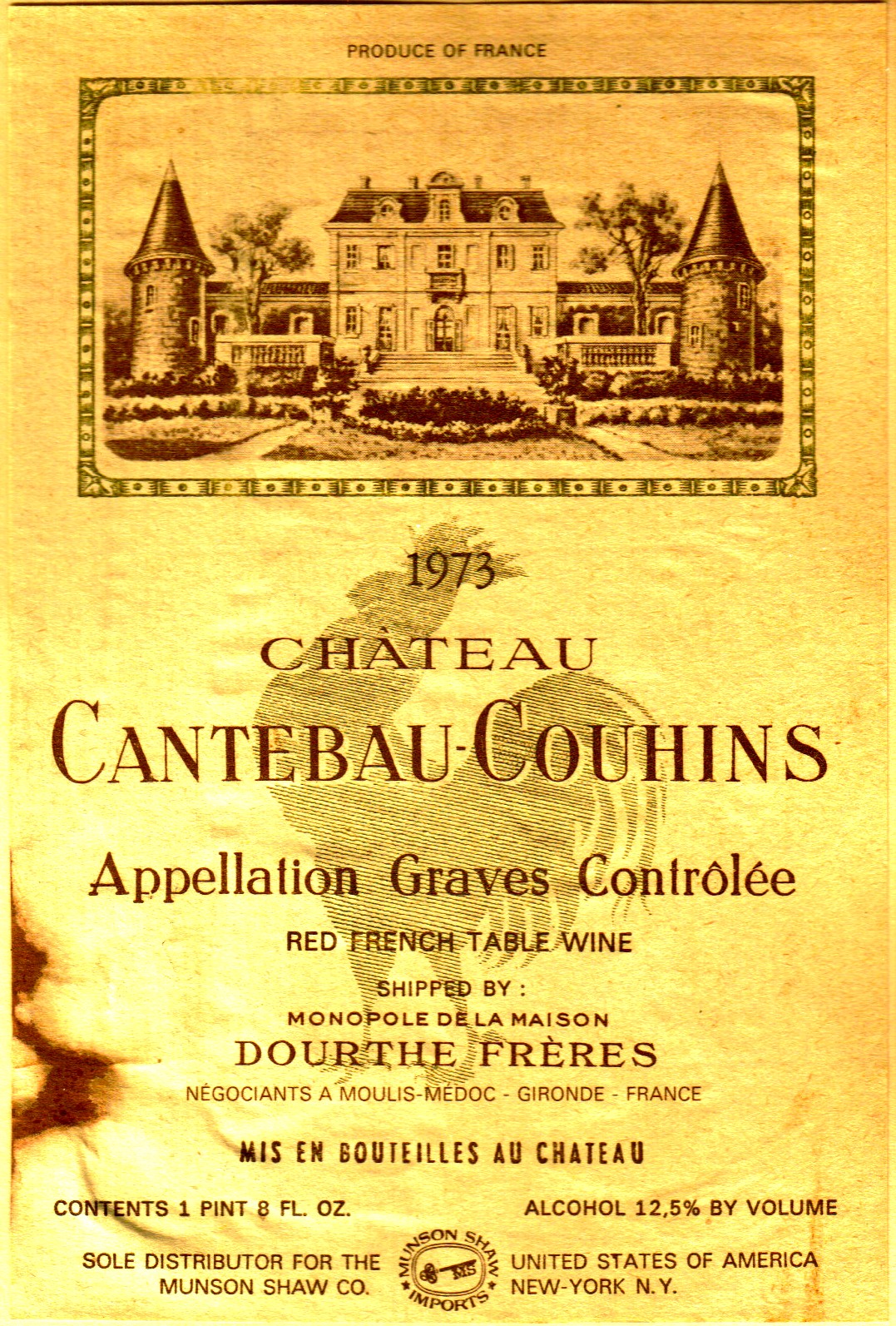
Chateau Couhins

Chateau Haut-Brion

Chateau Kressmann La Tour

Chateau Laville-Haut-Brion

Chateau Malartic-Lagraviere

Chateau Olivier

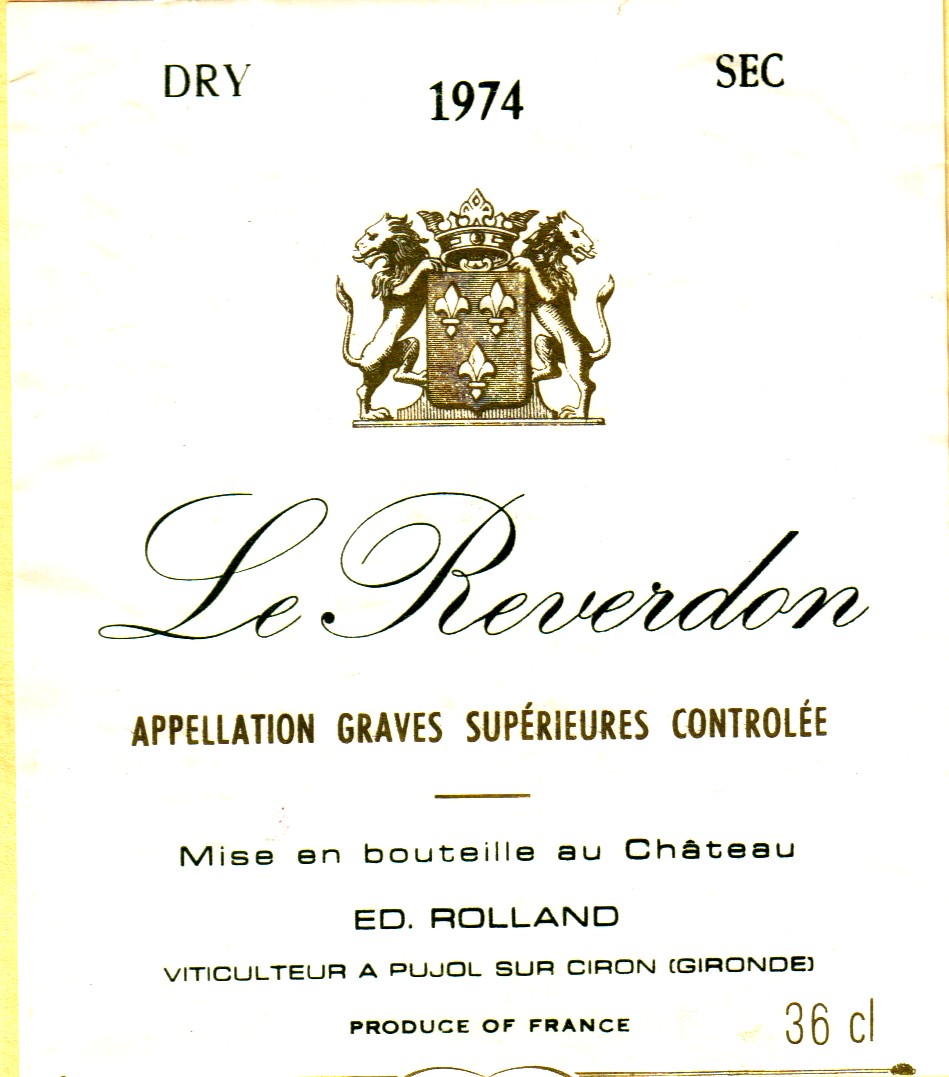
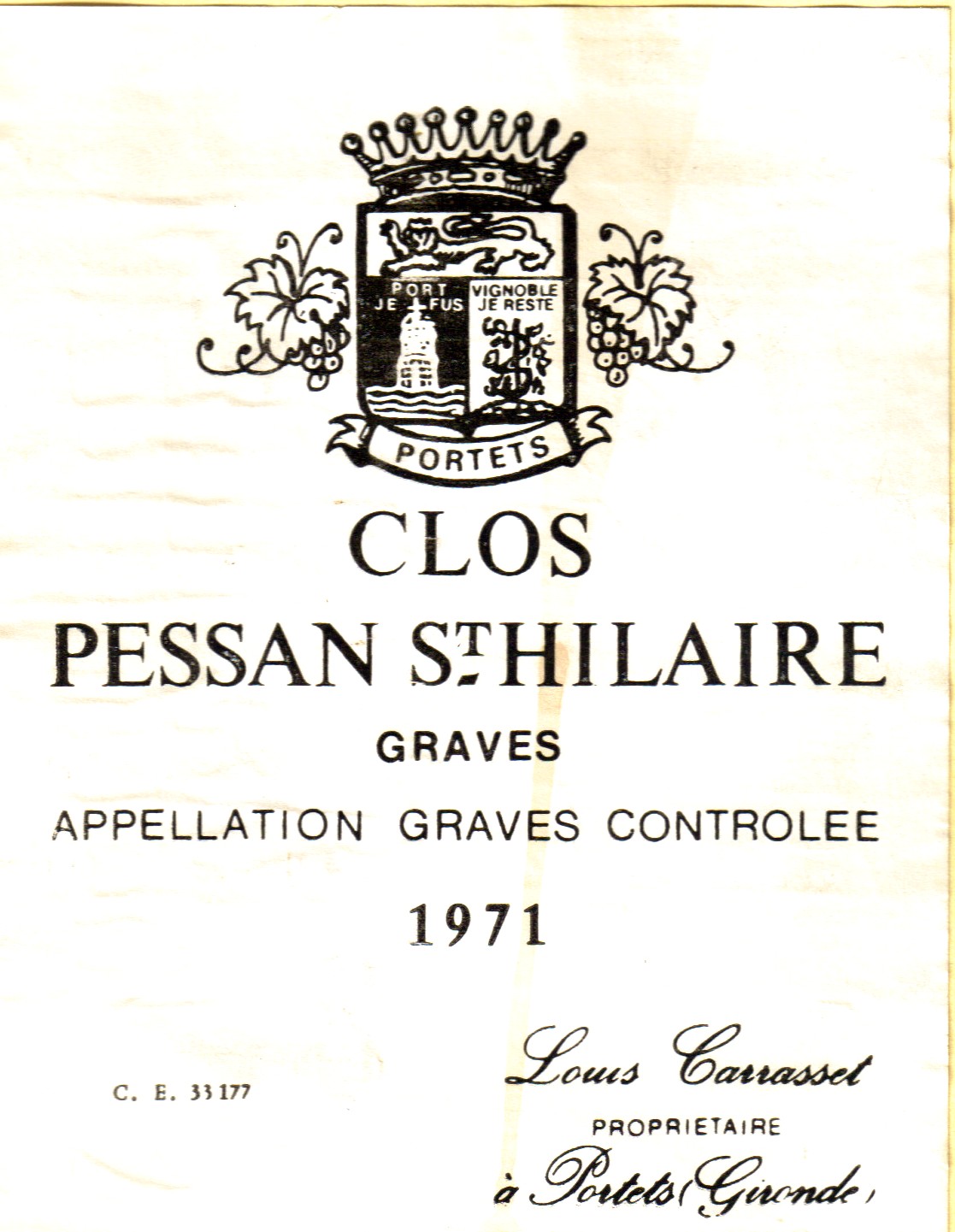
Some of the Graves Superieures and Graves Petite Chateaus and Negociants blended wines.


Posted in Wine | Tagged , , | Leave a comment

Saint-Julien

We come to the final entry on the great Communes of the Medoc, in the Bordeaux region. Saint-Julien has eleven classified chateaus in the confines of its borders.   These wines are known for their softness and suppleness.   They are also known to mature quicker than the wines from other Communes.

Here are the wines from the 1855 Classification of the Medoc

Deuxiemes Crus (Second Growths)

Chateau Leoville-Las-Casas

Chateau Leoville-Poyferre

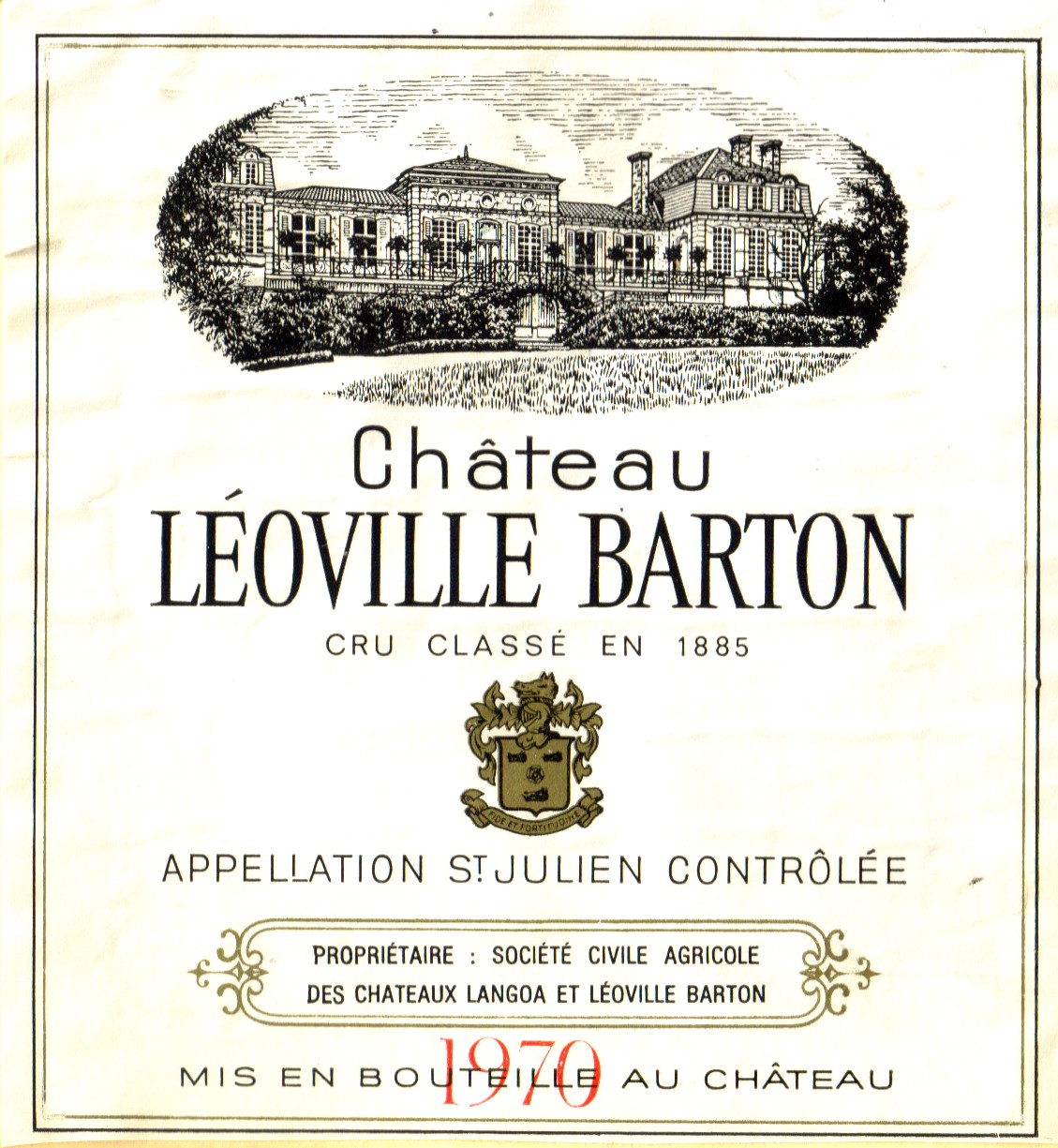
Chateau Leoville-Barton

Chateau Gruaud-Larose

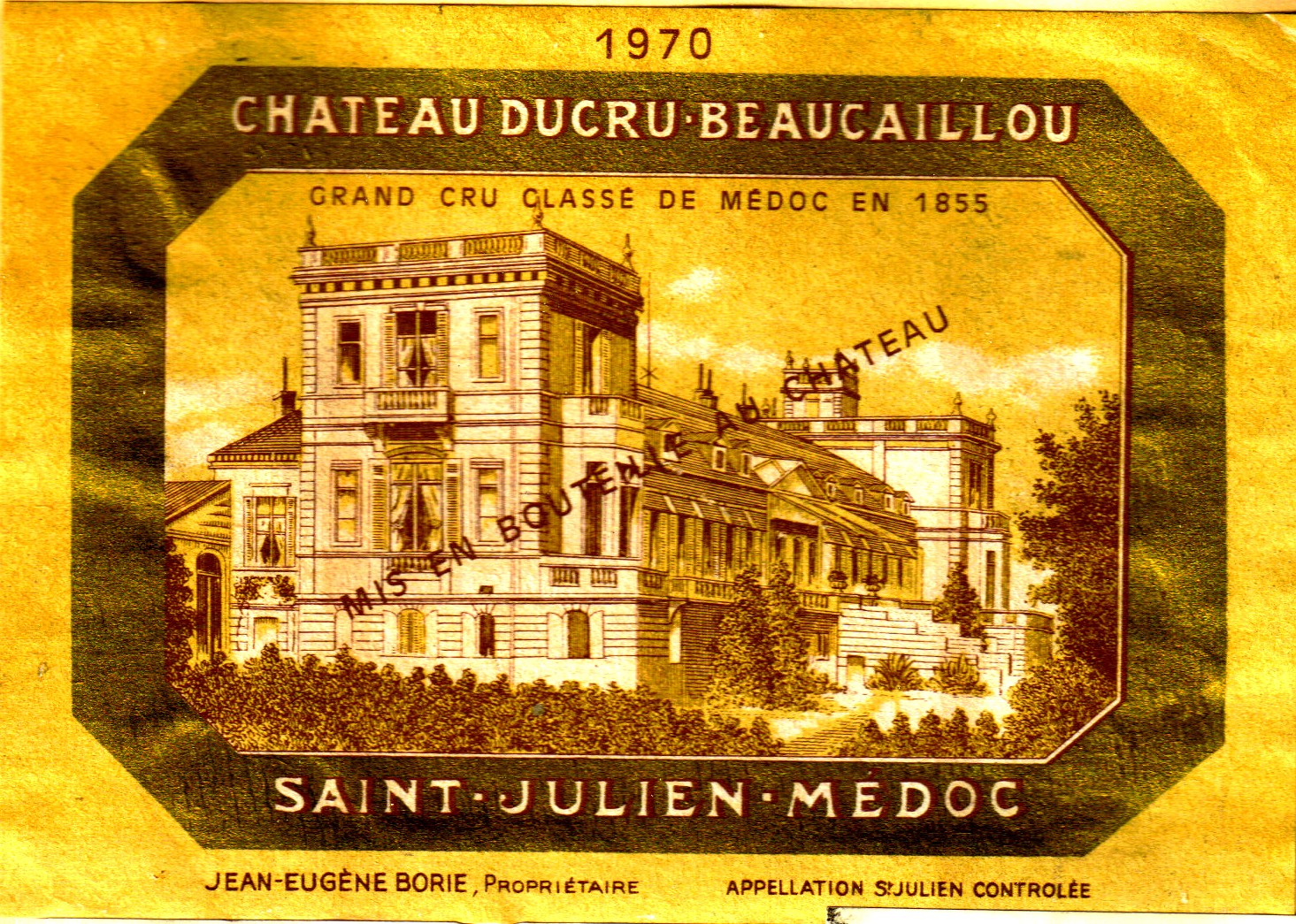
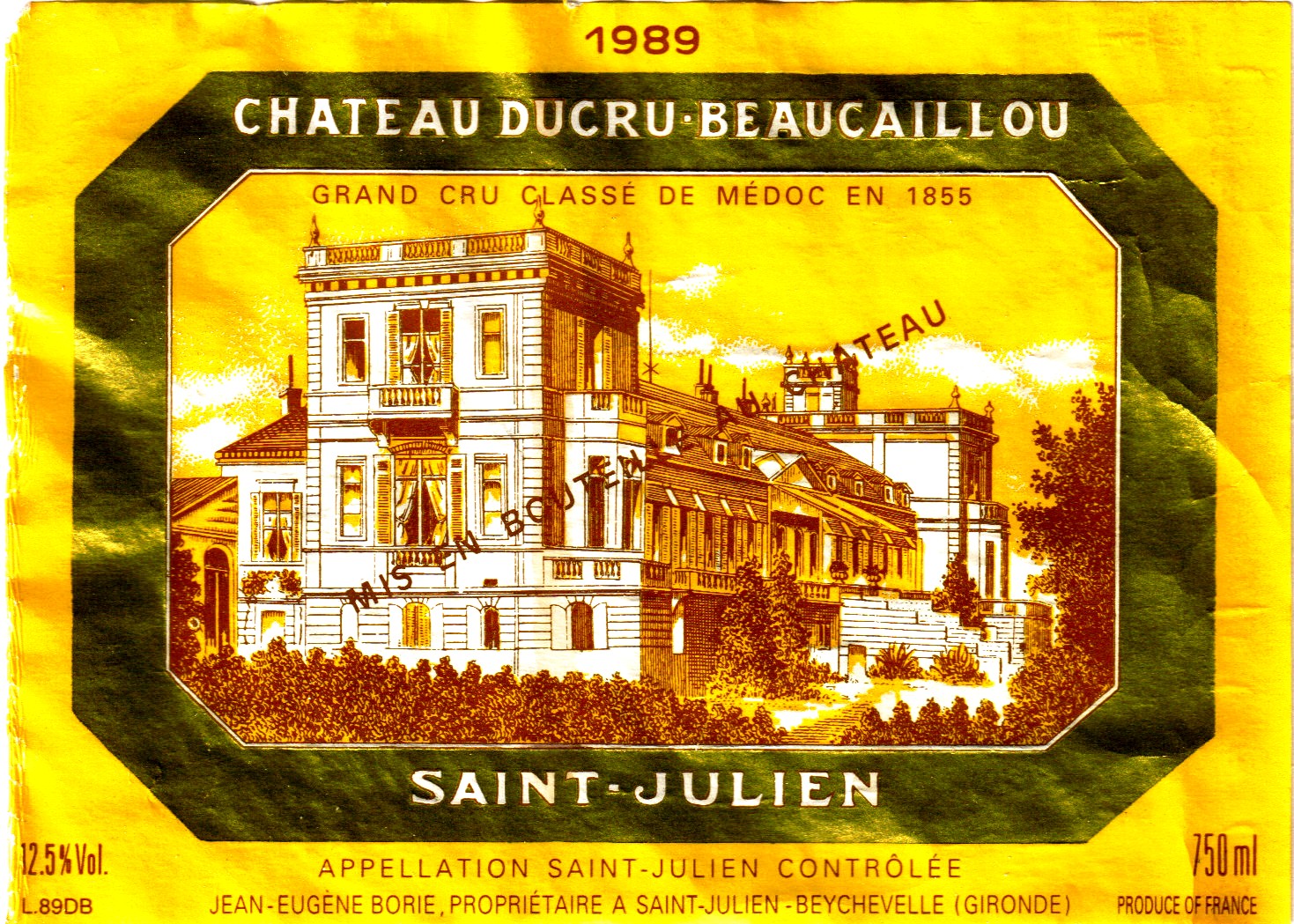
Chateau Ducru-Beaucaillou


Troisiemes Crus (Third Growths)

Chateau Lagrange

Chateau Langoa-Barton

Quatriemes Crus (Fourth Growths)

Chateau Saint-Pierre

Chateau Branaire-Ducru

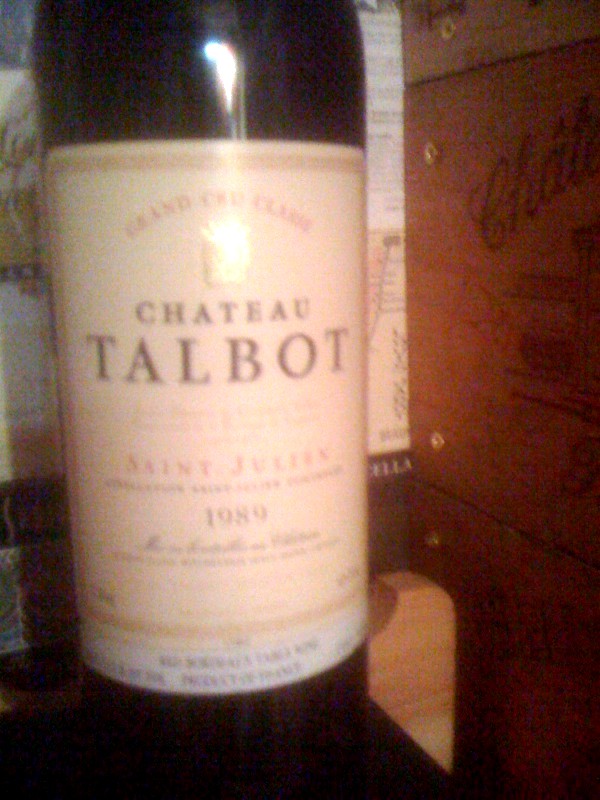
Chateau Talbot

Chateau Beychevelle

Then some of the Petite Chateaus and Negociants blended wines.


Posted in Wine | Tagged , , , | Leave a comment