Italy Wine Tasting – Part Two

There I was at The Fine Wine Source in Livonia, Michigan for a wine tasting of Italian wines.  We had just tasted three wines that were chilled and now we were going to start on the red wines.

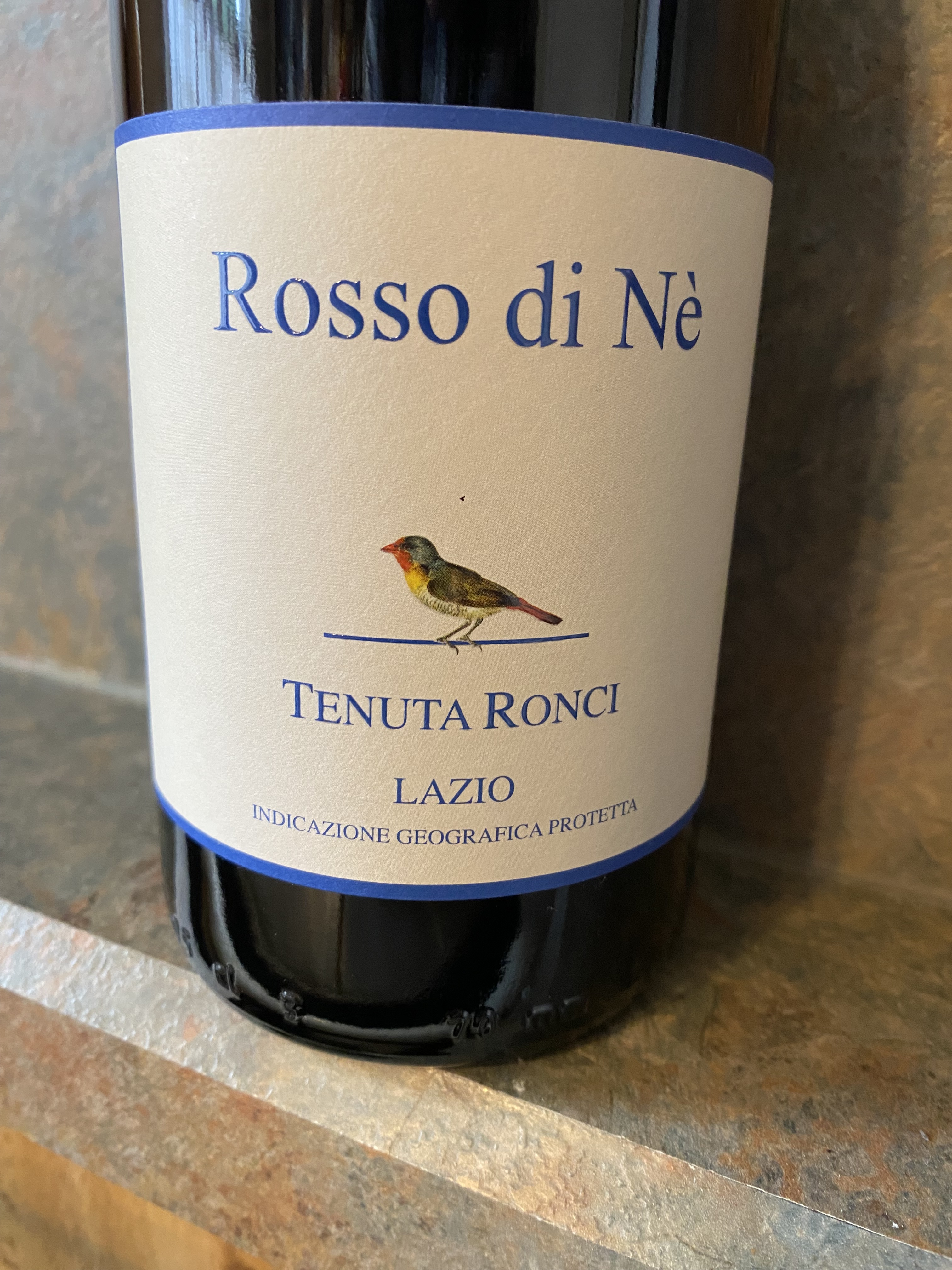
The first of the red wines was Tenuta Ronci Rosso di Ne Lazio IGT 2019.  The winery was founded by Arturo Improta in the Eighties looking for an uncontaminated nature that was near volcanic lakes, a few kilometers north of Rome.  He planted both native and international varieties on soil made of disintegrated “peperino” stone, a volcanic rock, rich in minerals that would create a distinct terroir to the wines made.  The estate is about thirty hectares on the gentle hills of the Ronci Valley.  The wine is a blend of sixty percent Merlot and forty percent Cabernet Sauvignon and the vineyards are about twenty-five years in age.  The wine is fermented and aged in Stainless-Steel tanks to maintain the freshness of the fruit.  The ruby red wine offered notes of cherry and raspberry and a mix of spices and herbs.  On the palate the red fruits and spices blended with velvety tannins in a well-balanced wine and a smooth finish featuring fruit and terroir.
The second red wine of the tasting was Azienda Agricola Tintero Langhe Nebbiolo 2021 in the Piedmont.  Elvio Tintero founded his estate in the steep hills of Mango in the province of Cuneo and it is now represented by the second and third generation.  The vineyards are planted in the optimal position of south and southwest on the hills.  Langhe Nebbiolo is considered as a “junior” version of Barolo and Barbaresco and does not have the same stringent requirements as those designations.  The wine is pure Nebbiolo and the maceration and fermentation occur in Stainless-Steel tanks and then is aged in Slavonian Oak for six months.  The deep garnet colored wine offered notes of dark cherry and plum, scented with violets and roses and a wisp of graphite.  On the palate this medium-bodied wine had tones of dark fruit blended with soft tannins, fresh acidity and a medium-count finish of fruit.

The third wine that we tasted was Perla Terra Barolo DOCG Piedmont 2019 from the Dalla Terra group.  Perla Terra is a partnership of several small growers primarily in the communes of La Morra, Novella, Monforte d’Alba, Grinzane Cavour and Verduno.  The wine is vinified and bottled for Dalla Terra using traditional methods at a local winery in the Barolo region. The cru vineyard selections are vinified separately, and this “negociant” style blend is selected by the co-owners, Brian Larky and Scott Ades.  The wine is from “sustainable” vineyards with an average age of twenty-years for the vines.  The Nebbiolo fruit is de-stemmed and crushed and produced according to the regulations of Barolo DOCG.  A total aging period of thirty-six months, with a minimum of eighteen months in assorted size barrels, with twenty-seven percent in new French Oak and six months in the bottles, before distribution.  A nice ruby color wine that offered notes of dark fruit, violets, roses and sous-bois, but not the classic “tar and roses” of Barolo.  On the palate, this medium bodied wine offered tones of cherry and blackberry, mellow tannins and a lean medium-count finish of fruit, pecans and a trace of bitters.      

Posted in Wine | Tagged , , , , , , , , , , , , , | Leave a comment

Italy Wine Tasting – Part One

Since I was out, after recovering from pneumonia, I stopped by The Fine Wine Source in Livonia, Michigan to pick up the Wine Club selections as well as to enjoy a wine tasting that they were holding. 

The first wine that we tasted was Villa Giada Gavi DOCG 2021 by Andrea Faccio.  The Villa Giada winery was founded in the early 18th century and has grown and expanded in the Piedmont region and originally growing Moscato vines.  The  oldest part of the cellar dates to 1790 and the first bottles of wine were produced in 1934.  The land has been recognized as a UNESCO World Heritage Site, where the Langhe meets Monferrato.  This wine is from the Gavi region, where the soil consists of calcareous marl and is entirely made from the Cortese varietal.  The fruit is manually harvest, destemmed and pressed and fermentation occurs in temperature-controlled Stainless-Steel tanks with constant contact with native yeasts for a few months.  The wine is a light straw yellow color and offers notes of white fruits, white flowers, herbs and almonds.  On the palate a nice dry wine offering tones of green apples, honeydew, citrus and spices with bright acidity and a medium count finish of terroir and almonds.

The second wine that we had was Azienda Agricola Ottella Lugano DOC 2022, and the Lugano region straddles Lombardy and Veneto, but is considered part of Lombardy.  The grape for Lugano is known as Turbiana, Verdicchio and as Trebbiano di Lugano. The Montresor family has been running Ottella for four generations and it has been attested that the Montresor family were the only ones to produce Lugano in the province of Verona in 1905.  In 1964, the family began delineating the land and they began working to get a DOC designation.  The fruit is manually harvested and undergoes slow fermentation in temperature-controlled Stainless-Steel tanks for five months.   The wine is a straw-yellow color and offers notes of candied fruits, citrus, and minerals.  On the palate this dry wine offers tones of citrus, apples, tropical fruits, and lemon zest with a nice medium count finish of fruit and minerals.

The final chilled wine of the tasting was Podere Ciona Ciona Rosé Toscana IGT 2022.  I was reading the history of the winery on their website “Franca and Franco Gatteschi were looking for a place in the countryside to retire to, after many years of working in Italy and abroad, when they came across a small, beautiful, albeit run down property: 100 acres of land, mostly wooded with 10 acres set aside for cultivation, of which 2.5 acres already had vineyards; a house from the 18th Century, abandoned for more than 40 years; and, above all, a view without equal on the Chianti hills, with Siena in the distance.”  It really sounds idyllic and makes one ponder how this property was neglected and ignored for years.  “They purchased the estate at the beginning of 1990, and they immediately started the reconstruction work on the main house (it took nearly three years). They also set up a small but well-equipped wine cellar for making wine. In 1996 they permanently moved on the estate and the following year, the great 1997 vintage, saw the birth of the first “official” wine of Podere Ciona: A Chianti Classico DOCG Riserva.” The Rosé was made entirely of Sangiovese in the saignée method.  The vines are from six to nineteen years of age and planted on quartz, clay schist and marl.  The fruit is manually harvested in small baskets and then de-stemming, berry by berry for a slight crush in Stainless Steel vats for ten to twelve hours of skin contact and no Malolactic Fermentation. The wine is then aged for about six months in Stainless Steel and then further fined and bottle aged for six months before distribution. There were about one hundred-eighty cases produced of this wine.  A pretty salmon-pink color with notes of fruit and spices, just a well-balanced light and easy drinking wine with a nice medium count finish offering terroir.  

Posted in Wine | Tagged , , , , , , , , , , , , , , , | Leave a comment

Fine Wine Source Club – March 2025

It felt so good to get out in the real world as pneumonia really beat me up.   It was seven weeks before I really attempted to join the world again, and did it feel good.  My first stop was at my local wine shop The Fine Wine Source in Livonia, Michigan.  Thankfully they still remembered me, and I was able to admire the updates done in the new addition, that we had discussed, it seemed so long ago, before I got sick  I decided to make the trip worthwhile as I was going to pick up my wine club selections and they had contacted me about a wine tasting that  would feature seventeen wines from Italy and two offerings of Extra Virgin Olive Oil from two different wineries. 

The first wine that I picked represented the Old World and it was a bottle of Il Colle Cabernet Sauvignon Veneto IGT NV.  Il Colle was established in 1978 by Fabio Ceshin and his wife Gianna, with the desire to pass on this wine culture to their three children.  The location of the vineyard is in the Hills of Treviso in Veneto, on clay soil, and the vines are ten to fifteen years old.  Prior to veraison, the grapes are thinned out, a process that favors over-ripening of the grapes and adequate phenolic maturity; the fruit is hand-harvested.  Maceration of the skins is for five days, and then a soft pressing, with fermentation for about ten days in Stainless-Steel tanks.  The wine is then racked and left to rest for six months in Stainless-Steel tanks, in the spring the wine is filtered and bottled.   The wine is described as ruby red in color with notes of berries and hay, which evolve over time to more complex scents from ripe fruit to spices.  On the palate the wine is described as full-bodied with supple sweet black and red fruit and a good medium-count finish.

Representing the New World for wines this month is Forlorn Hope Queen of the Sierra White Wine -Rorick Heritage Vineyards Calaveras County 2020.  When I saw Calaveras County, I immediately thought of the short story by Mark Twain written in 1865 called “The Celebrated Jumping Frog of Calaveras County” that I probably read in Elementary School when literature and reading were promoted and is probably all but forgotten except perhaps for the named county.  Calaveras County is on of California’s original counties from the time of the Gold Rush of the 1850s and for wine is part of the Sierra Foothills AVA.  The original property was ranched by the Shaw family in 1844, and eventually acquired by Barden Stevenot in the Sixties, and he is deemed the “godfather” of modern Calaveras County winegrowers, when he planted original heritage Wente Chardonnay roots in the Seventies.  Barden eventually grew the property to seventy-five acres and in 2013 Matthew Rorick purchased the property and converted it to organic farming practices.  The estate is 2000 feet in elevation on limestone soil beneath a top layer of schist. The Queen of the Sierra wines is a celebration of the soil, the elevation and the vineyard.  The wines are pure estate grown fruit, hand-harvested, indigenous yeasts, unfiltered and unfined.  The Queen of the Sierra collection is not sold at the winery, but it sold to the trade for retail and restaurant distribution.  The wine is a blend of Chardonnay, Verdelho and Muscat.  The lots were fermented separately due to the different pick dates, then racked and blended together.  The wine is described as a soft yellow in color and offers notes of citrus, white peach and florals.  On the palate, it is described as fresh and crisp, with a touch of minerality and a lively, clean finish.   

Posted in Wine | Tagged , , , , , , , , , , , , | Leave a comment

Le Bistro

Our final night at sea, and for me, it was fine.  About two days earlier I started getting very lethargic and my Bride was starting to give me static that I was getting old.  I did a quick check and self-diagnosed myself as having Mal-de-Mer or seasickness.  Thankfully, she had packed an entire pharmacy, so I was able to medicate.  On the first business day when we returned, my internist told me that I had a classic case of pneumonia, and then my Bride said that maybe I wasn’t too old.  In fact, she ended up with a chest infection.

We enjoyed our last dinner at Le Bistro, one of the four themed restaurants that we paid for in advance.  When in “France” we opened a bottle of Champagne Veuve Clicquot Brut Yellow Label Reims NV.  Veuve Clicquot is one of Champagne’s best-known houses and founded in 1772.  The house is also famed for inventing the process of riddling, which removed the dead yeast cells and the finished wines with a clear appearance.  The house was started by Philippe Clicquot and later his son Francois married Barbe-Nicole Ponsardin in 1798, and they began taking over the wine business, but then came the Napoleonic Wars, and Francois died in 1805.  Barbe-Nicolle continued on her own, including some smuggling of wines to Tsar Alexander I of Russia, and the brand took off from there.  Veuve Clicquot is built upon chalk quarries established in medieval times and stretch for twenty-four kilometers, maintaining a perfect temperature and humidity and now listed as a UNESCO World Heritage site.  Veuve Clicquot-Ponsardin is now owned by the luxury giant Louis Vuitton Moet Hennessy (LVMH).  The Yellow Label is their emblematic cuvée and defines their signature of freshness, strength, aromatic richness and silkiness.  The wine is predominately Pinot Noir with Chardonnay and a touch of Pinot Meunier, and it can blend with up to forty-five percent reserve wines (some four hundred wines, aged up to thirty years).  The wine is a golden yellow with persistent fine tiny bubbles and offers notes of white and yellow fruit, citrus like mandarin and grapefruit and brioche.  On the palate this is a fully structured wine where there are tones of pear, peach, dried fruit and a nice medium to long count of fruit and brioche.  

While we were enjoying the bubbles, my Bride and I shared two appetizers: Steak Tartare au Couteau which is hand-cut beef with traditional garnishes and a grilled baguette and an order of Escargots a la Bourguignonne with Herbed Garlic Butter.  My Bride had “Carré d’Agneau Roti et Souris d’Agneau aux Saveurs Marocaines” or Braised Shank and Roasted Lamb Chop with Moroccan Spices, Dried Fruits, Sweet Potatoes and Cilantro.  I had a dish that I hadn’t had since I was sixteen at Anthony’s Pier 4 in Boston, as I had “Homard Thermidor” or Lobster Thermador with a Mushroom Cream Sauce and Rice Pilaf; which even carried an additional surcharge for the dinner.  We then were bad as we tried four different desserts with coffee: “Fraisier” Strawberries with Diplomat Cream and Pistachio-Almond Sponge Cake, “Marquis au Chocolat” Dark Chocolate Cremeux with Rice Crunch and Chambord Raspberry Sauce, “Poire Belle-Helene” Fortified Wine Poached Pear with Spices and Vanilla Ice Cream with Warm Chocolate Sauce, and finally “Ile Flottante” an Airy Meringue Pillow floating in Vanilla Crème Anglais and Raspberry Coulis.  I have no idea how it happened, but we may have come home with maladies, but no additional weight.

Posted in Dining, Wine | Tagged , , , , , , | Leave a comment

Cagney’s

When I heard that the steak house on the ship was named Cagney’s all I could think of was “you dirty rat” as I guess I have watched too many Warner Brothers films and watched Rich Little and Frank Gorshin too many times as well.  It was a beautiful room with polished wood and the big bar in the center opened prior to seating.  

My Bride started off with Crab Cakes with Radish Salad and a Lemon-Mustard crème sauce.  I went with the Lobster Bisque with Roasted Lobster and Sherry.  We started with Los Vascos Sauvignon Blanc Valle de Colchagua, Chile 2023. Vina Los Vascos has been owned and operated by Domaines de Rothschild (Lafite) since 1988 in the Colchagua Valley.  The estate is six hundred-forty hectares on volcanic soil and clay.  The vines on the estate are from 15-70 years in age.  The wine is pure Sauvignon Blanc and the fruit is manually harvested, destemmed, and undergoes a period of maceration for about twelve hours, then the must is drain pressing begins.  After cold decanting, the wine is kept in cold storage for two weeks, the must is then inoculated and fermented in Stainless-Steel tanks.  Until recently this wine came from fruit in the Casablanca region, but now from Colchagua and better appreciation and notes commercially.  A soft greenish-golden color wine that offered notes of citrus, green apples and herbs, followed by additional notes of exotic fruits.  On the palate a good medium-bodied wine that offered green apples, herbs and a nice medium count finish of fruit and flint. 

My Bride had a Filet-Mignon with Sauce Bearnaise and we shared sides of Sauteed Garlic Mushrooms and Creamed Spinach to continue with the steak house theme.  She had Le Cellier des Princes Chateauneuf-du-Pape 2022.  Le Cellier des Princes is a cooperative cellar that has been producing Chateauneuf-du-Pape since 1925; and they are the only group in the appellation. There are 180 winegrowers with vines cultivated from the five villages of the appellation: Courthezon, Chateauneuf-du-Pape, Sorgues, Bedarrides and Orange.  Grenache is almost ninety-five percent of the production, and the balance is composed of Syrah and Mourvèdre (Monastrell).  The soil is basically round pebbles and sand.  The fruit is hand-harvested, destemmed, and a four-to-five-week period of maceration, with daily pumping.  The wine is then aged for almost a year in concrete tanks, so there is no oak, as they are interested in allowing the purest expression of Grenache and terroir.  This is a much fresher and lighter interpretation of Chateauneuf-du-Pape.  A ruby red colored wine that offered notes of red currants, red cherries, blackberries, lavender and pepper.  On the palate a medium-bodied wine with tones of strawberry, raspberry, cherry blending with silk tannins and a medium count finish of fruit, spices and terroir.   She finished her meal with a Raspberry Crème Brulé with a Florentine crunch and chocolate twist.

For my entrée I went with Double-Cut Lamb Chops with Pearl Barley Risotto and a Red Wine Sauce.  I went with Dogliotti Barolo DOCG 2020. Giuseppe and Marcello Dogliotti began in 1870 in Castiglione, Piedmont and they became famed for their Moscato.  In 1929 Luigi Dogliotti took over and moved the winery to the present Castagnole delle Lanze.  The winery has continued to be a family business.  Barolo by definition is made from the Nebbiolo grape and allowed in eleven “communes” in the Lange hills.  The basic Dogliotti Barolo from them comes from all eleven “communes;” Barolo, Castiglione Falletto, Cherasco, Diano d’Alba, Grinzane Cavour, La Morra, Monforte d’Alba, Novello, Serralunga, Verduno and Roddi.  Destemming, soft-pressing of the grapes, the Initial Fermentation and maceration on the skins is for about ten days with dedicated pumping to extract further color and aromas.  The juice is then decanted twice to eliminate solids, before they begin the Malolactic Fermentation.  The wine is matured in an assortment of different size oaken casks (from France and Slavonia) for about thirty months, with weekly tastings and topping off of the barrels.  The total aging process is two years in oak casks followed by one year in bottle, before the wine is allowed to be distributed.  The wine is a deep garnet color offering notes of black cherry, violets, roses, leather and spices.  On the palate this was a full-bodied wine for such a young age, well balanced with tones of black cherry, sous-bois, rose petals with velvety tannins and a good medium count finish of fruit and terroir.  It also was quite lovely with a Seven-Layer Chocolate Cake with Vanilla Ice Cream. 

Posted in Dining, Wine | Tagged , , , , , , , , , , , , , , , , , | Leave a comment

A Brief Stop at the Dominican Republic

While we weren’t scheduled for any excursions we did go and briefly explore the grounds off the port landing in the Dominican Republic.  The island is rather unique in that it is known as Hispaniola and has two sovereign nations; Haiti (French) and the Dominican Republic (Spanish) and is the second largest island in the Greater Antilles in the Caribbean.  The immediate area that we were in, was definitely what I would call a tourist trap consisting of local cuisine restaurants and bars, plenty of souvenir shops, a Macaw photo op center, and an apothecary or druggist shop with the largest advertisement for “now available without a prescription Viagra.”  I also found out later, from others that went into the souvenir shops that they were selling assorted plates, trinkets and what-nots that showed the entire island while omitting the fact that Haiti was also part of the island.

After returning to the ship later, we met up with some others as it was our only other night of non-premium dining.  They bundled four nights as a special, and then you could eat at some of the casual dining spots, or you could go to the better locations and pay an additional premium.  We met at one of the two locations across from each other, that we went to every morning for breakfast, and it was always a lovely breakfast and the perfect way to start the day.  We started our dinner off with Shrimp Cocktails in a classical interpretation and we both had New York Strip Steaks with assorted sides.  We had Bodegas y Vinedos de Aguirre Morpho Helena Malbec DO Valle Central Chile 2020.  I could find basically nothing about this winery, other than people mentioning that they encountered the wines on cruise ship.    The Central Valley (El Valle Central) of Chile is one of the largest wine regions in Chile.  The region is noted for Cabernet Sauvignon, Merlot, Syrah, Malbec, Chardonnay and Sauvignon Blanc, as well as many Bordeaux style blends.  Malbec was planted in this region, before it was planted in Argentina.  The wine is a dark ruby and offered notes of blackberry, black cherry, sous bois and tobacco.  On the palate this medium-bodied wine had tones of black cherry, currants and herbs with high acidity, strong tannins and a medium finish of terroir.

We actually, both indulged with a liquid dessert of Inniskillin Icewine Reserve Vidal VQA Niagara Peninsula 2023.  It made us think of our two trips to Niagara-on-the-Lake in Ontario, Canada.  Inniskillin is best known for their Icewine offerings.  They were the first winery license in Canada since 1929 when they finished the winery in 1975.  Their first vintage was in 1977, but it was in 1984 when they started achieving fame with naturally frozen Vidal grapes.  The process they use differs from the process in Germany, but others in the area have now duplicated their success as well.  The fruit is harvested at night, when eighty percent of the water content in each berry is frozen.  The grapes are pressed while still frozen and the juice is highly concentrated, though with yields that are approximately fifteen percent of an average grape harvest.  A deep golden colored with notes of marmalade, candied pineapple, mango, apricot and honey.  On the palate this full-bodied wine offered tones of pineapple, tangerines and brown sugar with crisp acidity and a nice long finish of candied fruit.

Posted in Dining, Wine | Tagged , , , , , , , , , , , | Leave a comment

Birthday Greetings, Bottle of Wine

If those two random thoughts flow in your brain with a medley, you are like my Bride and myself and of a certain age and era.  We caught the first show of “The Beatles Invasion” and there were four different shows.  The first show was packed, and the four musicians/singers had to compete with the audience, as everyone knew the song and were definitely singing along.  It was narrow lapels, pegged pants, skinny ties and Half-Wellingtons with Cuban heels.  All they needed was an introduction by Ed Sullivan.

The next evening, it was even more packed with Standing Room Only and it was Sargent Pepper’s Lonely Heart Club Band, and in full regalia.  A great night of nostalgia and more sing-alongs, whether intentional or not, the audience wanted to join in the fun.  I guess word of the show traveled quite quickly, as each evening had more people and an even more enthusiastic crowd.  The third evening, we got there almost an hour early to save two sets of tables for our small group, and the demand for the chairs was getting fierce, but I defended my turf and saved them all.  I didn’t make the last show, but my Bride said it was good, but the first two shows were the most memorable according to her, but then again that is nostalgia settling in.

As for drinks, there was a bar in the back of room, that shut down during the concerts.  We didn’t know what to anticipate, so there was a wine bar across the hall from the music room, and we went and got our libations there in a more serene atmosphere and took our drinks with us, as each show was for an hour, it was easy to enjoy a glass of wine.  One night we had Borges Tawny Porto NV.  Sociedade dos Vinhos Borges was founded in 1884 by two brothers who had an interest in a myriad of endeavors and in 1904 they purchased Quinta da Soalheira estate and it is now over 340 hectares, and they eventually filed for seventy brand registrations.  In 1998, José Maria Vieira business group acquired shareholder control, and they had been the main distributor for the Portuguese market.   The   estate for this wine is in the Douro region on schist soil with vines from thirty to forty years, and they grow Touriga Franca, Touriga Nacional, Tinto Cao and Tinta Roriz (Tempranillo).  This reddish-brown colored wine offered notes quince jam, plums, caramel, walnuts, raisins and vanilla.  On the palate this wine was rather syrupy and offered tones of spiced red fruits, citrus, bitter apples and vanilla with a medium count finish of fruit and spices.

Posted in Uncategorized, Wine | Tagged , , , , , , , | Leave a comment

Palomar

I have to admit that being on a cruise ship has changed considerably since the last time, which was about thirty years ago.  Then there was one private restaurant for dinner, and a limited breakfast offering at another location; otherwise it was sitting with strangers.  They still had a big cavernous dining hall with terrible service, and there was also a buffet, which I had no interest in.  Now, one can pay extra to go to theme restaurants and private tables, and I did find that the service was far superior, and it reminded me of the enjoyable dinners that we had the last time.

Palomar, was one of the “private” restaurants that we paid a surcharge and had to make reservations for a table and time.   The theme was Mediterranean and my Bride started with an Heirloom Beet Salad with Feta Cheese, Mint and Roasted Garlic, while I had Grilled Prawns with an Endive-Fennel Salad.   We began the meal with Champagne Jean-Noel Haton Rosé NV.  Champagne Haton began in 1610 with the original parcels of land in Damery.  Octave Haton began a new chapter when he began vinifying his own Champagnes.  They now have sixty hectares of vines (forty-five of their own) spread over six villages, each with its own micro-terroir and varieties.  The wine is a blend of thirty-five percent Pinot Meunier, thirty percent Chardonnay, thirty-five percent Pinot Noir (of which ten percent is vinified as red).  The wine is aged for a minimum of three years.  A pretty soft-copper color that offered notes of currants, strawberry, stone fruit, and orange zest.  On the palate there were delightful tones of fresh fruit, citrus, a complex mixture of toast, a dash of pine resin and good medium to long count of fruit and brioche. 

For our entrée choices, my Bride had the “Lavraki” Mediterranean Sea Bass, with Saffron-Carrot Puree and Chickpeas; while I had the “Festoni” Sea Scallops with Prosciutto, Le Puy Lentils, Clams and Pistachio Pesto.    We then followed with Il Borro Lamelle Chardonnay Toscana IGT 2023.   Il Borro is in the Valdearno hills of Tuscany planted primarily with classic international varieties, as well as Sangiovese. The vineyard is forty-five hectares and was planted in 1997 on a combination of sandstone and sandy-clay soils.  The vineyard is 300-500 meters above sea level.  The fruit is hand-harvested, and two-thirds of the juice is fermented in Stainless Steel vats, while the last third is divided among clay vats, acacia barrels, oak barrels and “Alma” which is a special oak and ceramic barrel. The wine is then aged for ten months on fines lees with an evenly split among clay vats, acacia barrels, oak barrels, and the “Alma” barrels.  The wine is then stored in the bottle for twelve months with a production of three thousand bottles.  A straw-colored wine that offered notes of citrus, yellow fruits, with a touch of rosemary, sage, and vanilla. On the palate the wine offered tones of fruit, with texture and body and finished with a nice medium count of fruit and terroir. 

We then chose a couple of desserts to end the meal.  My Bride had the Valrhona Dark Chocolate Mousse Cake with Dark Chocolate Sorbet and Salted Caramel Popcorn; while I had the French Apple Tart a la Mode with Puff Pastry, Golden Apple and Vanilla Bean Ice Cream. I know that I may disappoint you, but we had some coffee as we were going to explore the ship some more, as we had seen a Wine Cellar and an interesting show to visit.  The dinner was so good, that we ended up coming back a second time and treated our son and his wife for dinner here, with excellent results again.     

Posted in Dining, Wine | Tagged , , , , , , , , , , | 3 Comments

The Wedding Reception

The great thing was that the Bride looked lovely and they had a wonderful ceremony which is the desire of all the attendees. Between the time of the wedding and the reception, all that were joining in for the honeymoon segment had a chance to go to our “staterooms,” unpack and that is how I discovered that one could get one hour to use an iron and an ironing board, before housekeeping took it back, which I guess is OK, because there was really no place to store it. We were also supposed to get the Premium Wine Package, which basically means that one could drink the basic wine, or pay a premium surcharge for a better wine, by the glass or get a discount if we bought a bottle.  The reception was held in the Manhattan Room where the wedding was held earlier.   

The night began trying to order our dinner and drinks.  We were going to start with Shrimp Cakes and Caesar Salad, but the wait staff could not take our drink order and we had to wait for a “Somm.”  The appetizers came and still no drink orders and I sent the food back, as I thought we should appreciate wine and food together, truly a novel concept on this ship. From my observations, I thought the cruise line could have done a better job.   We tried to order Gerard Betrand 6eme Sens Blanc IGP Pays d’Oc 2023 or referred to as Sixth Sense.   The wine is a blend of Sauvignon Blanc, Chardonnay, Grenache Blanc and Viognier.   The fruit is hand picked and gently pressed at the winery, with cold fermentation for forty-eight hours, followed by a short aging period in Stainless-Steel vats.  A pale-yellow wine that offered notes of citrus, florals and laurel.  On the palate there are tones of exotic fruits and citrus with good acidity and a short finish of fruit.

A “Somm” finally appeared, so we reordered the appetizers, then my Bride had the Flounder Filet, and I decided to go with something safe like a New York Strip steak.  My Bride decided to stay with the Sixth Sense, and I had the Grupo Olarra Era Costana  Crianza Rioja DOCa 2020.  Grupo Bodegas Olarra is a business that has three wineries.  Bodegas Olarra and Bodegas Ondarre are in Rioja, while Bodegas y Vinedos Casa del Valle is in Castilla La Mancha.  Bodegas Olarra was established in 1973 in the Rioja Alta zone, and Bodegas Ondarre followed in 1985 in the Rioja Oriental zone.  There Rioja wines are made with Tempranillo grapes according to the rules of Rioja.  This label was not listed on their website, so I cannot say which zone it came from.  A Crianza red wine must be aged for at least one year in oak, and one year in bottle and released in the third year. The wine was a deep blackish purple and offered notes of red and black fruit and some tobacco.  On the palate this medium-bodied wine had tones of red cherry, currants blended with firm tannins and medium acidity and a medium count finish of fruit and vanilla.

For our desserts my Bride had a Honeycomb Crème Broulee and I had the Chocolate Lava Cake.  I also splurged for the first of many times, wondering what happened to our “Premium Wine Selection” investment.  I had a glass of Dow’s Quinta do Bomfim Single Quinta Vintage Porto 2013, bottled in 2013.  The wines used to be called Port, but since the advent of other wineries years back, especially in America offering tepid imitations called Port, the great Port houses of Oporto renamed their wines Porto, and the Porto wines are legendary fortified wines. Most of the grand Port houses have a British name, which shows how much the British valued these fortified wines. Dow’s is over two hundred years old, and has changed hands and is now part of the Symington Family Estates, but the quality and tradition has been maintained. Dow’s was the first house to receive Royal Assent and was allowed to maintain their own armed shipments of the wine to Great Britain during the Napoleonic Wars. Dow’s also owns four famed vineyards in the Upper Douro Valley and these are considered great vineyards and allows them to make all the different versions of Port wines, including when deemed proper, a vintage year; as not all years are declared a vintage year. The grapes used to make Port wines are a mix and perhaps not even the winemakers can agree on what the actual percentage of each grape is used. The most common varietals are Touriga Nacional, Touriga Franca, Tinta Barroca, Tinta Roriz (more famous and recognizable as Tempranillo), Tinto Cao and one can also find Souzao, Tinta Amarela and Mourisco Tinto.  Single Quinta Vintage Port (SQVP) is produced from a single estate (quinta) and a single vintage.  This style has emerged sin 1986 and is appreciated for its terroir-driven approach to winemaking and not offered during an official Vintage Year.  Bomfim is a classic “River Quinta” with its south-facing exposure, stony shist soil and is “A-rated.”  A purple-black wine that offers notes of ripe fruit, violets, mint, chocolate, pepper and spices.  On the palate this was truly an elegant wine, full-bodied and offering tones of ripe blackberries, raisins, maple, with rich tannins, pepper and chocolate with a long-count finish of ripe fruits and spices. 

Posted in Dining, Wine | Tagged , , , , , , , , , , , , , , , , , , , , , , , , , , , | Leave a comment

The Morning of the Wedding

I have to admit that during my entire career I always enjoyed what was known for years as Cruise Season, as the fabrics and colors were fun.  Everyone that flew down for the wedding and most were also for the honeymoon, had to be down in the lobby of the hotel, bright and early to be shuttled over to the port to get on the ship, sounds easy.  There was a marathon race that morning and everything was totally a mess.  My Bride and I had our luggage on the first bus, and as I have remarked my Bride is a firm believer of “hurry up and wait.”  I am happy to say that the courteous Detroit style driving is totally apparent in Miami, by which I mean that if there was signage that stated an exit was in a mile, all the drivers waited until one car length before the mile exit, to merge and they expected everyone to realize that they were more important than the ones who had started merging when the signs appear, especially since they didn’t even bother using turning signals, which have been standard issue on most vehicles for over a hundred years.  Most of the exits were closed courtesy of the marathon, our bus driver was good, I understand that at least one of the shuttle drivers was creating his own route and people were concerned that they might not only miss the wedding, but the cruise as well.  As it was all the guests looked like the last rose of Texas, as we were all dressed from at least seven in the morning, went through cattle car lanes and enjoyed the Miami humidity and yes, I can say professionally that silk and linen clothes while ideal for high heat, are guaranteed to wrinkle or you may get your money refunded.

We arrived at the port, but there was no communication as to what to do with all of these early arrivals, as we were sent here and there, though there were plenty of photo opportunities to have pretend boarding photos for a price.  We all had to go through another “Checkpoint Charlie” and present our papers, I guess they hadn’t heard that identification papers weren’t necessary to vote, but imperative to just to get on a ship.  Eventually our luggage had to go through another Xray (I am glad that the hand steamer was not packed) and would get to our rooms sometime during the week, I kept my laptop bag with me, as my wife had prepared a video depicting the happy couple through the years, and a special video of a wedding gift from grandmother of the bride who made sure that there were would be a special Christmas tree ornament for their wedding, even though the grandmother had passed away.  My Bride is the unofficial photographer/videographer of every event for her family, and nothing keeps her from her daily duties.  There was even a smirking usher who zeroed in on my Bride announcing that no one, was to take photos or videos, but the anointed photographer. I took umbrage to think that they would think that my Bride would disturb the ceremony.  I thought no way was that going to happen, in fact the second day that we were back, my Bride had already created a wedding album of the nuptials, though she was nice, and insisted that the smirker still was part of the event and she had to take his photo as well. 

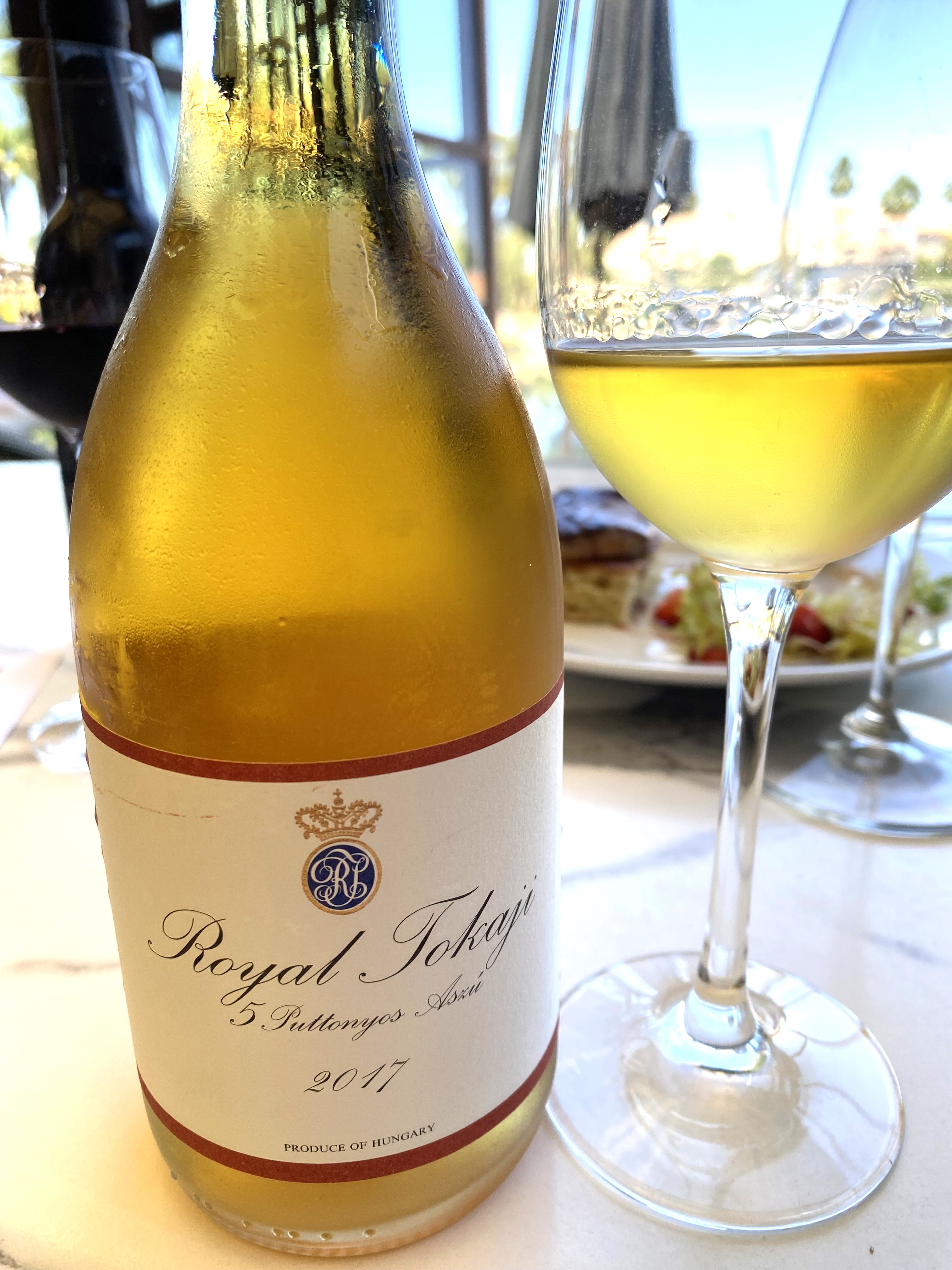
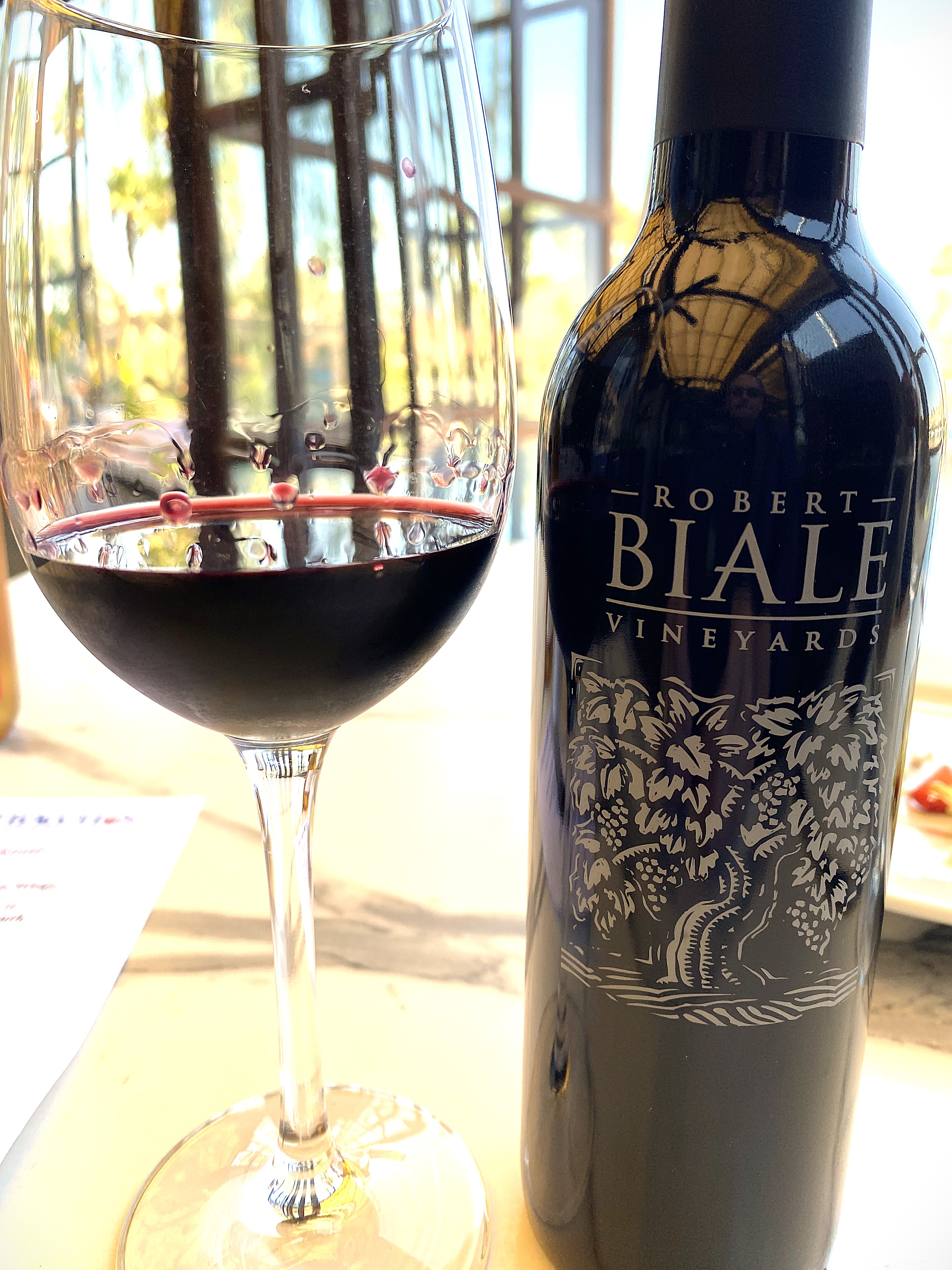
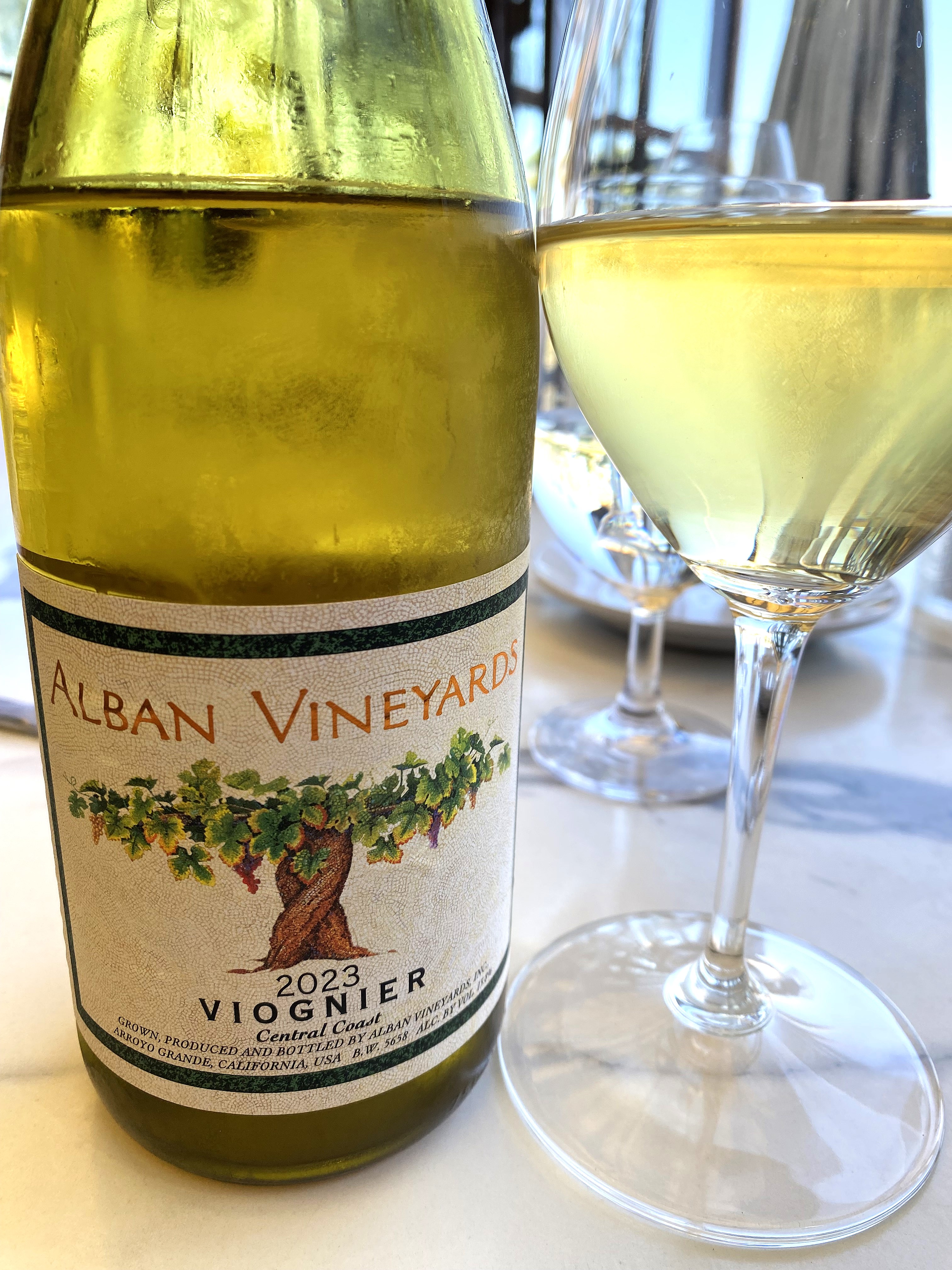
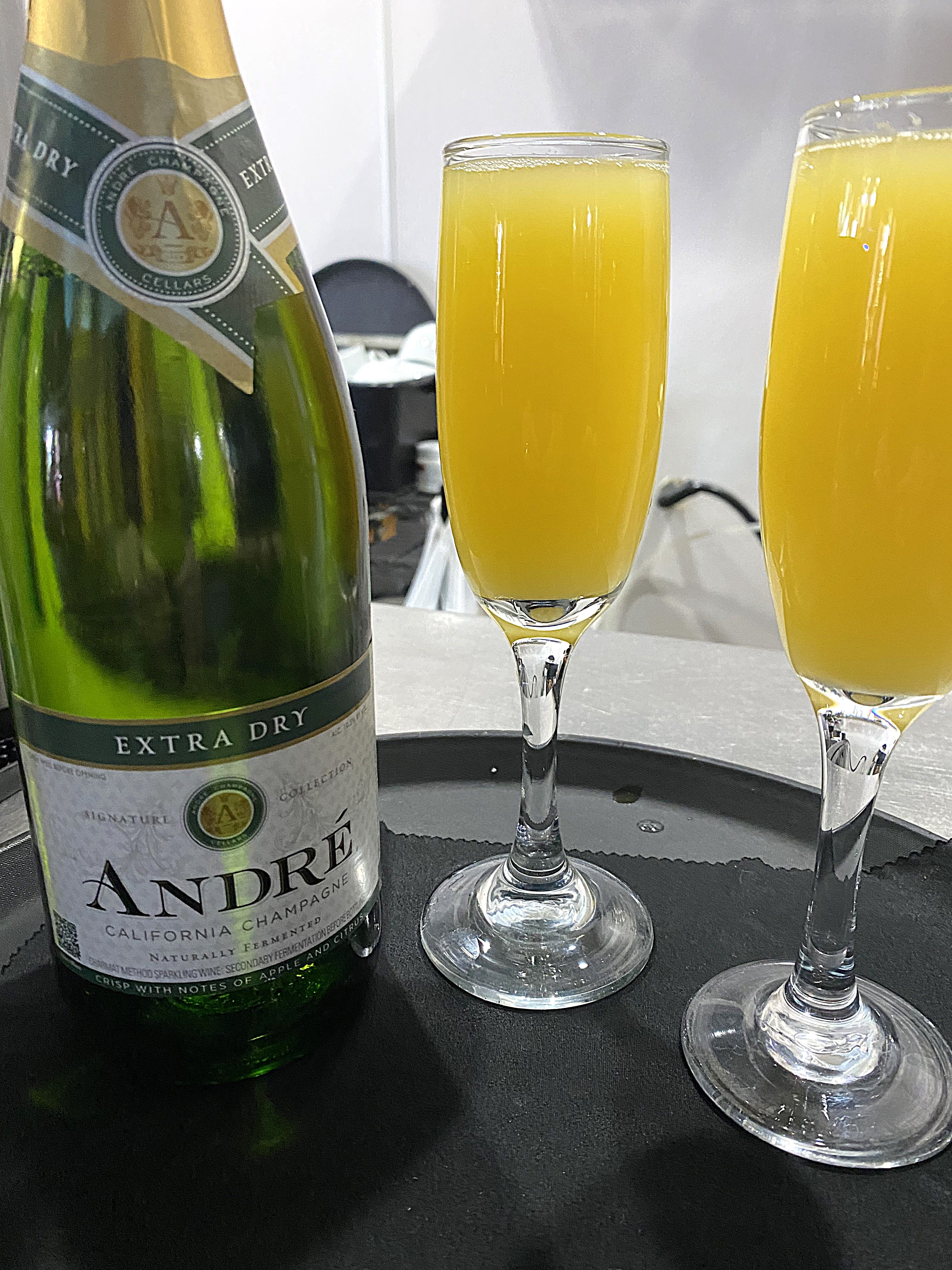
It was rather chaotic at least to this layman’s eye, but the wedding proceeded, and all the photographers took their chosen photos.  There were a couple of bridal dances and more photo ops.  I hope that the couple had a wonderful time, as they were in a maelstrom of emotions and events thrust upon them.  The cruise officials seemed more concerned about escorting those that were not going on the honeymoon off the ship, than the wedding proper.  I am not sure where the “official” photographer came from, but they almost forgot to take the “Sisters” photograph, but it did occur.  Another fun thing was watching all the people that were walking on the perimeter of the ship as they were intent on looking through the windows to observe the wedding.   I eventually did find that they were offering finger-food appetizers and drinks, but I guess the employees were not enlightened, or if they were, they were trying to save the cruise ship money.  I was disappointed that the cruise line would not have better accommodations, but they didn’t seem too concerned.  I took some photos of the wines that were offered, and I was hoping that we would have a chance to eat before the official reception later that evening.    

Posted in Uncategorized | Leave a comment