It was another important and curated wine tasting at The Fine Wine Source in Livonia, Michigan featuring the Burgundian wines of Domaine Gille. Matthieu Gille was speaking about his wines as he was brought in by Michael Corso Selections. Michael Corso began his wine career in 1972 at The House of Glunz, Chicago’s oldest wine retail shop and since then he has been in wine sales at restaurants, wholesale, distributor, and importer. He helped create Chicago Wine Merchants, one of the leading fine wine distributors in the United States. The basis of Michael Corso Selections was formed during this time frame. In 2008, he established MCS as an independent importer of high-quality estate wines and spirits from France and Italy.
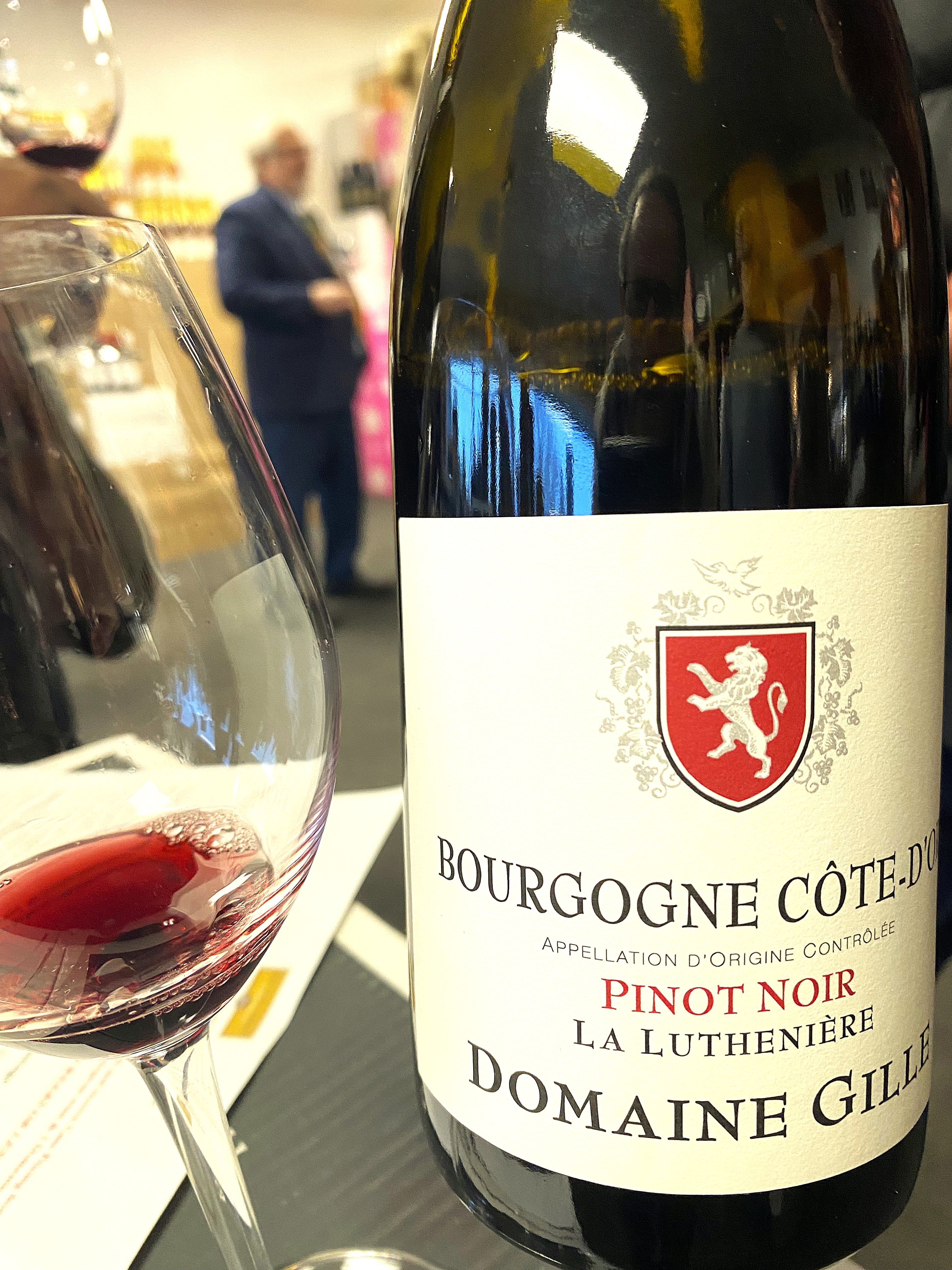
The next wine that we tried was Domaine Gille Bourgogne Cote d’Or Pinot Noir “La Lutheniere” 2022. The Gille family has resided in the village of Comblanchien since 1570 and over the years the estate has increased to a nine-hectare Domaine. The vines are forty-five to eighty years old, and some plots have been with the family since the 18th Century. All work is done manually in the time-honored tradition of respecting the terroir and still being sustainable. This is only the second time in the history, that this plot has not been blended with other wines, and they devoted a few barrels, and even some of this wine was allotted for the American consumer. This plot of Limestone and Clay soil sits just outside of the border of Vosne-Romanée. After the manual harvest, the vinification begins with five days of cold maceration followed by natural fermentation without external yeast or temperature-control. It matures in fine-textured, medium toasted French Oak barrels of which a third is new. This deep garnet-red wine offered notes of cherry, blackberry, and currants with rose petals and violets, followed by mocha, anise and sous-bois. On the palate this full-bodied, well-balanced wine displayed tones of black and red fruit along with savory spices and ripe tannins and ending with a long-count finish of fruit, spices and terroir.
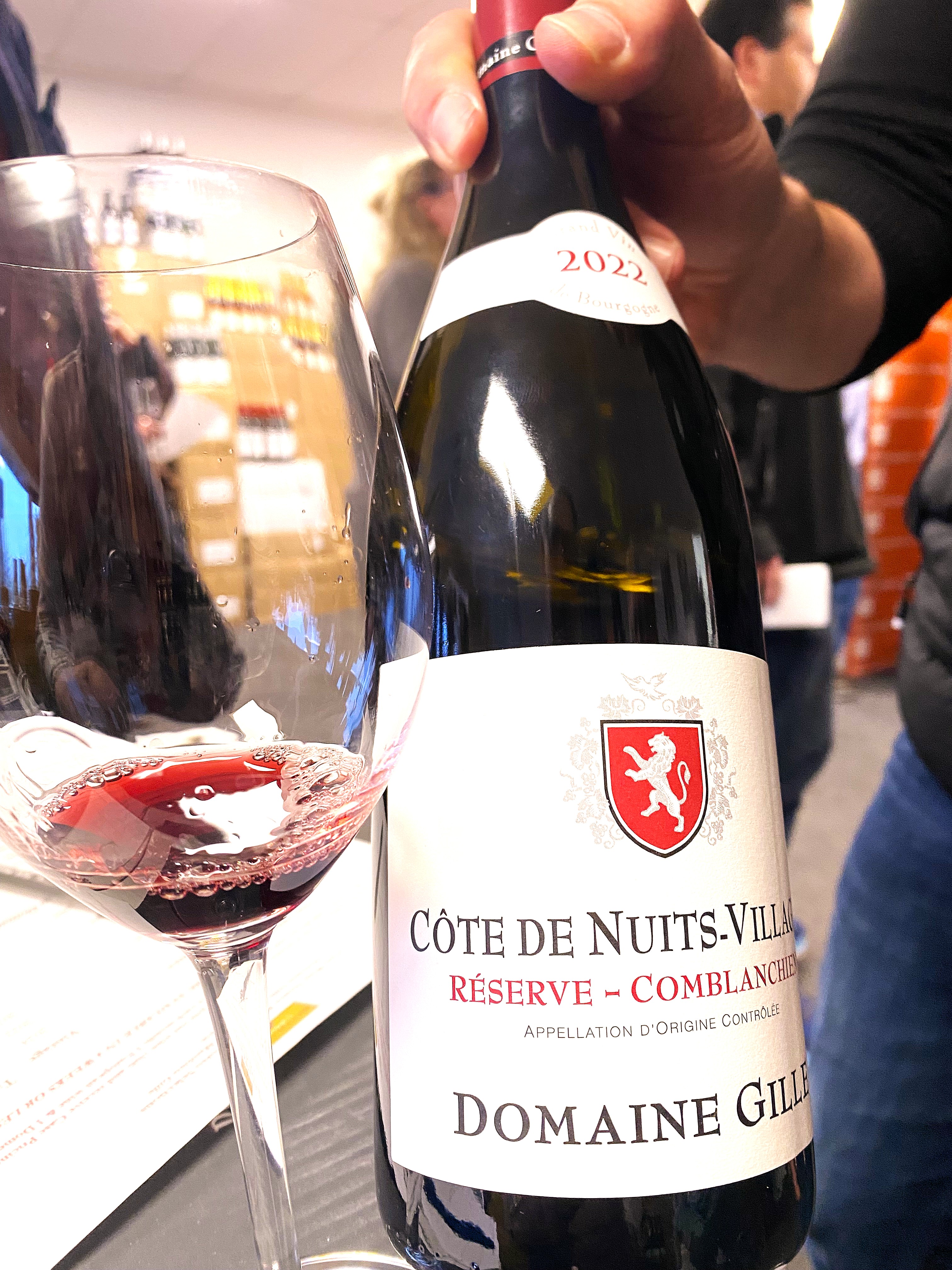
We then went with Domaine Gille Cote de Nuits Villages “Reserve Comblanchien” 2022. Domaine Gille is an historic estate located in the village of Comblanchien with viticultural activities dating from 1570 and always within the family. The “Reserve Comblanchien” comes from prime terroir at the edge of the Cotes de Nuits, noted for it limestone and clay soils and vines from fifty to over one hundred years of age. The Domain employes traditional, handcrafted techniques emphasizing minimal intervention with traditional biodynamic principles. The grapes are manually harvested and undergo a cold maceration period of five days (not temperature-controlled) and then fermented with indigenous yeasts, with aging for fifteen months in French Oak, of which one-third is new. A deep garnet colored wine that offered notes of black cherry, blackberry and currants, along with rose petals and violets, followed by mocha, spices and sous-bois. On the palate this full-bodied, well-balanced wine displayed tones of red and black fruit, mocha and anise blending with silky tannins and ending with a long-count finish of fruit, spices and terroir.
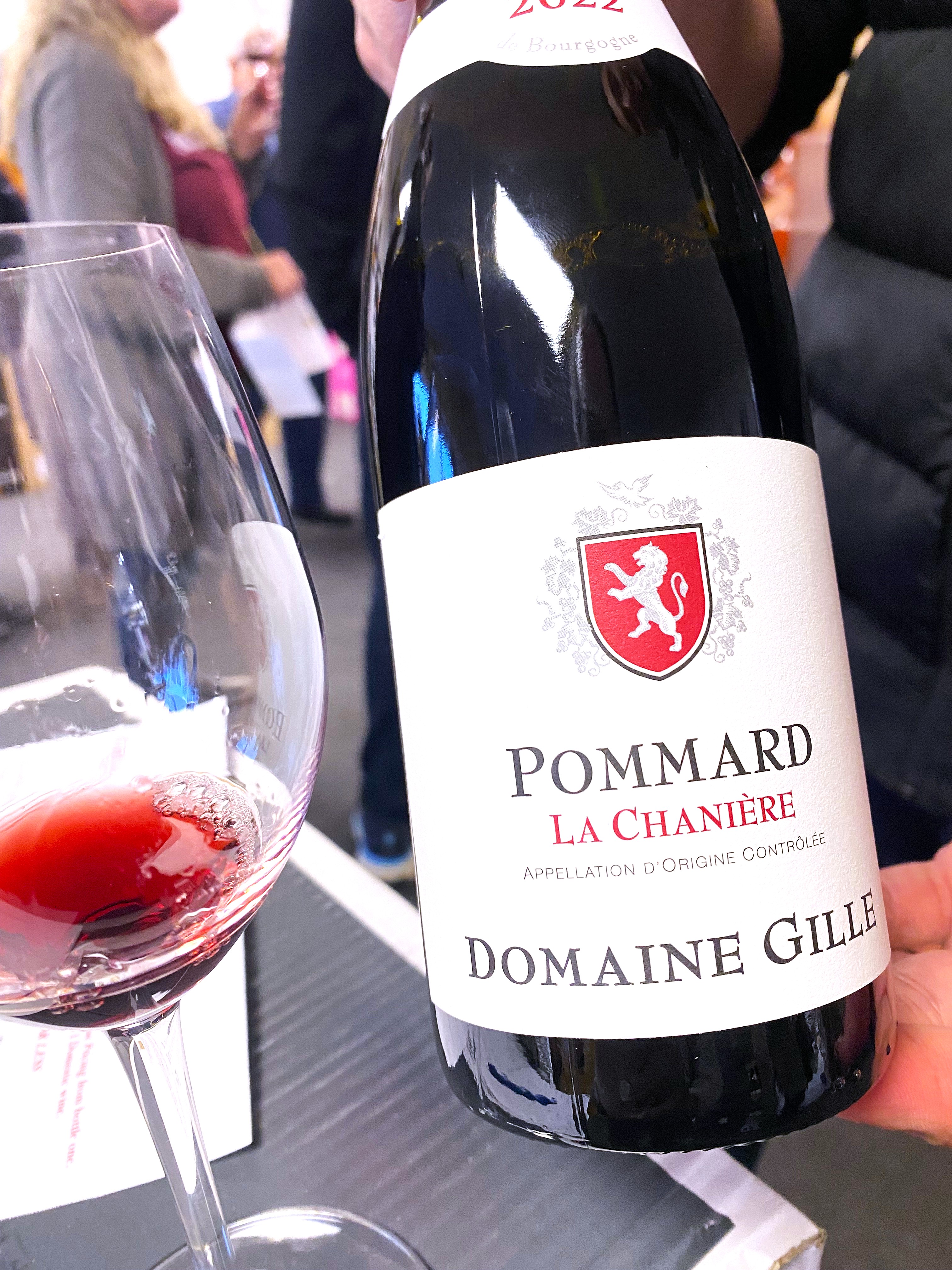
The next wine is where we began entering the communes of Cote d’Or, with Domaine Gille Pommard “La Chaniere” Cote de Beaune 2022. The appellation for Pommard is only for red wines. It is named after Pomona, the Roman Goddess of fruit trees. The Premier Cru vineyards of Pommard, almost run uninterrupted from the boundaries of Beaune in the north, to Volnay in the south. The vines for this wine were from forty-five to eighty years of age and planted on Limestone and Clay soil. This part of the estate was established in 1900 and is .26-hectare in size of pure Pinot Noir planted in chalky soil with iron and clay. The vines are from thirty-to-fifty years old, and the lot averages about 1400 bottles each vintage. La Chaniere is a lieu-dit (place name) in the northwester part of Pommard in the Beaune side. All the work is done by hand, respecting the terroir and using traditional and sustainable farming methods. After the manual harvest, the vinification begins with five days of cold maceration (not temperature controlled) and natural fermentation using indigenous yeast. The wine is then aged for eighteen months in fine textured, medium toasted French Oak barrels, of which a third are new. A deep ruby colored wine that offered notes of black fruit, spices, sous-bois and crushed stones. On the palate this full-bodied, well-balanced wine displayed tones of dark plum and black cherry along with some fresh acidity and silky tannins that end with a long-count finish of fruit, spices and terroir.

 The Wine Raconteur