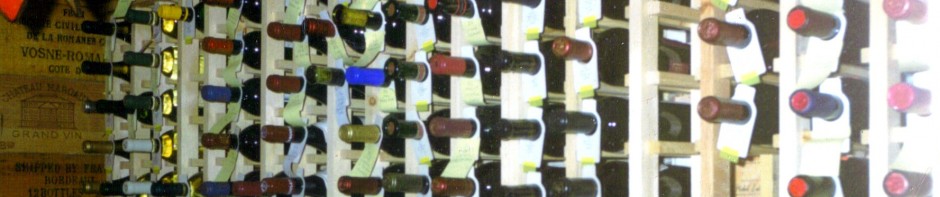
It is always a pleasure to stop by The Fine Wine Source in Livonia, Michigan at any time, but this time I was picking up the two wines curated by them for the club. As a retired retailer I look on the club as a great way to keep you returning, and it is worth returning.
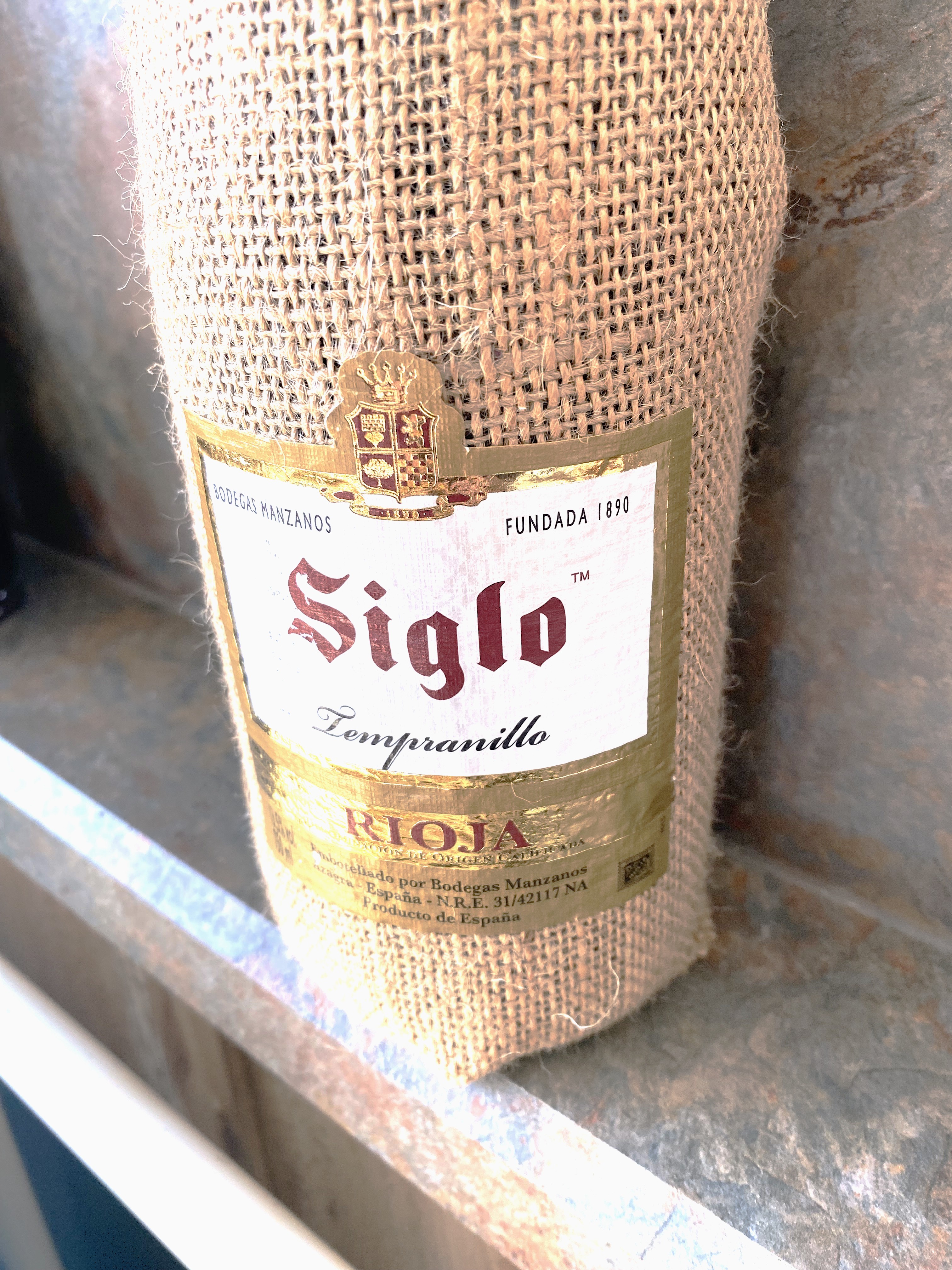
The first wine representing the Old World is Siglo Tempranillo Rioja DOCa NV. The story of this wine begins in 1890, when a small winery was started in Azagar by Fernandez de Manzanos. In the 1940s a new facility was created and in the 50s and 60s the family consolidated their projects and exceeded 1.5 million liters of wine. In the 90s, the fourth generation created Bodegas Manzanos. In 2025, Michel Boutin of the Domaines Michel Boutin group acquired the Manzanos Wines Group. “Siglo” is the most recognizable brand, because they still use the classic Burgundian bottle wrapped in jute, made by Asprodema, an association for people with intellectual disabilities. This wine is the result of blending vineyards from the Rioja Alta and Rioja del Reyno areas, pure Tempranillo; the vines are older than fifty years and planted on poor white soil and clay-limestone. The fruit is hand-harvested, and fermentation takes place in Stainless-Steel tanks. The wines is then aged for twelve months in French and American Oak (fifty-fifty) and then aged for an addition six month in the bottle, before release. A deep cherry red color that offers notes of red and black fruit along with spices, eucalyptus and toasted oak. On the palate this medium-bodied, well-balanced wine displays tones of red and black fruits blending with ripe tannins and ending with a medium-count finish of fruit.
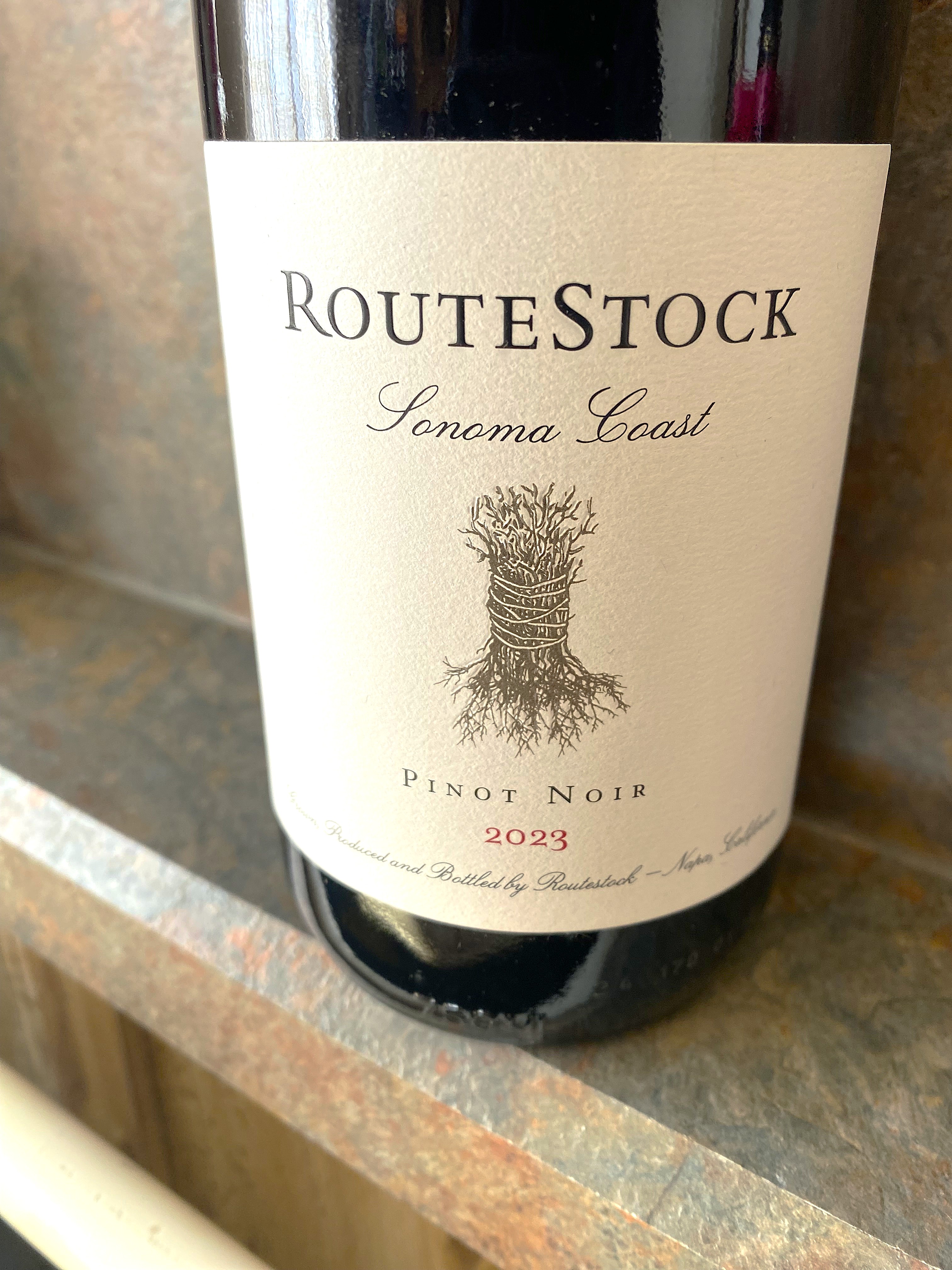
The second wine represents the New World is RouteStock Pinot Noir Sonoma Coast 2023. In 1978, Wilson Daniels was founded as a fully integrated marketing and sales company by Win Wilson and Jack Daniels. In 1979, they became the exclusive US importer of Domaine de la Romanée-Conti. In 2003 Wilson Daniels was bought by the Underwood family and their Young’s Holdings. RouteStock winemaking emphasizes minimal intervention, indigenous yeasts, natural Malolactic Fermentation and avoiding chemical additives. They have two estates in the Sonoma Coast, one in the Petaluma Gap and the other in the Sebastopol Hills region of the Russian River Valley. The vines are sixteen years of age planted on volcanic mix of clay, sand loam and goldridge (weathered sandstone with trace elements). Each vineyard was fermented with ten percent whole clusters and aged in French Oak, of which twelve percent was new. After fermentation the wine stayed on gross lees for nine months without racking and no additives. The wine is described as a rich burgundy color that offers notes of red fruit, cardamom, soy sauce and bay laurel. On the palate this medium-bodied, well-balanced wine displays tones of red fruits, black tea, spices, white pepper and orange peel and ending with a medium-count finish of fruit and savory umami core.
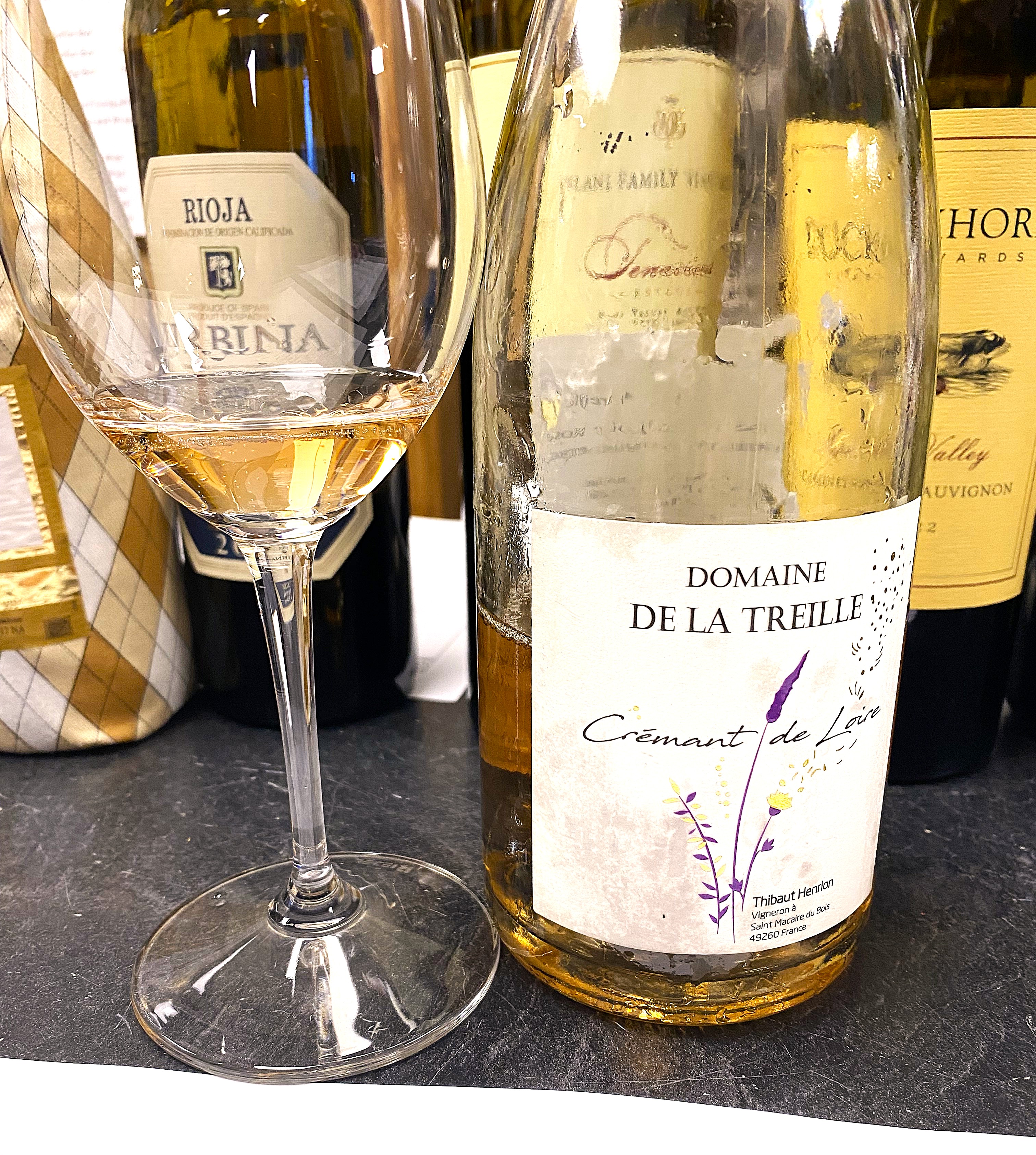
I also had a chance to taste some wines, more about them later, but I really enjoyed Thibaut Henrion Domaine de la Treille Crémant de Loire Brut Rosé NV. Domaine de la Treille is in the village of Saint Macaire du Bois, not far from Saumur. The estate is forty-two hectares of clay, silt and sandy soil. Since January 2014, Thibaut Henrion has taken over the estate from Gabriel Taillée (who came from a family of millers and winegrowers). The farming methods used have always been environmentally friendly and are now certified since 2019. This wine is pure Cabernet Franc and made in the classic Methode Champenoise. Outside of Champagne, the Loire Valley is the biggest producer of sparkling wine in France; and can only be produced in the sub-regions of Anjou, Saumur and Touraine. Typically, the Crémant de Loire spend about nine months in the bottle during the second fermentation, and the Rosé style only accounts for about ten percent of the production. Even though this wine is labeled Brut, I have always heard that the French make the wine a tad sweet, because they believe the American like to see the word Brut, but like a touch of sweet. A pale pink colored wine with continuous fine bubbles offered notes of strawberries and raspberries and a trace of anise. On the palate this light-to-medium bodied, well-balanced wine displayed tones of strawberry, raspberry, citrus and licorice with a soft mousse ending with a medium-count finish of fruit, citrus, some spice and a soupcon of honey.

 The Wine Raconteur