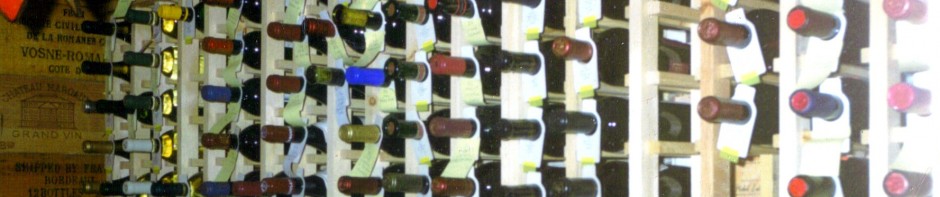
My Bride and I try to have dates to this day. We found out that there was a special exhibit on the history of the J L Hudson Company and the Detroit Historical Museum and we also found out that Chartreuse had lunch hours on Fridays; a perfect combination. Though we didn’t partake of any of the fifteen different offerings of the said aperitif.
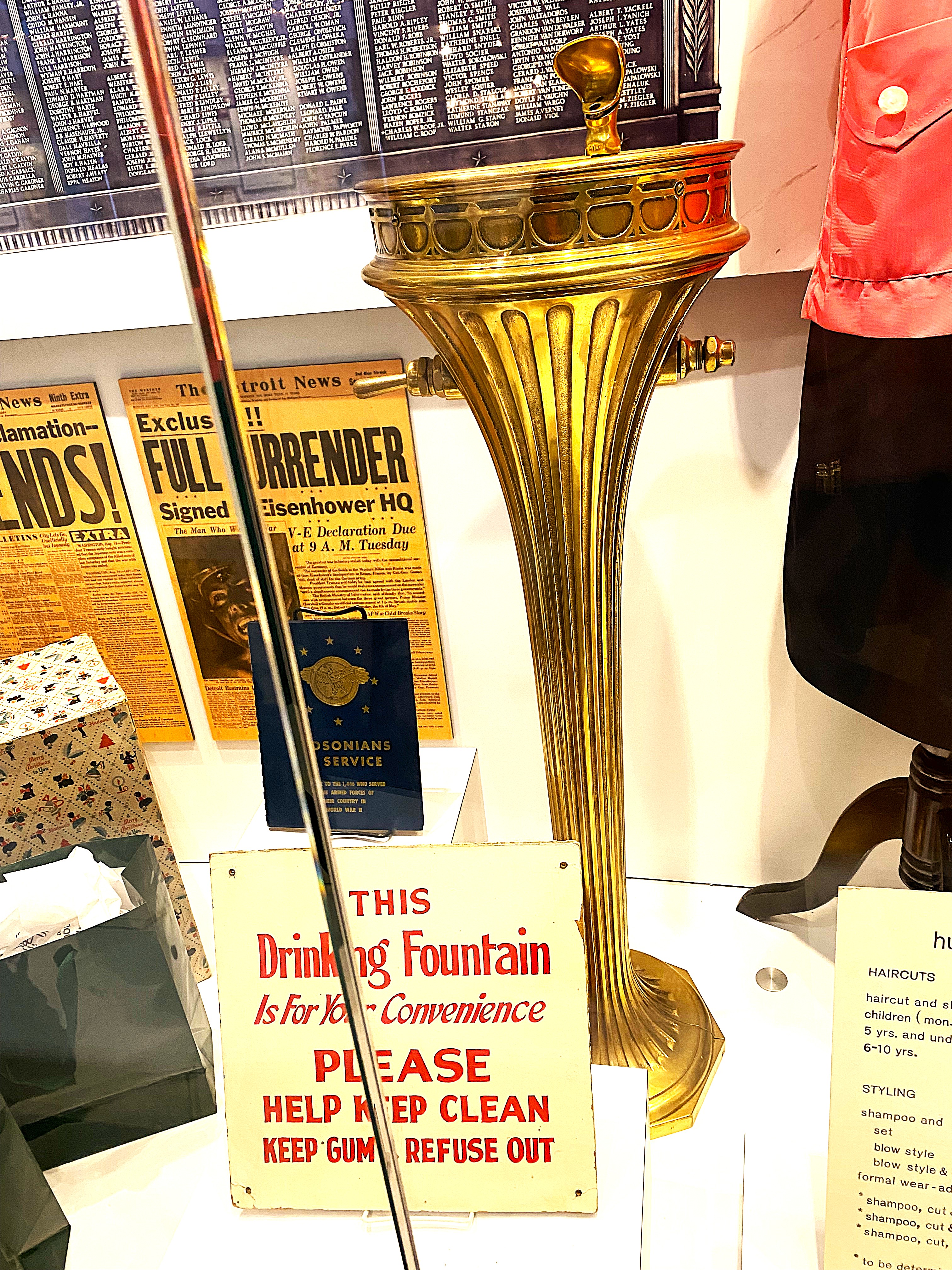
J L Hudson Company was founded in 1881 and at one time was the second largest department store in square footage, and it was the tallest department store in the world, with twenty-five stories and encompassed an entire city block. At one time they also produced automobiles, which became part of American Motors Corporation and later Chrysler and now Stellantis. I remember shopping there as a child with my mother, and she would park in a structure across from the back side of the building and at that time there was still a doorman at that entrance. They had beautiful bays of elevators of copper, brass and wood, with elevator operators that announced the products on each floor, or you could use the escalators that were found at several locations on each floor. Somewhere in the house, I still have my mother’s original metal “key ring” charge plate, which was later reissued in plastic, and I would marvel at the labyrinth of pneumatic tubes that would go from a cash register to a central location for approval and then would return in the tube, totally impressive, especially to a child. I remember that my mother would also call the credit department when I was a little older, and they would issue me a temporary one-day cardboard card good for a couple of hundred dollars, so that I could do my Christmas shopping. Since I was still young, and traveled by bus, it was no problem as Hudson’s had a huge fleet of dark green delivery trucks that would deliver all purchases on certain days, depending on the district of the city where one lived. The exhibition at the museum touched upon all of this, and they even had one of the wonderful brass water fountains that were located everywhere in the building. When they announced that the store would be closed and later imploded, I always thought a water fountain would be a great memento, but it was not for me to have; and yes, I guess I am a strange guy and even a kid earlier on.
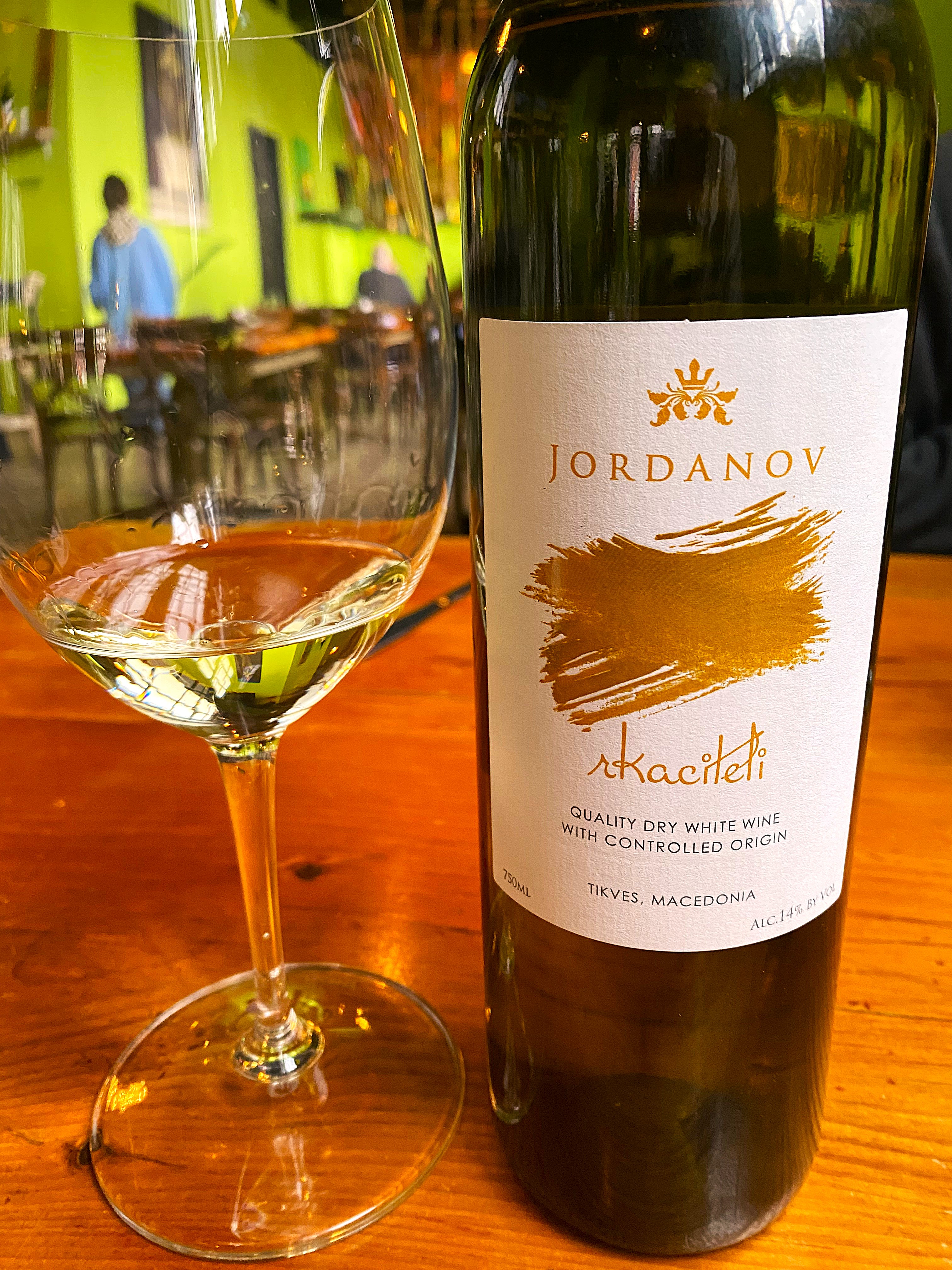
After the special exhibit at the Detroit Historical Society, plus viewing all the other standard exhibits, we crossed caddy-corner to the Park Shelton Hotel and had lunch at Chartreuse. Chartreuse opened in 2015 and immediately was in the forefront of the “farm to table” concept, but not corporate farming. Also, it is rather eclectic that whatever you order comes out as soon as the kitchen is done preparing it, so it is fun to just order, and we share dishes, no matter what the sequence. We started by ordering: Twice Cooked Egg with Werp Farm greens, Brussels Sprouts, Salty Cheese, and warm Shallot Vinaigrette. Steak Tartare with Leek, Radishes, Dill Crema, Cured Egg Yolk, Cilantro, Togorashi, Bao Bun. Angel Hair Pasta with Butternut Squash, Mushroom, Brandy Sweet Cream and Spiced Almonds. We started with Jordanov Rkasiteli Tikves, North Macedonia 2023 and Jordanov is a private label for Stobi Winery for the US Market. Stobi Winery opened in 2009 in the city of Gradsko, next to the ancient site of Stobi. Tikves is a prominent winegrowing region in North Macedonia, not to be confused with Tikves Winery which is from the region as well. The Rkasiteli grape is indigenous to the Caucasus region, and it has the ability to retain good acidity in the harshest summers and is successfully used in all types of wine styles in the region. It is also known as Rkatziteli, Baiyu and Corolioc. This wine is pure Rkasiteli and harvested from their own estate vineyards. A soft yellow-green colored wine that offered notes of pear, peach, apricot and white florals. On the palate this light-bodied, well-balanced wine displayed tones of green apple, peach and quince with crisp acidity and ending with a short-medium-count finish of soft fruit, it reminded me of a Pinot Grigio from Northern Italy.
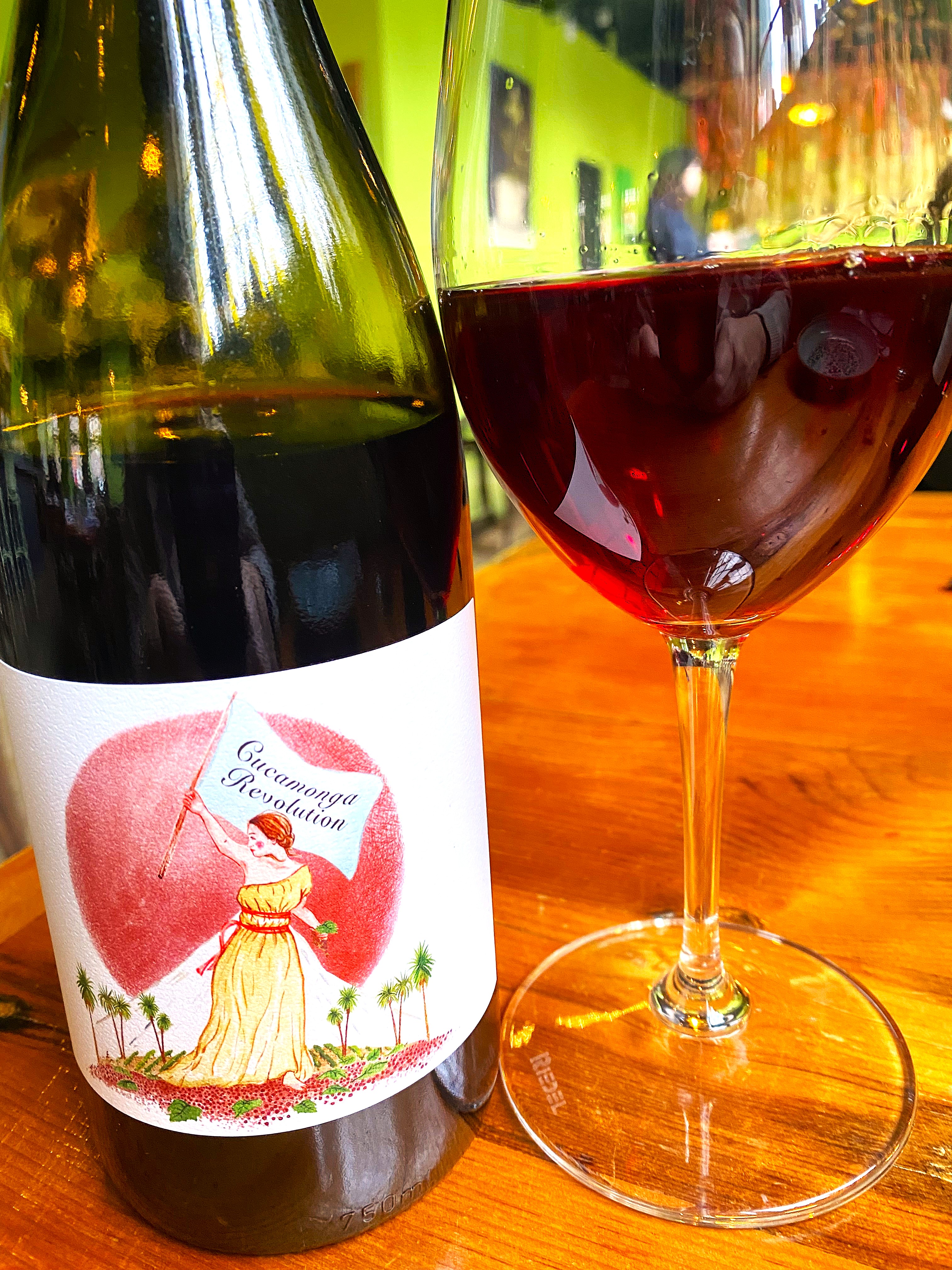
The latter half of the meal, which we selected properly for timing was Striped Bass with Beluga Lentils, Haricot Verts, Succotash, Lotus Root, Scallions, Chili Crunch and Dashi. The other entrée that we shared was Braised Short Ribs with Sheridan Acres Beans, Root Vegetable, Cabbage Mostarda and Shitake Chip. Followed by Colombian coffee and German Chocolate Cake with Chocolate Mousse, German filling, Chocolate Sauce, Caramelia Pearls and Candied Pecans. We then went for a red wine with Scythian Wine Co. “Revolution Red” Cucamonga Valley 2023 bottled by Parr Wines LLC. Scythian Wine Co. is a new project by sommelier-now-vigneron Raj Parr that highlights the nearly lost viticultural heritage of Los Angeles. Before Prohibition, the city was the center of the California wine industry, with Palomino, Mission, Grenache and Zinfandel planted on the sandy soils. The remaining vineyards are relics, interspersed between warehouses, corporate headquarters, neighborhoods and highways. Some of the vines are close to the century mark and had never been treated with fungicides, sulfur or copper. Phelan Farm is a California producer based in the village of Cambria specializing in minimal-intervention wines. Greg Phelan founded the estate in 2007, but the farm was in the Phelan family since 1851, and Raj Parr now leases the entire property. Cucamonga Valley was once the largest area under vine in the state, now there are less than a thousand acres devoted to vineyards. The soil in the hot, desert-like valley are rocky and sandy, allowing for excellent drainage, which produces smaller berries with thicker skins and more concentrated flavor and bold tannins. The existing vineyards survived during Prohibition as they grew grapes for home winemaking which was allowed during that era. This fruit is from the Lopez Vineyard that was planted in 1912. This wine is a blend of sixty percent Zinfandel; thirty percent Palomino and ten percent Grenache planted on sandy granite soils. The fruit is hand- harvested and fermented whole cluster in open-top neutral fermenter, then aged in old French Oak barrels. The wine is bottled without fining or filtering. This red colored wine offered notes of black cherry and licorice. On the palate this medium-bodied, well-balanced wine displayed tones of cherry, cranberry along with red florals and spices blending with big tannins and ending with a medium-count finish of fruit and spices.

 The Wine Raconteur