Through social media, I was introduced to Fattoria Il Casalone Pepi Lignana and later, so was my local wine shop The Fine Wine Source in Livonia, Michigan. Pepi Lignana has been making wine since 1960, and now there is three generations in the winery. They have twenty hectares of vines in the Tuscan region of Maremma, facing the eastern lagoon of Orbetello. The staff at The Fine Wine Source and I had a chance to try three of their wines.
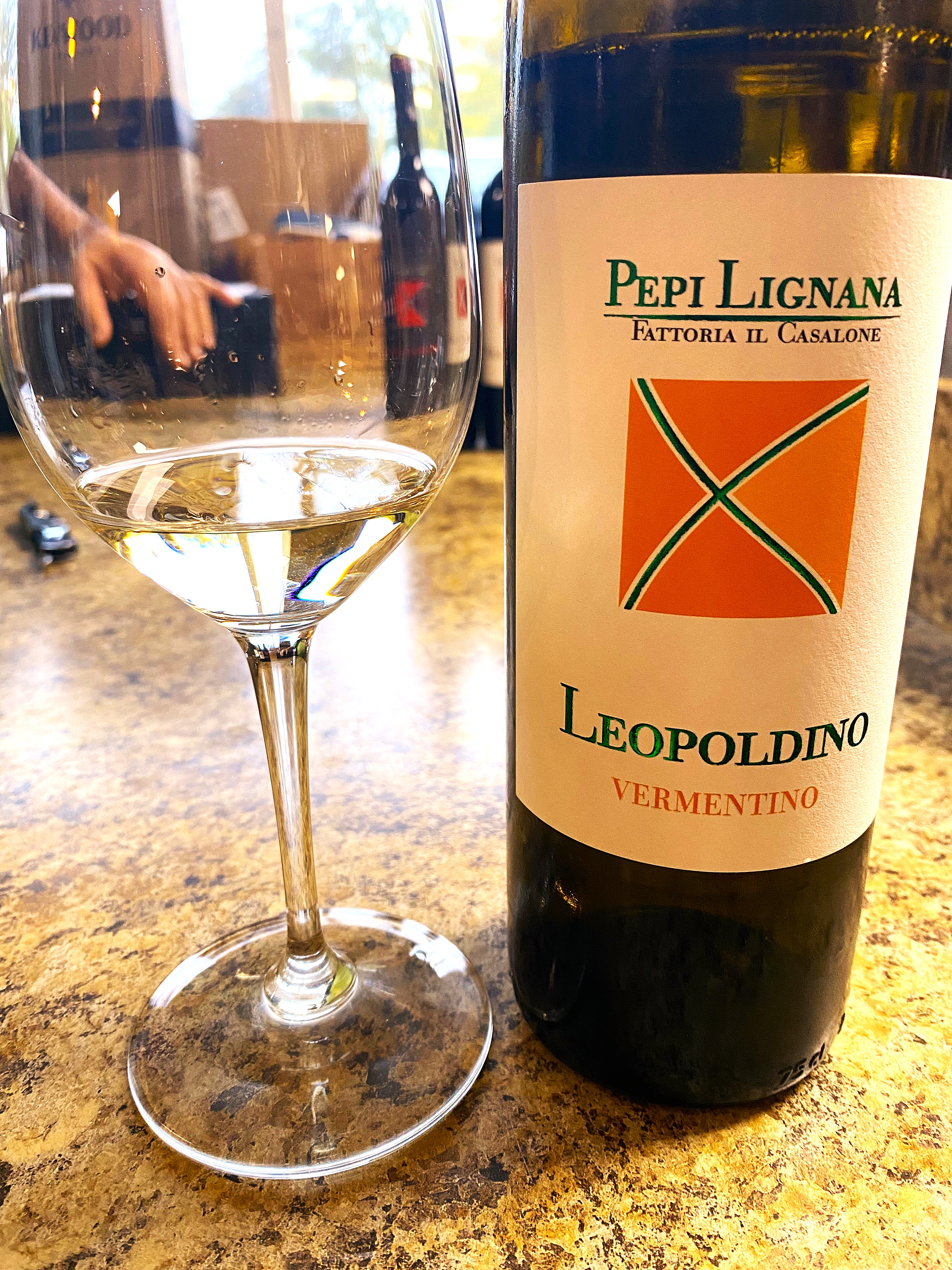
The first wine that we had was Fattoria Il Casalone Pepi Lignana “Leopoldino” Tuscan Maremma Vermentino DOC 2022. This wine is a blend of eighty-five percent Vermentino and fifteen percent Viognier; and of the twenty hectares of vineyards on the estate, eight hectares are devoted to Vermentino which can handle the loamy, sandy and clay terrain as well as the sea air. The fruit is manually harvested, then gently pressed and Fermentation lasts for twenty day in a temperature-controlled Stainless-Steel tanks and then aged for seven months on fine lees. The straw-yellow colored wine offered notes of peaches, apricots, golden apples, violets and wisp of salt-air. On the palate this medium-bodied, well-balanced displayed tones of stone fruits and apples ending with a nice medium-count finish of fruit, spices, honey and saline. I think the addition of the Viognier adds character and elegance to the Vermentino.
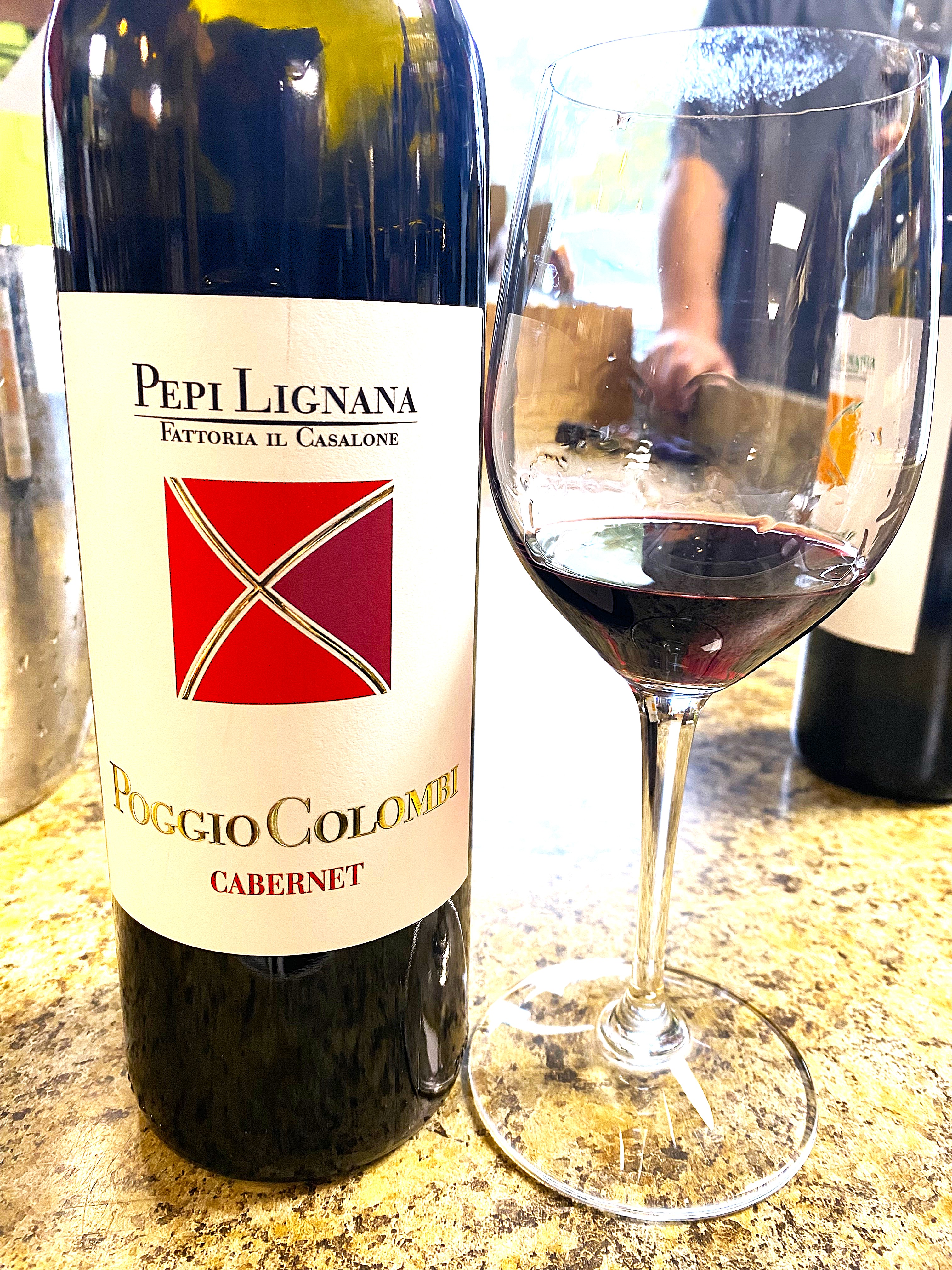
The second wine that we had from Fattoria Il Casalone Pepi Lignana “Poggio Colombi” Cabernet Toscana Maremma DOC 2022. Tuscana Maremma wines are a brighter and more modern concept of wines from the Tuscan region. The wines tend to be more varietal driven, and they have a designation for “Cabernet” which may be Cabernet Franc, Cabernet Sauvignon or Carmenere, alone or in combination; this wine was seventy percent Cabernet Sauvignon, twenty percent Cabernet Franc and ten percent Petit Verdot. The fruit is grown on land that is loamy, sandy and clay terrain and the sea breeze. After the fruit is manually harvested, it undergoes Initial Fermentation and Malolactic Fermentation, then it is aged for twelve months in second-used French oak barriques and then another six months in bottle before release. A rich ruby colored wine that offered notes of dark fruits, wild berries, spices, tobacco leaf and sous-bois. On the palate this medium-bodied, well-balanced wine displayed tones of black and red cherry, blackberry, blending with silky tannins and ending with a medium-count finish of fruit, spices, leather and terroir.
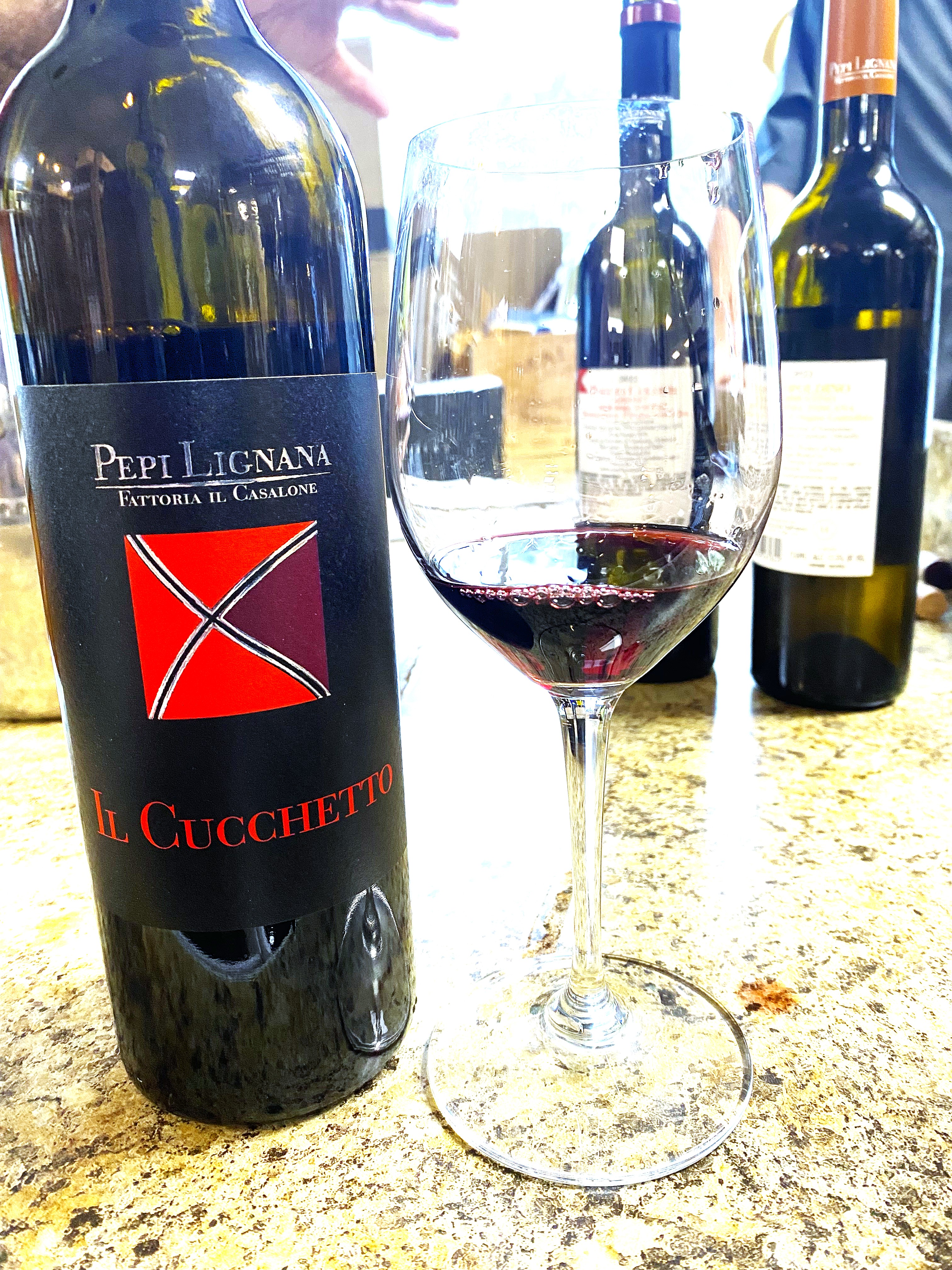
The final wine of the tasting was Fattoria Il Casalone Pepi Lignana “Il Cucchetto” Toscana Maremma DOC 2020. “Il Cucchetto” was pure Cabernet Sauvignon grown on the estate’s vineyard of loamy, sandy and clay terrain and the sea breezes. Though looking at their website, perhaps later vintages of this wine had fifteen percent Petit Verdot. The fruit is manually harvested, pressed and undergoes Initial Fermentation and Malolactic Fermentation, with additional racking for ten days, and then it is aged for eighteen months in French Oak barrels, and then an additional six months of aging in bottle before release. This deep ruby colored wine offered notes of black and red fruit, wild berries, spices, menthol and sous-bois. On the palate the full-bodied, well-balanced wine displayed tones of black and red cherries, blackberries, cassis with assorted spices blending seamlessly with mellow tannins and ending with a long-count finish of fruit, tobacco, and terroir. A delightful red and total consensus by the group that this was the winner.

 The Wine Raconteur