A totally different wine tasting was held at The Fine Wine Source in Livonia, Michigan. It was a much more structured tasting with guests arriving for three different time slots and delightful small plates and shareables catered by Vertical Detroit. In the 16th Century the first Trimbachs arrived from Switzerland to dig in the silver mines at Sainte-Marie-aux-Mines. In 1626 Jean Trimbach arrived from Sainte-Marie-aux-Mines was received by Bourgeois in Riquewihr, where he became a winemaker. As the years passed, generations followed each other at the House of Trimbach.
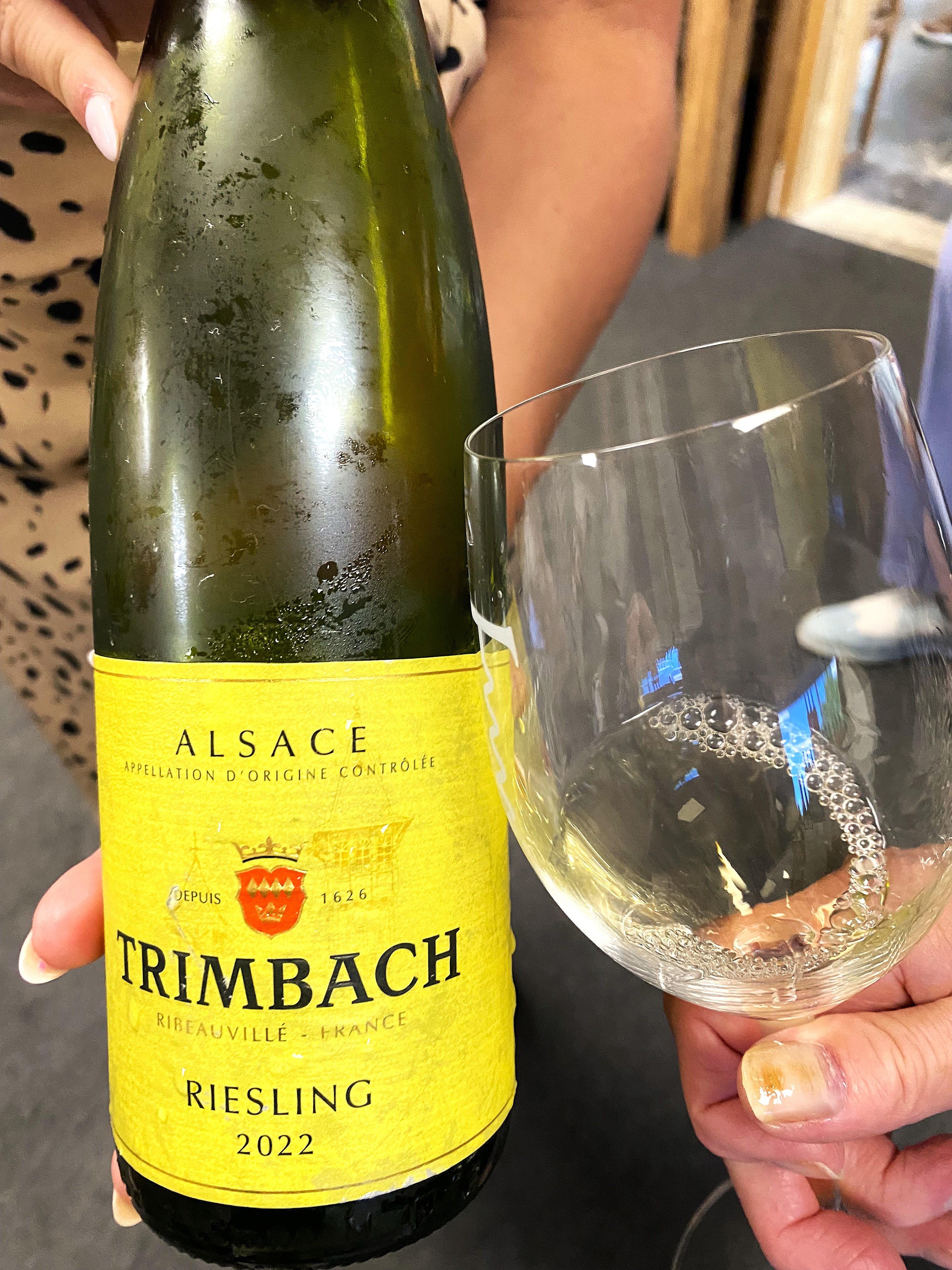
The Riesling varietal accounts for fifty percent of Maison Trimbach production. The first wine that we had was Maison Trimbach Riesling Alsace 2022. For their classic Riesling, twenty-five percent of the grapes originate from Grand Cru vineyards. The specific plots are selected each year by Pierre Trimbach. The grapes are fermented in temperature-controlled Stainless-Steel and concrete vats. There is no secondary Malolactic Fermentation in order to maintain as much natural acidity as possible. The grapes are crushed and delicately pressed in a pneumatic press, then vinified in a dry style in Stainless-Steel vats and old neutral casks. There is no long aging on lees, as the wine is bottled in the following spring and then ages one additional year in the bottle before release. This is a classic interpretation of a dry Alsatian Riesling and the wine is a soft-pale-yellow and offered notes of tropical fruit, pears, lemons and oranges along with white florals. On the palate this medium-bodied wine was crisp and elegant and displayed tones of white fruits, citrus and a nice chewy wine that finished with fruit and terroir.
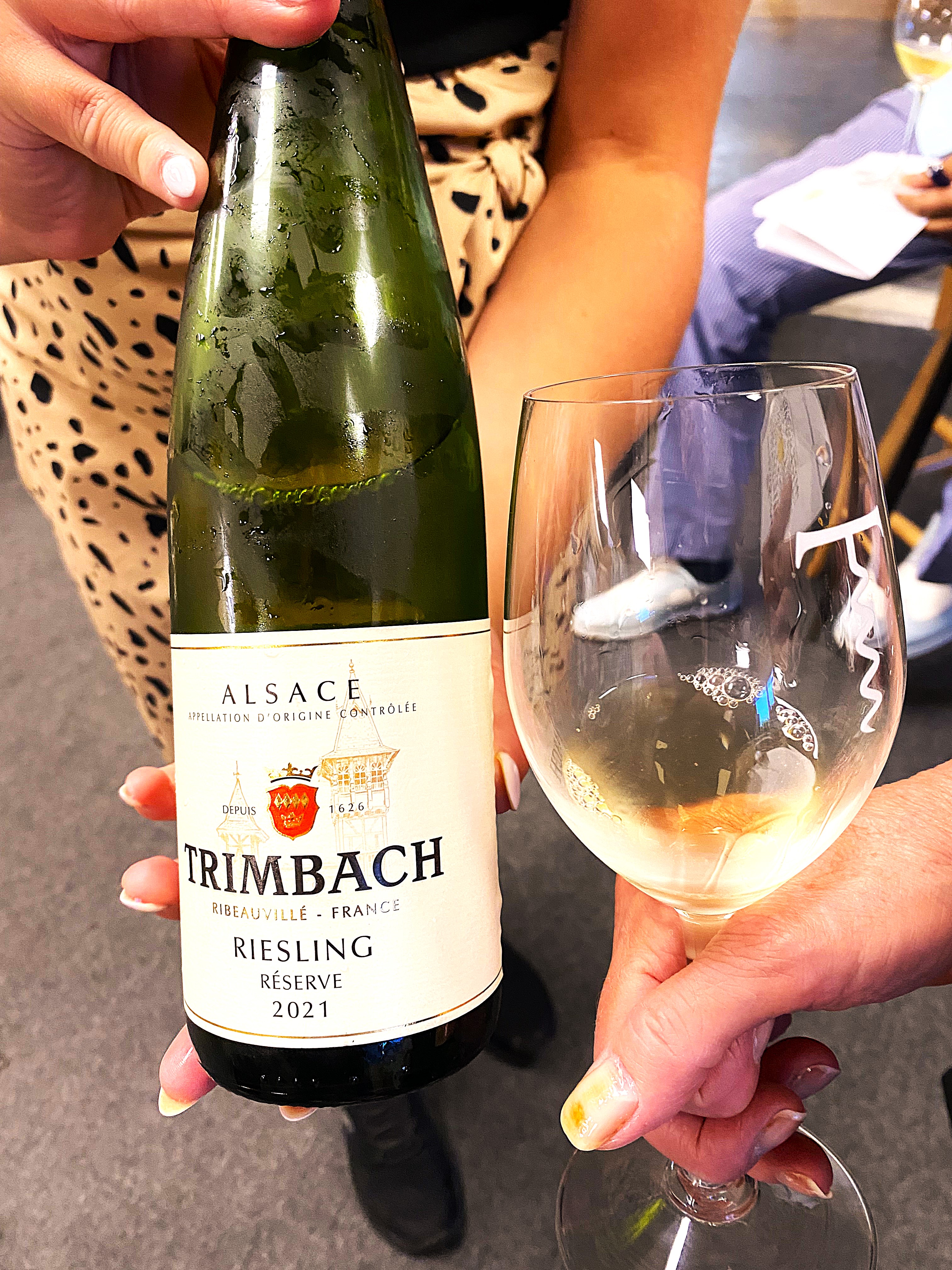
The second Riesling that we had was Maison Riesling Reserve Alsace 2021. Once again this wine has fruit coming from vineyards selected by Pierre Trimbach, including the lieu-dit of the Trottacker-Forst with marl, limestone and sandstone soils, as well as some older vines (forty-five plus years) in Trimbach’s vineyard in Ribeauvillé. Other sites included are the Haguenau and Paenzer, and Grand Cru Altenberg, which has limestone soils and very stony red marls, which are shallow and rich in fossils, and another lot of old vines (fifty plus years) in Bergheim. The grapes are selected at maturity and delicately crushed in a pneumatic press; then vinified in a dry style in Stainless Steel vats. There is no Malolactic Fermentation or long aging on the lees, to preserve freshness and full fruit aromas. A straw colored wine that offered notes of green apples, pears, citrus and white florals. On the palate, this dry and well-balanced medium-bodied wine displayed tones of green apples, pears, grapefruit, and lemon zest ending with a racy finish of terroir and refreshing salinity, that almost demands another taste.
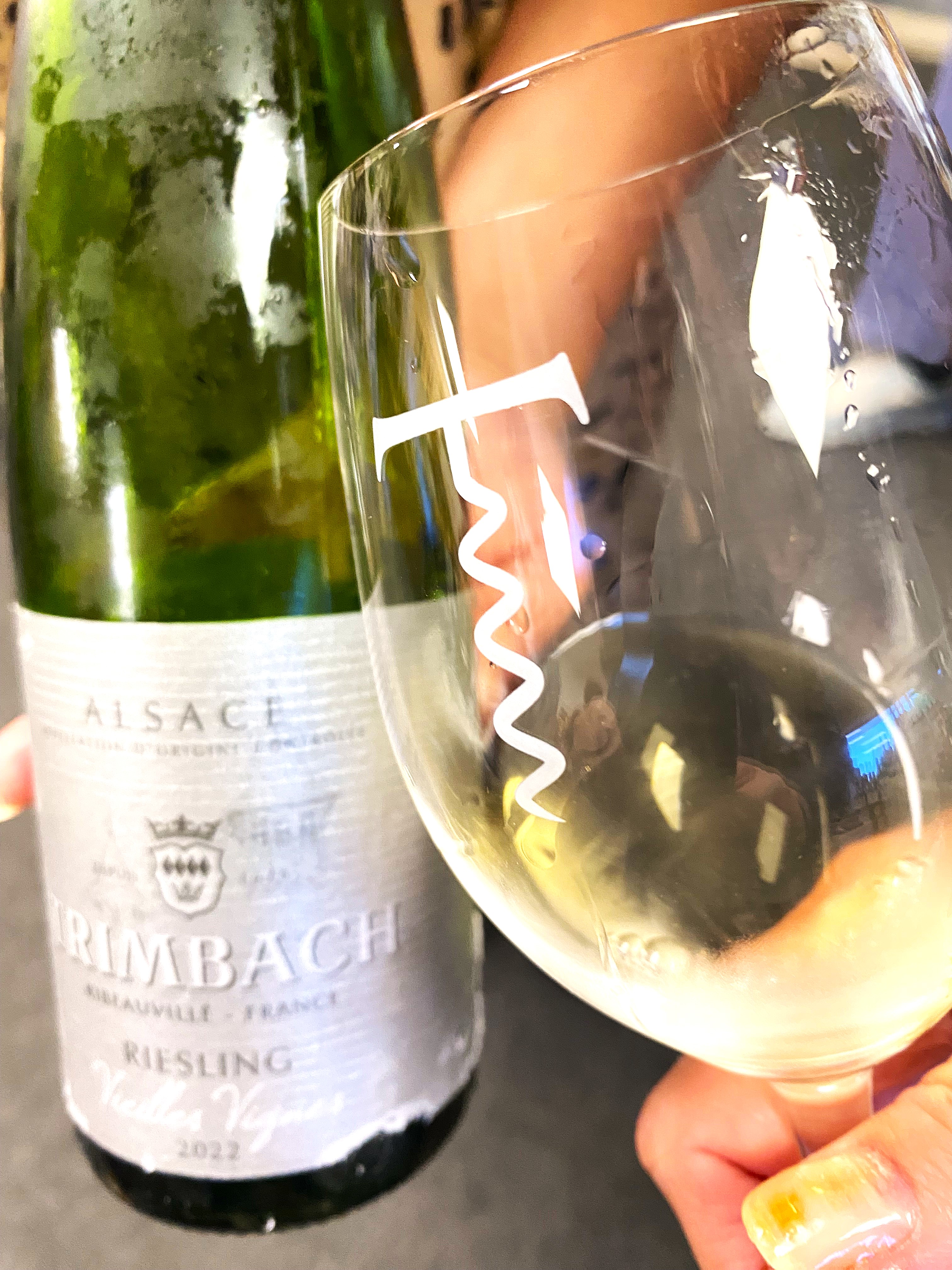
We then had the Maison Trimbach Riesling Vieilles Vignes Alsace 2022, and Vieilles Vignes translates to Old Vines, which is not a legal wine term, but is used proudly by wineries that can attest to that fact. Trimbach is fortunate to have some great microclimate locations for some of their vineyards. This wine is produced from over seventy-year-old vines from Grand Cru Rosacker and from lieu dit Muehlforst, and in Hunawihr (which are both planted on Muschelkalk soil with limestone. This wine also uses sixty-plus-year-old vines from the lieu dit Vorderer Haguenau in Ribeauvillé planted on marl and limestone soil. The fruit for this wine was handpicked to achieve maximum ripeness. The grapes are gently crushed in a pneumatic press. The juice ferments in temperature-controlled Stainless-Steel vats for almost four weeks. There was no Malolactic Fermentation or long aging on lees, in order to preserve freshness and fruity aromas. The wine is not oak-aged and vinified to complete dryness with no residual sugar. This straw-colored wine offered notes of lemon pastry, dried apricots, freshly-cut acacia and a trace of kerosene and terroir. On the palate, this medium bodied wine was fleshy and balanced with tones of citrus, stone fruit, lychee and pastry with a firm backbone of minerals delivering a long-count finish of fruit, honey, limestone and salinity.

 The Wine Raconteur