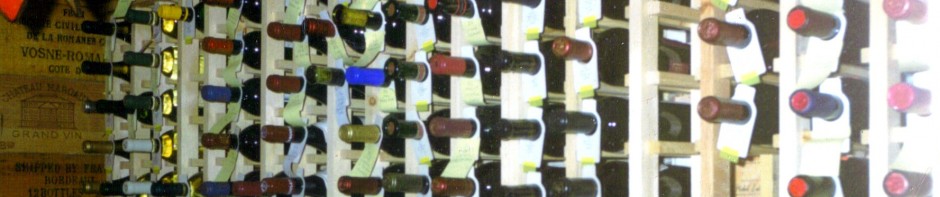
We had a busy day this morning, even finished all of the Christmas shopping and then we stopped to pick up our wine club selections from The Fine Wine Source in Livonia, Michigan; plus, we wanted to be nosy and check out the addition to the store. One of the key lessons that I learned years ago, is that if you moved your initial location, even by a block, you end up losing customers. I know it sounds crazy, but it was an axiom that I heard constantly for all the years I was in business. They were able to acquire the store adjacent to them and expand with an internal arch from store to store, and still maintain the original address. More selling space and even a dedicated tasting area and counter, instead of everyone huddled around a barrel.
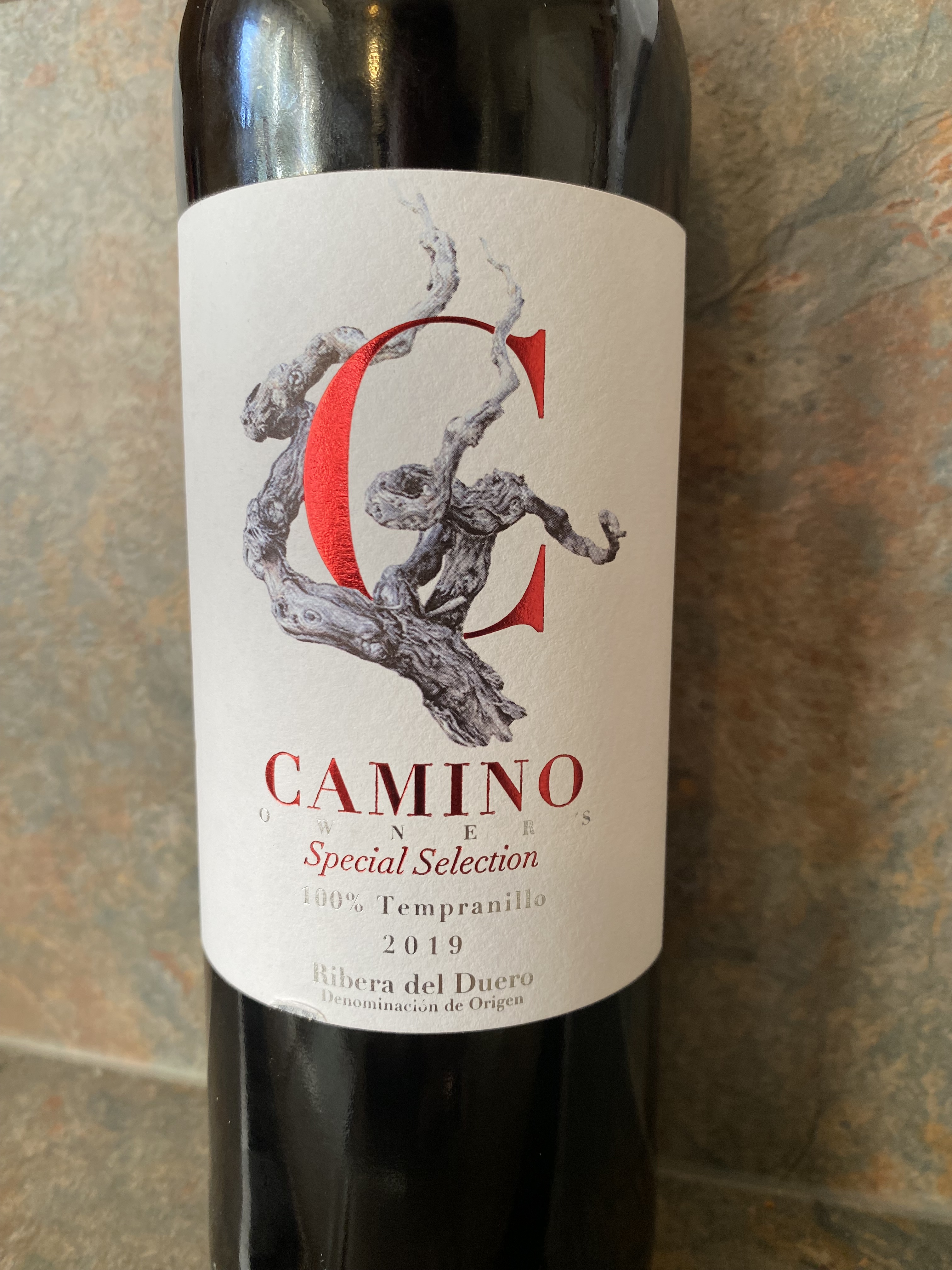
The first wine representing the Old World is Bodegas Nexus & Frontaura Camino Owner’s Special Selection Ribera del Duero 2019. Nexus & Frontaura was established in 1840 by the Gonzalez family, when the first vineyards were planted in the Toro region. Bodegas Frontaura and Nexus Bodegas produce wines from the prestigious appellations in Castilla y Leon: Toro, Ribera del Duero, and Rueda. Camino Pardo Alvarez is from the original Gonzalez family, a union of a Castilian father and an Asturian mother. Sine 1999, she has been active in production, viticulture, and enology, and in the international marketing of the wines. Bodegas Nexus was established in 2000. In 2004 she became the General Manager of Marques de Valdelecasas, Bodegas Frontaura and Nexus. Ribera del Duero rose from basic obscurity in the 1980’s to one of the most important wine regions. For red wines Tempranillo is the main varietal, though some blending is allowed. The region uses the same aging rules as found in Rioja. The vineyards are planted on sandy-clay and loam soils. The vineyard is sixty-five-hectares, forty in full production and twenty-five with new, and young vines. This wine is made exclusively from Tempranillo grapes, aged for three months in French Oak. The wine offers notes of blackberries and other dark fruits, with hints of chocolate, oakiness, smoke, and sous-bois. On the palate this medium-bodied wine offers tones of blackberry, plum, prune, blended with soft tannins, good acidity, and a juicy finish with some terroir.
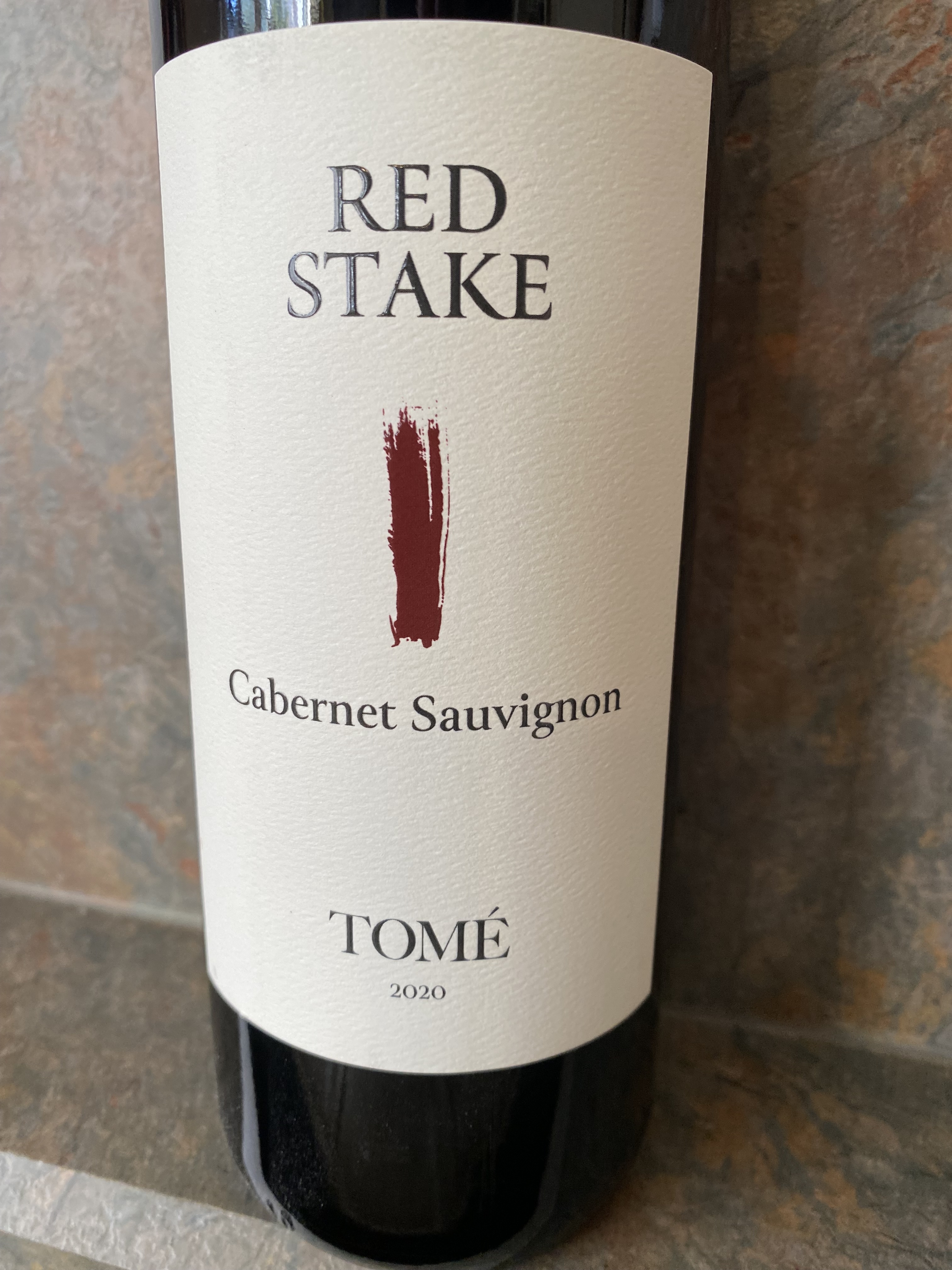
The wine representing the New World is Tomé “Red Stake” Cabernet Sauvignon Columbia Valley 2020. Robert Tomé is the founder and CEO of Tomebrands. Robert was born in Toronto, Ontario, Canada; his father was an immigrant from Friuli Venezia Giulia home of some of his favorite vineyards, and his mother is a third-generation Canadian of Scottish descent, from where he learned to love golf. His earliest memories of wine are the wines made in his family’s garage by his father and uncles. Years later he found himself working at a golf club, where he developed a passion for the game, as well as the hospitality industry, where he eventually received a full scholarship and then a degree in hospitality and tourism. By the nineties he was working full time in the wine industry, and in 2004 he launched his own wine importing agency in Canada. In 2017, he sold his interest in the agency and fulfilled his dream and created Tomé Group of Brands, making wines from Washington State and in Italy. The fruit came from the Frenchman Hills of Columbia Valley and was a smaller crop of smaller berries which boded well for the vintage. They began with whole berry fermentation, with manual batonnage about three times a day; and the Initial Fermentation lasted for fourteen days for maximum extraction. The wine was then gently pressed and then aged on the lees for twenty-four months in French Oak, of which twenty-five percent was new; nine-thousand bottles were produced. The wine is described as having note of black cherry, cassis, and new leather. On the palate, the wine is described as having tones of dark cherry, blackberry, dark currants, and baking spices; “an elegant Old World style with a nod the New World. For you non-golfers, a “Red Stake” refers to the stake on a golf course that delineates a water hazard.


 The Wine Raconteur