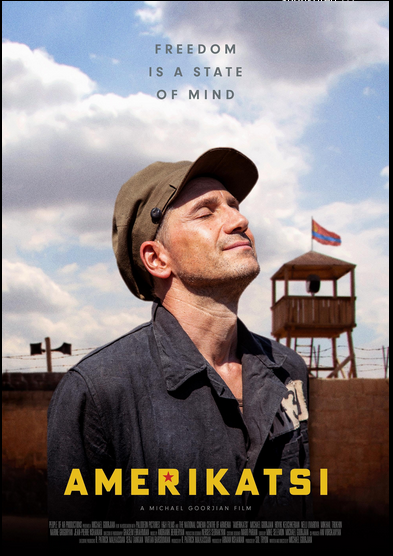
I need to offer some explanations for this article. Amerikatsi is a name of an Armenian film that is totally unknown and yet it has won seventeen film awards. The suffix “atsi” is used to define a person’s heritage in the Armenian language, hence Amerikatsi is one from America, and a Germanatsi (with a hard “G”) is from Germany, but it can be used even to identify an Armenian from his state or even his city or village. Armenians use suffixes on surnames as well, “ian” or “yan” denotes “son of” as in the great Armenian-American author William Saroyan, who’s grandfather probably was named Saro. All this is to explain why my Bride and I found ourselves seeing a film that was showing in the Detroit area, without any indications or writeups from our local “film critics” as they probably can’t watch a film that doesn’t have comic book superheroes. With the lack of work by the critics, when we went to see the film, there may have been twenty people in the audience, and I would venture to say all Armenians that were mostly first-generation Americans from parents that survived the Genocide (I am a second-generation).
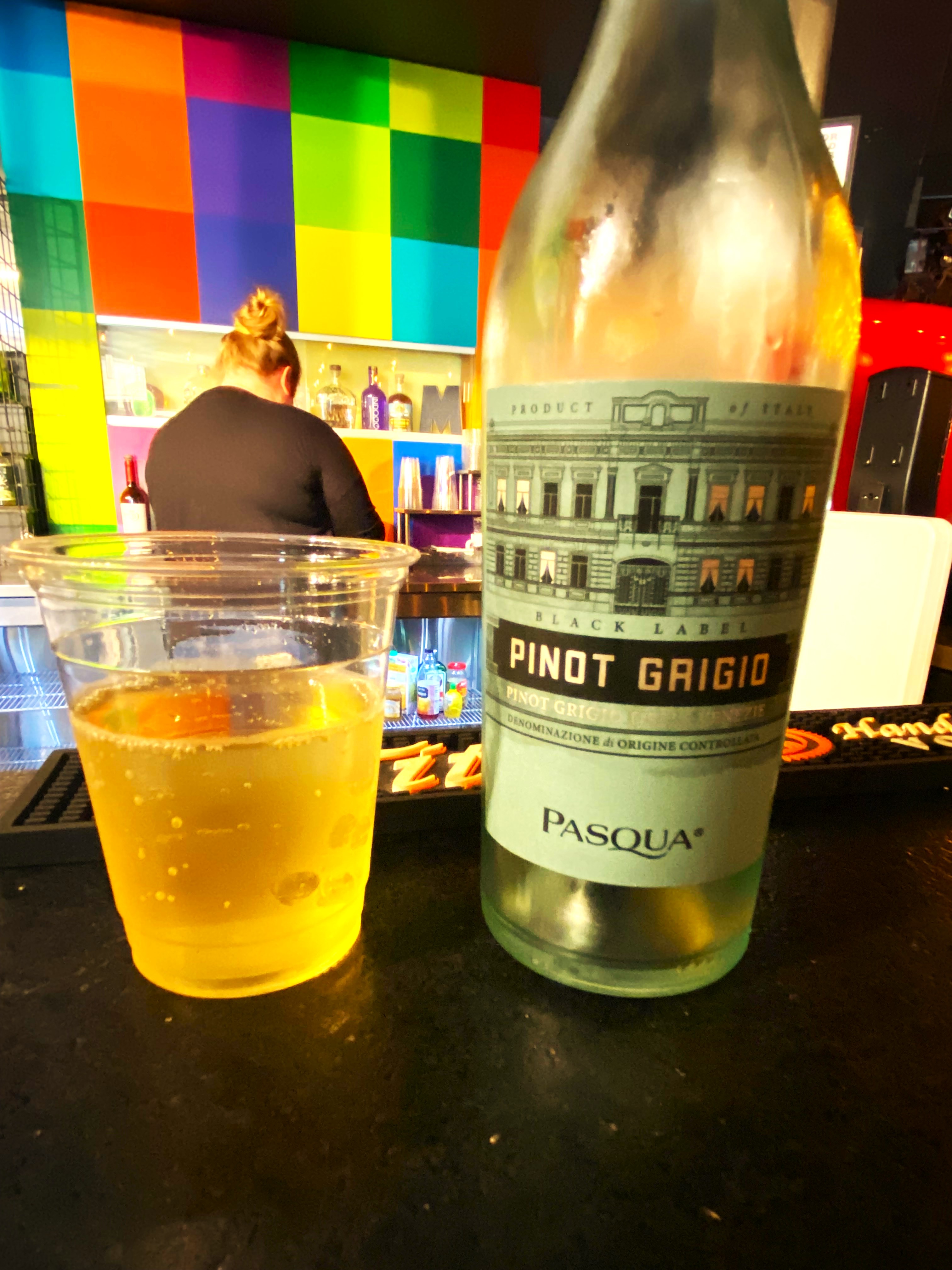
Now I have to explain why I am writing an article about a movie, well some of you by now have noticed that I write about the moment and the wine that is encountered at that moment, be it humble or spectacular, life is the same way. We go to less movies these days, only because I enjoy the written word, and not a “blue screen” movie. Though one of the features that I have discovered and enjoyed when we do go to the cinema, is that there is a lounge or at least offerings that can wet one’s whistle that isn’t a soft drink. The “art theatre” as they were called in my youth that we went to not only had a lounge, but there was a wall of wine bottles separating the lounge from the popcorn stand. We had a couple of glasses of Pasqua Wines Pinot Grigio Delle Venezie DOC 20221. Pasqua Wines was founded in 1925 by the brothers Pasqua with their historic Veronese winery, and in their almost one hundred years have showcased many of the prestigious wines from Veneto. The Venezie in the name, most people think is for Venice, the historic and romantic city of canals, island, bridges and gondolas, but it is actually for Tre Venezie, Triveneto or “Three Venices.” These three are Venezia Euganea, Venezia Giulia and Venezia Tridentina and they were three Italian administrative regions which existed from 1866 to 1919 and now correspond to Veneto, Friuli-Venezie Gulia and Trentino-Alto Adige; Delle Venezie covers the entire area with the exception of Alto-Adige or Sudtirol. The DOC laws allow that the wine must be at least eighty-five percent Pinot Grigio and then there is a long list of local grapes that may be used to blend in. This wine is pure Pinot Grigio and the fruit undergoes a soft pressing. The Initial Fermentation is done cool in Stainless-Steel tanks. Thirty percent of the juice is aged in French Oak barrels for three months, while the rest remains in the Stainless-Steel tanks. The wine is a golden colored and offered notes of peaches, pears, and tropical fruit. On the palate there were tones of the fruits, balanced with a tinge of vanilla and roasted hazelnuts. Not a complex wine, but it hit the spot while watching the movie, especially in the oversize, plush chairs that had built-in trays.
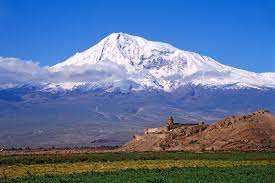
Now to get back to the film, which was the crux of this article. The story revolves around Charlie who is smuggled out in a steamer trunk, in the waning days of Western Armenia, in the Ottoman Empire, but not before he gets to be the unfortunate witness of his family being murdered on the side of the street. He ends up in America, has a wife, who dies young and decides to be repatriated after World War II to his Armenia that he barely remembers. The Socialist Regime under Stalin, was promising money to the Armenians of the diaspora, but it was basically a way to maintain their forced labor camps of able-bodied men in Siberia. Due to an act of God, Charlie ends up staying in forced labor in Armenia under the benevolence of the Socialist Puppet government, that curries favor from the Russian overlords. We also, as the audience get to witness the changing of Armenia from under Stalin to under Khruschev. Charlie watches an Armenian family from his barred prison cell window to make his own discoveries about a world that he returned to, that attempts to shun religion and art, against the ingrained beliefs of the Armenian people. The famous Armenia mountain, Mount Ararat, plays a continuous and starring role in the film as well. I think that this film should be showed in public schools to allow the students to see the true “glories” of socialism, as actually practiced in the real world.

 The Wine Raconteur