It was an interesting wine tasting conducted by Antonio Argiolas representing Argiolas wines of Sardinia. The tasting was being held at The Royce, a wine bar in Downtown Detroit. Sardinia is the second largest island in the Mediterranean Ocean and is west of Italy’s mainland. The kingdom of Aragon ruled Sardinia for over four-hundred-years and consequently there are indigenous vines on the island that originally came from Spain during that period of time. The island can be divided into three regions for wine-growing; the north which specializes in Vermentino, the southwest that features Carignano and the Trexenta hills north of the capital of Cagliari that features Nuragus, Monica and Cannonau.
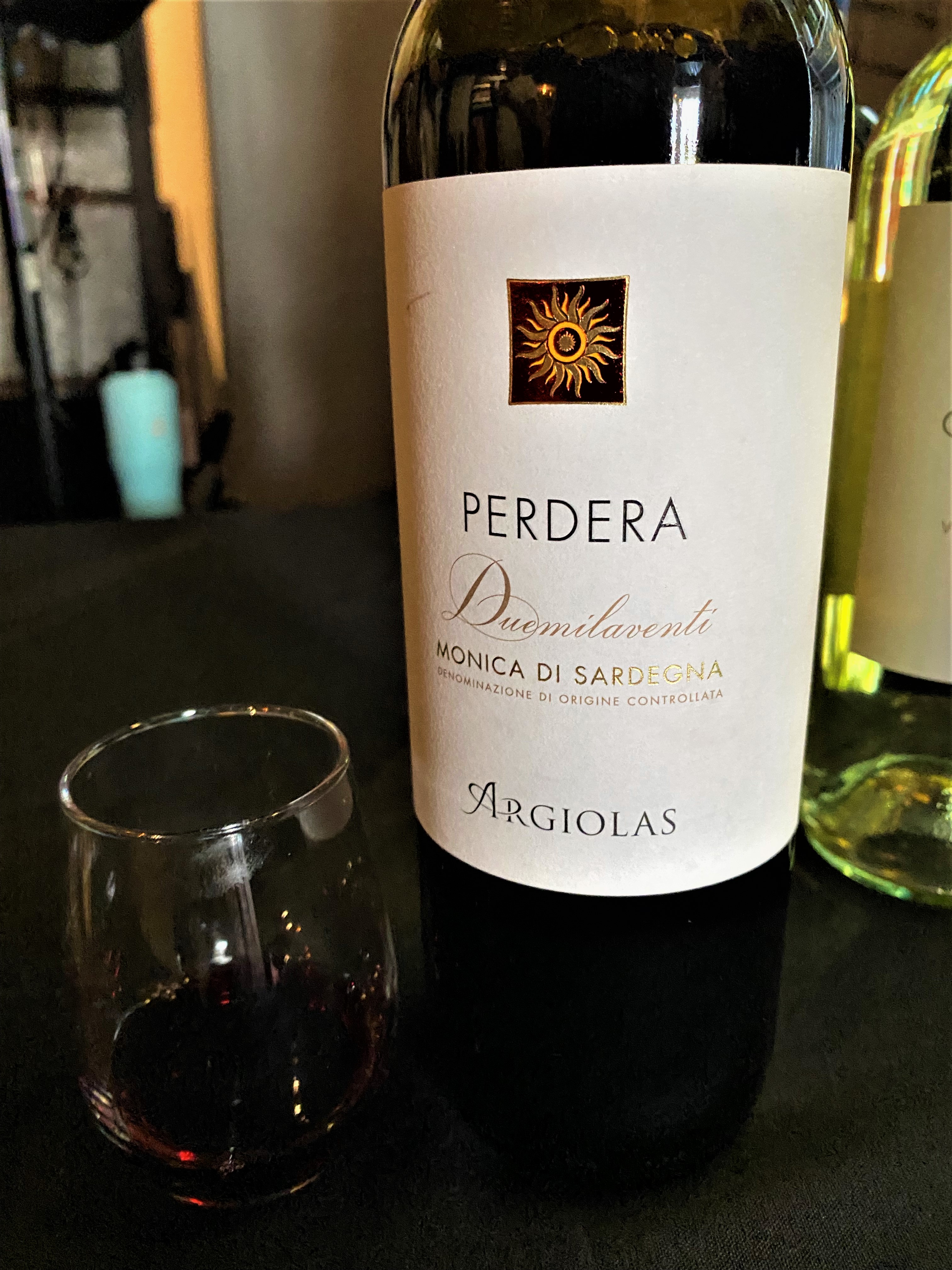
The second wine being offered for the tasting was Argiolas Perdera Monica di Sardegna DOC 2020. Perdera, means “place of many stones” and is from the grape Monica, that grows exclusively on the island of Sardinia. Some feel that it is from Spain, but no genetic links have been discovered. The grape offers low levels of acidity and must be harvested early, otherwise it ends up with excessive alcohol levels. It is found in both still and frizzante style wines and in a dry and sweet fortified style. The wine is a blend of ninety percent Monica, five percent Carignano and five percent Bovale Sardo. Initial Fermentation for about eight days, followed by about another eight days of Maceration and then Malolactic Fermentation all-in Stainless-Steel tanks. The wine is then aged for about eight months in French Oak, followed by four months in Concrete vats, with an additional two to three months in the bottle. A ruby-red colored wine offering tones of red fruit, florals, and spices. On the palate, the wine is medium-bodied with tones of cherry and plum, and gentle tannins and a short finish. A good table wine for charcuterie.

The next wine was Argiolas Costera Cannonau di Sardegna DOC 2020. Costera is a name referring to hills and it is made from Cannonau (Garnacha or Grenache). The workhorse grape of the island, some people feel that the grape came from Spain, while others feel that the grape was taken to Spain from Sardinia. It is the second most planted grape in Spain. This wine is a blend of ninety percent Cannonau, five percent Bovale Sardo and five percent Carignano. Bovale Sardo is native to Sardinia and is sometimes known locally as Muristellu though some feel that it is originally from Spain. It is found throughout the island and is commonly blended with Monica and with Cannonau. Carignano (Carignan in France, Carinena in Spain and Carignane in America) is a black-skinned grape that is probably native to Aragon and is a popular blending varietal for the Mediterranean region. The wine starts with about four weeks of Initial Fermentation, a cold soak Maceration for about another four weeks followed by Malolactic Fermentation all-in Stainless-Steel tanks. The wine is then aged for about ten months in used French Oak barriques followed by five months in Concrete vats and then settling for a month in the bottle. A deep ruby red wine offering notes of strawberries, cherries, and spices. On the palate this a bigger wine with notes of black cherry, herbs and a touch of vanilla with medium tannins and medium finish of fruit.

 The Wine Raconteur